Why Arkansas Holds So Many Ducks
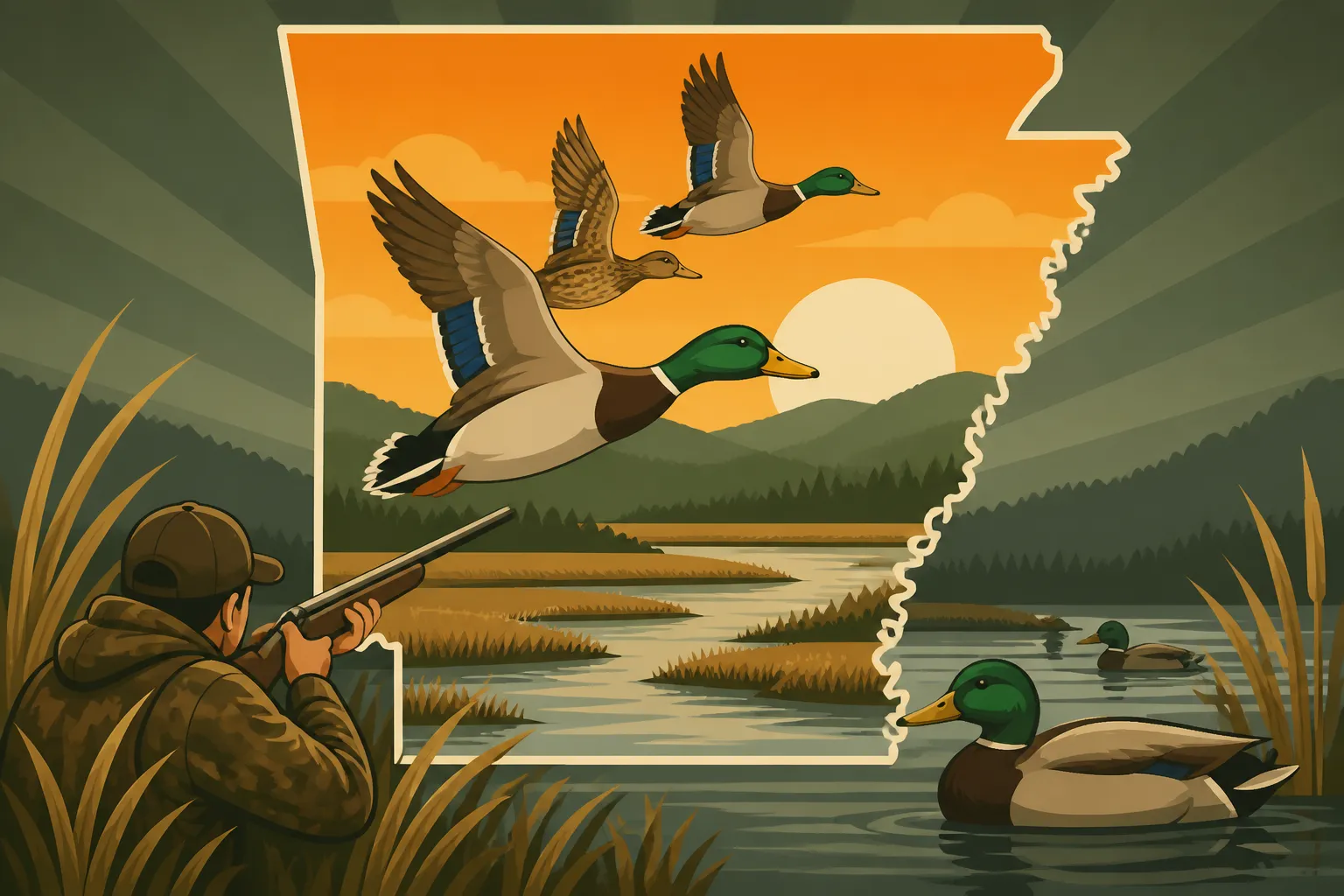
It can be incredibly frustrating to hear all the tales of incredible duck hunting in Arkansas, only to wonder why this state consistently draws such immense numbers of migratory waterfowl. Many hunters, especially those new to the Delta, struggle to understand the unique combination of factors that make Arkansas a true duck magnet. This comprehensive guide will break down the crucial elements that combine to create one of the world's most vital wintering grounds for ducks, helping you grasp the magic behind the "Duck Capital of the World."
The Central Artery: Arkansas on the Mississippi Flyway
Arkansas sits squarely in the heart of the Mississippi Flyway, a massive aerial superhighway that guides millions of waterfowl from their northern breeding grounds down to warmer wintering areas. This geographical advantage is the undeniable foundation for why our state sees such incredible duck concentrations year after year. It's not just a convenient stop; it's a critical nexus.
A Natural Migration Corridor
Imagine a funnel, wide at the top across the Canadian prairies and the upper Midwest, narrowing as it pushes south. Arkansas is right at the choke point of that funnel. Ducks, geese, and other migratory birds instinctively follow these established routes, often dictated by major river systems and historic wetland complexes. The vast Mississippi River system, flowing right along our eastern border and feeding countless tributaries, provides the perfect navigational beacon for these birds.
This isn't just a theory; it's a biological imperative. The birds are hardwired to follow these pathways, passing through states like Missouri, Iowa, and Illinois, but it's often in Arkansas that they find the conditions optimal for a prolonged stay. The sheer volume of birds that pour down the flyway ensures that even a fraction of the migration is an impressive sight, and Arkansas captures a significant portion of that aerial parade. If you've ever seen the skies darken with flocks, you know exactly what I mean.
Historical Wetland Legacy
Before extensive agricultural development, the Arkansas Delta was a sprawling tapestry of bottomland hardwood forests, cypress swamps, and natural wetlands. This was the primordial duck habitat, a veritable buffet for migrating birds. While much of this landscape has been altered, the ghosts of those historical wetlands remain. The topography, the soil types, and the underlying hydrology still lean towards creating prime waterfowl habitat when water is present.
Even though many of the ancient forests are gone, the memory of abundance persists in the birds' migratory DNA. They are drawn to these historic areas, and modern conservation efforts often focus on restoring or mimicking these ancestral wetlands. This legacy means that even today, when a landscape architect or wildlife manager looks at a piece of ground in the Delta, they can often see its potential for duck habitat, building upon what nature originally provided.
Habitat Diversity: A Menu for Every Duck
It's one thing to be on a major flyway, but it's another entirely to offer the kind of diverse, rich habitat that keeps ducks from simply passing through. Arkansas excels here, providing a smorgasbord of food and shelter options that cater to the varied preferences of different waterfowl species, ensuring a long-term stay.
The Magic of Green Timber
When people talk about Arkansas duck hunting, "green timber" is often the first thing that comes to mind, and for good reason. These are bottomland hardwood forests, typically dominated by various species of oaks, that are intentionally flooded during the winter months. The submerged acorns from red oaks, pin oaks, and Nuttall oaks are an absolute superfood for ducks, especially mallards.
The flooded timber offers more than just food; it provides crucial cover and protection from predators, as well as a more stable, warmer environment than open fields during freezing temperatures. Picture standing chest-deep in water amongst ancient oaks, the muffled sounds of hundreds of ducks splashing and feeding around you – it's an immersive experience that resonates deeply with hunters. Managing these areas, often referred to as green tree reservoirs, requires careful control of water levels, which you can learn more about in resources like Green Tree Reservoir Management in Arkansas.
The Allure of Flooded Agricultural Fields
Beyond the timber, Arkansas's vast agricultural landscape plays an equally critical role. The state is a major producer of rice, corn, and soybeans, and after harvest, these fields become incredibly attractive to ducks, particularly when intentionally flooded. The waste grain left behind, often in staggering quantities, provides an easily accessible, high-energy food source.
Flooded rice fields, in particular, are iconic. They offer vast open feeding areas where thousands upon thousands of ducks can gather, feeling relatively safe from ground predators. These fields often complement the timber, serving as primary feeding grounds at night or during the day when timber holes are pressured. Understanding Field and Flooded Rice Duck Hunting in the Delta is key to grasping the full picture of Arkansas's duck appeal.
Natural Moist-Soil Units and Wetlands
Interspersed between the timber and the fields are managed moist-soil units and remnants of natural wetlands. These areas are designed to produce native vegetation like smartweed, millet, and sedges, which provide excellent natural food sources. These units are often found on Wildlife Management Areas (WMAs) and national wildlife refuges.
These habitats are crucial because they offer a more natural, undisturbed environment compared to heavily hunted timber or fields. They serve as loafing areas, roosts, and sometimes even sanctuary zones, allowing ducks to rest and digest in peace. The varied food sources also cater to a wider array of duck species beyond just mallards, including pintails, teal, and wigeon, adding to the overall biodiversity.
Agricultural Influence: The Modern Buffet
While natural habitat is vital, modern agriculture has undeniably reshaped the Delta into an even more potent duck magnet. The sheer scale and specific types of farming practices in Arkansas, especially rice cultivation, create an unparalleled food source for wintering waterfowl.
Bountiful Waste Grain
After the harvest, a surprising amount of grain, particularly rice and corn, is left behind in the fields. This "waste grain" is far from waste for a duck; it's a calorie-rich feast that provides the energy needed to survive the winter. Arkansas farmers harvest millions of acres of these crops, creating literally tons of available food for ducks.
Many farmers in duck-rich areas will strategically flood their fields after harvest, transforming them into shallow, temporary wetlands explicitly for waterfowl. This practice not only provides food for ducks but can also help with nutrient cycling and pest control for the farmers. It's a symbiotic relationship that has evolved over decades, drawing Mallard Numbers Wintering in Arkansas to peak levels.
Staggered Harvest Cycles
One subtle yet significant factor is the staggered nature of harvest cycles. Not all fields are harvested at the same time, and not all are flooded simultaneously. This creates a constantly renewing and shifting food source across the landscape. As one area is picked clean, another becomes available, ensuring a continuous supply of sustenance throughout the fall and winter months.
This dynamic buffet keeps ducks moving, spreading them out across the landscape and preventing any single area from being completely depleted. It also offers hunters diverse opportunities as birds shift from one food source to another. A hunter might target timber early in the season, then switch to flooded fields as the timber becomes pressured or food becomes scarce there, demonstrating the flexibility demanded by the birds' movements.
Farmer-Friendly Duck Zones
In many parts of the Delta, the local culture and economy are intrinsically linked to duck hunting. Farmers often embrace the presence of ducks, recognizing their value to the ecosystem and the hunting community. This isn't universally true, of course, but a significant portion of the agricultural community in states like Arkansas works in harmony with waterfowl, sometimes even managing their land specifically for them.
This acceptance, and often encouragement, of duck activity means less disturbance and more secure areas for birds. It's a far cry from regions where waterfowl might be seen as pests. This long-standing tradition of duck culture in Arkansas fosters an environment where birds are welcomed, leading to their consistent return year after year.
Strategic Water Management: Crafting the Perfect Wetland
You can have all the right geography and all the right food, but without water at the right time and in the right places, ducks won't stay. Arkansas has mastered the art of water management, both on public and private lands, to create and maintain optimal wetland conditions throughout the hunting season.
AGFC's Green Tree Reservoir Strategy
The Arkansas Game and Fish Commission (AGFC) plays a pivotal role in managing public hunting lands, particularly through their extensive green tree reservoir (GTR) programs. These GTRs are carefully designed to mimic natural flooding cycles, ensuring the health of the timber while also providing prime duck habitat. Water levels are raised and lowered at specific times to optimize acorn production and availability.
Managing these complex systems is a science, balancing the needs of the trees, the ducks, and the hunters. The AGFC's commitment to these GTRs, found across many of our Arkansas Wildlife Management Areas, is a cornerstone of the state's waterfowl appeal. They are constantly monitoring and adjusting, aiming to provide consistent, high-quality habitat year after year.
Private Land Pumping and Flooding
While public lands are crucial, private landowners contribute an enormous amount to Arkansas's duck-holding capacity. Many private clubs and individual landowners invest heavily in pumps, levees, and water control structures to flood their own timber and fields. This allows them to create bespoke duck habitats, often to very specific depths and timing schedules.
This private investment effectively expands the amount of flooded habitat available to ducks exponentially. It means that even during dry years, when natural rainfall might be scarce, these actively managed private lands can still draw and hold significant numbers of birds by pumping water from wells, rivers, or bayous. This widespread water management is a primary driver of Why Mallards Use Flooded Timber and other habitats across the Delta.
Water Control Structures and Timing
The sophistication of water management in Arkansas is truly impressive. From large-scale floodgates on public refuges to smaller, individual riser boards on private impoundments, the ability to control water depth and duration is paramount. This precise control allows managers to flood areas just before the ducks arrive, hold water through the peak migration, and drain it appropriately afterward.
This timing is critical for everything from acorn decomposition to vegetation growth and hunter access. A well-managed area might be flooded to just the right depth to allow ducks to dabble for acorns, then slowly drawn down over the season, exposing new food sources as needed. This meticulous approach means that when you’re out Hunting Arkansas Flooded Green Timber, you're often experiencing the result of considerable planning and work.
Conservation Efforts: Preserving the Legacy
Arkansas's reputation as a duck hunting mecca isn't just about natural advantages; it's also a testament to decades of dedicated conservation efforts. From federal agencies to state organizations and private groups, a concerted push to protect, restore, and enhance waterfowl habitat ensures the future of this incredible resource.
Ducks Unlimited and Private Partnerships
Organizations like Ducks Unlimited (DU) have a massive presence in Arkansas, working tirelessly to conserve wetland habitats. DU, often in partnership with private landowners, acquires, restores, and enhances critical wetlands and adjacent uplands. Their work is a prime example of how private conservation dollars translate directly into more places for ducks to eat, rest, and escape pressure.
These partnerships often involve innovative solutions, like working with rice farmers to implement water management practices that benefit both agriculture and waterfowl. By leveraging private funding and expertise, these groups amplify the impact of state and federal efforts, securing the long-term health of Arkansas Waterfowl on the Mississippi Flyway. Many hunters use tools like GoHunt to see where these conservation efforts are making a difference on public and private lands.
AGFC's Wetland Restoration Programs
The Arkansas Game and Fish Commission isn't just managing existing lands; they are actively involved in restoring degraded wetlands across the state. This can involve re-establishing natural hydrology, planting native vegetation, or creating new impoundments in areas that were once wetlands but had been converted to other uses. These projects add vital acres back into the habitat pool.
These restoration efforts are often complex, requiring significant engineering and ecological knowledge. They contribute directly to Arkansas Wetland Acres Managed for Ducks, increasing the overall capacity of the state to support a larger wintering population. These efforts are often funded by hunting license sales and federal excise taxes on hunting equipment, meaning hunters' dollars are directly benefiting the resource.
Hunter Dollars at Work
It’s crucial to remember that a significant portion of the funding for wetland conservation and management in Arkansas comes directly from hunters. Through the purchase of hunting licenses, state duck stamps, and federal duck stamps, as well as excise taxes on firearms and ammunition (through the Pittman-Robertson Act), hunters are the primary funders of wildlife conservation.
This direct financial contribution translates into real, tangible habitat improvements. Every license sold, every duck stamp purchased, contributes to the ongoing work of managing WMAs, restoring wetlands, conducting research, and ensuring that there will be ducks for future generations. It’s a powerful example of how sportsmen directly support the wildlife they cherish.
Migration Patterns and Timing: The Seasonal Influx
Understanding the sheer numbers of ducks in Arkansas also requires appreciating the dynamics of their migration. It's not just a steady trickle; it's a series of waves, often triggered by specific weather events, that bring new birds to the state throughout the season.
Cold Front Triggers
The arrival of major cold fronts in the northern states and Canada is perhaps the single biggest trigger for mass migrations into Arkansas. As temperatures drop and water bodies freeze up north, ducks are forced to move south in search of open water and available food. Each significant cold snap brings a fresh push of birds down the flyway.
Hunters eagerly watch weather forecasts for these "duck-producing" fronts, knowing that a fresh batch of birds means new opportunities. These fronts can dramatically alter duck numbers in Arkansas overnight, transforming quiet areas into bustling feeding grounds. This push-pull effect is a natural phenomenon that helps explain Arkansas Duck Season Splits and hunter strategies.
Early Season Puddle Ducks
The earliest arrivals, often in September and October, include significant numbers of teal (blue-winged and green-winged), gadwalls, and some early-migrating mallards. These birds are often less wary and can provide excellent hunting opportunities before the major pushes arrive. They are typically attracted to naturally shallow wetlands and moist-soil units.
These early birds serve as a sort of warm-up act for the main event. Their presence indicates that the habitat is ready and the flyway is active. Understanding their movement patterns helps hunters predict where to set up during the opening weeks of the season, often focusing on shallow water and diverse vegetation.
Late Season Divers and Mallards
As winter truly sets in, the majority of the mallard population, along with other species like pintails, wigeon, and diving ducks, arrive in force. This is when Arkansas's large flooded timber and agricultural fields really shine, holding immense numbers of birds for extended periods. Diving ducks, in particular, will use larger bodies of water like reservoirs and deeper sloughs.
By mid-December and into January, Arkansas often holds the highest concentration of wintering mallards in North America. These late-season birds have often seen a lot of pressure further north, making them warier, but their sheer numbers make Arkansas irresistible. This influx helps explain Why Arkansas Holds So Many Ducks for so long each year.
Table: Key Factors Attracting Ducks to Arkansas
| Factor | Description | Primary Duck Species Attracted | Hunter Benefit |
|---|---|---|---|
| Mississippi Flyway | Main migration route funneling millions of ducks south. | All species, especially Mallards, Pintails, Teal | Consistent, high volume of migrating birds throughout the season. |
| Green Tree Reservoirs | Flooded bottomland hardwood forests providing submerged acorns and cover. | Mallards, Wood Ducks, Gadwalls | Classic timber hunting experience; high-quality food source. |
| Flooded Ag Fields | Post-harvest rice, corn, and soybean fields intentionally flooded. | Mallards, Pintails, Specks, Snow Geese, Wigeon | Abundant waste grain; large numbers of birds in open areas; different hunting challenge. |
| Moist-Soil Units | Managed wetlands producing native seeds like smartweed, millet, and sedges. | Teal, Gadwalls, Wigeon, Shovelers, Pintails | Diverse food sources; less pressured loafing/roosting areas; attracts varied species. |
| Water Management | Active pumping, levees, and control structures ensure water at optimal times and depths. | All species | Consistent habitat availability even in dry years; maximizes food accessibility. |
| Conservation Efforts | Public and private groups protect, restore, and enhance wetland habitats. | All species | Secure, healthy habitat for ducks; ensures long-term sustainability of duck populations. |
| Cold Fronts | Arctic air pushes new waves of migrating birds from northern breeding grounds into Arkansas. | All species, especially Mallards, Pintails | Fresh influx of birds throughout the season; dynamic hunting conditions. |
Ultimately, Arkansas isn't just a duck hunting destination; it's a complex, dynamic ecosystem where geography, agriculture, human intervention, and the innate drive of migration all converge. It's a place where dedicated efforts ensure the "Duck Capital" lives up to its name, year after year.
Disclaimer
This article is for general informational purposes only and does not constitute professional advice. Laws, prices and regulations vary by location and change over time. Consult a qualified professional for guidance on your specific situation.