Duck Migration Timing Into Arkansas
Duck migration timing into Arkansas depends on northern weather systems, food availability, and Mississippi Flyway habitat conditions.
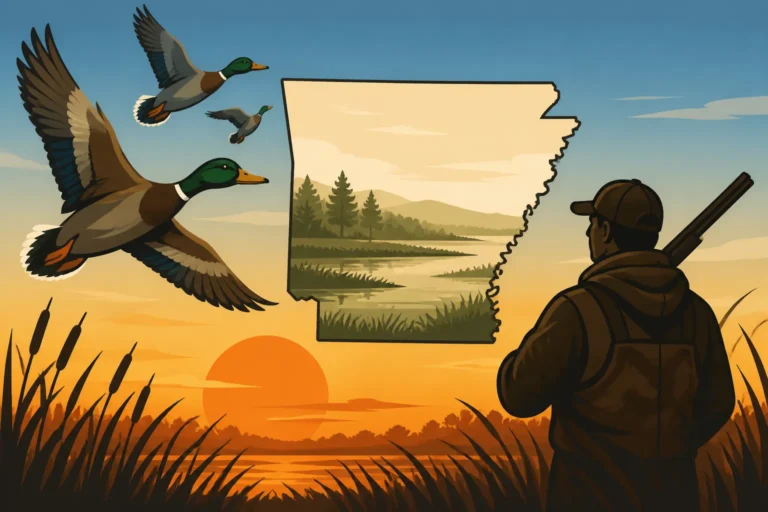
Duck migration timing into Arkansas depends on northern weather systems, food availability, and Mississippi Flyway habitat conditions.
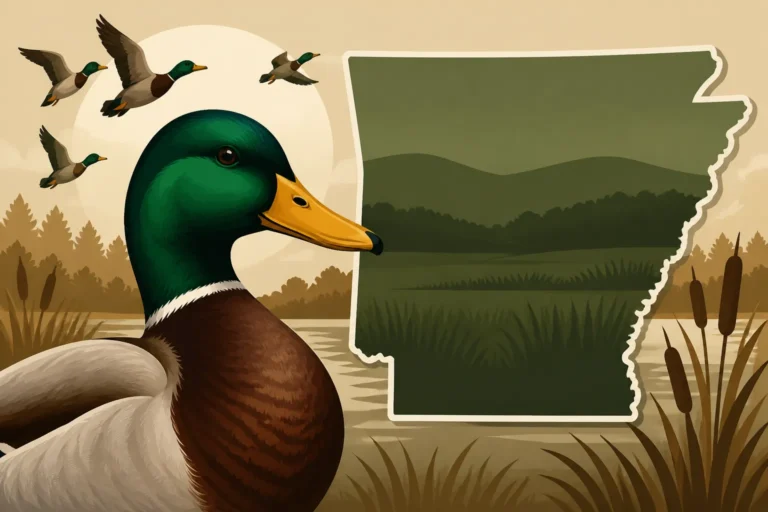
Arkansas mallard populations depend on northern breeding conditions, weather patterns, migration corridors, and local wetland management.
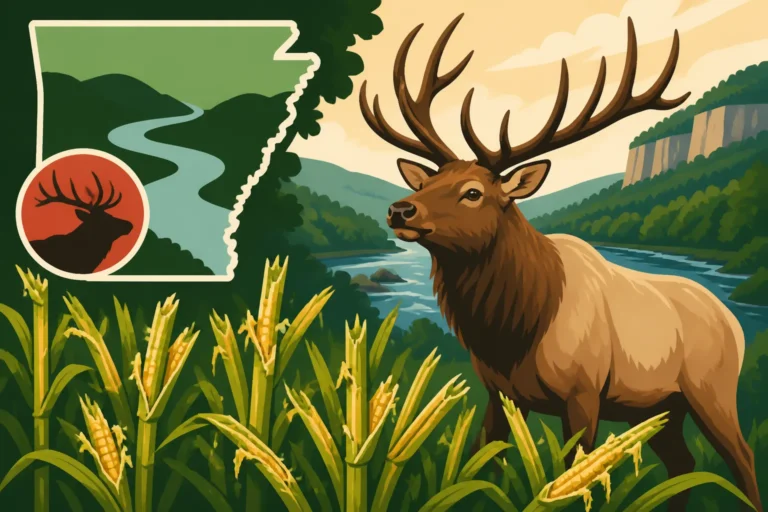
Elk crop damage along the Buffalo River causes severe financial loss and frustration for farmers struggling to protect their livelihoods.
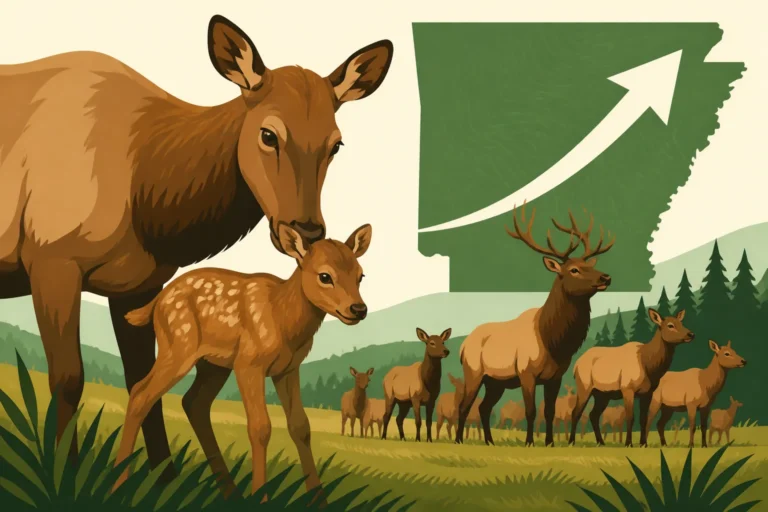
Arkansas elk calving along the Buffalo River occurs from late May to June, when green forage supports newborn calves and herd growth.

Boxley Valley elk viewing requires understanding seasonal herd behaviors, prime morning and evening times, and ideal locations along Highway 21.

The Arkansas elk range history, geography, habitat components, herd behavior, and viewing spots along the Buffalo River.
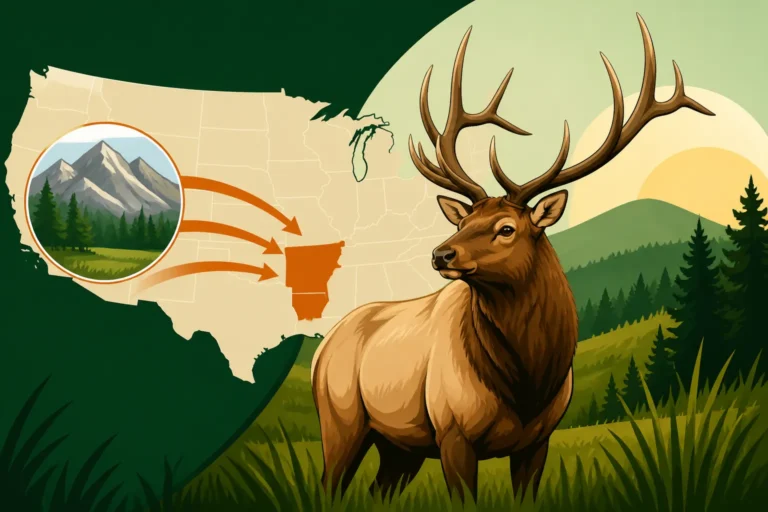
Arkansas elk reintroduction history explains how conservationists brought Rocky Mountain elk back to the Buffalo River area.
Arkansas elk reintroduction efforts brought wild Rocky Mountain elk back to the Ozarks after historical populations vanished.
Arkansas elk population estimates range from five hundred to six hundred animals managed by wildlife biologists in the Ozarks.
Arkansas black bears enter winter torpor in late November or early December, using Ozark rock and tree cavities to conserve energy.