Big Lake Refuge Hunting Rules
Hunting a federal refuge like Big Lake National Wildlife Refuge in Arkansas can feel like navigating a maze, even for seasoned outdoorsmen. You've got state regulations to contend with, and then the refuge layers on its own set of rules, which often differ significantly and can change without much fanfare. It's a common frustration to feel like you've done all your homework with the Arkansas Game and Fish Commission (AGFC) only to discover the federal rules throw a complete curveball. This guide is here to untangle that complexity, helping you understand the specific hunting rules at Big Lake Refuge so you can hunt confidently and legally.
Navigating Federal Lands: The Big Lake Refuge Conundrum
When you decide to hunt on a National Wildlife Refuge like Big Lake, you're stepping into a unique regulatory landscape. It's not just another piece of public land where state game laws are the sole authority. Federal refuges are managed by the U.S. Fish and Wildlife Service (USFWS) and operate under a dual system: all federal laws apply, and then, generally, state laws apply unless superseded by specific refuge regulations. This creates a situation where hunters need to be diligent in checking both sets of rules, and often, the refuge's specific guidelines are stricter or different from what you might expect from statewide Arkansas regulations.
The biggest hurdle for many hunters is finding these specific refuge rules. They're usually published as annual supplements to the main refuge regulations, often on the USFWS website or at the refuge office itself. It's not enough to just skim the AGFC digest and assume you're good to go. You really need to dig into the Big Lake-specific details. Overlooking a single detail, like allowed weapon types, hunting hours, or specific closed areas, can quickly turn a hopeful day afield into a citation or, worse, a confiscated harvest. This layering of rules is precisely why so many hunters find themselves scratching their heads, wondering if they've truly covered all their bases. It's a real test of patience and thoroughness before you even step foot in the woods or water.
Understanding the Dual Regulation System
The core of hunting any National Wildlife Refuge, including Big Lake, lies in understanding that you're operating under a two-tiered regulatory system. First and foremost, you must comply with all statewide Arkansas hunting regulations as set by the AGFC. This includes your license requirements, season dates, bag limits, and legal methods of take for various species. If the AGFC says you need a specific license for small game, you need it for Big Lake. If they dictate the statewide deer bag limit, that's your starting point. These state rules form the baseline, the foundation upon which everything else is built.
However, the federal government, through the USFWS, has the authority to enact additional regulations or restrictions that are more stringent than state law. These refuge-specific rules are designed to meet the particular conservation goals and management objectives of that individual refuge. For instance, while the state might allow hunting a certain species in a broad zone, the refuge might restrict that hunt to specific days, specific areas, or even ban it entirely within its boundaries. It’s crucial to remember that whenever a refuge rule differs from a state rule, the more restrictive rule generally applies. This means your research isn't complete until you've consulted both the current AGFC regulations and the Big Lake NWR specific hunting brochure or website.
Where to Find Big Lake's Specific Regulations
Tracking down the exact rules for Big Lake National Wildlife Refuge is the most critical step before planning any hunt. Unlike state-published digests that are widely available, refuge-specific regulations require a more targeted search. The primary source for official, up-to-date information will always be the refuge's official U.S. Fish and Wildlife Service website. You'll typically find a "Hunting" or "Recreation" section where they post an annual hunting and fishing brochure or fact sheet. This document will outline all the specific regulations that supersede or add to state law.
Beyond the website, it's highly advisable to contact the refuge office directly. A quick phone call can clarify any ambiguous points or confirm that you're looking at the most current information. Refuge staff are often invaluable resources, providing insights into access points, current conditions, and common misunderstandings hunters might have. It's also wise to check for physical kiosks or bulletin boards at refuge headquarters or common access points, as these are often updated with important notices, closures, or special instructions. Think of it as a mandatory pre-hunt scouting mission for regulations – you wouldn't head into the timber without knowing the lay of the land, and the same goes for the rules.
Big Lake Refuge's Specific Hunting Regulations
Big Lake National Wildlife Refuge, nestled in the northeast corner of Arkansas, is a true gem, especially for migratory birds and small game. However, its unique ecosystem and federal designation mean that hunting here comes with a distinct set of regulations beyond what you'd find on typical state hunting grounds or even other public lands like the Ouachita National Forest. The refuge's primary mission is wildlife conservation, and all hunting regulations are crafted with that in mind, often leading to more restrictive rules than statewide Arkansas norms.
For instance, while Arkansas generally has generous archery seasons for deer, Big Lake might limit deer hunting to specific short seasons or specific areas to minimize disturbance to waterfowl. Waterfowl hunting, a major draw, is also heavily regulated, often with specific blinds, draw systems, or restricted zones to manage pressure and ensure quality experiences while protecting resting areas. Small game hunters might find certain species off-limits or specific weapon restrictions that aren't present elsewhere. It’s a delicate balance the refuge strikes, aiming to provide hunting opportunities while safeguarding the critical habitat for the countless species that call Big Lake home throughout the year.
Allowed Species and Seasons
When it comes to hunting at Big Lake Refuge, the list of allowed species is generally limited compared to statewide opportunities, and the seasons are often compressed or altered. The refuge primarily offers opportunities for migratory waterfowl, small game, and occasionally deer. For waterfowl, expect specific federal seasons that align with the Mississippi Flyway, but often with stricter shooting hours or bag limits than statewide. Species like mallards, wood ducks, and various teal are commonly targeted, but specific rules might dictate when and where you can hunt them. Hunters should always consult the refuge's annual hunting brochure for the exact breakdown of species and dates, as these can vary slightly from year to year. Arkansas Waterfowl Seasons and Zones provides a great overview of state seasons, but remember to cross-reference with Big Lake's specific dates.
Small game hunting usually includes squirrels and rabbits, which are abundant in the refuge's timbered areas and brushy edges. Again, the seasons for these species on the refuge might not perfectly mirror the statewide dates. Squirrel hunting, for example, might have a later opening or earlier closing on Big Lake to reduce conflict with waterfowl season or protect sensitive breeding areas. Beagles are often used for rabbit hunting, but there might be specific rules regarding dog use on the refuge. For deer, Big Lake typically offers very limited opportunities, often restricted to archery or muzzleloader hunts, with specific zones and limited quotas. Antlerless deer tags might be issued to manage herd numbers, but these are often part of a special draw or limited entry system. The refuge prioritizes managing wildlife populations and habitat, so every hunting opportunity is carefully considered and regulated.
Permitted Weapons and Ammunition
The types of weapons and ammunition allowed at Big Lake National Wildlife Refuge are another area where federal regulations often impose stricter rules than statewide Arkansas law. For waterfowl, nontoxic shot is universally required, a federal mandate across all National Wildlife Refuges to protect wildlife from lead poisoning. This means no lead shot whatsoever for ducks and geese, regardless of what state law might permit on private lands. Hunters should plan to bring steel, bismuth, or other approved nontoxic alternatives. Nontoxic Shot Rules in Arkansas will give you the general state guidelines, but the refuge applies it universally for waterfowl.
For small game like squirrels and rabbits, rimfire rifles (.22 caliber or smaller), shotguns with lead shot (in areas where lead is allowed for upland game, always check refuge-specific rules), and archery equipment are typically permitted. Centerfire rifles are generally prohibited for small game, and often for deer as well, to enhance safety in high-use areas and minimize disturbance. Deer hunting, when permitted, is usually restricted to archery equipment (bows, crossbows) or muzzleloaders. Modern firearms for deer are very rarely, if ever, allowed on the refuge due to safety concerns and management objectives. Always verify the specific caliber, gauge, and shot size restrictions outlined in the annual refuge hunting brochure for each game species you intend to pursue.
Access, Blinds, and Dog Use
Accessing the hunting areas within Big Lake Refuge, as well as the rules around blinds and dog use, are tightly controlled to manage hunter pressure and minimize disturbance to wildlife. Much of the refuge is wetland, requiring boat access for waterfowl hunting. There are often designated boat ramps and specific motor restrictions, such as "no wake" zones or even limitations on motor size in certain areas. For waterfowl, some areas might operate on a draw system where hunters must apply for specific blinds or hunting zones, especially in popular green timber or open water areas. You won't just be able to set up a blind wherever you want. Permanent blinds are generally prohibited, and temporary blinds must be removed daily.
Dog use is another area with specific rules. While retriever breeds are essential for waterfowl hunting, and beagles are common for rabbit hunting, their use is often restricted to retrieving or actively hunting specific species. Running deer dogs, for example, is almost universally prohibited on federal refuges to prevent disturbance to other wildlife and ensure fair chase. All dogs must typically be under direct control at all times, and some areas might even have leashing requirements. Before bringing your canine companion, check the refuge's specific rules regarding dog breeds, leashing, and permitted activities. This attention to detail in access and methods ensures a managed, sustainable hunting experience for everyone.
| Category | Statewide Arkansas General Rules | Big Lake NWR Specific Rules (Typical) |
|---|---|---|
| Hunting Seasons | Broad and often long seasons for deer, small game, waterfowl. | Often shorter, restricted, or specific permit/draw seasons. |
| Allowed Species | Wide variety of game (deer, bear, turkey, waterfowl, small game). | Limited, primarily waterfowl, small game, very limited deer. |
| Waterfowl Shot | Nontoxic shot required only on specific WMAs/Refuges. | Nontoxic shot universally required for ALL waterfowl hunting. |
| Deer Weapons | Archery, Modern Gun, Muzzleloader, Alternative Firearms widely used. | Primarily archery and muzzleloader. Modern gun rare or prohibited. |
| Small Game Weapons | Rimfire rifles, shotguns (lead ok), archery. | Similar, but may have cal. limits, lead shot restrictions in some areas. |
| Hunting Hours | General legal shooting hours (e.g., 30 min before sunrise to sunset). | May have more restrictive hours, especially for waterfowl. |
| Access | Generally open on public lands; WMAs may have specific rules. | Designated access points, motor restrictions (e.g., "no wake"). |
| Blinds/Stands | Permanent stands/blinds often allowed for season on some public land. | Temporary blinds only, must be removed daily. No permanent structures. |
| Dog Use | Varies by species (retrievers, deer dogs, rabbit hounds). | Restricted to specific species (e.g., retrievers for waterfowl). No deer dogs. |
| Baiting | Generally prohibited for deer/turkey. | Strictly prohibited for all species. |
Essential Gear, Access, and Preparation for Big Lake
Hunting at Big Lake National Wildlife Refuge requires not only a thorough understanding of the regulations but also a strategic approach to gear, access, and overall preparation. The refuge is largely a wetland environment, which means your standard upland hunting boots might not cut it, and your typical public land scouting methods will need an adjustment. Being prepared for the unique conditions, having the right equipment, and knowing how to get into your desired hunting area legally and safely are just as important as knowing the specific rules for the species you're pursuing. Many hunters underestimate the challenges of navigating flooded timber or sloughs, only to find themselves soaked, lost, or unable to effectively reach their hunting spot.
It's a testament to the character of the Delta's hunting grounds that it demands respect and preparation. This isn't just a walk in the park; it's an immersion into a unique habitat that, while incredibly rewarding, can be unforgiving if you're not ready. From ensuring your boat is up to snuff for shallow water to having the right waders for hours spent standing in cold water, every piece of gear plays a role. Think through your entire day, from leaving the truck to returning, and consider what obstacles you might face.
Navigating the Wetland Environment
Big Lake National Wildlife Refuge is defined by its extensive wetlands, sloughs, and flooded timber, making navigation a key challenge, particularly for waterfowl hunters. Expect shallow water, cypress knees, and dense vegetation. A dependable shallow-draft boat or a john boat with an outboard motor or even a mud motor is often essential for reaching many of the prime hunting locations. Airboats are typically restricted due to their noise and potential to disturb wildlife. When considering Entry Routes Through Flooded Timber, remember that water levels can fluctuate significantly, so a route that was navigable one week might be too shallow or completely dry the next. Always bring a reliable map or GPS device, preferably with a waterproof case and extra batteries.
Waders are non-negotiable for most types of hunting at Big Lake, especially waterfowl. Chest waders with insulated boots are a must-have, as you'll likely be standing or walking in cold water for extended periods. Don't skimp on quality here; a leaky pair of waders can quickly ruin a hunt and create a safety hazard. Beyond personal gear, consider essentials for your boat: anchors, a paddle, a push pole for shallow spots, and a life vest for every occupant. The dynamic nature of the wetland means preparation for changing conditions is paramount, and being self-sufficient in the backcountry environment is critical for safety.
Recommended Gear and Supplies
Beyond the obvious hunting essentials, there's specific gear that will make your Big Lake experience safer and more enjoyable. For waterfowl, a good set of decoys appropriate for timber or open water is crucial. Decoy weights, lines, and a sturdy decoy bag will help manage your spread. Calls, of course, are a given, but practice them before you go. For small game, a comfortable vest with plenty of pockets for shells and game is a boon. Insect repellent, particularly later in the season or during warmer spells, is a must-have. Sunscreen and appropriate headwear are also vital, even on cloudy days, as glare off the water can be intense.
Beyond hunting-specific items, consider general outdoor survival and comfort gear. A first-aid kit, whistle, flashlight or headlamp (with extra batteries), knife, and a small survival kit are always wise additions to your pack. Pack plenty of water and snacks, as services are limited, and you'll be expending a lot of energy. Dress in layers to adapt to changing temperatures, which can swing wildly in the Delta. Finally, having a way to keep your phone or other electronics charged and dry is incredibly important, not just for communication but also for using digital mapping tools like onX Hunt, which can be invaluable for pinpointing your location, identifying refuge boundaries, and navigating back to your access point.
Scouting and Pre-Season Planning
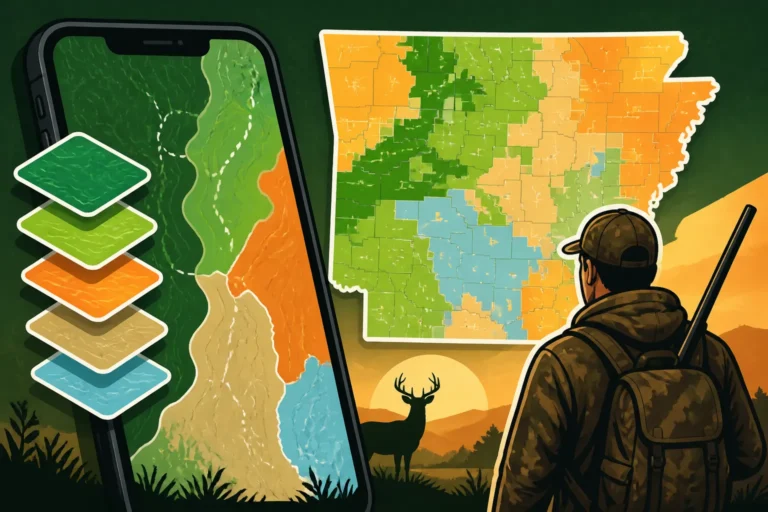
Effective scouting and pre-season planning are critical for a successful hunt at Big Lake. Unlike some public lands where you might rely heavily on trail cameras, Big Lake's regulations on cameras can be strict or even prohibitive. Instead, focus on maps and on-the-ground reconnaissance. Using mapping apps like onX Hunt can be incredibly helpful for identifying refuge boundaries, understanding the surrounding private land, and marking potential hunting spots or access routes. These apps often have layers that show public land ownership, which can be invaluable in federal refuge settings where the rules can change right at the property line. Using the AGFC Map App Offline is also a good skill to develop for any Arkansas public land hunt.
Pre-season visits, if permitted and practical, are the best way to understand current water levels, identify game sign, and locate natural travel corridors or feeding areas. Look for concentrations of waterfowl, squirrel cuttings, or rabbit habitat. Pay attention to changes in vegetation, as this can indicate food sources or bedding areas. If physical scouting isn't feasible, spend time poring over aerial photographs and topographical maps. Look for changes in elevation that might hold water differently, timber types that offer specific food sources, or pinch points that funnel game. Planning your entry and exit routes carefully, especially in the dark, is also essential for safety and minimizing disturbance.
Making the Most of Your Hunt at Big Lake Refuge
Hunting at Big Lake National Wildlife Refuge isn't just about following the rules; it's about embracing the unique challenge and beauty of the environment. It can be a demanding place, with its shallow waters and dense timber, but it also offers some incredibly rewarding experiences. To truly make the most of your time on the refuge, you need to blend your regulatory knowledge with sound hunting strategies and an understanding of the local conditions. Patience, adaptability, and a deep respect for the wildlife and the rules are your best assets here.
One common frustration for hunters on popular public lands, especially federal refuges, is dealing with other hunters. Managing expectations and finding ways to coexist or even avoid crowded areas can significantly impact your experience. Furthermore, ethical behavior, both in terms of rule adherence and responsible hunting practices, ensures the resource remains viable for future generations. It’s a collective responsibility that every hunter shares when they step onto these special lands.
Employing Effective Hunting Tactics
Once you've done your homework on regulations and prepared your gear, it's time to think about tactics specific to Big Lake's environment. For waterfowl, understanding how ducks use flooded timber or open water is paramount. Decoy spreads might be smaller and tighter in the timber, focusing on creating realistic movement with jerk cords or spinning-wing decoys (where permitted). Calling techniques often differ between the tight confines of the timber and the expansive open water. Calling Ducks in Tight Arkansas Timber is a skill worth honing. Pay attention to wind direction, as ducks will almost always land into the wind, and position your blind accordingly. Identifying potential roosting areas and feeding zones through pre-season scouting will give you a significant advantage.
For small game, still-hunting through the timber or focusing on brushy edges can be highly productive for squirrels and rabbits. Look for active feed trees like oaks and hickories for squirrels. For rabbits, focus on thickets and brush piles, especially after a frost when cover thins. A slow, methodical approach, pausing frequently to listen and scan, is often more effective than crashing through the woods. Understanding the habits of these species in a wetland environment will give you an edge, as their movements and preferred habitats can differ from more upland settings.
Respecting Other Hunters and the Refuge
Hunting on public lands, especially federal refuges like Big Lake, means you'll likely encounter other hunters. Maintaining a positive and respectful attitude is crucial for everyone's enjoyment and safety. This means being mindful of your noise levels, especially during early morning waterfowl hunts, and giving other hunters ample space. If you arrive at an area and see another party already set up, move on and find another spot. Communication, even a friendly wave or quick chat, can go a long way in avoiding conflicts. Opening Weekend Crowds on Arkansas WMAs discusses strategies for managing pressure, and many of those apply to Big Lake as well.
Beyond fellow hunters, always show the utmost respect for the refuge environment. Pack out everything you pack in, including spent shell casings. Avoid unnecessary disturbance to wildlife outside of hunting hours or designated hunting areas. Report any observed violations to refuge staff. Remember, these lands are managed for the benefit of all wildlife and public enjoyment, and every hunter plays a role in their preservation. Your ethical conduct reflects on the entire hunting community and helps ensure that opportunities at Big Lake continue for generations to come.
Post-Hunt Procedures and Checking
After a successful hunt at Big Lake National Wildlife Refuge, there are still important procedures to follow, primarily related to game checking and transport. All harvested game must be immediately tagged and checked according to AGFC regulations. This often involves using the AGFC app or website to telecheck your harvest, providing details about the species, date, and location of the kill. Make sure you understand Arkansas Deer Checking and Tagging or similar requirements for other species you pursue.
When transporting game, especially migratory birds like ducks and geese, be aware of specific federal regulations. Wings or a fully feathered head must often remain attached to waterfowl until they reach your home or a processing facility to aid in species identification by law enforcement. This is a common federal rule that many state hunters might not be accustomed to. For deer, ensure you follow all carcass transport rules, especially if you're traveling across state lines or through Chronic Wasting Disease (CWD) management zones. Taking care of your harvest promptly and properly also helps preserve the quality of the meat.
Disclaimer
This article is for general informational purposes only and does not constitute professional advice. Laws, prices and regulations vary by location and change over time. Consult a qualified professional for guidance on your specific situation.