How Many WMAs Arkansas Manages
Finding quality hunting land in Arkansas can sometimes feel like trying to locate a needle in a haystack, especially for those of us who don't have access to private property or expensive leases. The good news is, our state offers an incredible network of public hunting opportunities through its Wildlife Management Areas (WMAs). This guide will help you understand just how vast this system is, why it's so important, and how you can make the most of these invaluable resources.
The Breadth and Purpose of Arkansas's WMAs
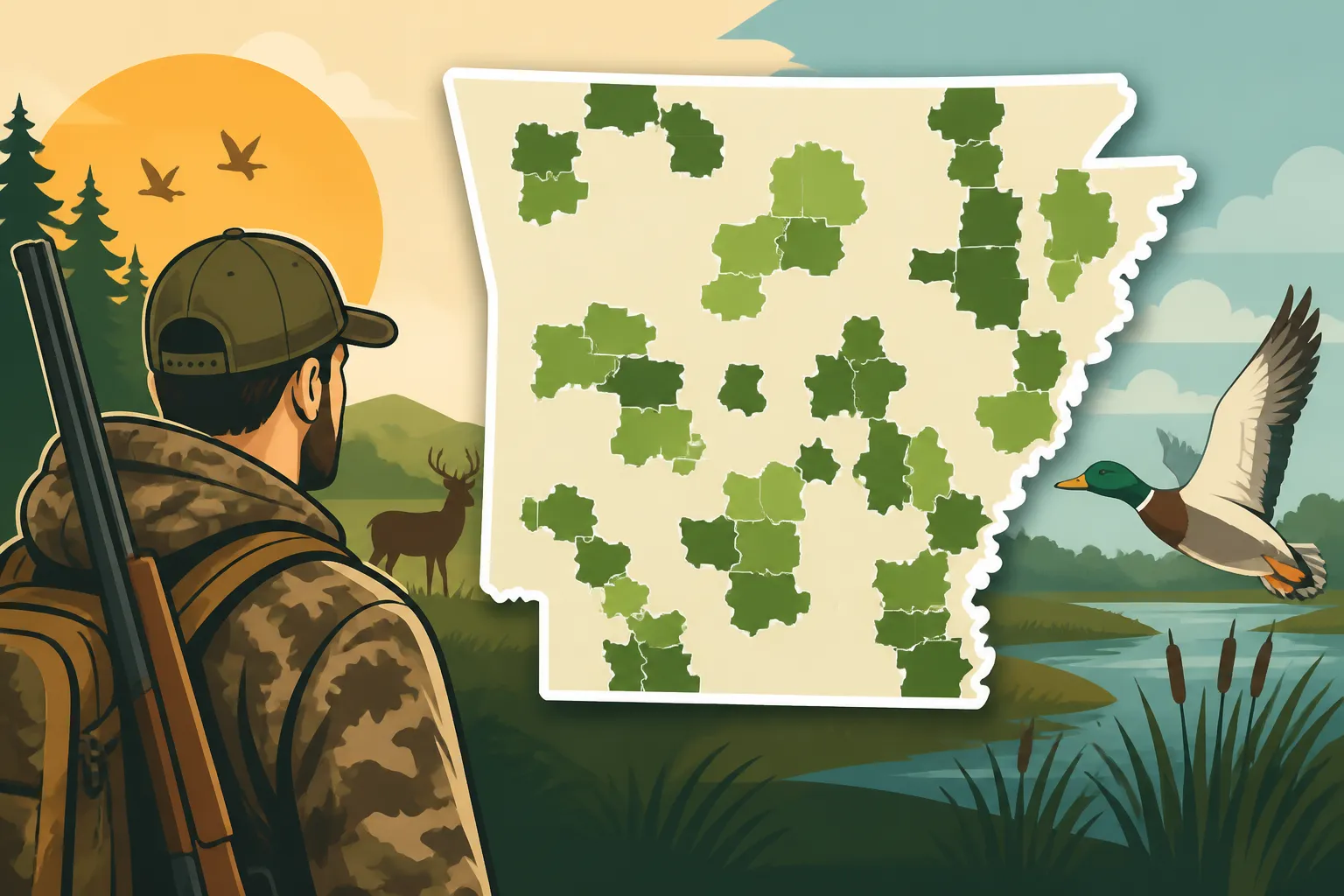
When you think about public land in Arkansas, the sheer scale of it can be a little overwhelming, but in the best possible way. The Arkansas Game and Fish Commission (AGFC) manages a truly impressive number of Wildlife Management Areas across the state. While the exact count can fluctuate slightly with acquisitions or boundary changes, you're looking at well over 100 distinct WMAs and associated public lands that provide diverse hunting opportunities. This isn't just a handful of spots; it's a monumental effort to conserve wildlife and provide access for hunters and outdoor enthusiasts.
What Exactly is a WMA, Anyway?
A Wildlife Management Area, or WMA, is essentially a piece of land specifically designated and managed by the AGFC for wildlife conservation, recreation, and public hunting. Think of them as dedicated havens where wildlife thrives, and where hunters, anglers, birdwatchers, and hikers can all enjoy the natural beauty and bounty of Arkansas. These aren't just wild, untamed forests, although some parts certainly fit that description. Many WMAs are actively managed through timber harvests, prescribed burns, food plot plantings, and water level manipulation to create optimal habitat for various game species. This intensive management is what makes them so productive for hunting.
They can range dramatically in size, from smaller, intensively managed tracts to sprawling landscapes covering tens of thousands of acres. What they all share is a common goal: to sustain robust wildlife populations and provide equitable access for the public. It's a huge undertaking, involving countless hours from biologists, foresters, and game wardens. Understanding Arkansas WMA Rules and Permits is crucial before heading out.
Why So Many WMAs? The Hunter's Lifeline
The reason Arkansas manages so many WMAs boils down to a fundamental principle: giving everyone a fair shot at experiencing our rich hunting heritage. Arkansas has a long and proud tradition of hunting, but with increasing land privatization and rising lease costs, public access becomes more critical than ever. Without WMAs, many hunters, particularly those just starting out or those with limited financial resources, would find themselves largely shut out of the sport.
These WMAs act as a crucial safety net and opportunity provider. They distribute hunting pressure across the state, ensuring that specific areas aren't overhunted and that wildlife populations remain healthy. They also provide a tremendous diversity of habitat, supporting everything from waterfowl in the Delta to deer and turkey in the rugged Ozarks. For many of us, a WMA is where we learned to hunt, where we took our first deer, or where we made memories that last a lifetime. It’s truly the backbone of hunting in our state, offering accessible opportunities that might otherwise be out of reach. If you're wondering how to find them, knowing How Many Acres Arkansas WMAs Cover might give you a sense of the scale involved.
Navigating the Diverse Landscape of Arkansas WMAs
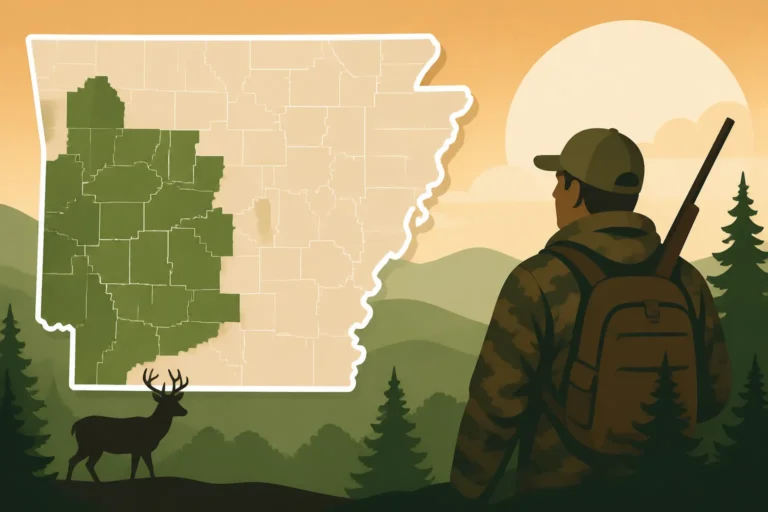
With so many WMAs scattered across Arkansas, you might be picturing a homogenous block of public land, but nothing could be further from the truth. The beauty of Arkansas's WMA system is its incredible diversity, mirroring the state's varied geography. From the cypress-filled sloughs of the Delta to the steep, rocky slopes of the Ouachita Mountains, there's a WMA designed for nearly every type of hunter and game species.
From Delta Timber to Ozark Ridges: A WMA for Every Hunter
Let's break down some of the major geographical differences you'll encounter.
Delta WMAs: In the flat, fertile eastern part of the state, WMAs like Bayou Meto, Dave Donaldson Black River, and Rex Hancock Black Swamp are synonymous with incredible duck hunting. These areas are often characterized by vast expanses of flooded timber, cypress swamps, and agricultural fields. Management here often focuses on water control, green tree reservoir systems, and moist-soil unit development to attract migrating waterfowl. But don't let the ducks overshadow the deer here; the Delta also holds some of the state's biggest bucks, often found in thick cover adjacent to agricultural fields. For deer hunters, understanding Where Delta Bucks Bed in Standing Water can be key to success.
Ozark and Ouachita WMAs: Shift gears dramatically as you move into the northern and western parts of Arkansas. Here, WMAs are typically characterized by rugged, mountainous terrain, dense hardwood forests, and pine plantations. Areas within the Ozark National Forest, like White Rock WMA or Sylamore WMA, offer challenging but rewarding hunting for deer and turkey. The Ouachita National Forest and its associated WMAs, such as Caney Creek Wilderness, are known for their steep elevation changes, extensive timber, and even bear populations. Hunting these areas requires different tactics, like Hunting Ozark Ridges and Hollows for Deer or adapting to the Wind and Thermals in Ouachita Hollows.
River Valley and Gulf Coastal Plain WMAs: In between these two extremes, you'll find WMAs along major river systems, in the Arkansas River Valley, and stretching into the Gulf Coastal Plain of South Arkansas. These areas might combine elements of both, with bottomland hardwoods, pine uplands, and agricultural interfaces. They offer diverse opportunities for deer, turkey, small game, and even some waterfowl. Each WMA is unique, offering a glimpse into the local ecosystem.
General Use vs. Special Permit WMAs: Knowing the Rules
Not all WMAs are created equal when it comes to access. While many WMAs are "general use," meaning you can hunt them with your standard licenses and stamps, others have specific permit requirements or special regulations you need to be aware of.
- General Use WMAs: These are your most accessible public lands. With your valid Arkansas hunting license, relevant tags, and potentially a WMA General Use Permit (which is often just a simple purchase), you can usually walk in and hunt during open seasons. You'll still need to follow statewide regulations for species, bag limits, and legal weapons, but these areas don't typically have quota hunts or application processes.
- Special Permit WMAs/Draw Hunts: Some of the most popular WMAs, especially for waterfowl, implement draw systems or require special permits due to high demand or sensitive habitat. Places like Bayou Meto WMA for duck hunting often utilize morning draws for specific blind sites or require an application months in advance. Similarly, some WMAs might have special deer hunts, often for youth, archery-only, or antlerless deer, that require an application and selection process. It's critical to check the AGFC regulations each year for the WMAs you plan to hunt to avoid any surprises. You can learn more about Arkansas WMA Permits and Draw Hunts to prepare.
Tools for Exploring These Public Gems
Navigating these WMAs can be a challenge, even for seasoned hunters. Gone are the days of relying solely on paper maps, though a good topo map is still invaluable. Modern technology has really changed the game for public land hunters.
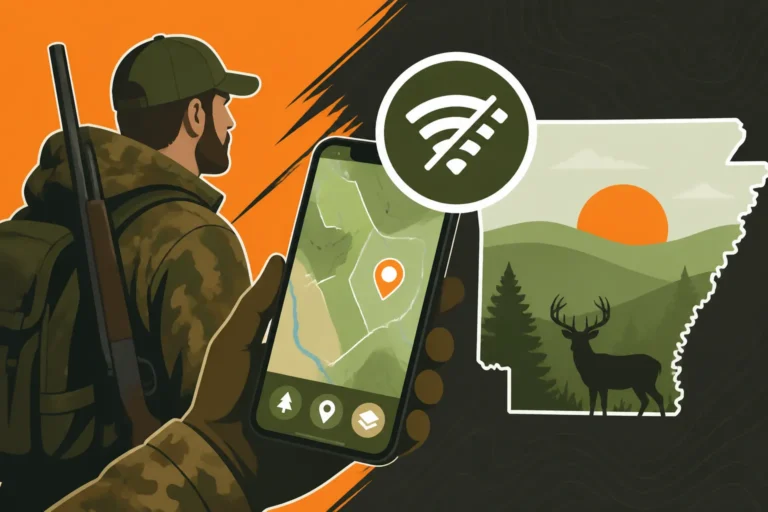
Mapping applications are your best friend here. Tools like onX Hunt are incredibly popular for a reason: they overlay public and private land boundaries directly onto detailed satellite imagery and topographic maps. This means you can see exactly where WMA boundaries lie, identify potential access points, pinpoint bedding areas, and understand the terrain before you ever set foot on the ground. You can even save maps offline, which is a lifesaver when you're deep in the woods with no cell service. Checking onX Layers for Arkansas Land Status can give you a huge advantage. Another valuable resource is GoHunt, which while often associated with Western big game, also provides excellent tools for detailed scouting and planning, helping you apply a systematic approach to understanding any public land area, including Arkansas WMAs. These digital aids can help you identify Hunting Arkansas Cutovers and Clearcuts or find subtle transitions that deer might use.
| WMA Type | Primary Habitat | Primary Game Opportunities | Management Focus |
|---|---|---|---|
| Delta WMAs | Flooded timber, cypress swamps, agricultural | Ducks, geese, white-tailed deer, feral hogs | Water control, habitat restoration |
| Ozark WMAs | Steep hardwoods, pine forests, rocky terrain | White-tailed deer, wild turkey, black bear | Timber management, prescribed burns |
| Ouachita WMAs | Pine plantations, mixed hardwoods, mountain | White-tailed deer, black bear, wild turkey | Forest health, population management |
| River Valley WMAs | Riparian zones, agricultural, mixed forests | White-tailed deer, turkey, small game, waterfowl | Habitat diversity, public access |
Making the Most of Your WMA Experience
Hunting on a WMA, while incredibly rewarding, often comes with its own set of challenges that private land hunters might not face. Increased pressure, diverse terrain, and specific regulations all play a role. However, with the right approach and a bit of preparation, WMAs can offer some of the most exciting and authentic hunting experiences Arkansas has to offer.
Understanding WMA Regulations and Seasonal Changes
This is perhaps the most critical piece of advice for any WMA hunter: read the regulations! Every year, the AGFC publishes detailed regulations booklets, and it’s not enough to just skim them. WMAs often have specific rules that supersede statewide regulations. These might include:
- Weapon Restrictions: Some WMAs might be archery-only, muzzleloader-only, or have specific restrictions on centerfire rifles during certain seasons.
- Season Dates and Bag Limits: While generally following statewide seasons, some WMAs might open later, close earlier, or have different antler point restrictions or antlerless deer limits.
- Vehicle and ATV Use: Access can be restricted to foot traffic or specific roads. Using an ATV on trails not designated for them can lead to serious fines.
- Stand and Blind Rules: Many WMAs have regulations on what kind of stands you can use (e.g., no permanent stands), when they can be put up, and whether they need to be removed daily or at the end of the season.
- Baiting and Feeding: Most public lands prohibit baiting or the use of food plots not established by the AGFC, especially within Arkansas CWD Management Zone Rules.
These rules are in place for a reason – to manage wildlife, reduce conflict, and ensure fair chase. Take the time to digest the specific regulations for the WMA you plan to hunt. A quick visit to the AGFC website or picking up a physical copy of the regulations booklet at a local sporting goods store is a must. Remember, ignorance of the law is no excuse!
Scouting Smart on Public Land
Successful WMA hunting often hinges on effective scouting, which really needs to happen year-round. Don't wait until opening day to find your spot.
- Off-Season Exploration: Get out in the spring and summer. Walk those ridges, find those creek bottoms, and identify potential bedding and feeding areas. Look for old rub lines, scrapes, and turkey sign. This also helps you understand the topography and identify potential entry and exit routes. Checking Shed Hunting on Arkansas Public Land can be a great excuse to get out there in the late winter.
- Digital Tools First: Before you even leave the house, use your mapping apps like onX Hunt. Look for pinch points, funnels, water sources, and changes in timber type that might concentrate game. Identify areas that are harder to access, as these often hold less pressured animals. You can use these tools to identify good ambush points for Still-Hunting Arkansas Pine Country or for a perfect Treestand Setups in Delta Hardwoods.
- Focus on Overlooked Areas: Many hunters stick close to parking areas or well-worn trails. To find less pressured animals, be willing to walk further, navigate thicker cover, or hunt areas with slightly more challenging access. Sometimes, just a quarter-mile deeper into the woods can make all the difference. Finding Ground Others Walk Past is a true skill on WMAs.
- Scouting for Specific Game: If you're hunting deer, look for white oak stands with fresh acorn drops, especially in the fall. For turkeys, focus on areas with open woods and dusting bowls. Waterfowl scouting on WMAs is all about observing flight patterns and identifying where birds want to be, often correlating with water levels and available forage.
Respecting the Resource and Fellow Hunters
Hunting on public land is a shared experience, and practicing good etiquette is essential for everyone's enjoyment and for maintaining positive relationships among hunters.
- Be Mindful of Others: Understand that you're not alone. If you see another hunter's vehicle, try to give them space. Don't set up right on top of someone else, and avoid walking through areas where you know others are hunting.
- Leave No Trace: Pack out everything you pack in. This includes spent shells, food wrappers, and anything else you brought with you. We're all custodians of these lands, and keeping them clean is everyone's responsibility.
- Safety First: Always follow all firearm safety rules. Be absolutely certain of your target and what's beyond it. Wear hunter orange when required. Arkansas Hunter Orange Requirements are in place for good reason.
- Ethical Hunting: Adhere to all game laws, including bag limits and legal shooting hours. Make ethical shots and do your best to recover any animal you hit. This ensures the integrity of the sport and respects the animals we pursue.
- Communicate: Sometimes, a friendly wave or a brief, polite conversation with another hunter can prevent conflicts and even lead to shared information. Most hunters on public land are good people just trying to enjoy their time outdoors.
Navigating the vast and varied world of Arkansas WMAs is a journey in itself, but one that promises rich rewards for those willing to put in the effort. These lands are a public trust, and by understanding them, respecting them, and learning how to hunt them effectively, we ensure they remain a vibrant part of Arkansas's hunting future for generations to come.
Disclaimer
This article is for general informational purposes only and does not constitute professional advice. Laws, prices and regulations vary by location and change over time. Consult a qualified professional for guidance on your specific situation.