Arkansas WMA Duck Hunt Draws
Arkansas Game and Fish Commission duck hunt draws determine permit access for public wildlife management areas and blind locations.
Close the distance.
Archery, muzzleloader, and firearm techniques — calling, stand placement, still-hunting, spot-and-stalk, and the weapon rules that change at the state line.
Arkansas Game and Fish Commission duck hunt draws determine permit access for public wildlife management areas and blind locations.
Arkansas Delta specklebelly and snow goose hunting strategies explain behavior, migration timing, decoy spreads, concealment, and field scouting.
Arkansas reservoir duck hunting requires mastering big water strategies, scouting key topographical features, and deploying effective open water decoy spreads.
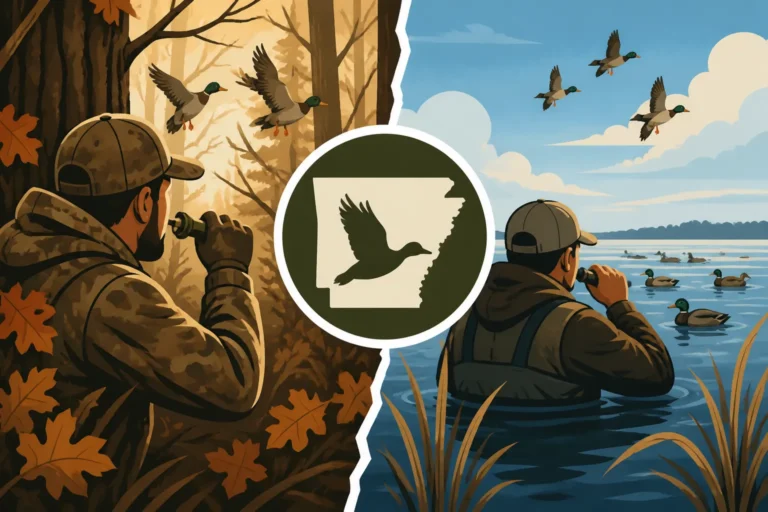
Duck calling techniques differ between flooded timber and open water, requiring hunters to adjust volume for close or distant birds.
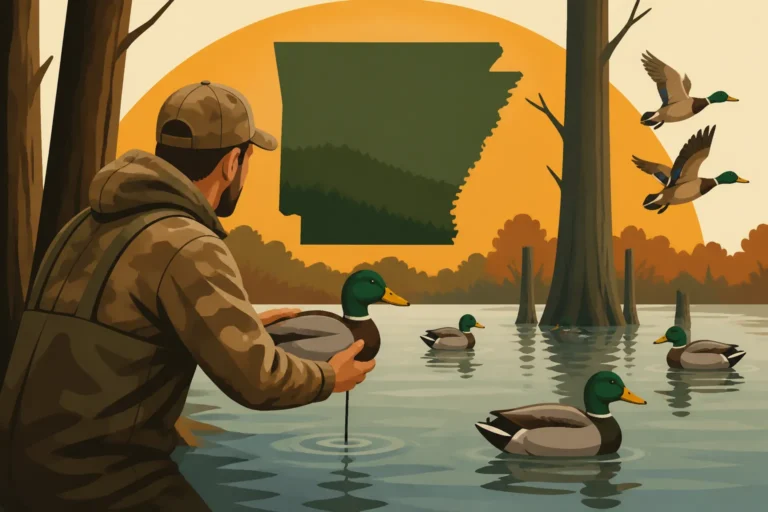
Flooded timber duck hunting strategies explain decoy placement, J-hook spreads, motion devices, and water level adjustments.
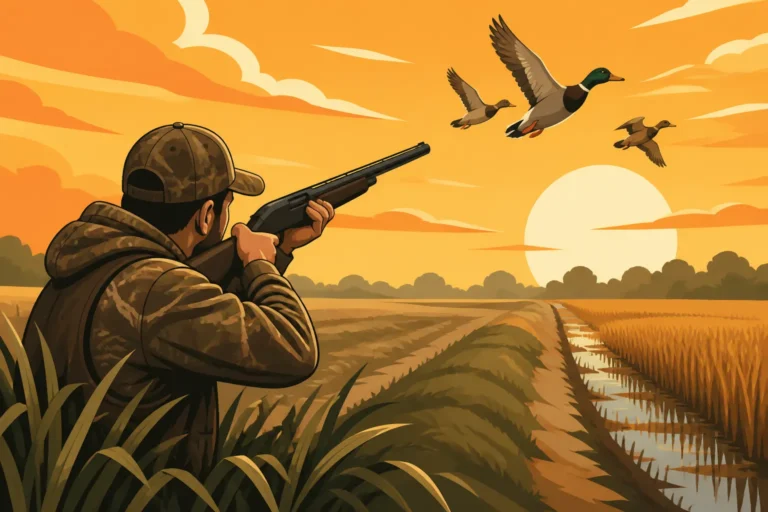
Arkansas rice fields and levees offer waterfowlers premier duck and goose hunting opportunities through strategic scouting and blind placement.
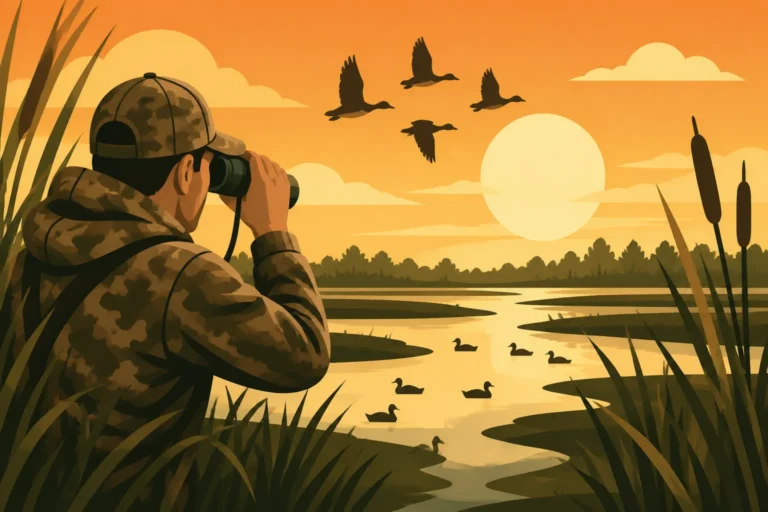
Arkansas Delta duck hunters learn how water levels, rivers, and seasonal changes dictate waterfowl movements and spot locations.

Arkansas flooded green timber duck hunting requires scouting oak trees, monitoring water depths, and using subtle decoy spreads.
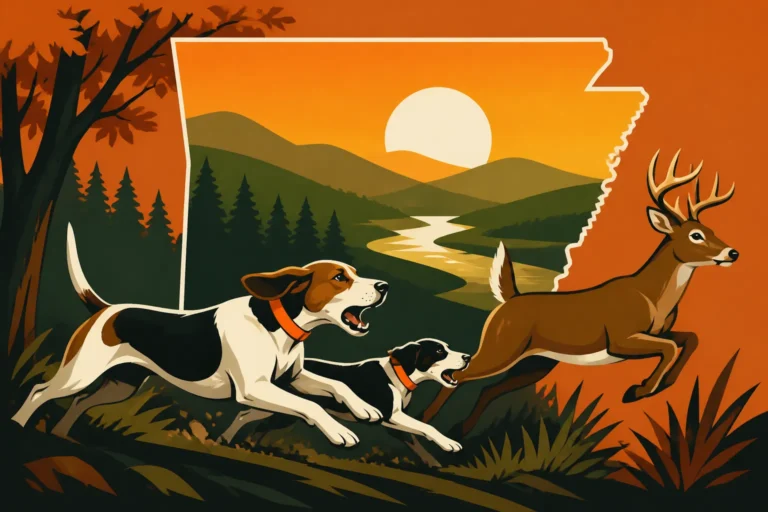
Arkansas hunting regulations detail legal zones, canine training basics, tracking collars, and safety rules for running deer dogs.
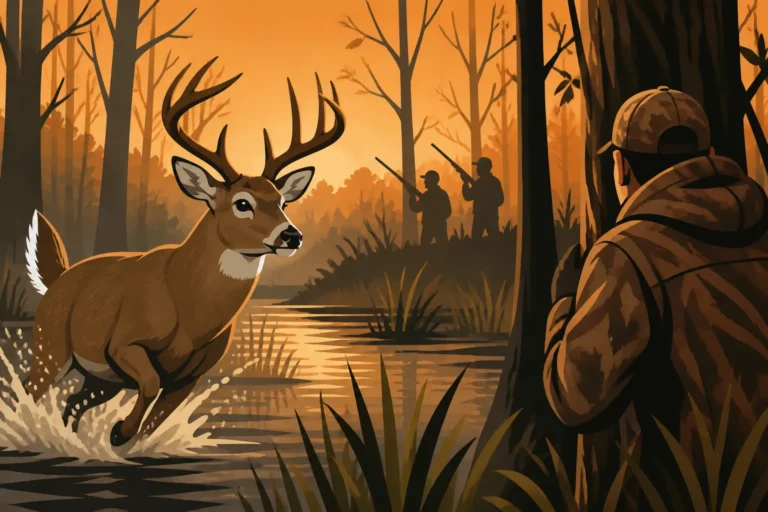
Arkansas bottomland deer drives require planning, clear communication, assigned roles, and safety rules to push whitetails.