Handling Bear Meat Safely
Proper bear meat handling ensures safety by preventing parasites and spoilage through rapid cooling, proper butchering, and thorough cooking.
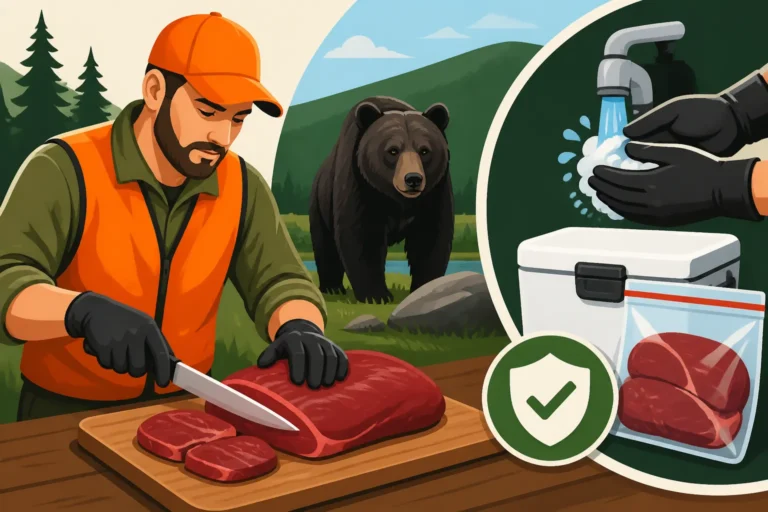
Proper bear meat handling ensures safety by preventing parasites and spoilage through rapid cooling, proper butchering, and thorough cooking.
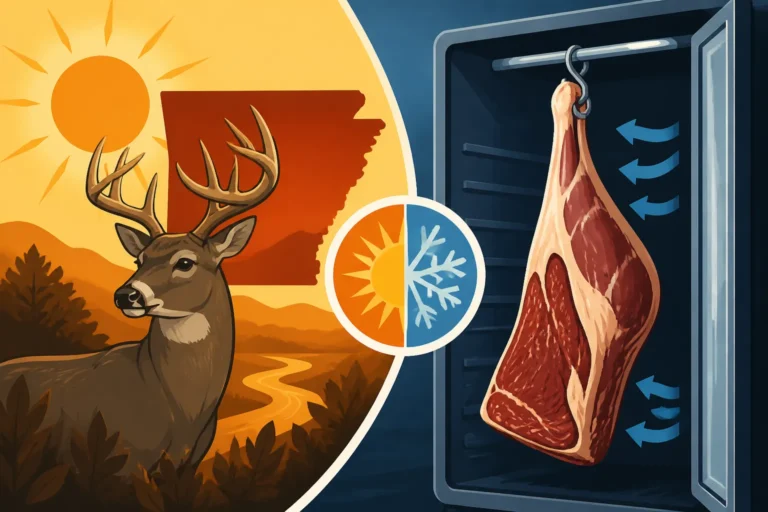
Aging Arkansas venison in warm weather requires immediate skinning, quartering, and packing with ice to prevent meat spoilage.
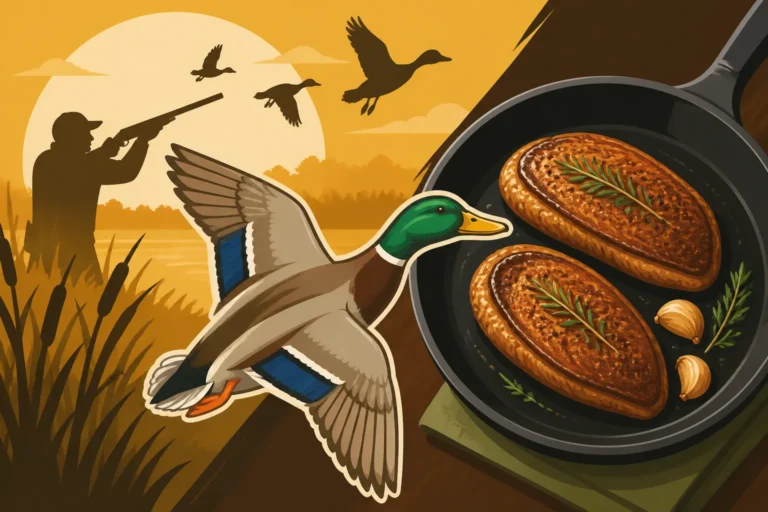
Wild Delta mallard preparation requires rapid field dressing, careful brining, and quick pan-searing to a medium-rare doneness.

Wild game meat preparation in Arkansas involves proper cooling, aging, and cooking methods for venison, waterfowl, and small game.
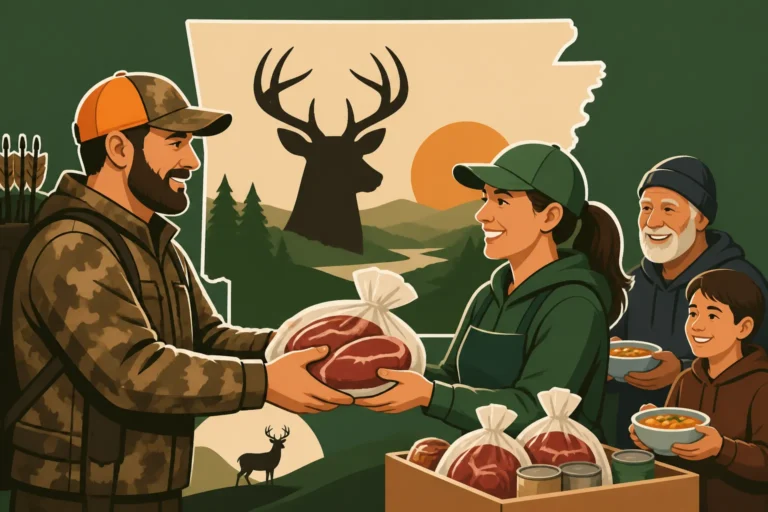
Arkansas hunters can donate harvested deer to local food banks through programs covering processing costs for families in need.
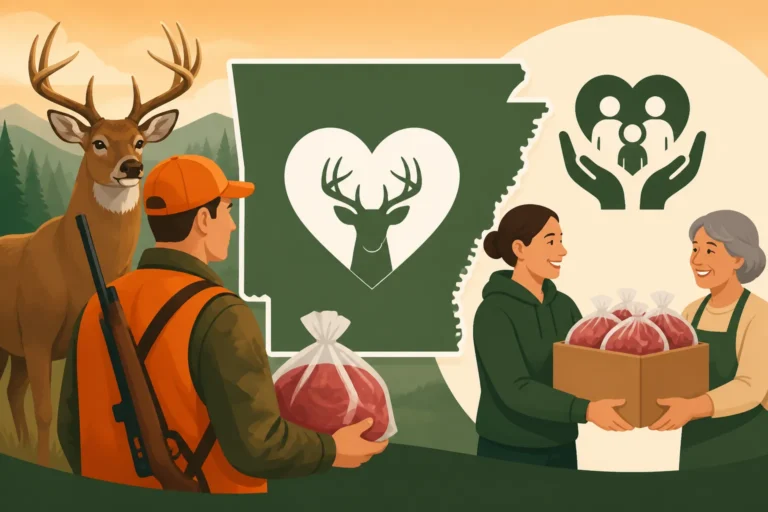
Arkansas deer meat donation programs help hunters provide nutritious venison to families facing food insecurity across the state.
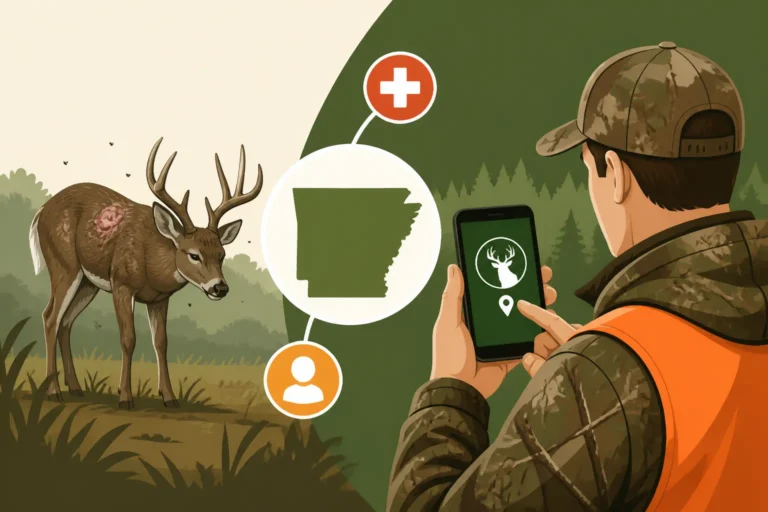
Public wildlife reporting allows Arkansas authorities to track animal diseases and protect populations through citizen observation data.
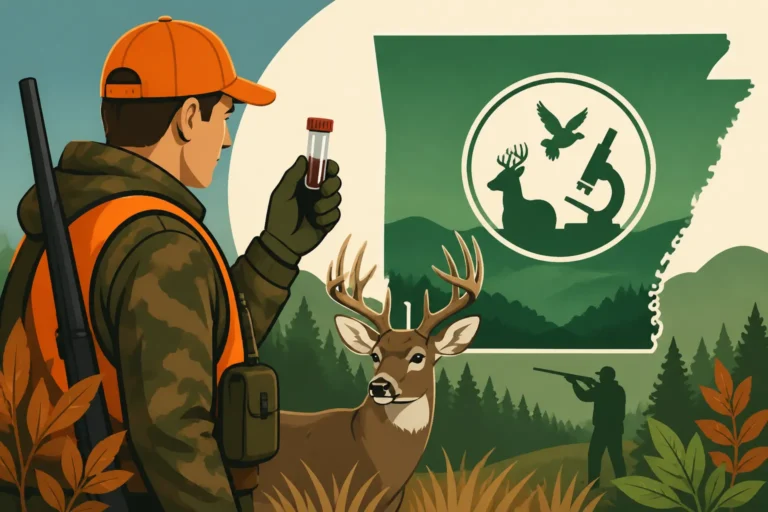
Arkansas wildlife monitoring tracks deer and elk diseases, helping hunters protect herds and ensure safe meat consumption.
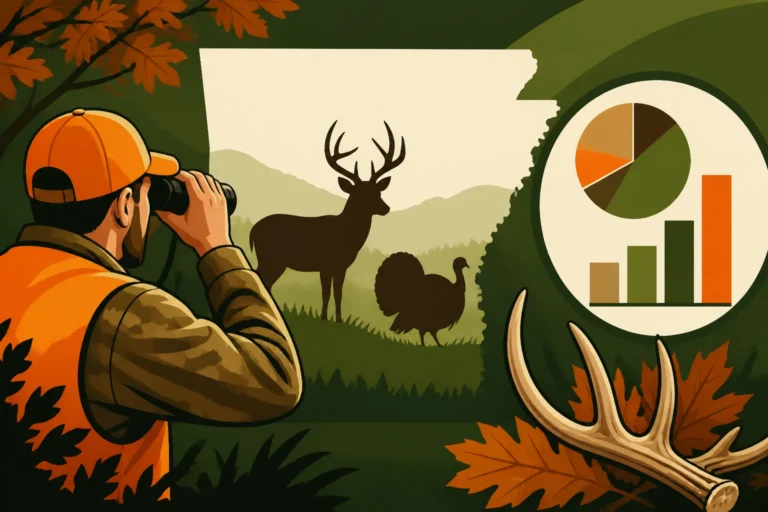
Arkansas harvest reports help hunters interpret game data, evaluate population health, and plan effective strategies across counties.

The Arkansas Bowhunter Observation Survey collects real-time deer and wildlife data from hunters to help manage state populations.