Running Deer Dogs on Arkansas Public Land
It's no secret that running deer dogs in Arkansas is a time-honored tradition, a true passion for many. But let's be honest, trying to figure out where you can actually run those dogs on public land can feel like trying to solve a Rubik's Cube blindfolded, especially with all the nuances and specific regulations. This guide is here to demystify the process, walking you through the ins and outs of legally and effectively running your deer dogs on Arkansas's public lands, ensuring a safe and successful hunt for everyone involved.
Navigating the Rules: Running Deer Dogs on Arkansas Public Land
The heart of successful deer dog hunting on public land in Arkansas lies in understanding and meticulously adhering to the Arkansas Game and Fish Commission (AGFC) regulations. These aren't just suggestions; they're the framework that ensures the tradition can continue while managing wildlife and minimizing conflicts. It's easy to get frustrated by the seemingly endless list of rules, but remember, they're in place for a reason – to balance the interests of all hunters and protect the resource.
Understanding AGFC Regulations and Deer Zones
Arkansas's deer hunting regulations are a complex tapestry, and dog hunting adds another layer. First and foremost, you need to understand that not all deer zones allow dog hunting, and even in zones where it's permitted, specific dates and areas might still be restricted. The AGFC divides the state into numerous deer zones, each with its own specific season dates, bag limits, and method-of-take regulations. While the general state-wide archery and modern gun seasons are widely known, the dog hunting seasons are far more granular and often tied to specific zones. For example, some Delta zones have a robust tradition of running deer dogs, with specific season dates that differ significantly from, say, the Ouachita or Ozark regions. It’s absolutely critical to consult the most current AGFC hunting guide every single year because these rules can change based on deer population dynamics, public feedback, and other management considerations. Skipping this step is like trying to navigate a minefield without a map. A great starting point is always the general AGFC guide for hunting deer with dogs in Arkansas, which outlines the broad strokes before you dive into zone specifics.
WMA-Specific Rules and Permit Requirements
Beyond the general state regulations, Wildlife Management Areas (WMAs) in Arkansas often have their own, even more stringent, rules regarding dog hunting. This is where many hunters trip up, assuming that if dog hunting is allowed in a particular deer zone, it's automatically fair game on any WMA within that zone. This is a common misconception that can lead to fines and lost hunting privileges. Many WMAs, especially those managed for specific wildlife objectives or those that experience heavy public pressure, explicitly prohibit deer dog hunting. Others might allow it only during very specific, limited seasons or within designated zones on the WMA itself. For instance, a WMA might have an archery-only season that runs for months, but only a two-week window for dog hunting. Furthermore, many WMAs require a WMA permit in addition to your regular hunting license and deer tag. These permits are crucial for managing hunter numbers and funding conservation efforts. You must always check the individual WMA regulations for the specific WMA you plan to hunt. The AGFC website and their "Using the AGFC Map Tool" are indispensable resources for this, often providing downloadable maps and detailed rule breakdowns for each WMA. Never rely on hearsay or what was allowed last year; verify directly.
Scouting and Strategy: Making the Most of Public Ground
Running deer dogs on public land isn't just about turning the dogs loose and hoping for the best. It requires meticulous pre-season scouting, a deep understanding of the terrain, and a well-thought-out strategy. Public lands often present unique challenges, such as higher hunter pressure and varied access, making smart preparation even more critical for success.
Pre-Season Scouting and Terrain Analysis
Before the season even opens, your boots should be on the ground, exploring the public land you intend to hunt. This is particularly important for dog hunting, as you're not just looking for deer sign, but also for terrain features that can influence how dogs run and how deer move. Look for natural boundaries like major rivers, highways, or significant changes in elevation that might help contain a chase or provide strategic points for standers. Identify areas of dense cover where deer might bed and thicker escape routes they prefer. Conversely, look for more open areas that could allow deer to outrun your dogs more easily or lead them onto private property. Pay attention to water sources, old logging roads, and trails. Using a robust mapping tool like GoHunt can be invaluable during this phase. It allows you to mark potential dog release points, stand locations, natural funnel points, and even areas where you've seen deer sign or encountered previous dog activity. By layering aerial imagery with topographical maps and public land boundaries, you can develop a comprehensive understanding of the landscape before ever bringing a dog into the field. This also helps in visualizing how to set up your hunters, ensuring safe shooting lanes and effective containment.
Effective Team Communication and Stand Placement
Deer dog hunting is inherently a team sport, and communication is the absolute linchpin of a successful and safe hunt, especially on public land. Before the hunt begins, everyone involved – drivers, dog handlers, and standers – must be on the same page. This means clearly defining roles, establishing communication protocols (radio channels, hand signals, emergency plans), and having a shared understanding of the boundaries of the hunt area. Standers need to know exactly where other standers are positioned to ensure safe shooting zones. They should be strategically placed along expected deer travel routes, escape corridors, or at points where deer might cross a road or open area. When placing standers, consider wind direction, escape routes for the deer, and the likely direction of the dog drive. On public land, you'll often encounter other hunters, so being clear about your presence and plan is even more vital. Mapping tools like GoHunt are excellent for this, allowing you to share real-time locations of all team members, ensuring everyone knows where they are in relation to others and the hunting area. This prevents accidental trespassing and greatly enhances safety. Understanding "Hunting Pressure on Arkansas WMAs" can also help you anticipate where other groups might be and how to adjust your strategy.
Executing the Hunt: From Release to Recovery
Once you've done your homework and set your strategy, the moment arrives to put it all into action. The execution phase, from the initial dog release to the critical recovery of your deer, requires sharp attention, responsible dog handling, and unwavering commitment to ethical hunting practices.
Dog Handling and Tracking Deer
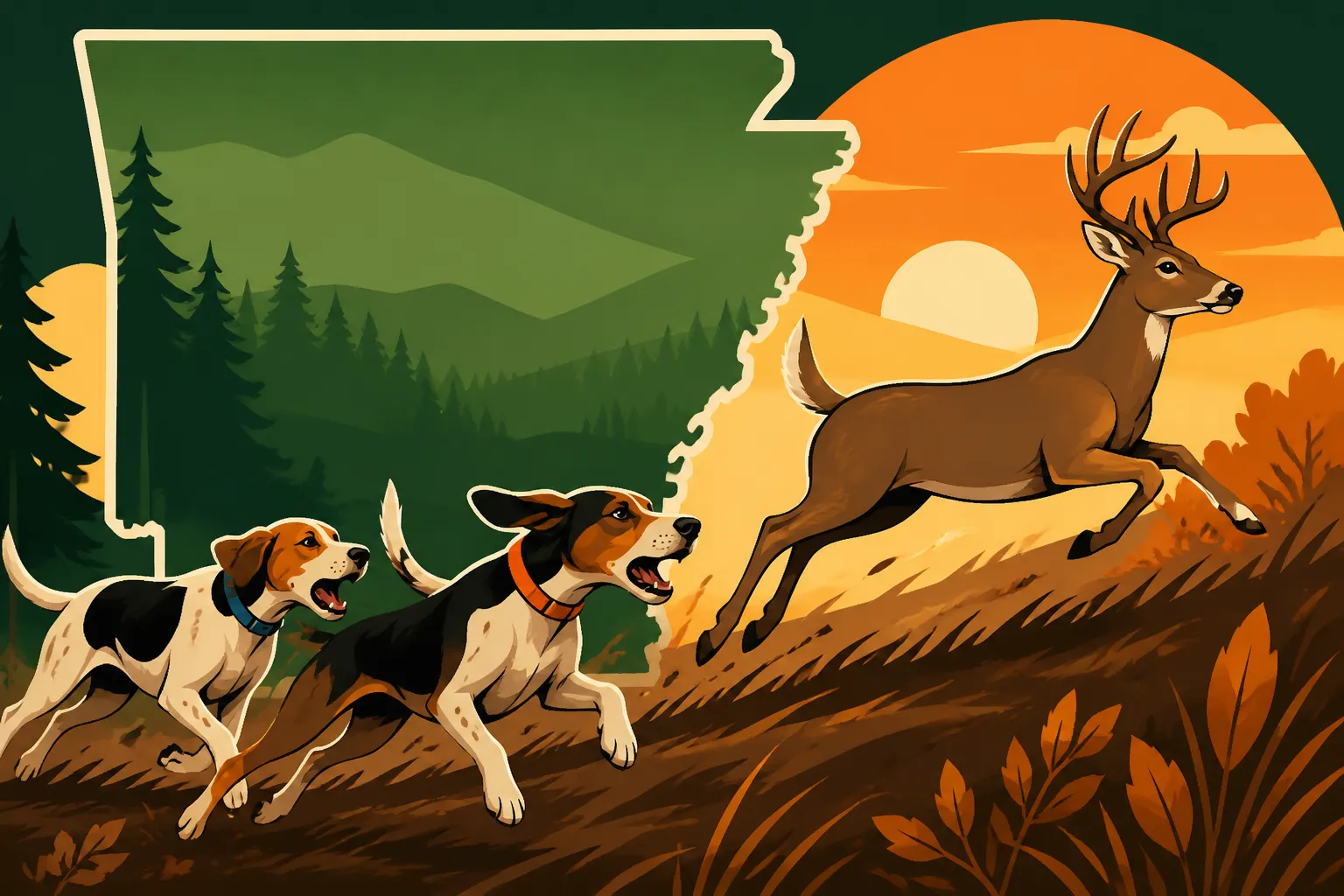
The art of running deer dogs lies in the dogs themselves. A well-trained pack or individual dog understands its job: to push deer within range of waiting hunters, not to run them endlessly into the next county. When you release your dogs, whether from a central location or spread out as "jump dogs," pay close attention to their initial behavior. Listen for changes in their bark or bay, which can indicate they've jumped a deer, are on a fresh track, or are simply running old scent. Modern GPS collars, often integrated with mapping apps, are absolutely indispensable here. They allow handlers to monitor the dogs' exact location and movement in real-time, providing crucial insights into the direction of the chase and the deer's likely path. This information can then be relayed to standers, allowing them to adjust their positions or prepare for an approaching deer. Understanding the dynamics of "Running Deer Dogs in Arkansas" means being prepared for both fast chases and slow, methodical tracking, adapting your approach based on the dogs' performance and the deer's behavior. It's a dance between man, dog, and deer, with communication being key to directing the flow.
Ethical Shot Placement and Game Recovery
When a deer is driven within range, responsible shot placement is paramount. Aim for lethal zones to ensure a quick, humane kill. After the shot, whether the deer drops immediately or runs, the work isn't over. Recovering the animal swiftly and efficiently is an ethical imperative. If the deer runs, gather your dogs and begin tracking. Good dogs can often follow a blood trail, but hunters should also be actively looking for sign, blood, and broken vegetation. On public land, particularly in dense timber or brushy areas, tracking can be incredibly challenging. In the rugged Ozarks, "Tracking a Deer in Ozark Rock" can be frustrating as blood trails disappear quickly. Similarly, if you're hunting the Delta, "Recovering a Deer From a Delta Slough" might require specialized gear or extra manpower due to water and thick mud. If darkness approaches or the trail goes cold, marking the last known blood sign and returning at first light with fresh eyes and rested dogs is often the best course of action. Never give up on a wounded animal; your commitment to recovery speaks volumes about your ethics as a hunter.
Safety First: Ensuring a Responsible Deer Dog Hunt
While deer dog hunting is exhilarating, the potential for accidents or conflicts increases when you add multiple hunters, active dogs, and public access. Prioritizing safety and responsible conduct is not just about avoiding legal trouble; it's about preserving the tradition for future generations and showing respect for fellow outdoor enthusiasts.
Hunter Orange and Visibility Requirements
On Arkansas public lands, safety rules regarding hunter orange are strictly enforced and absolutely critical during modern gun seasons when deer dogs are typically used. Every hunter, including dog handlers and standers, must wear at least 400 square inches of hunter orange above the waist, including a head covering. This isn't a fashion statement; it's a non-negotiable safety measure designed to make you visible to other hunters, dramatically reducing the risk of accidental shootings. While dogs themselves aren't legally required to wear orange, outfitting them with blaze orange vests or collars is a smart, proactive step. This helps other hunters spot your dogs and can even make it easier for you to keep track of them in dense cover. Always assume there are other hunters in the woods, even if you haven't seen them. This mindset fosters a heightened sense of awareness and encourages adherence to all safety protocols, especially when considering the "Arkansas Hunter Orange Rules" which outline these specifics.
Respecting Private Property and Other Hunters
One of the biggest challenges and potential sources of conflict when running deer dogs on public land is the proximity to private property. Deer don't respect property lines, and your dogs, in pursuit of a deer, may cross onto land where you don't have permission to hunt or even retrieve game. Before the hunt, everyone on your team must be explicitly aware of all public and private land boundaries. Tools like GoHunt are indispensable for this, allowing you to clearly see property lines and mark them on your map. If a dog crosses onto private land, you must attempt to retrieve it legally and courteously. Never trespass to retrieve a dog or a deer without first obtaining permission from the landowner. A respectful phone call or knock on the door can often resolve the situation amicably, whereas trespassing can lead to serious legal consequences and gives all dog hunters a bad name. Furthermore, always be mindful of other hunters, whether they are still-hunters, archers, or other dog hunting groups. A loud dog drive can disrupt another hunter's quiet stalk or stand. Being courteous, communicating your presence, and yielding to others whenever possible helps maintain a positive image for dog hunting in Arkansas. This means being particularly aware on WMAs where a "Finding Ground Others Walk Past" approach might lead you into close quarters with other hunters.
Avoiding Conflicts and Upholding the Tradition
The perception of deer dog hunting among the non-hunting public, and even among other hunters, can sometimes be mixed. Some view it as an unfair advantage or disruptive. To ensure the longevity of this rich Arkansas tradition, it's vital for dog hunters to be exemplary ambassadors for the sport. This means strictly adhering to all game laws, making every effort to recover wounded game, being respectful of all landowners and other outdoor users, and minimizing any negative impacts. For instance, ensuring your dogs are well-trained and don't harass livestock or pets is crucial. Leaving gates as you found them, picking up any trash, and always presenting a responsible image are small but significant actions. The AGFC works hard to manage wildlife and provide opportunities for all hunters, and abiding by their regulations, especially those related to "Arkansas Dog Deer Hunting Rules" and WMA access, helps them in that mission. By demonstrating ethical conduct and respect, dog hunters can help foster understanding and appreciation for this unique and challenging method of hunting in the Natural State.
| Public Land Type | General Deer Dog Hunting Status | Key Considerations for Hunters |
|---|---|---|
| National Forests (Ozark, Ouachita) | Generally permitted during designated seasons | Vast, rugged terrain. GPS collars (GoHunt compatible) are vital. Check specific forest rules annually. |
| Delta WMAs (e.g., Bayou Meto, Dave Donaldson) | Highly regulated; specific, limited seasons/zones. Often require special permits. | Water levels are critical for access. High pressure during open seasons. Confirm exact boundaries. |
| Ozark/Ouachita WMAs | Varies greatly; many prohibit. A few allow in specific, limited areas. | Always check individual WMA regulations before planning a hunt. Do not assume. |
| Corps of Engineers Lands | Generally follows state rules; local restrictions possible. | Often fragmented. Proximity to private land is high. Verify local postings and regulations. |
| State Parks & Natural Areas | Generally prohibited. Check specific park rules, but rare. | These areas prioritize recreation or conservation over hunting. |
Disclaimer
The information provided in this guide is for general informational purposes only and is not a substitute for the official regulations published by the Arkansas Game and Fish Commission (AGFC). Hunting laws and regulations can change frequently. It is the responsibility of every hunter to consult the most current AGFC hunting guide and WMA-specific regulations before engaging in any hunting activity. Failure to do so could result in fines, penalties, or loss of hunting privileges.