Where the Arkansas Elk Came From
It's an amazing experience to be out in the Arkansas Ozarks and catch a glimpse of an elk, a sight that was once completely unimaginable. For generations, these magnificent animals were just a memory, a part of our state's past. Many folks who see them now, or hear about the successful hunting draws, wonder just how these grand creatures made their way back to the Natural State. This guide will walk you through the incredible journey of elk reintroduction in Arkansas, tracing their origins and the dedicated efforts that brought them home.
The Ghost of the Ozarks: When Elk Vanished From Arkansas
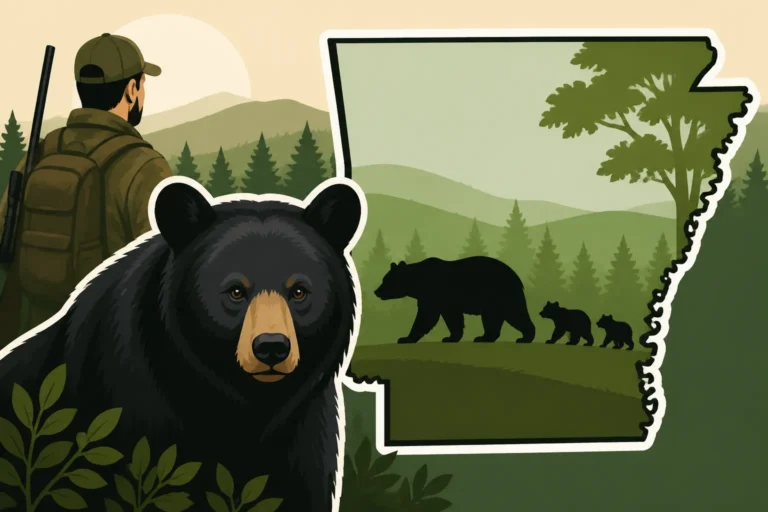
Before we talk about where Arkansas's elk came from, it's crucial to understand why they needed to come from somewhere else in the first place. Imagine a wilder Arkansas, hundreds of years ago, where not only black bears roamed the dense forests and river bottoms but also herds of majestic elk. These were the Eastern elk, a subspecies that once flourished across much of the eastern United States, including our beloved Natural State. They were an integral part of the ecosystem, grazing in open woodlands and river valleys, shaping the landscape, and providing a crucial food source for early inhabitants.
Early Abundance and Native Presence
Historical accounts and archaeological findings confirm that elk were widespread in Arkansas, particularly in the Ozark and Ouachita mountain regions, but also extending into the Delta. They weren't just passing through; they were home. Imagine the early explorers and settlers encountering these massive animals, likely much larger than the deer they were accustomed to. The presence of these native elk speaks to the rich biodiversity our state once harbored, painting a picture of a truly wild Arkansas. Their numbers, while not precisely known, were significant enough to be a prominent feature of the wilderness.
The Retreat: Overhunting and Habitat Loss
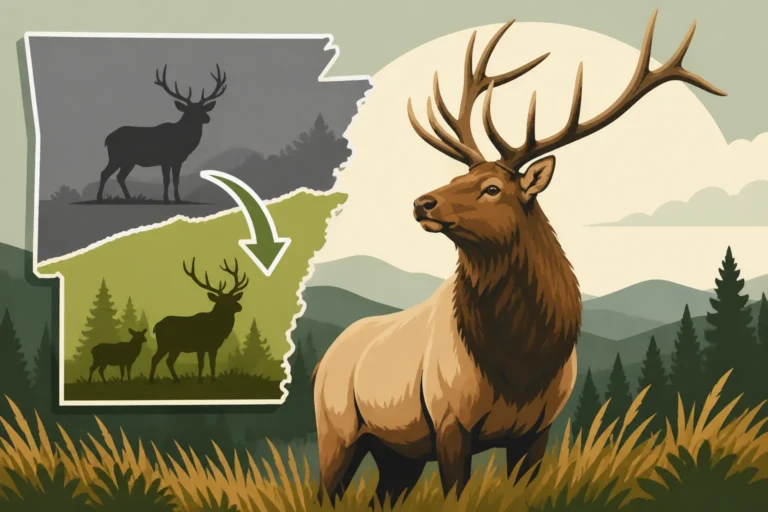
The arrival of European settlers brought profound changes to the landscape and wildlife populations. Unregulated hunting, driven by market demand for meat, hides, and antlers, quickly began to decimate the elk herds. Unlike today's carefully managed hunting seasons, there were no limits, no conservation ethics in place. Hunters could take as many as they pleased, year-round. Compounding this issue was massive habitat destruction. As forests were cleared for agriculture, timber, and settlement, the vast, unbroken woodlands and natural grasslands that elk depended on simply disappeared. They had nowhere left to roam, nowhere to hide. By the late 1840s, it's believed the last native wild elk was killed in Arkansas, leaving behind only legends and a void in our natural heritage. The state that was once known as the "Bear State" had also lost its elk.
The Long Road Home: Reintroduction Efforts Begin
The idea of bringing elk back to Arkansas wasn't a new one, but the logistical challenges and the sheer scale of such a project were daunting. It took decades of planning, research, and unwavering commitment from conservationists and the Arkansas Game and Fish Commission (AGFC) to even consider such an endeavor. The goal was ambitious: to re-establish a self-sustaining population of elk that could thrive in their ancestral lands, specifically the rugged, scenic country around the Buffalo National River. This effort wasn't just about restoring an animal; it was about restoring a piece of Arkansas's soul.
Sourcing Elk from the West
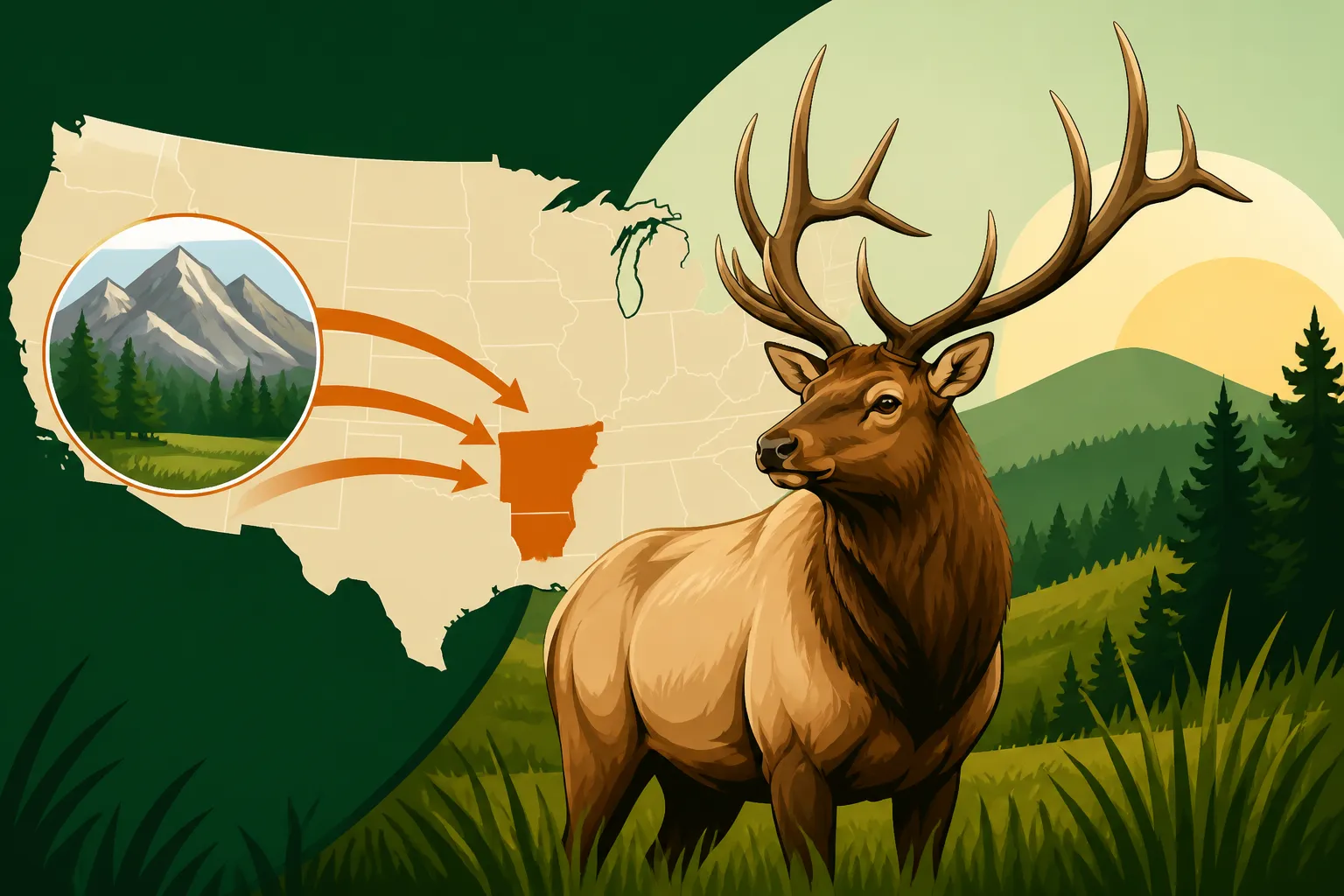
The critical question was, where would these new elk come from? The Eastern elk subspecies was extinct, so a suitable replacement was needed. Wildlife biologists looked west, to states with robust and healthy elk populations. After careful consideration and collaboration, the decision was made to bring elk from Colorado. Colorado's elk herd was, and still is, one of the largest and healthiest in North America, making it an ideal source. These Rocky Mountain elk, while a different subspecies than the original Eastern elk, were ecologically similar enough to adapt to Arkansas's climate and terrain. They were robust, wild, and accustomed to mountainous environments. This choice was a testament to meticulous planning and a deep understanding of elk biology and habitat needs. You can learn more about the early days of this project in Arkansas Elk Reintroduction History.
The Arrival: A New Chapter in the Ozarks
The reintroduction effort officially kicked off in the early 1980s. Between 1981 and 1985, 112 elk were captured in Colorado, carefully transported across hundreds of miles, and released into the Buffalo River area of Newton County, Arkansas. This was no small feat. Each animal had to be tranquilized, examined, tagged, and then hauled in specialized trailers designed to minimize stress. Imagine the excitement and anticipation as those first elk stepped out of their crates and onto Arkansas soil, taking their first tentative steps into a new, yet ancient, home. These initial releases were strategically located to give the elk the best chance of survival, providing access to diverse habitats, including open pastures, hardwood forests, and water sources, all within the protected confines of the Buffalo National River region. The success of this initial phase was crucial for the entire project. The AGFC and numerous volunteers dedicated countless hours to ensuring the safe arrival and initial well-being of these animals.
The Return of the Herd: Growth and Management
The reintroduction was a success, but it was just the beginning. The real work then shifted to managing the growing herd, ensuring its health, and integrating it into the local ecosystem and community. It wasn't always smooth sailing; there were challenges, but the overall trend has been one of remarkable growth and success, leading to the thriving The Buffalo River Elk Herd we know today.
Population Growth and Range Expansion
From those initial 112 animals, the Arkansas elk herd began to flourish. With ample food, water, and relatively low predation, their numbers steadily increased. Over the decades, the population grew, and the elk naturally began to expand their range beyond the immediate release sites. While the core of the herd remains centered around the Buffalo National River corridor, especially in areas like Boxley Valley, elk have been observed in surrounding counties, exploring new territories within the Ozarks. This expansion is a clear indicator of a healthy and robust population. Understanding How Many Elk Arkansas Has requires ongoing surveys and monitoring by wildlife biologists, which helps the AGFC make informed management decisions.
One crucial aspect of this growth has been successful reproduction, or Elk Calving and Herd Growth. Each spring, new calves are born, adding to the herd's vitality. AGFC biologists regularly monitor the herd's health, focusing on factors like cow-to-calf ratios and overall herd condition. This data is vital for assessing population trends and setting harvest objectives for the limited hunting permits available.
Management and Hunting Opportunities
With a growing population came the opportunity for regulated hunting, a crucial tool for wildlife management that helps control herd size, minimize agricultural damage, and provide a unique recreational experience for hunters. The AGFC developed a highly sought-after permit draw system for elk, making it one of the most exclusive hunts in the state. Hunters must apply for these permits, which are awarded through a lottery system. This system ensures that the harvest remains sustainable and doesn't negatively impact the long-term health of the herd. Details about the application process can be found on pages like Arkansas Elk Permit Application Dates.
The management of the herd also includes monitoring potential challenges such as Elk Crop Damage Along the Buffalo. As elk numbers increase and their range expands, they sometimes venture into agricultural fields, causing damage to crops. The AGFC works with landowners to mitigate these issues, offering assistance and compensation programs where appropriate. This balance between wildlife conservation and human livelihood is a delicate but essential part of successful wildlife management. Tools like GoHunt can be invaluable for hunters researching draw odds or looking for detailed maps of the elk range, helping them understand the lay of the land and where these magnificent animals tend to roam. Many hopeful hunters use platforms like GoHunt to analyze historical draw data and gain an edge in the highly competitive permit lottery.
The Elk's Place in Modern Arkansas
The reintroduction of elk stands as one of Arkansas's most celebrated conservation success stories. It's a testament to what can be achieved with dedicated effort, scientific management, and public support. The elk are not just back; they are thriving, reminding us of the wild spirit that defines the Natural State.
Economic and Cultural Impact
The presence of the elk herd has brought significant benefits to the communities around the Buffalo River. Elk viewing has become a major draw for tourists, particularly in areas like Boxley Valley, where visitors can often spot elk grazing in the early mornings and late evenings. This ecotourism supports local businesses, from restaurants and lodging to gift shops and guided tours. The annual Buffalo River Elk Festival, held in September, celebrates the return of the elk and draws thousands of visitors, further boosting the local economy and raising awareness for conservation efforts. This festival is a vibrant showcase of community pride and a reminder of the successful reintroduction.
Furthermore, the limited hunting opportunities, though few, contribute to local economies through hunter expenditures on lodging, food, fuel, and supplies. While an Arkansas elk tag is notoriously difficult to draw, for the fortunate few, it's a once-in-a-lifetime experience. Understanding How Arkansas Elk Permits Are Drawn is crucial for anyone hoping to participate in this unique hunt.
Conservation and the Future of the Herd
The success of the elk reintroduction isn't just a feel-good story; it's a blueprint for future conservation efforts. It demonstrates the importance of restoring apex herbivores to their native habitats and the positive ripple effects it can have on the entire ecosystem. The AGFC continues to actively manage the herd, monitoring for diseases like CWD (Chronic Wasting Disease), which has been detected in some Arkansas deer populations, and adjusting management strategies as needed. Protecting the herd's health and genetic diversity is paramount for its long-term survival. For those interested in seeing where these animals can be found, Arkansas Elk Range and Viewing provides excellent resources.
The future of Arkansas's elk herd looks bright, thanks to ongoing conservation efforts and the sustained interest of the public and the hunting community. We can be proud of the fact that these incredible animals, once gone, now roam our mountains again, a living legacy of what dedicated conservation can achieve. When planning a trip to view or hunt these magnificent animals, resources like GoHunt can offer valuable insights into prime locations, migration patterns, and current regulations. Always check the latest AGFC regulations, and consider using digital mapping tools like GoHunt to navigate public lands in Arkansas Elk Hunt Zones.
Here's a quick look at the journey:
| Year(s) | Event | Significance |
|---|---|---|
| Pre-1840s | Native Eastern Elk Present | Widespread across Arkansas, integral to ecosystem. |
| ~1840s | Last Native Elk Extirpated | Overhunting and habitat loss led to extinction. |
| 1981-1985 | Reintroduction from Colorado | 112 Rocky Mountain elk released in Buffalo River area. |
| Mid-1980s+ | Herd Establishment & Growth | Population began to grow, adapted to Arkansas habitat. |
| Early 1990s | First Modern Elk Hunt Permits Issued | Inaugural hunts as herd became self-sustaining. |
| Present | Thriving Herd & Managed Hunts | Healthy population, controlled hunting, significant tourism. |
Disclaimer
This article is for general informational purposes only and does not constitute professional advice. Laws, prices and regulations vary by location and change over time. Consult a qualified professional for guidance on your specific situation.