Elk Crop Damage Along the Buffalo
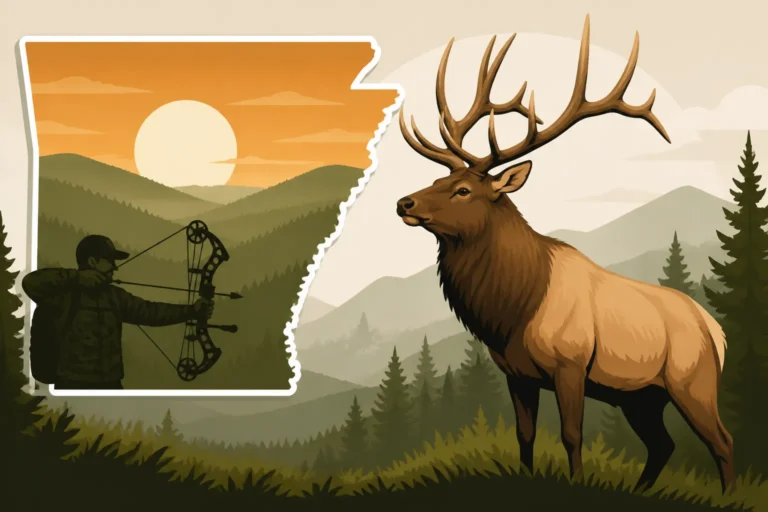
For folks living in the picturesque Buffalo River corridor, the sight of a majestic Arkansas elk herd can be truly breathtaking. There's a real sense of pride in seeing these magnificent creatures thrive in our state. But, as beautiful as they are, there's a very real, often devastating flip side for landowners and farmers in those areas: elk crop damage. It’s a frustrating reality when fields you've worked so hard to cultivate become an all-you-can-eat buffet for a hungry herd, and this guide is here to shed some light on the issue, what it means for those impacted, and what options might be available.
Understanding Elk Crop Damage
The return of elk to Arkansas has been a wildlife success story, transforming parts of the Ozarks into a truly unique habitat. However, with a growing elk population comes increased interaction with human activity, especially agriculture. Elk are large, hungry animals, and they don't discriminate between wild forage and a farmer's carefully planted crops. This leads to significant economic hardship for many in the Buffalo River area, an issue that deserves empathy and practical solutions.
Why Elk Graze on Agricultural Fields
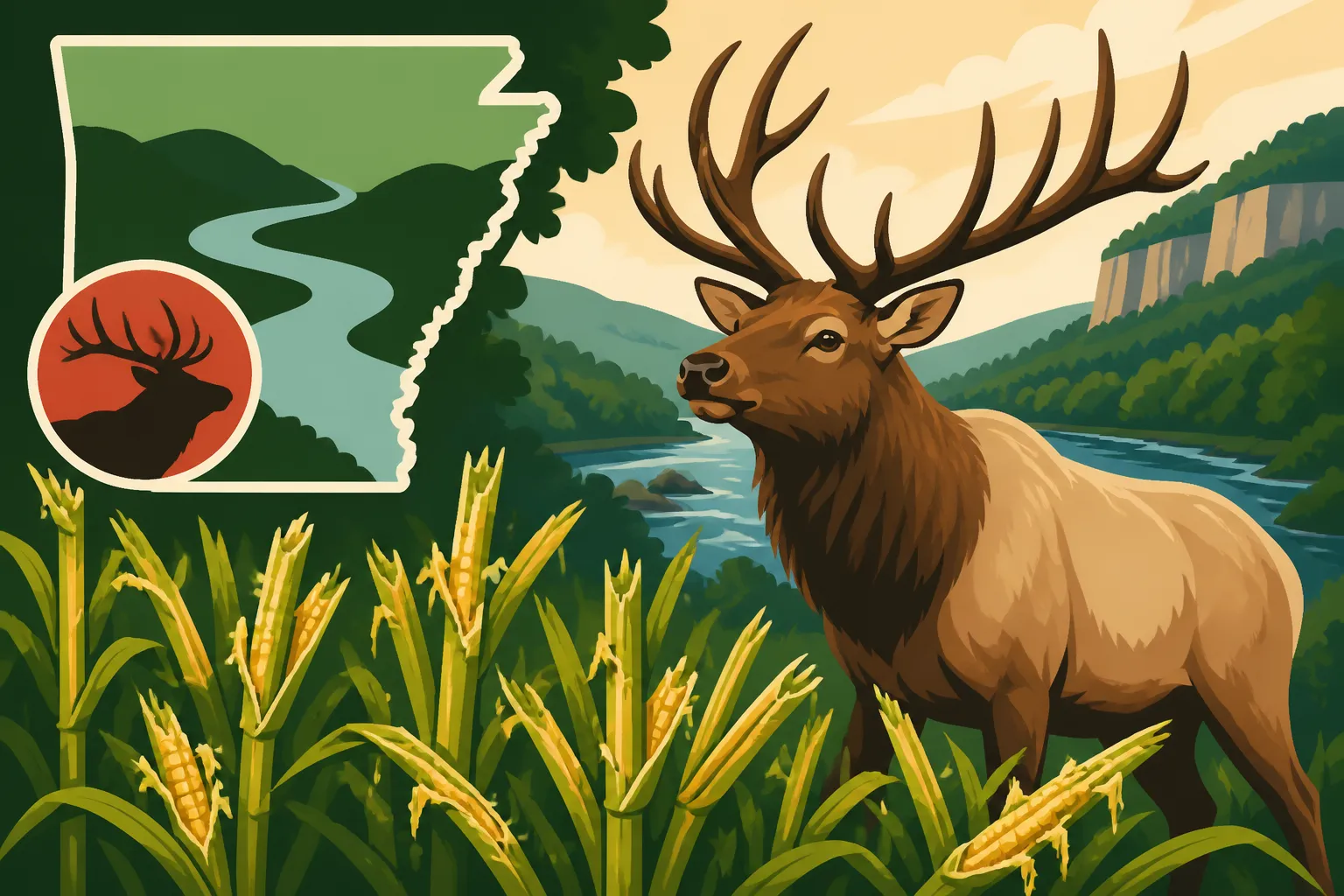
Elk are natural grazers and browsers, constantly seeking out nutritious food sources. While the Ozarks offer plenty of wild forage, agricultural fields often present an irresistible, calorie-dense alternative. Imagine a vast, open field of lush alfalfa or tender young corn—it’s like a five-star restaurant for a herd of elk, requiring less effort to forage than native woodlands. They’re simply following their instincts for the easiest meal, which unfortunately puts them directly in conflict with farmers.
Typically, elk are drawn to crops like corn, soybeans, alfalfa, winter wheat, and even hayfields. They will graze, trample, and bed down in these areas, causing damage not just from eating but also from their sheer size and numbers. It’s not uncommon for a herd of 20 or 30 elk to move through a field in a single night, leaving behind a trail of destruction that can wipe out a farmer’s profit margins for that season. The problem isn't just limited to grazing, either; elk can break fences, damage irrigation systems, and compact soil, creating further issues for agricultural operations.
Types of Crops Most Affected
While elk aren't picky eaters, certain crops are particularly vulnerable to their appetites. Row crops like corn and soybeans, especially during their tender, young growth stages, are prime targets. The high protein and carbohydrate content makes them extremely appealing. Hayfields and alfalfa plots are also heavily hit, as they provide a constant, rich food source throughout the growing season. It's a double whammy for ranchers who rely on these crops to feed their own livestock.
Beyond the immediate loss of yield, there's the long-term impact on soil health and the potential for repeat damage. Once elk discover a readily available food source, they tend to return to it. This creates a cycle of frustration for landowners who might try planting different crops or implementing various deterrents, only to find the elk are persistent. The proximity of many farms to the core The Buffalo River Elk Herd range means these interactions are becoming more frequent.
The Impact on Landowners
The challenges faced by landowners due to elk crop damage extend far beyond just losing a harvest. It's an emotional and financial strain that can threaten livelihoods and create deep-seated tensions between wildlife conservation efforts and the very people who share the land with these animals. It's easy to admire the elk, but it’s crucial to acknowledge the real struggle of those bearing the brunt of their foraging habits.
Financial and Economic Strain
For many small family farms in the Buffalo River area, a significant crop loss dueens to elk can be catastrophic. Farmers operate on tight margins, and the income from their crops is often what pays the bills, puts food on the table, and allows them to maintain their land. When a large percentage of a field is consumed or destroyed by elk, it's not just a minor setback; it's a direct hit to their bottom line, impacting their ability to buy seed for the next season, pay for equipment maintenance, or even cover household expenses.
Beyond the immediate crop value, there are indirect costs. Landowners might invest in specialized fencing, deterrent systems, or extra labor to try and mitigate the damage, all of which cut into already slim profits. If the damage is severe enough, it can force a farmer to change their planting schedule, switch to less profitable crops, or even consider selling off parts of their land, impacting the rural economy and community fabric. Understanding Arkansas Elk Range and Viewing can help hunters and observers appreciate the local dynamics at play.
Emotional Toll and Frustration
Imagine spending months tilling the soil, planting seeds, nurturing growth, and then watching helplessly as wild animals consume or destroy it overnight. The emotional toll of elk crop damage is immense. It's a constant source of frustration, anxiety, and a feeling of powerlessness. Landowners often feel caught between appreciating the beauty of nature and the harsh reality of protecting their property and livelihood. This isn't just a business problem; it’s a personal one.
This frustration can also lead to strained relationships within the community. While many understand the value of elk, those directly impacted often feel their concerns are not fully heard or adequately addressed. The daily grind of managing a farm coupled with the unpredictable nature of wildlife damage can lead to burnout and a sense of isolation. It's a reminder that conservation efforts, while noble, must always consider the human element and the people directly sharing the landscape with wildlife.
Mitigation Strategies for Landowners
Dealing with persistent elk crop damage requires a multi-faceted approach. There’s no single magic bullet, but a combination of strategies, often with some trial and error, can help reduce the impact. It's about finding a balance between deterring elk and coexisting with them in the landscape.
Fencing and Physical Barriers
One of the most effective, albeit often expensive, solutions is physical exclusion. High-tensile woven wire fences, sometimes electrified, can be a formidable barrier for elk. These fences need to be substantial, typically 8 to 10 feet tall, as elk are powerful jumpers. While the initial investment can be significant, the long-term protection it offers can be invaluable for high-value crops or areas experiencing chronic damage.
Another option is temporary electric fencing, which can be deployed around specific fields during critical growth stages. While less robust than permanent fencing, it's more flexible and can be moved as needed. However, maintaining power and ensuring the fence is always charged and free of shorts is crucial for its effectiveness. Landowners can use mapping tools, like those found on GoHunt, to plan optimal fence lines, especially on larger properties where identifying key elk entry points is critical.
Hazing and Deterrents
Sometimes, the goal isn't just to exclude elk but to make them uncomfortable enough to move on. Hazing techniques can include noise cannons, propane cannons, or even guard dogs. These methods rely on startling the elk and associating the agricultural area with an unpleasant experience. The key to successful hazing is consistency and variety; elk are intelligent and can become accustomed to predictable deterrents. Changing the type or timing of hazing regularly helps maintain its effectiveness.
Visual deterrents, such as flagging or reflective tape, can also have a temporary effect, particularly on smaller groups of elk or in conjunction with other methods. Chemical repellents, while less common for large-scale crop protection, might be considered for small garden plots. It's a constant battle, but by keeping elk on their toes, you can sometimes encourage them to seek food elsewhere.
Cooperative Management Programs
In some cases, working together is the best path forward. Landowners experiencing damage can sometimes participate in cooperative management programs, which might involve financial assistance for fencing, technical advice on deterrents, or even controlled harvest permits in specific problem areas. These programs often seek to balance elk population management with agricultural needs.
Another aspect of cooperative management can be altering crop patterns or timing plantings to make them less appealing during peak elk activity. For instance, planting earlier or later to avoid having tender young shoots available when elk are most likely to be foraging. This often requires close coordination with wildlife agencies and understanding local elk movement patterns. Information about Elk Calving and Herd Growth can inform these decisions.
Working with the AGFC
The Arkansas Game and Fish Commission (AGFC) plays a crucial role in managing the state's elk population and addressing human-wildlife conflicts. If you're a landowner experiencing elk crop damage, contacting the AGFC is an essential first step. They can provide guidance, assess the situation, and explore available solutions.
Reporting Damage and Seeking Assistance
It’s vital to report any significant elk crop damage to the AGFC as soon as it occurs. This helps them track incidents, understand the scope of the problem, and allocate resources effectively. When you report damage, AGFC personnel can come out to your property to assess the extent of the loss and discuss potential mitigation strategies. They have staff dedicated to wildlife management who understand the intricacies of elk behavior and habitat.
During this process, be prepared to provide details about the location, the type of crops affected, the estimated monetary loss, and any photographs or other evidence of the damage. This documentation is crucial for the AGFC to understand your situation and determine what kind of assistance might be appropriate.
Damage Control Permits and Options
In situations where repeated damage is severe and other deterrents have proven ineffective, the AGFC may issue a damage control permit. These permits are not given lightly and are typically a last resort, allowing the landowner or designated agents to take elk outside of regular hunting seasons to alleviate damage. The goal is always to reduce conflict and protect agricultural interests while responsibly managing the elk herd.
It’s important to understand that these permits come with strict guidelines and reporting requirements. They are intended to address specific problem animals or herds causing damage, not to allow for general hunting. The AGFC works closely with landowners to ensure these measures are implemented legally and effectively. Information regarding Arkansas Elk Permit Application Dates and other regulatory details is generally available through the AGFC website or regional offices.
Long-Term Management and Collaboration
The AGFC's approach to elk management, as detailed in their Elk Along the Arkansas Buffalo River overview, involves a commitment to maintaining a healthy population while also mitigating conflicts. This includes monitoring the Arkansas elk population estimate and considering factors like habitat availability, public land hunting pressure, and, of course, crop damage. For landowners, collaboration with the AGFC can mean participating in surveys, providing input on management plans, or even offering access for regulated hunts, which can help control local elk numbers.
It's a continuous dialogue. As a landowner, your feedback and cooperation are invaluable to the AGFC. Understanding the bigger picture of Arkansas Elk Reintroduction History can also provide context, recognizing that managing a reintroduced species has its unique set of challenges and successes. By working together, we can strive for a future where both Arkansas's majestic elk and its agricultural communities can thrive.
| Mitigation Strategy | Pros | Cons | Best Use Case |
|---|---|---|---|
| High-Tensile Fencing | Highly effective long-term barrier | High initial cost, installation complexity | High-value crops, chronic damage areas, property lines |
| Temporary Electric Fence | Flexible, lower initial cost | Requires consistent maintenance, less robust | Protecting specific fields during peak vulnerability |
| Noise/Propane Cannons | Can be effective if varied frequently | Elk can habituate, noise pollution concerns | Short-term deterrence, scaring elk from fields |
| Guard Dogs | Consistent presence, natural deterrent | Cost of dog care, training, legal liabilities | Pasture protection, smaller farm properties |
| Chemical Repellents | Easy application (for small areas) | Limited effectiveness, reapplication needed | Small gardens, specific trees/shrubs |
| Damage Control Permits | Direct removal of problem animals | Last resort, strict regulations, public perception | Severe, persistent damage where other methods fail |
Disclaimer
This article is for general informational purposes only and does not constitute professional advice. Laws, prices and regulations vary by location and change over time. Consult a qualified professional for guidance on your specific situation.