Arkansas Turkey Population Estimate
It’s a frustration many of us have felt: those early morning spring woods seem quieter than they used to, and the once-reliable gobble from the ridge just isn't there anymore. You might be wondering, "Are there even enough turkeys left in Arkansas for a good hunt?" It’s a valid question, and one the Arkansas Game and Fish Commission (AGFC) works hard to answer each year. This guide will dive deep into the current understanding of Arkansas's wild turkey population, explore the factors that have shaped its trajectory, and explain how these numbers impact your hunting experience.
Understanding Arkansas's Wild Turkey Population Estimates
For dedicated turkey hunters in Arkansas, understanding the state's wild turkey population isn't just a matter of curiosity; it directly impacts hunting opportunities, bag limits, and long-term conservation efforts. The Arkansas Game and Fish Commission meticulously monitors these populations, and while the exact "estimate" can fluctuate, the trends reveal a complex picture that requires attention from all of us who cherish the gobble of a spring longbeard.
The Current Picture: What the Numbers Tell Us
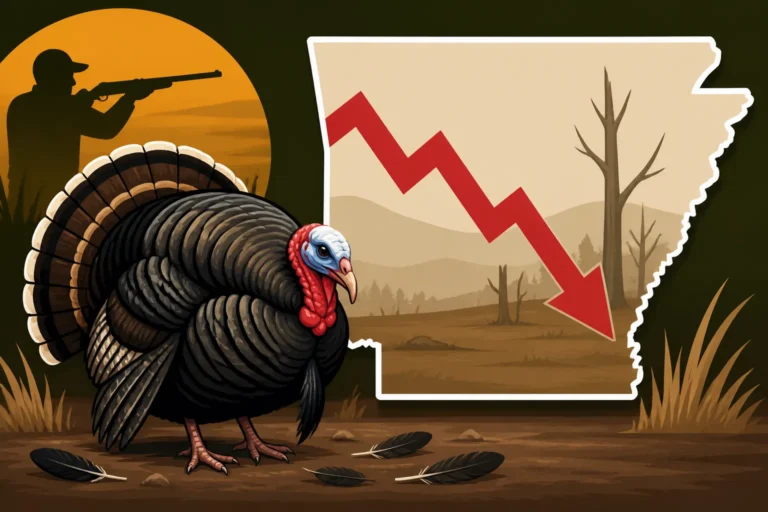
While the AGFC doesn't publish a single, definitive "total number" for the entire state's wild turkey population in the same way they might for deer, they rely on a combination of metrics to gauge the health and size of the flock. These metrics include annual harvest data, which gives us insight into how many birds hunters are taking, and critically, yearly brood surveys. What these combined datasets consistently indicate in recent years is a generally stable, but certainly not booming, population across much of the state, with pockets of both decline and localized success. The feeling of fewer birds isn't just anecdotal in many areas; scientific data supports a significant shift from the heydays of previous decades. It means hunters really have to work for their birds, making careful scouting and strategic calling all the more important. For folks wanting to dive into this data themselves, tools like GoHunt often compile publicly available harvest reports and offer insights into regional trends, helping hunters better plan their pursuits.
Historical Trends and What Has Changed
To truly understand where we are today, we need to look back. The wild turkey restoration efforts in Arkansas, like in many states, were incredibly successful in the mid to late 20th century. After being nearly extirpated from the state by the early 1900s due to unregulated hunting and habitat destruction, reintroduction programs brought turkeys back with a vengeance. By the 1990s and early 2000s, Arkansas experienced a boom, with turkey populations reaching what many considered peak levels. This led to liberal bag limits and widespread hunting opportunities. However, the last 15-20 years have shown a different pattern. Data indicates a gradual but noticeable decline in overall Arkansas Turkey Population Trends in many areas. This isn't unique to Arkansas; it's a phenomenon observed across much of the Southeast. The reasons are multi-faceted, ranging from changes in habitat quality to increased predation and varying reproductive success. Understanding What Drove the Arkansas Turkey Decline is essential for any hunter hoping to contribute to the species' long-term health.
Factors Influencing Arkansas Turkey Numbers
The health of Arkansas's wild turkey population is a delicate balance, swayed by numerous environmental and biological factors. It’s not just one thing that impacts their numbers; it’s a complex interplay, much like a finely tuned ecosystem. Understanding these influences can help hunters appreciate the challenges turkeys face and perhaps even adjust their own strategies to be more successful and ethical.
Habitat Loss and Fragmentation
Ask any wildlife biologist, and they'll tell you that habitat is king. For wild turkeys, this means a mosaic of mature forests for roosting, open woodlands for foraging, and dense undergrowth for nesting and brood rearing. Unfortunately, changes in land use across Arkansas have led to significant habitat loss and fragmentation. Urban sprawl eats away at prime turkey range, while large-scale agricultural operations convert diverse woodlands into monoculture fields. Even timber practices, while sometimes beneficial for creating early successional habitat, can, if not managed correctly, lead to vast tracts of uniform pine plantations that lack the diversity turkeys need year-round. When these varied habitats become disconnected, turkeys struggle to move between them, making them more vulnerable to predators and limiting their breeding success. Think of a hen trying to lead her poults across a wide-open field with little cover—it’s a perilous journey they shouldn't have to make often.
Predation and Disease Pressures
Wild turkeys have always faced predators, but the balance has shifted in recent decades. Predator populations, particularly coyotes, raccoons, and opossums, have thrived in many Arkansas landscapes. These opportunistic hunters target turkey nests and young poults, which are incredibly vulnerable. A single nest can be wiped out in minutes by a raccoon, and a hungry coyote can decimate a brood of poults. While the AGFC doesn't advocate widespread predator eradication, the impact of these animals on Nest Predation and Turkey Hatches is undeniable, especially when combined with other stressors. Beyond predators, diseases also play a role. While less common than in some other species, turkeys can be affected by ailments like Avian Pox or Lymphoproliferative disease. These diseases, though rarely causing massive die-offs, can weaken birds and reduce their reproductive fitness, adding another layer of challenge to their survival.
Weather Patterns and Reproduction Success
Mother Nature herself plays a massive role in whether turkey populations thrive or struggle in any given year. The most critical period for turkey reproduction is during and immediately after the hatch. Cold, wet spring weather, especially during May and June when most poults are emerging, can be absolutely devastating. Young poults are highly susceptible to hypothermia and pneumonia. A prolonged period of rain and chilly temperatures can lead to significant mortality rates among the hatch, severely impacting the recruitment of new birds into the population. Conversely, mild, dry springs often result in higher poult survival, which translates to more birds the following year. Drought conditions can also negatively impact turkeys by reducing the availability of insects and tender vegetation that poults rely on for protein and hydration. These year-to-year fluctuations due to weather are a primary driver behind the short-term ups and downs in local turkey numbers, making consistent high-quality habitat all the more important as a buffer.
Hunting Pressure and Harvest Strategies
Hunting is a traditional and vital management tool, but it also needs careful calibration to ensure sustainability. The AGFC sets Arkansas Turkey Bag Limit and season structures to prevent overharvest, particularly of gobblers. While hunting generally focuses on adult males, which typically have a surplus in healthy populations, excessive pressure can still impact local breeding dynamics. Arkansas has always maintained a strict rule: Why Arkansas Bans Hen Harvest. This regulation is crucial for protecting the breeding stock and allowing hens to successfully raise broods without added pressure. In recent years, as populations have seen declines, the AGFC has responded by shortening seasons, reducing bag limits, and adjusting specific Arkansas Turkey Zone Differences to relieve pressure in vulnerable areas. The goal is always to provide ample opportunity for hunters while ensuring that enough birds remain to sustain and grow the population for future generations. Responsible hunters play a key role by adhering to regulations, accurately reporting their harvest, and respecting the resource.
How the AGFC Monitors and Manages Turkey Populations
Understanding something as dynamic and widespread as a wild turkey population across an entire state requires dedication, scientific methods, and the cooperation of hunters. The Arkansas Game and Fish Commission is at the forefront of these efforts, utilizing several tools to keep a pulse on the birds and adapt management strategies as needed.
The Role of Brood Surveys
One of the most crucial tools the AGFC employs to estimate turkey populations and predict future trends is the annual summer brood survey. This isn't just a casual observation; it's a systematic effort where volunteers, landowners, and AGFC staff record observations of hens with poults, as well as lone hens and gobblers, throughout the summer months. By tracking the number of poults per hen (the Poult-to-Hen Ratios and What They Mean), biologists can gauge the reproductive success of the year. A high poult-to-hen ratio suggests a good hatch and favorable conditions, indicating a potential increase in the population in the coming years. Conversely, a low ratio signals a challenging breeding season and likely fewer young birds entering the fall and spring hunting seasons. The Arkansas Brood Survey Results are a cornerstone of how the AGFC makes informed decisions about season lengths and bag limits, directly influencing the opportunities you'll have in the field. Hunters can even contribute to these surveys, becoming citizen scientists and helping the AGFC gather invaluable data.
Hunter Harvest Data and Its Importance
Beyond brood surveys, the reported harvest data from hunters is an indispensable source of information for the AGFC. Every time a hunter successfully takes a turkey and properly checks it, that data point contributes to a larger picture of population health. Information such as the age of the bird, the county it was harvested in, and the date provides insights into local population densities, age structure, and regional trends. This is why strict adherence to Arkansas Turkey Checking Rules is so important – it's not just a formality, it's a critical component of conservation. Analyzing Arkansas Spring Turkey Harvest Numbers over time allows biologists to identify areas where populations might be declining more rapidly or, conversely, where they are holding strong. For the data-savvy hunter, platforms like GoHunt can sometimes aggregate and present this public harvest data in a user-friendly format, allowing you to research specific counties or zones and get a better feel for harvest success rates before you even step foot in the woods. This information, combined with other survey data, allows the AGFC to monitor the population and make adjustments to regulations as needed to ensure sustainable hunting.
Management Strategies and Future Outlook
The AGFC uses all this gathered data—from brood surveys to harvest reports—to formulate and adapt its management strategies. This isn't a static process; it's an ongoing, adaptive approach that responds to the changing conditions of turkey populations. Strategies often include habitat improvement initiatives, working with private landowners and public land managers to create the diverse habitat turkeys need for nesting, brooding, and foraging. This might involve prescribed burns, selective timber harvesting to create openings, or planting beneficial food sources. While widespread predator control isn't typically undertaken for turkeys, localized efforts may occur in specific areas if predation is identified as a critical limiting factor. Looking ahead, the focus remains on enhancing habitat, promoting sound land management practices, and continuing to collect robust data. The goal is to reverse some of the negative trends seen in recent years and help Arkansas Turkey Population Estimate numbers rebound. It's a long game, and the collaboration between wildlife agencies, landowners, and hunters is absolutely essential to ensure that the distinctive gobble echoes through the Arkansas woods for generations to come.
Turkey Population Dynamics in Arkansas: A Summary
| Factor | Impact on Turkey Population | AGFC Management Response (Examples) | Hunter Role (Examples) |
|---|---|---|---|
| Habitat Quality | Critical for nesting, foraging, roosting; fragmentation is detrimental. | Promote prescribed burns, selective timber cuts, diverse plantings. | Engage in habitat improvement on private land, support public land efforts. |
| Predation | High impact on nests and poults (coyotes, raccoons, opossums). | Monitor predator numbers, consider localized control in critical areas. | Support sound land management, protect nesting cover. |
| Weather (Spring) | Cold, wet springs reduce poult survival; warm, dry springs boost it. | Adjust season lengths/bag limits based on previous year's hatch. | Understand annual fluctuations, adjust expectations. |
| Hunting Harvest | Can impact breeding if overharvested, especially hens. | Set conservative bag limits, protect hens, adjust season dates. | Adhere to all regulations, accurately check harvested birds. |
| Disease | Can weaken birds, reduce reproductive success. | Monitor disease prevalence, research impacts. | Report sick or deceased birds to AGFC. |
The journey of Arkansas's wild turkey population is a testament to the resilience of wildlife and the ongoing dedication of conservationists and hunters alike. While the numbers have fluctuated, the commitment to understanding and managing these magnificent birds remains strong. By staying informed, participating in surveys when possible, and practicing responsible hunting, we all play a part in ensuring a vibrant future for wild turkeys in the Natural State.
Disclaimer
This article is for general informational purposes only and does not constitute professional advice. Laws, prices and regulations vary by location and change over time. Consult a qualified professional for guidance on your specific situation.