Why Arkansas Bans Hen Harvest
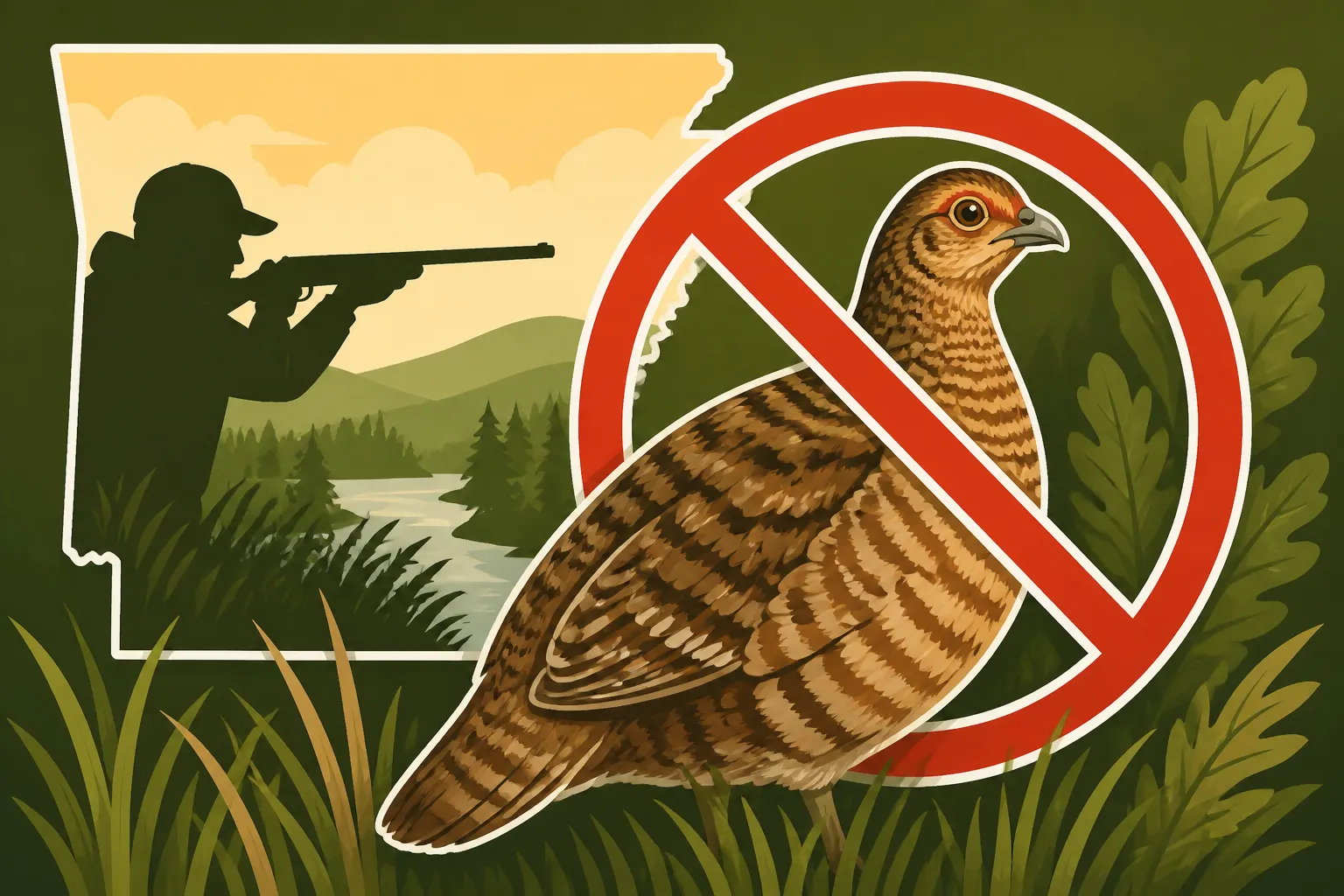
It's incredibly frustrating when you're out in the turkey woods, you see a bird, and you're unsure of the specific rules about harvesting it, especially when it comes to hens. Many hunters, particularly those new to Arkansas or those who remember different regulations, often wonder why the Arkansas Game and Fish Commission (AGFC) has a strict ban on harvesting hen turkeys. This guide will dive deep into the crucial biological and management reasons behind this policy, helping you understand not just the "what" but the "why" of hen harvest restrictions in the Natural State.
The Biological Imperative Protecting Arkansas's Turkey Population
Let's be honest, seeing a flock of turkeys and having to pass on a hen can feel counterintuitive, especially if you're used to hunting states with different regulations. But in Arkansas, the ban on hen harvest isn't just a random rule; it's a foundational pillar of sound wildlife management, directly tied to the reproductive health and overall sustainability of our wild turkey populations. Hens are, quite simply, the future of the flock, and protecting them is paramount.
Hens as the Reproductive Engine of the Flock
Think of it this way: a single gobbler can breed multiple hens, but each hen is responsible for laying and incubating a clutch of eggs, and then, if successful, raising those fragile poults through their most vulnerable stages. Without healthy, abundant hens, there are no eggs, no poults, and eventually, no turkeys. When turkey populations are strong, they can often withstand some level of hen harvest, but when numbers are struggling, every hen becomes incredibly valuable. Arkansas's landscape, from the Ozark Mountains to the Delta, supports turkeys, but their populations aren't limitless. The AGFC's data clearly shows that maximizing hen survival is the most direct path to boosting overall turkey numbers. It's about ensuring the breeding stock remains robust, giving nature the best chance to do its job.
The Vulnerability of Nests and Poults
Even with a healthy hen population, the journey from egg to adult turkey is fraught with peril. Nests are highly susceptible to predation from everything from raccoons and opossums to snakes and coyotes. Nest Predation and Turkey Hatches are significant factors in how many poults ever make it out of the shell. Once hatched, poults face an even greater gauntlet. They're tiny, vulnerable, and easy prey for a wide array of predators. Weather also plays a massive role; a cold, wet spring can decimate a hatch, as discussed in Weather in the Weeks After the Hatch. When you consider these challenges, removing even a few reproductive hens from the population could have a disproportionately negative impact on future turkey numbers. The AGFC's stance is that by protecting hens, they're giving those crucial few poults that do survive the best possible start by ensuring their mothers are there to guide them.
Historical Context and Declining Turkey Numbers
For many years, Arkansas enjoyed strong turkey populations, and hunters often had more liberal opportunities. However, over the past couple of decades, a noticeable and concerning trend emerged across many parts of the state: a significant decline in wild turkey numbers. This wasn't unique to Arkansas; it's a phenomenon seen in various degrees across much of the Southeast. This decline didn't happen overnight, and it sparked extensive research and difficult decisions by wildlife agencies, including the AGFC.
The Reality of Declining Populations and Brood Success
If you've spent any time in the Arkansas turkey woods, especially in certain regions like the Ozarks or parts of the Ouachitas, you've likely noticed it yourself: fewer birds. While it's easy to blame predators or bad luck, the science points to more systemic issues. Data collected by the AGFC, including annual Arkansas Turkey Brood Surveys, has consistently shown lower poult-to-hen ratios. This ratio, which essentially measures how many young turkeys a hen successfully raises, is a critical indicator of population health. When this ratio dips too low, it means fewer new birds are entering the population to replace the ones that die off each year, leading to a net decline. This trend is a major reason for the stricter regulations, as outlined in articles like Why Arkansas Turkey Numbers Fell. The agency has had to make tough calls, knowing that short-term restrictions are necessary for long-term recovery.
| Year Range | Average Poult-to-Hen Ratio (AGFC Data) | Spring Gobbler Harvest (Approximate) | Management Action (General) |
|---|---|---|---|
| 2000-2005 | 3.5 – 4.0 | 12,000 – 15,000 | More liberal, longer seasons |
| 2006-2010 | 2.5 – 3.0 | 10,000 – 12,000 | Early signs of concern, minor adjustments |
| 2011-2015 | 1.8 – 2.5 | 8,000 – 10,000 | Increased research, discussion of restrictions |
| 2016-Present | 1.0 – 1.8 | 5,000 – 8,000 | Hen harvest ban, reduced season length, limits |
Note: Data is illustrative and based on general trends observed in AGFC reports over time, not exact figures for every single year.
This table highlights the stark reality that declining brood success directly correlates with falling harvest numbers, emphasizing why protecting the reproductive capacity of the flock is so vital. It’s a direct response to what the numbers are telling wildlife biologists on the ground.
The Impact of Past Harvest Regulations
Looking back, some argue that past regulations, which might have allowed for hen harvest in certain circumstances or simply had higher overall limits, contributed to the current challenges. While it's complex, and many factors like habitat loss and increased predation play a role, allowing any harvest of hens when populations are struggling can exacerbate the problem. By completely removing hens from the legal harvest, Arkansas is taking a conservative, science-based approach to give the birds the best chance to rebound. This is a common strategy employed by wildlife agencies when populations are in decline, and it's a clear indication of how seriously the AGFC takes the health of our turkey resource. Hunters need to adapt to these changes, understanding that they are for the long-term benefit of the species we all cherish. You can see how these shifts affect the overall Arkansas Turkey Population Trends.
Arkansas's Broader Turkey Management Strategies
The hen harvest ban isn't an isolated rule; it's one piece of a much larger, carefully constructed puzzle of wild turkey management in Arkansas. The AGFC employs a multi-faceted approach, integrating research, habitat work, and regulation adjustments to address the challenges facing our turkeys. They're constantly evaluating data and tweaking their strategies to ensure sustainable populations for future generations of hunters.
Season Structure and Bag Limits
Beyond the hen harvest ban, Arkansas has adjusted its overall turkey season structure and bag limits to align with the goal of population recovery. This includes reduced season lengths, particularly in zones where turkey populations are most vulnerable, and limits on the number of gobblers a hunter can take per season. For example, understanding Arkansas Spring Turkey Seasons and Limits is crucial, as they vary by zone and year. These limitations, while sometimes frustrating for passionate hunters, are designed to reduce overall hunting pressure on the male segment of the population, indirectly benefiting hens by reducing disturbance and ensuring that prime gobblers are available for breeding. Tools like GoHunt can be invaluable for quickly checking these specific, often changing, regulations, helping hunters stay compliant.
Habitat Improvement and Predator Management
It's not all about regulations in the turkey woods. A significant portion of the AGFC's efforts, often in partnership with private landowners and conservation groups, goes into habitat improvement. This includes prescribed burning to create better foraging and nesting cover, thinning timber to promote understory growth, and establishing wildlife openings. These efforts directly benefit hens by providing safer nesting sites and better brood-rearing habitat, which are critical for increasing Poult-to-Hen Ratios and What They Mean. Additionally, while not directly related to the hen harvest ban, predator management is another critical component. While complete eradication is neither feasible nor desirable, managing predator populations, especially opportunistic ones that target nests and poults, can indirectly boost turkey survival rates. This holistic approach recognizes that no single solution will fix declining turkey numbers, but a combination of strategies offers the best hope.
Understanding the Rules and Responsible Turkey Hunting
The rules and regulations surrounding wild turkey hunting in Arkansas are designed with the long-term health of the species in mind. As hunters, it's our responsibility not only to abide by these rules but to understand the science and intent behind them. Ethical hunting goes hand-in-hand with conservation, and knowing why a hen harvest ban exists helps us all become better stewards of the resource.
Identifying Legal Birds in the Field
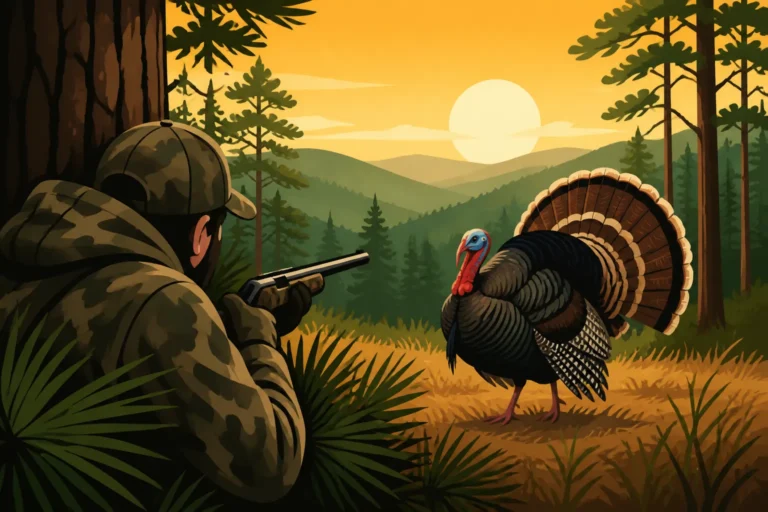
The primary challenge for many hunters is accurately identifying legal birds in the field. In Arkansas, the rule is clear: you can only harvest gobblers or male turkeys with a visible beard. This means if you can't clearly see a beard, you need to pass. While it might seem obvious, it can be tricky in low light, dense cover, or when a bird is moving quickly. It's vital to be absolutely certain before you pull the trigger. If there's any doubt, let the bird walk. A missed opportunity is always better than an illegal harvest, which carries significant penalties and, more importantly, hurts the conservation efforts. Experienced hunters often rely on multiple visual cues beyond just a beard, such as larger body size, darker plumage, a redder head, and the distinct swagger of a strutting gobbler. Even if you're out Calling Arkansas Gobblers in the Ozarks or using specific Turkey Tactics in Arkansas Pine Plantations, confirming your target is crucial.
Hunter Education and Staying Informed
Staying current with regulations is a continuous process. The AGFC regularly updates its hunting regulations, and it's incumbent upon every hunter to review these changes annually. Resources like the AGFC's website, hunting publications, and even mapping applications like GoHunt provide up-to-date information on season dates, zone limits, and specific rules like the hen harvest ban. Don't rely on outdated information or hearsay from a friend; always go directly to the source. Understanding regulations like Arkansas Turkey Daily Limit and Arkansas Turkey Zone Differences ensures you're hunting legally and responsibly. Your commitment to staying informed is a direct contribution to the conservation goals, helping ensure that wild turkeys continue to thrive across Arkansas for generations to come.
Disclaimer
This guide is intended for informational purposes only and is not a substitute for the official Arkansas Game and Fish Commission hunting regulations. Always consult the current AGFC hunting guide before planning any hunting trip, as regulations can change.