Where Arkansas Quail Remain
It’s a bittersweet memory for many of us, isn't it? The unmistakable whistle of a bobwhite quail, once a common sound across the Arkansas landscape, is now a rarer treasure. If you're like me, you remember a time when coveys would explode from brushy field edges with startling regularity, but those days feel long gone. The truth is, finding quail in Arkansas today takes a bit more know-how, a lot more scouting, and an understanding of where these resilient birds are managing to hang on. This guide will help you understand why quail populations have changed and, more importantly, where you still have a real chance of finding them across the Natural State.
The Vanishing Whistle: Why Arkansas Quail Declined
The story of the bobwhite quail in Arkansas, much like in many other parts of the Southeast, is one of dramatic decline over the last several decades. It's a heartbreaking reality for those of us who grew up with their calls echoing through the autumn woods. This isn't just about fewer birds; it's about a fundamental shift in the very landscapes they called home, a change that has left them with precious few places to thrive.
Habitat Loss and Fragmentation: The Primary Culprit
When we talk about the decline of the bobwhite, habitat loss is almost always at the top of the list, and for good reason. Imagine a quilt, vibrant and varied, made up of small fields, brushy fence rows, open woodlands with plenty of undergrowth, and patches of native grasses. That's what prime quail habitat used to look like across much of Arkansas. These diverse landscapes provided everything a quail needed: nesting cover in tall grasses, escape cover in thickets, brooding cover with bare ground for insect foraging, and dependable food sources like seeds and insects.
Over time, that quilt has been torn apart and replaced with much larger, more uniform pieces. "Clean farming" practices, driven by agricultural efficiency, meant clearing those brushy fence rows, converting small pastures to vast row crops, and spraying herbicides to eliminate "weeds" – many of which were crucial food and cover plants for quail. Timber practices also shifted; instead of open, managed pine and hardwood stands with natural regeneration and prescribed fire, we saw denser timber plantations that choked out the sunlight and undergrowth critical for quail. This fragmentation means even if a small pocket of good habitat remains, it's often isolated, making it harder for quail to move between areas, find new mates, or recover from local pressures. The birds simply lost the mosaic of cover they needed for every stage of their life cycle, leaving them incredibly vulnerable.
Predation, Weather, and Other Pressures
While habitat is undoubtedly the biggest piece of the puzzle, it's not the only factor contributing to the significant drop in quail numbers. Other pressures, often exacerbated by a weakened habitat base, have also played a role. Increased predator populations, for instance, are a serious concern. Animals like raccoons, opossums, skunks, coyotes, and bobcats thrive in altered landscapes, and without dense, secure nesting and escape cover, quail nests and young birds become easy targets. It’s a cascading effect: poor habitat means fewer places to hide, which means higher predation rates, which in turn leads to even fewer birds to reproduce.
Weather patterns, too, can be devastating to vulnerable quail populations. Severe droughts can impact insect populations (a critical food source for chicks) and delay the growth of crucial cover plants. Conversely, prolonged periods of heavy rain during nesting and brooding seasons can flood nests or chill young chicks, leading to significant mortality. When quail populations are robust and habitat is abundant, they can often bounce back from a tough year. But with already reduced numbers and fragmented habitats, a bad weather event can set a local population back for years, sometimes even eliminating it entirely. Disease, while less understood for wild quail, can also contribute to localized losses, particularly in stressed populations. It's a tough world out there for a bobwhite, and without proper cover, everything seems to be working against them. You can read more about Arkansas Bobwhite Quail Decline to grasp the full scope.
Pockets of Persistence: Where Quail Still Hold On
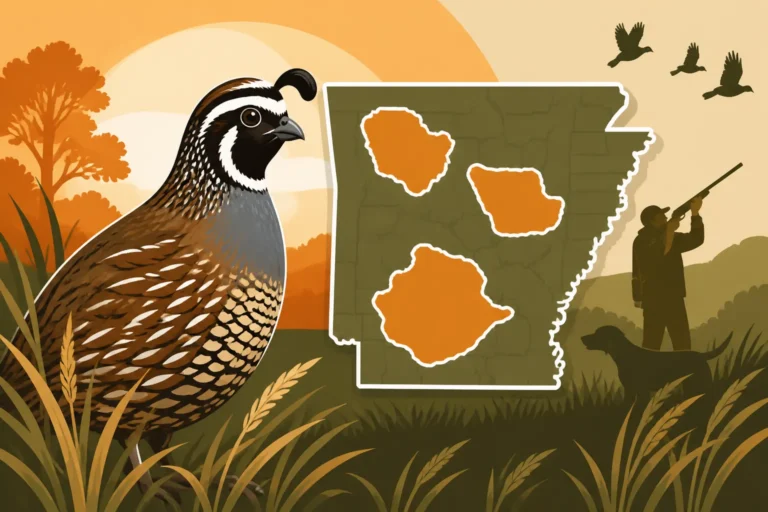
Despite the widespread decline, the good news is that bobwhite quail haven't completely disappeared from Arkansas. They still persist in certain areas, often in landscapes where the habitat conditions have remained somewhat intact or where dedicated efforts have been made to restore and manage for them. Finding these areas requires a discerning eye and an understanding of what truly constitutes good quail country in the modern age.
Managed Public Lands and WMAs
If you're looking for public land quail hunting opportunities in Arkansas, your best bet lies with Wildlife Management Areas (WMAs) and national forest lands that actively manage for early successional habitat. The Arkansas Game and Fish Commission (AGFC) and other agencies have recognized the critical need for quail habitat and have implemented specific programs. These are often in regions like the Ouachita and Ozark National Forests, or certain WMAs in the Delta and Gulf Coastal Plain that have specific management goals beyond just deer or ducks.
For instance, some areas within the Ouachita National Forest, particularly where timber management includes frequent prescribed burning and thinning, can create the open understory and diverse vegetation that quail need. Look for areas with a mix of pine and oak, interspersed with native grasses, brambles, and brushy draws. Similarly, some WMAs, particularly in the western and southern parts of the state, might have designated "quail focus areas" or sections managed with disking, burning, and planting native warm-season grasses. These aren't vast quail factories, mind you, but rather pockets where dedicated management creates small, huntable populations. It pays to check the individual WMA management plans or annual hunting regulations on the AGFC website to identify these specific focus areas. Learning how to scout these areas effectively, perhaps with a tool like GoHunt's mapping features to analyze satellite imagery for habitat types, can give you a significant advantage. Arkansas Quail Focus Areas is a good resource to delve deeper into these specific locales.
Private Land Initiatives and Farm Pockets
While public lands offer some hope, a significant portion of Arkansas's remaining quail habitat, and arguably its strongest populations, are found on private lands. This isn't always through vast, expensive conservation programs, but often in the forgotten corners of farms, ranch lands, or timber tracts where landowners have a personal connection to the bird or have adopted specific conservation practices. You might find a small covey holding out in an old fallow field that hasn't been tilled in years, surrounded by unkempt hedgerows and a woodlot with a patchy understory. These "wild" coveys on private land are treasures.
Some private landowners, often in partnership with conservation organizations like Quail Forever or through federal programs, are actively managing their properties for quail. This might involve planting native warm-season grasses, establishing food plots specifically for upland birds, creating brush piles, or using prescribed fire. Finding these landowners and securing permission to hunt is a challenge, but the rewards can be significant. Often, these are smaller operations, perhaps cattle ranches with extensive native rangeland, or timber companies that utilize selective harvesting and burning. Using GoHunt to identify parcels with promising habitat characteristics, like unmanaged field edges or patchy timber, and then diligently knocking on doors, can be a way to find these hidden gems. Remember, a respectful approach and an offer to help with habitat work can go a long way in building trust with landowners.
Table of Ideal Quail Habitat Characteristics and Where to Look
Understanding what makes good quail habitat is key to finding where they persist. Here's a quick guide:
| Habitat Characteristic | Why It's Important for Quail | Where to Look in Arkansas |
|---|---|---|
| Native Warm-Season Grasses | Provides nesting cover, insect foraging, and escape from predators. | Managed CRP (Conservation Reserve Program) fields, WMA quail focus areas. |
| Brushy Thickets/Hedgerows | Critical escape cover from raptors and ground predators, thermal cover. | Old fence lines, riparian buffers, unkempt field edges, clearcuts. |
| Open Woods/Pine Savannas | Provides food (seeds, insects), roosting sites, easy travel paths. | Frequently burned pine stands, thinned timber in Ozark/Ouachita forests. |
| Food Plots/Seed-Producing Weeds | Supplements natural food sources, especially in lean times. | Untilled field corners, borders of agricultural fields, planted food plots. |
| Bare Ground (20-40%) | Essential for chick movement, insect foraging, and dusting. | Areas with light grazing, prescribed burns, or disking. |
The Path Forward: Conservation and Hunter Efforts
While the outlook for Arkansas's bobwhite quail can seem bleak at times, it's not a lost cause. There are dedicated individuals, organizations, and state agencies working tirelessly to bring back this iconic game bird. Hunters, too, play a vital role in both supporting these efforts and understanding how their own actions can contribute to quail recovery.
AGFC Restoration Programs and Focus Areas
The Arkansas Game and Fish Commission (AGFC) has not given up on the bobwhite. They have actively engaged in various Arkansas Quail Restoration Efforts, recognizing the ecological and cultural importance of these birds. These efforts often focus on restoring and managing habitat on public lands, primarily WMAs, and by providing assistance and incentives to private landowners. The AGFC works to implement prescribed fire, conduct timber thinning, plant native grasses, and control invasive species in designated "quail focus areas" across the state. These areas are chosen because they either historically supported robust quail populations or still possess the underlying conditions necessary for restoration.
Their approach often involves creating early successional habitat, which mimics the patchy, diverse landscape that quail need. This means clearing dense undergrowth, rotating native grass plantings, and encouraging the growth of beneficial forbs and shrubs. While these programs are long-term commitments, they offer some of the best opportunities for hunters to find quail on public ground. Keeping up with AGFC publications and attending local conservation meetings can provide valuable insights into where these efforts are yielding results. Using tools like GoHunt can also help you overlay AGFC public land boundaries with satellite imagery to identify areas that look like they've been managed for early successional growth or have ideal edge habitat.
Hunter Contributions and Habitat Improvement
Hunters are often the most passionate conservationists, and their involvement is absolutely crucial for quail recovery. Beyond purchasing licenses and stamps that fund AGFC programs (including quail habitat work), individual hunters can make a tangible difference. One of the most impactful ways is through private land management. If you own land, even a small parcel, consider implementing quail-friendly habitat improvements. This could involve creating brush piles, leaving field edges unmowed, planting native warm-season grasses, or exploring prescribed burning with professional guidance. Even small efforts can create vital islands of habitat that contribute to regional populations. Organizations like Quail Forever offer excellent resources and even technical assistance for landowners interested in habitat work.
For those who hunt primarily on public land, advocating for continued and expanded habitat management is key. Attend public meetings, communicate with AGFC biologists, and support conservation initiatives. When you're out scouting, pay attention to habitat details and learn to identify the types of cover and food sources that quail need. This knowledge, combined with advanced scouting tools, can help you locate the elusive coveys that remain. It's a commitment, but the reward of hearing that bobwhite whistle, knowing you played a part in its survival, is truly priceless. Just remember, it's a marathon, not a sprint, and every bit of effort helps these remarkable birds recover their foothold in Arkansas. You might also want to explore Small Game and Squirrel Hunting in Arkansas for broader small game strategies that can sometimes overlap with quail habitat.
Conclusion: The Future of Arkansas Quail Hunting
Finding quail in Arkansas today isn't like it was for our grandparents. It requires a deeper understanding of habitat, a commitment to scouting, and often, a bit of luck. The widespread changes in agriculture and timber management have undoubtedly taken their toll, pushing these once-abundant birds into smaller, more fragmented pockets. Yet, there is hope. Through dedicated conservation efforts by the AGFC and private landowners, and the unwavering support of hunters, we can still find and cherish the bobwhite quail in specific, well-managed areas.
Whether you're exploring the pine savannas of a national forest, diligently knocking on doors for private land access, or contributing to habitat improvements on your own property, every effort counts. It's a testament to the resilience of the bobwhite and the passion of Arkansas hunters that these birds continue to whistle from the edges of fields and the depths of thickets. The future of quail hunting here isn't about vast numbers, but about treasuring the coveys we find and working tirelessly to ensure that the iconic call of the bobwhite never truly fades from our Natural State.
Disclaimer
This article is for general informational purposes only and does not constitute professional advice. Laws, prices and regulations vary by location and change over time. Consult a qualified professional for guidance on your specific situation.