Armadillo and Nutria Spread in the Delta
For those of us who spend any time in the fields, forests, and flooded timber of the Arkansas Delta, it's become increasingly clear: our wildlife landscape is subtly, but surely, changing. It’s not just the deer, ducks, and turkeys we talk about anymore. There are new, rather unwelcome, residents making their presence known – the armadillo and the nutria. These critters aren't just an odd sight; their growing numbers are posing real challenges for landowners, farmers, and the delicate ecosystems we cherish. This guide will walk you through understanding why these animals are spreading, what their impact is, and what you can do about it.
Understanding the New Neighbors: Armadillos and Nutria in the Delta
It's easy to dismiss these animals as quirky or even cute at first glance, but their rapid expansion in the Arkansas Delta brings with it a host of concerns. They're not native to our state, and when non-native species establish themselves, they can disrupt the natural balance in ways that are hard to predict and even harder to reverse.
The Armadillo Invasion: More Than Just a Funny Critter
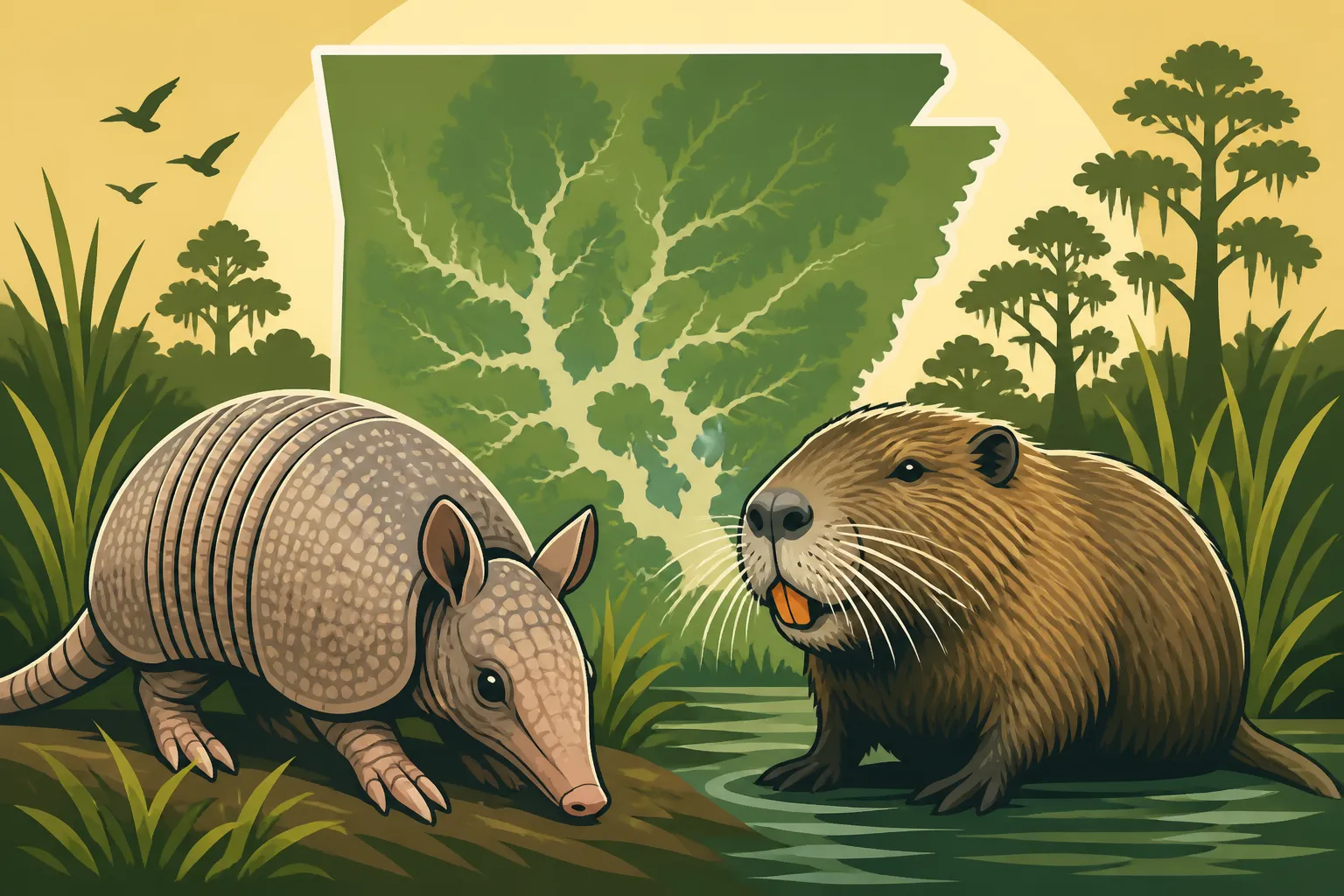
The nine-banded armadillo, with its distinctive armored shell and long snout, has been steadily marching northward and eastward for decades. While they might seem like a novelty to some, anyone who’s had their yard, garden, or food plot dug up knows the frustration they cause. They’re constantly rooting around, sniffling through the soil in search of grubs, worms, and insects. This isn't just a minor nuisance; their incessant digging can undermine foundations, damage agricultural fields, and make it downright dangerous to walk through a pasture or levee, especially when you consider where Delta bucks bed in standing water and how this digging can impact cover.
I’ve heard countless stories from folks in the Delta about armadillos turning freshly planted rows of soybeans or corn into a moonscape of tiny craters overnight. Imagine the effort and expense of planting a meticulously prepared food plot for deer, only to wake up and find it thoroughly churned by these armored little excavators. It’s enough to make a seasoned hunter pull their hair out. They're particularly fond of moist, loose soil, which, as you can imagine, describes a good portion of the Delta perfectly. This digging also exposes soil, potentially leading to erosion in delicate areas.
Nutria: Aquatic Rodents Changing the Landscape
Nutria are a different beast entirely, literally. These large, semi-aquatic rodents look like a muskrat on steroids, often weighing upwards of 20 pounds, with bright orange incisors and a round, rat-like tail. Originally brought to the U.S. for their fur, they escaped or were released and have since become a significant invasive species problem in many southern wetlands. The Arkansas Delta, with its abundance of bayous, rivers, sloughs, and flooded fields, offers them an ideal home.
Their impact is far more devastating to the ecosystem than armadillos. Nutria are voracious vegetarians, and they don't just graze on plants; they completely devour them, roots and all. They consume up to 25% of their body weight in vegetation daily. This "eat-out" behavior destroys vast expanses of wetland plants, leading to what we call "nutria eat-outs" – barren patches of mud where vibrant marsh once stood. This loss of vegetation leads to severe erosion, impacts water quality, and destroys critical habitat for native species like ducks, geese, and other waterfowl. If you’re trying to manage for ducks in areas like Bayou Meto WMA or other key waterfowl zones, the destruction caused by nutria is a direct threat to the very habitat that attracts Mallard Numbers Wintering in Arkansas and other species.
Why They're Spreading: Factors Contributing to Their Presence
Understanding why these non-native species are thriving in the Arkansas Delta is key to figuring out how to manage them. It's a combination of geography, climate, and a lack of natural checks and balances that allows them to reproduce and expand largely unchecked.
Habitat Sweet Spots and the Delta's Allure
For both armadillos and nutria, the Arkansas Delta offers a smorgasbord of ideal living conditions. Armadillos prefer mild climates and loose soils rich in insects and grubs. The Delta, with its long, warm seasons and fertile, often sandy loam, provides exactly that. As winters become milder, their northern expansion continues, allowing them to establish populations in areas they once couldn't survive. They don't hibernate, so a harsh winter can be a natural check, but those are becoming rarer.
Nutria, on the other hand, are drawn to the Delta’s abundant wetlands and agricultural water systems. Our extensive network of rivers, bayous, oxbows, ditches, and flooded rice and soybean fields provides them with endless access to food and water. They construct burrows in banks and levees, often weakening these critical structures, which is a massive headache for farmers managing irrigation and flood control. The lush vegetation of the Delta’s Arkansas Wetland Acres Managed for Ducks and farm fields, from cattails and bulrushes to young rice and corn plants, offers an unlimited buffet. It's a paradise for them, but a nightmare for native plant communities and the wildlife that depend on them.
A Lack of Natural Predators
One of the biggest factors contributing to the unchecked spread of both armadillos and nutria is the relative absence of natural predators capable of controlling their populations. While larger predators like coyotes, bobcats, and even some eagles might occasionally take a young or vulnerable animal, they typically aren't numerous enough or specialized enough to significantly impact burgeoning populations of these invasive species.
Think about it: an armadillo's armored shell is a pretty good defense against most local predators. And nutria, being semi-aquatic and quite large, are formidable prey. Alligators, primarily in the southern reaches of the Delta, might prey on nutria, but their distribution isn't widespread enough to put a real dent in the problem across the entire region. This void means that both species can reproduce quickly and establish themselves without the natural population controls that keep native species in check. Without these natural mechanisms, their numbers can explode, leading to the more noticeable and destructive impacts we're now seeing.
The Impact on Arkansas's Ecosystems and Landowners
The consequences of these invasive species aren't just aesthetic; they hit landowners and the natural environment where it hurts the most – in the wallet and in the health of our precious ecosystems.
Damage to Agriculture and Infrastructure
For farmers in the Delta, armadillos and nutria represent a tangible threat to their livelihoods. Armadillos digging in fields can damage emerging crops, loosen soil around roots, and make irrigation less efficient. They're not generally interested in eating the crops themselves, but their constant digging is a major issue, especially in newly planted areas or those being managed for specific forage.
Nutria, however, are direct crop destroyers. They'll gorge on young rice, corn, and other field crops, causing significant losses. Beyond direct crop damage, their burrowing habits are a serious problem for the intricate network of levees, dams, and irrigation canals that are vital to Delta agriculture. Their tunnels can weaken these structures, leading to leaks, breaches, and costly repairs. I’ve seen firsthand how a small nutria colony can turn a perfectly sound levee into a sieve, requiring heavy equipment and considerable expense to fix. This isn't just about farming; it's about the very infrastructure that protects communities and manages water across the Delta, impacting everything from Hunting Rice Fields and Levees to flood control for homes.
Competition with Native Wildlife
Beyond the direct damage to human interests, these invaders also compete with our native wildlife for resources. Armadillos, by disturbing soil and consuming insects, can alter the food web for ground-feeding birds like quail and turkeys, or even small mammals. While the direct competition might be subtle, any shift in natural food sources can have ripple effects.
Nutria's impact on wetlands is far more dramatic and direct. By stripping away native vegetation, they eliminate food sources and cover for waterfowl, wading birds, and fish. Imagine entire marsh areas that once provided critical forage for migrating ducks during the Arkansas Duck Season Dates now reduced to barren mudflats. This isn't just a loss of food; it's a loss of crucial nesting sites, protective cover from predators, and staging areas for birds traveling the Mississippi Flyway. The destruction of wetland root systems also destabilizes soil, leading to increased sedimentation and further degradation of aquatic habitats. It's a cascading effect that undermines the very foundation of our waterfowl hunting heritage.
Managing Their Presence: What Landowners and Hunters Can Do
Dealing with established invasive species is rarely easy or quick, but there are steps that landowners, farmers, and even proactive hunters can take to manage armadillo and nutria populations and mitigate their impact. It requires a multi-faceted approach, often combining direct control with habitat management.
Control Methods and Strategies
For armadillos, direct removal is often the most effective method on a localized scale. Live trapping with bait (like rotten fruit or mealworms) can be successful, allowing for relocation or humane euthanasia. Some landowners also employ shooting, where legal and safe, to reduce numbers. However, their nocturnal habits can make this challenging. Exclusion fencing, burying wire mesh a foot or so into the ground, can protect small, high-value areas like gardens or food plots, but it's impractical for large fields.
Nutria control is often more intensive due to their prolific breeding and widespread aquatic habitat. Trapping is a primary method, using live traps or lethal body-grip traps placed strategically in their travel ways or near burrow entrances. Baiting with sweet potatoes or carrots can increase success. Shooting, again where legal and safe, can also contribute to population reduction, especially at dusk or dawn along waterways. Some regions have even explored coordinated control efforts, involving multiple landowners to tackle the problem on a larger landscape scale. Education and awareness are crucial for success; the more people who understand the threat and participate in control, the better.
Monitoring Their Spread and Using Modern Tools
Keeping an eye on where these animals are popping up and how their numbers are changing is incredibly important. Early detection of a new colony of nutria or a sudden influx of armadillos can make control efforts far more effective before the problem spirals out of hand. For landowners and hunters, this means regular scouting and paying attention to signs of their presence.
Mapping tools can be a huge asset here. Services like GoHunt, with their detailed satellite imagery and property line overlays, allow you to observe habitat changes over time, identify potential burrow locations along creeks and ditches, or track areas of past damage. You can use such tools to mark sightings, plan trapping locations, or even coordinate efforts with neighbors. Understanding the terrain, especially when reading aerial photos for Delta deer, can also clue you into areas ripe for these invaders. If you notice fresh digging in a new food plot, or see evidence of vegetation stripped bare along a critical levee you’ve been maintaining for duck season, documenting it helps build a clearer picture of the spread. This vigilance is a critical first step in protecting our native wildlife and the valuable agricultural land that defines the Arkansas Delta.
| Invasive Species | Primary Impact | Preferred Habitat | Control Challenge |
|---|---|---|---|
| Armadillo | Soil disturbance, lawn/garden damage, food plot destruction | Upland forests, open fields, residential areas; prefers moist, loose soil. | Nocturnal habits, armored shell, widespread. |
| Nutria | Wetland destruction, crop damage, levee/bank erosion, competition with native species. | Wetlands, rivers, bayous, irrigation ditches, flooded fields. | Prolific breeders, semi-aquatic, widespread and difficult to access. |
Disclaimer
This article is for general informational purposes only and does not constitute professional advice. Laws, prices and regulations vary by location and change over time. Consult a qualified professional for guidance on your specific situation.