Ouachita National Forest Acreage
Stepping into a place as immense as the Ouachita National Forest can feel like trying to drink from a firehose for any hunter. The sheer scale of it, while exciting, can also be incredibly daunting, leaving you wondering where to even begin. This guide will help you wrap your head around the vast acreage of this incredible hunting ground, offering practical insights into how its size and diverse landscape create unique challenges and unparalleled opportunities for those willing to learn its secrets.
The Sheer Scale of the Ouachita National Forest
There’s a difference between reading a number on a map and truly grasping the enormity of a place like the Ouachita National Forest. It's not just a big chunk of land; it's a sprawling, rugged, and sometimes bewildering expanse that commands respect and thoughtful preparation from anyone hoping to hunt within its borders.
Understanding the Geographic Footprint
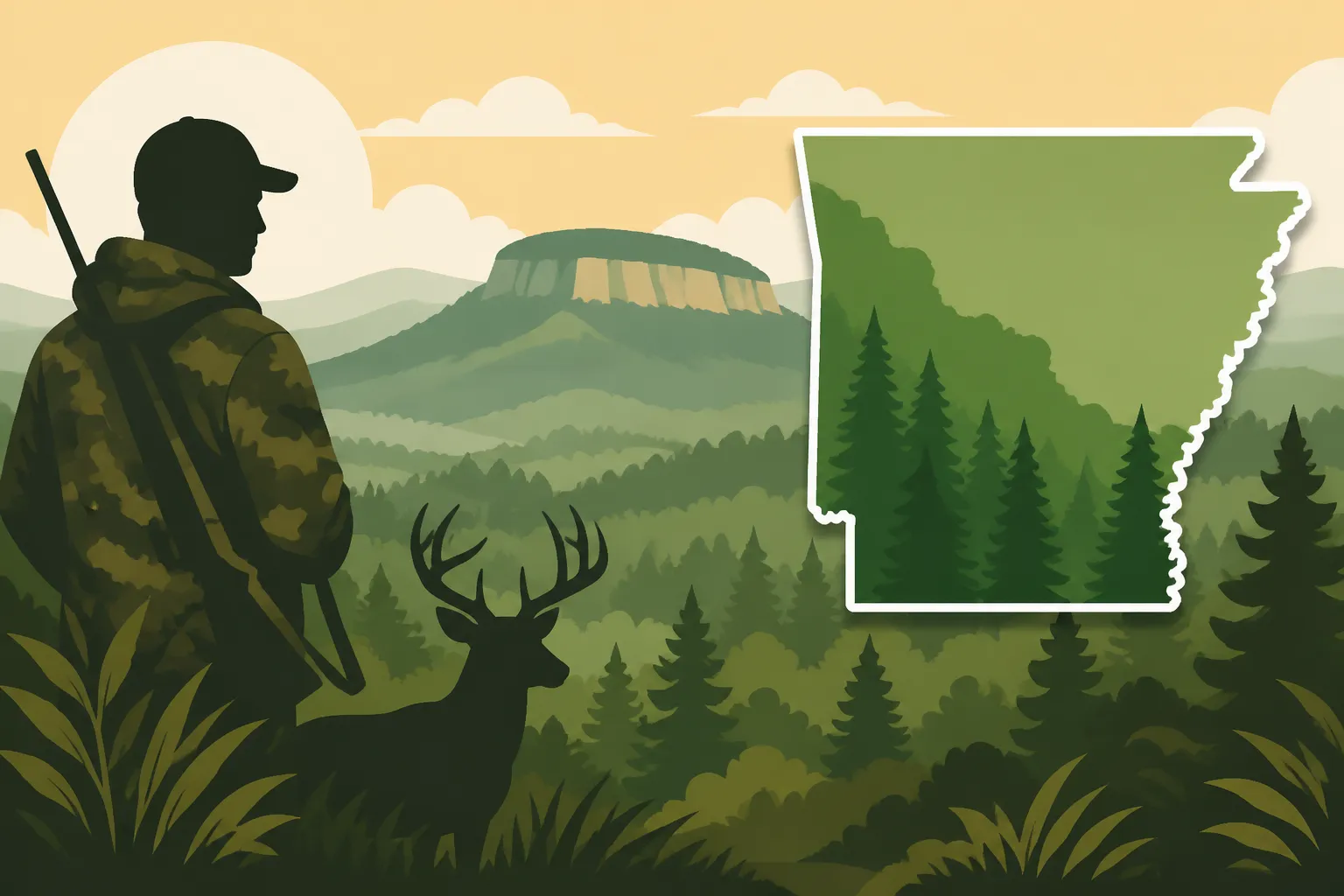
Let's talk numbers for a moment: the Ouachita National Forest encompasses over 1.8 million acres, stretching across west-central Arkansas and into southeastern Oklahoma. Think about that for a second. That's larger than the entire state of Delaware! When you're driving through it, especially on some of the more remote forest roads, you can spend hours with nothing but dense timber and rolling hills on either side. It’s not just a patch of woods; it’s an entire ecosystem, a complex tapestry of mountains, valleys, and countless drainages that defy simple categorization. This isn't your small, easily scouted private farm; this is big country, and it feels every bit as grand and untamed as those millions of acres suggest.
The Arkansas portion alone is immense, covering significant parts of counties like Garland, Montgomery, Polk, Saline, Scott, and Yell. This means that whether you're coming from Little Rock, Fort Smith, or Hot Springs, you're never too far from an access point, but getting deep into the prime hunting areas often means a considerable journey. Understanding this vast, multi-county footprint is the first step to truly appreciating the hunting experience the Ouachita offers, and it's also key to making sense of the varying game regulations and local conditions you might encounter.
Why Acreage Matters to a Hunter
For us hunters, the sheer acreage of the Ouachita is a double-edged sword, offering both immense opportunity and significant challenges. On one hand, millions of acres mean less hunting pressure in many areas compared to smaller, more accessible public lands. You can truly get away from other hunters, find solitude, and feel like you're matching wits with the wild on its own terms. This expanse allows game animals – especially deer, bear, and turkey – to mature, find refuge, and establish unpressured patterns, making for some truly rewarding hunts. It’s where those truly wild, wary animals often reside, far from the road hunters and popular spots.
However, this vastness also means that finding those animals can be incredibly tough. There are fewer distinct "pinch points" or obvious funnels in such a massive, unbroken forest. You're not looking for a deer in a 40-acre woodlot; you're looking for a deer in 1.8 million acres of habitat. This demands a higher level of scouting, a willingness to hike, and an understanding of how to break down such a massive area into manageable chunks. The upside is that when you do connect, knowing you earned it in such an expansive, wild setting makes the experience all the more meaningful.
Navigating the Ouachita's Diverse Terrain
The Ouachita National Forest isn't a monolithic block of trees. Its millions of acres are characterized by a striking diversity of terrain, which directly influences game movement, access, and the tactics you'll need to employ as a hunter.
Mountains, Valleys, and Timber Stands
The Ouachita Mountains are defined by long, east-west trending ridges and deep, winding valleys, which creates a complex landscape. You'll encounter everything from steep, rocky slopes that will test your endurance to gentle creek bottoms that offer vital water sources and travel corridors. The timber itself is varied; large sections are managed pine plantations in various stages of growth, offering thick bedding cover or thinned, open woods depending on their age. Interspersed among these are mature hardwood ridges and pockets, particularly along drainages and north-facing slopes, providing critical food sources like acorns.
This varied terrain is a puzzle for the hunter. A south-facing slope might be warmer, holding deer during a cold snap, while a deep, shaded creek bottom could be a travel route. Pine thickets offer dense cover that deer love to bed in, but they can be impenetrable to hunt. Hardwood flats, especially those dropping acorns, are natural magnets for everything from deer to Black Bear Hunting in Arkansas and turkey. Understanding how these different elements interact is crucial for predicting where game will be at any given time, whether you're still-hunting a ridge or setting up for a morning ambush.
Forest Road Systems and Access Points
Given the immense size of the Ouachita, accessing its interior would be impossible without its extensive network of roads. You'll find everything from well-maintained paved highways (like sections of Highway 7 and 27) that cut through the forest, to gravel Forest Service roads, and even countless smaller, unpaved logging roads and ATV trails. These roads are your lifelines, providing entry points into areas that would otherwise be unreachable. However, they also come with their own set of considerations. Many smaller roads are seasonally closed, become impassable after heavy rains, or are simply rough enough to require a high-clearance, four-wheel-drive vehicle.
It’s absolutely essential to consult detailed maps and current conditions before venturing deep into the Ouachita. Apps like onX Hunt are invaluable here, allowing you to see the road network, identify legal access points, and distinguish between main roads and smaller trails that might lead to prime hunting spots. These tools can also help you avoid inadvertently trespassing on private inholdings within the forest, which is a common concern in such a patchwork landscape. Don't rely solely on old paper maps; the forest changes, and so do its roads. Checking the Arkansas National Forest Road Access status is a must for proper planning.
Public Land Management and Hunting Opportunities
The Ouachita National Forest isn't just a wild expanse; it's a managed forest, and how it's managed directly creates and shapes the hunting opportunities we enjoy. Understanding the rhythm of forest management can be a huge advantage for hunters.
How the Forest Service Manages This Huge Area
The U.S. Forest Service actively manages the Ouachita for multiple uses, including timber production, recreation, and wildlife habitat. This means that large sections of the forest are subject to logging, which, while sometimes unsightly initially, is a critical component of habitat creation. Fresh clearcuts quickly grow into dense, brushy areas that provide excellent bedding cover and browse for deer and rabbits. Thinned pine stands create more open understories, allowing sunlight to reach the forest floor and promoting the growth of palatable forage. Prescribed burns are also used to reduce fuel loads and stimulate new growth, creating a mosaic of habitats that benefit various species.
This active management leads to a constantly evolving landscape. What was a thick clearcut last year might be huntable timber this year, and a newly burned area might be a hot spot for fresh browse. Hunters who take the time to understand these cycles and use tools like satellite imagery (often found within onX Hunt or similar mapping platforms) can identify these areas from afar and pinpoint potential hunting locations. It's about seeing beyond just the trees and understanding the dynamic processes at play that influence where animals live and feed.
Specific Hunting Zones and Regulations
While the entire Ouachita National Forest falls under the umbrella of federal land, hunters must still adhere to Arkansas Game and Fish Commission (AGFC) regulations, which often divide the state into various deer and bear zones. The Ouachita typically spans multiple zones, each with its own specific bag limits, season dates, and antler restrictions. For example, understanding the rules for Arkansas Deer Seasons and Zone Limits and Arkansas Bear Seasons and Zone Quotas in the particular zone you plan to hunt is non-negotiable.
Additionally, some portions of the Ouachita might be designated as Wildlife Management Areas (WMAs) or have specific restrictions on certain hunting methods, such as ATV use or baiting. Always check the most current AGFC regulations and map tools (like the AGFC map tool) for the exact area you intend to hunt. This due diligence ensures you're hunting legally and ethically within the framework established for such a significant public resource. Ignorance of the rules, even on a vast national forest, is never a good defense!
Planning Your Hunt in the Expansive Ouachita
Hunting in the Ouachita National Forest, with its vast acreage and challenging terrain, demands a level of planning that goes beyond what you might need for smaller tracts. Preparation isn't just helpful; it's absolutely essential for safety and success.
Essential Scouting and Mapping Tools
When you're dealing with hundreds of thousands of acres, you simply cannot scout it all on foot. This is where modern technology becomes your best friend. Detailed mapping applications like onX Hunt are indispensable. They allow you to overlay property boundaries (public vs. private), identify old logging roads and trails that might not appear on standard maps, mark potential bedding areas, food sources, and water, and even track your movements in real-time. Before you even set foot in the woods, you should be pouring over aerial and topographical maps, looking for subtle changes in elevation, creek drainages, and areas of diverse timber types that might hold game.
Beyond immediate navigation, consider platforms like GoHunt that can offer broader landscape analysis or specific hunting season data relevant to your area. Supplement digital tools with traditional compass skills and a paper map as a backup – batteries die, and signals drop in the deep Ouachita woods. Marking out potential ingress and egress routes, identifying emergency rendezvous points, and understanding the general lay of the land from a bird's-eye view before you go can save you hours of wasted time and prevent getting turned around in the vastness. It's about breaking down the millions of acres into manageable, huntable sections. Scouting Arkansas Public Land Before Season is not a suggestion, it's a requirement for success here.
Logistical Considerations for Multi-Day Hunts
The Ouachita is ideal for multi-day hunting trips, allowing you to venture deeper and spend more time immersed in the environment. However, this requires careful logistical planning. Camping is often allowed on the national forest, though rules can vary, so familiarize yourself with Camping on Arkansas WMAs guidelines if applicable or general Forest Service rules. You'll need to consider how to pack in enough water and food for the duration of your trip, as resupply points can be dozens of miles away.
Emergency preparedness is paramount. Cell service is spotty to non-existent in many remote areas, so a satellite communication device (like a Garmin inReach or Zoleo) is highly recommended for safety. Pack a comprehensive first-aid kit, extra layers of clothing, fire-starting materials, and sufficient lighting. Think about how you'll recover game from deep within the forest; a game cart, pack frame, or even a pre-planned rendezvous with a vehicle on a remote forest road might be necessary. The Ouachita is not a place to be underprepared; its beauty and wildness demand respect and foresight.
Game Species That Thrive in the Ouachita's Vastness
The immense acreage and diverse habitat of the Ouachita National Forest create an ideal environment for a variety of game species, offering hunters different challenges and rewards depending on their quarry.
Deer, Bear, and Turkey Populations
The primary draw for many hunters in the Ouachita is its robust populations of white-tailed deer, black bear, and wild turkey. The sheer amount of undeveloped land provides extensive cover, food, and breeding grounds, allowing these animals to thrive. While deer densities might not be as high as in some agricultural areas like the Delta, the Ouachita produces some impressive, hard-earned bucks for those willing to put in the effort. These are often truly wild, wary animals, reflecting the rugged nature of their habitat. You can learn more about their distribution in White-Tailed Deer Across Arkansas.
Black bears have made a remarkable comeback in Arkansas, and the Ouachita is one of their strongholds. The dense timber, diverse food sources (like acorns and berries), and remote areas provide perfect bear habitat. Hunting these intelligent animals requires patience, knowledge of their habits, and often, a willingness to traverse steep terrain. The turkeys here are classic Ozark and Ouachita birds – tough, responsive gobblers that will test your calling skills and woodsman-ship. Their distribution and behavior are well covered in Wild Turkeys in Arkansas.
Smaller Game and Predator Opportunities
Beyond the big three, the Ouachita also offers good opportunities for small game and predator hunting. Squirrels, both fox and gray, are abundant, especially in areas with mature hardwoods that produce acorns and hickory nuts. A quiet walk through an oak bottom on a crisp fall morning, listening for the chatter and cuttings, can be incredibly rewarding. Squirrel Hunting Arkansas Hardwoods is a perfect way to experience the forest without the intensity of a big game hunt.
Coyotes and bobcats also roam the Ouachita, thriving on the deer and small game populations. Hunting these predators can be an exciting challenge, especially with calling techniques. Their populations often benefit from timber management activities, which create areas of dense cover interspersed with more open ground, providing ideal hunting conditions for these opportunistic hunters. You might find valuable information for these hunts in Coyote and Bobcat Calling in Arkansas. While not traditional "game," the Ouachita's expanse provides habitat for various other furbearers and offers a chance for unique outdoor experiences beyond the main seasons.
Challenges and Rewards of Ouachita Hunting
Hunting in the Ouachita National Forest is certainly not for the faint of heart, but for those who embrace its unique demands, the rewards are often far greater than just a filled tag. It's an experience that tests your limits and deeply connects you with the wild.
The Physical Demands and Remote Nature
Let's be real: hunting the Ouachita is physically demanding. The long, steep ridges, deep valleys, and often rugged, uneven terrain will push your endurance. You'll be climbing, descending, and traversing through thick brush and over rocky ground, often miles from the nearest road or vehicle. This isn't a sit-in-a-food-plot kind of hunt. You need to be in good physical condition, and you need to understand your limits. The remote nature also means you’re largely on your own. Assistance is often hours away, and self-reliance is key.
But this challenge is precisely what many hunters seek. The satisfaction of climbing a difficult ridge at dawn, knowing you earned every step, and then outsmarting an animal in its wild domain is unparalleled. When you finally punch a tag deep in the Ouachita, it's not just a trophy; it's a testament to your preparation, perseverance, and connection to the wilderness. The effort you put in directly correlates to the profound sense of accomplishment you feel when you're successful.
Finding Seclusion and Untapped Potential
One of the greatest rewards of hunting the Ouachita's vast acreage is the opportunity for genuine seclusion. In many popular public land areas, you're constantly bumping into other hunters or hearing distant shots. In the Ouachita, if you're willing to walk a mile or two (or five) from the nearest road, you can often find yourself in a truly undisturbed sanctuary. This means less pressured animals, more natural movement patterns, and a deeper sense of peace and immersion in nature.
The sheer size also means there's always untapped potential. There are countless hollows, ridges, and forgotten corners that rarely see a human footprint. With diligent scouting (both on maps and on foot), a willingness to explore, and a bit of adventurous spirit, you can discover hidden gems – areas that consistently hold game because they're simply too remote or difficult for most hunters to access. This quest for the "unfound" spot, the area where game lives undisturbed, is a powerful motivator and a core part of the Ouachita hunting experience.
| Feature / Aspect | Ouachita National Forest Hunting | Delta Hunting (for comparison) |
|---|---|---|
| Acreage | Over 1.8 million acres (Arkansas/OK) | Smaller, often fragmented WMAs & private |
| Terrain | Rugged mountains, steep ridges, valleys, mixed timber | Flat, bottomland, agricultural fields, flooded timber |
| Primary Game | Deer, Bear, Turkey (healthy populations, wary) | Deer, Waterfowl (high density, strong migrations) |
| Hunting Style | Physically demanding, still-hunting, glassing, calling, deep woods scouting | Stand hunting, blind hunting, drives, often water-dependent |
| Access | Extensive forest road network (can be rough), hiking | Levees, farm roads, boats for flooded areas |
| Pressure | Lower in remote areas, higher near main roads | Can be very high, especially for waterfowl & early deer |
| Navigation | Critical with topo maps (onX Hunt), GPS, compass | Easier terrain, but water levels change boundaries |
| Camping | Often permitted, primitive sites common | Specific WMA camping rules, can be limited |
| Game Recovery | Physically challenging, game carts, pack frames | Easier on flat ground, but can require boats/ATVs |
| Natural Challenges | Steep climbs, vastness, remote emergencies, limited cell service | Water levels, mud, mosquitos, thick vegetation |
Disclaimer
This article is for general informational purposes only and does not constitute professional advice. Laws, prices and regulations vary by location and change over time. Consult a qualified professional for guidance on your specific situation.