Vehicle Rules on Arkansas WMAs
It's incredibly frustrating to get out to your favorite hunting spot on an Arkansas Wildlife Management Area (WMA) only to realize you're not entirely sure where you can legally drive or park your vehicle. The rules can sometimes feel like a maze, especially when you're looking at an old logging road or a tempting two-track that might lead to a great stand location but isn't marked as open. This guide is all about cutting through that confusion, helping you understand the vehicle rules on Arkansas WMAs so you can avoid a citation and focus on your hunt.
Understanding Designated Roads and Access Points on WMAs
One of the foundational principles of vehicle use on Arkansas WMAs is the concept of "designated roads." This isn't just a fancy term; it's the key to understanding where you can and cannot drive. Essentially, the Arkansas Game and Fish Commission (AGFC) manages these areas for wildlife, and unrestricted vehicle travel can disturb habitat, create erosion, and disrupt other hunters. Because of this, vehicle access is generally limited to roads that are specifically designated for public use.
What Constitutes a "Designated Road"?
So, what exactly is a designated road? Often, these are well-maintained gravel or dirt roads that are clearly marked on official WMA maps. They might have signage at the entrance, indicating that they are open to vehicles. However, it's not always so clear-cut, and that's where a lot of the frustration comes in. You might encounter what looks like a perfectly fine road, perhaps an old logging path or a utility right-of-way, but if it's not explicitly designated, driving on it could land you in hot water.
The AGFC uses its resources to identify and maintain these primary access routes. These roads are typically designed to get hunters and other users to specific sections of the WMA, where they can then disembark and continue on foot. It's not uncommon for these designated roads to skirt the perimeter of a WMA or lead to specific parking areas, campgrounds, or boat launches. The intent is to provide reasonable access without allowing vehicles to crisscross the entire landscape, which would defeat the purpose of managing the land for wildlife. Always consult the official WMA map for the area you plan to hunt; these maps are your best friend for identifying legal access points. You might find a detailed map by exploring the Using the AGFC Map Tool on their website or app.
How to Identify Legal Access and Avoid Closed Areas
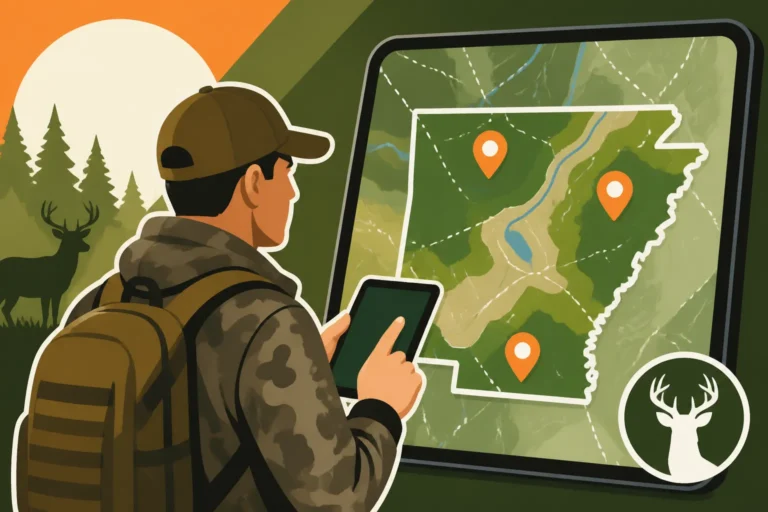
Identifying legal access points is crucial before you even hit the road. Many hunters rely on GPS mapping applications like onX Hunt, which can be invaluable for showing WMA boundaries, public/private land distinctions, and often, designated roads and trails. While these apps are fantastic, always cross-reference with the official AGFC WMA maps, especially for the specific rules and regulations of that particular WMA, as some WMAs have unique restrictions.
Imagine you're scouting for a good spot to hang a stand in bottomland hardwoods. You see a faint two-track leading off the main gravel road. Without checking a map, it might seem like a shortcut to where you want to go. However, if that two-track isn't a designated road, you're not only risking a ticket but also potentially disturbing an area meant for foot traffic only. This is where applications like onX Hunt truly shine; they often overlay AGFC WMA boundaries and can highlight legal roads versus closed trails or off-limits areas. Being prepared by studying these maps at home, perhaps even marking potential access points and long-walk entry routes, can save you a lot of grief in the field. This attention to detail is also incredibly helpful when you're trying to figure out Where to Hang a Camera in Big Timber or simply How Far to Walk From the Parking Lot to get away from other hunters.
Specific Vehicle Types and Their WMA Regulations
Arkansas WMAs have different rules depending on the type of vehicle you're operating. It's not a one-size-fits-all situation, and what's allowed for your everyday pickup truck might be completely prohibited for your ATV or an electric bike. This distinction is critical for hunters to understand, as the penalties for misuse can range from a simple warning to a hefty fine and even the loss of hunting privileges.
All-Terrain Vehicles (ATVs) and Utility Task Vehicles (UTVs)
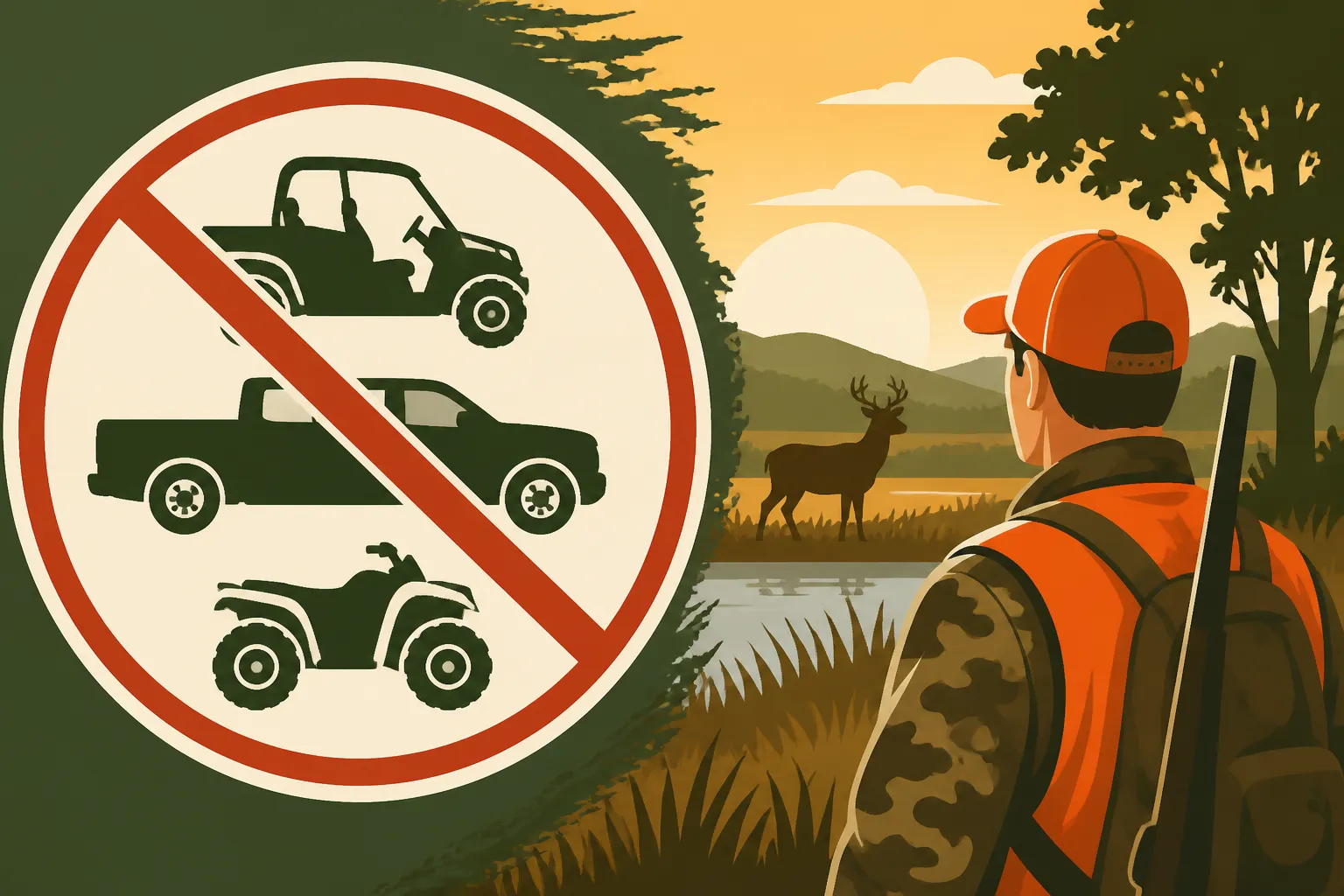
ATVs and UTVs are a common sight in hunting camps across Arkansas, offering a fantastic way to transport gear, retrieve game, and access remote spots on private land. However, their use on AGFC WMAs is often much more restricted than on private property. Generally, ATVs and UTVs are only permitted on designated roads that are open to vehicular traffic. They are typically NOT allowed on trails, fire breaks, or other routes not specifically marked as open for such use. This can be a tough pill to swallow for some, especially if you're used to riding your side-by-side right up to your deer stand back home.
The reasoning behind these restrictions is sound: ATVs and UTVs can cause significant damage to sensitive habitats, create excessive noise, and lead to increased erosion, particularly during wet conditions. They can also greatly increase hunting pressure in areas that are intended to be more remote and challenging to access. If you're planning to use an ATV or UTV on a WMA, your first step should always be to consult the specific WMA regulations for that area. Some WMAs might have specific "ATV trails" or limited sections where they are allowed, but these are exceptions rather than the norm. For a broader overview, you can look into ATV Rules on Arkansas Public Land. Remember, even if you’re driving your side-by-side on a legal designated road, staying on the main track is paramount, and veering off onto what looks like a game trail is almost certainly a violation.
Highway-Legal Vehicles and Electric Bikes
For most hunters, their primary mode of transportation to and around a WMA will be a highway-legal vehicle—a truck, SUV, or car. These vehicles are generally permitted on all designated roads that are open to public vehicular traffic. The important caveat here, again, is "designated roads." You can't just drive your truck across a field or down a faint path unless it's clearly marked as an open road. This is especially true for parking, which we'll delve into shortly.
Electric bikes, often referred to as e-bikes, represent a newer category of vehicle that can cause confusion. In many contexts, an e-bike is treated more like a traditional bicycle than a motorized vehicle. On most Arkansas WMAs, if a trail is open to bicycles, it's generally open to e-bikes as well, provided they meet certain power output limitations (usually under 750 watts) and are used in a manner consistent with a traditional bicycle. This means you typically can't operate them in an overly powerful, "motorcycle-like" fashion where traditional bikes aren't allowed. However, always check the specific WMA regulations, as some areas may have stricter interpretations or outright prohibitions on any motorized conveyance, including certain classes of e-bikes. The beauty of an e-bike, for many, is the ability to cover more ground quietly and efficiently, getting you deeper into areas that might otherwise require a long walk. Just make sure the path you're taking is legal for bikes in the first place.
Here's a quick overview of common vehicle types and their general status on Arkansas WMAs:
| Vehicle Type | General WMA Status (Designated Roads Only) | Common Restrictions/Notes |
|---|---|---|
| Highway-Legal Vehicle (Car, Truck, SUV) | Allowed | Must stay on designated roads; parking only in designated areas. |
| ATV/UTV (All-Terrain/Utility Vehicle) | Generally Restricted | Typically only allowed on specific designated WMA roads/trails; check individual WMA rules. |
| Electric Bicycle (E-Bike) | Generally Allowed on Bicycle Trails | Treated like a bicycle if within power limits; check specific WMA rules for motorized interpretation. |
| Traditional Bicycle | Allowed | Allowed on designated roads and trails open to bicycle traffic. |
| Dirt Bike/Motorcycle | Restricted | Generally not allowed off designated public roads, similar to ATVs. |
Parking and Leaving Your Vehicle on WMA Lands
Finding a legal and safe spot to park your vehicle on an Arkansas WMA can sometimes feel like a puzzle. It's not just about pulling off the road wherever it's convenient; there are specific rules in place to ensure access remains clear, habitat isn't damaged, and other users aren't inconvenienced. Ignoring these rules is a quick way to find a citation on your windshield.
Where You Can (and Can't) Park on a WMA
The golden rule for parking on a WMA is to park in designated parking areas. These are typically marked with signs and might consist of gravel lots, pull-offs, or widened sections of a road. If a designated parking area exists, that's where your vehicle needs to be. Many of these areas are intentionally placed to provide access to different sections of the WMA, allowing hunters to spread out and find their own spots.
However, we all know designated parking spots aren't always available right where you want to hunt. In many instances, if there isn't a specific parking lot, you are allowed to park along the shoulder of a designated road, provided you do not block traffic and your vehicle is completely off the main traveled portion of the road. This means no parking half on the road, half off. Every bit of your vehicle needs to be clear of the flow of traffic. Parking in a way that obstructs gates, access roads, or turnaround spots is also a definite no-go. This is common sense, but under the cover of darkness before a morning hunt, it's easy to pull over hastily without considering the full implications. Knowing your options for Scouting Arkansas Public Land Before Season can also help you identify good parking spots beforehand.
The Frustration of Limited Parking and "Off-Road" Parking
The reality on many popular WMAs, especially during peak seasons like modern gun deer season or the opening days of duck season, is that designated parking areas fill up fast. This can lead to frustration, forcing hunters to walk further than planned or search extensively for a legal spot. You might see others pushing the limits, parking in ditches or pulling far off the road into what looks like a field edge. While tempting, these "off-road" parking scenarios are generally prohibited.
Driving your vehicle into a field, cutting through brush, or parking deep in the woods, even if it seems harmless, usually falls under the umbrella of "creating new access roads" or "damaging habitat," both of which are serious violations. The intent is to prevent the proliferation of unofficial trails and to maintain the integrity of the WMA's natural environment. It might feel like a minor offense to pull your truck just a few feet into the woods to hide it better, but the cumulative effect of many hunters doing this is detrimental. Even for Camping on Arkansas WMAs, vehicles are usually restricted to designated camping areas or specific pull-offs, not just any open spot you find. When you're using a mapping app like onX Hunt, it often shows these designated parking areas, making it easier to plan your approach.
Enforcement and Consequences of Vehicle Rule Violations
Nobody wants to deal with a game warden during a hunt, especially not for a preventable violation. The AGFC takes vehicle rules on WMAs seriously because they are fundamental to managing these public lands for wildlife and for the benefit of all hunters. Understanding the potential consequences can serve as a strong motivator to always follow the rules, even when it feels inconvenient.
Common Violations and What They Entail
Some of the most frequent vehicle violations encountered on Arkansas WMAs include:
- Driving off designated roads: This is probably the biggest and most common offense. It involves taking any vehicle—truck, ATV, UTV, or even sometimes an e-bike—onto trails, fields, fire breaks, or other areas not clearly marked as open for vehicular traffic.
- Improper parking: Parking in a way that obstructs traffic, blocks gates, damages vegetation, or is simply not in a designated area.
- Operating prohibited vehicles: Using vehicles like dirt bikes or certain ATVs in areas where they are explicitly not allowed.
- Driving during closed hours: Some WMAs might have specific gates that close after dark, and driving past these or being in an area during closed hours can be a violation.
When a game warden encounters a vehicle violation, their response can vary based on the severity of the offense and their discretion. For minor, first-time offenses, you might receive a warning. However, don't count on it. More often, you'll be issued a citation, which comes with a fine. These fines can add up quickly, especially if the violation is deemed to have caused environmental damage or was particularly egregious. For serious or repeat offenses, you could face more severe penalties, including the confiscation of your vehicle, the loss of your hunting license, and even court appearances. These aren't just theoretical possibilities; they happen every season to hunters who didn't take the rules seriously.
The Impact on Your Hunting Privileges and Public Land Access
Beyond the immediate financial cost, a vehicle rule violation can have lasting impacts on your hunting privileges. Depending on the nature of the offense, it could lead to points against your hunting license, which can accumulate and result in a temporary or even permanent suspension of your ability to hunt in Arkansas. Imagine losing access to the Arkansas Modern Gun Deer Hunting season or even the Bowhunting Arkansas's Five-Month Archery Season because of a poor parking choice. It's a tough lesson to learn.
Furthermore, widespread disregard for vehicle rules can lead to stricter regulations across the board. If land managers constantly have to deal with new unauthorized trails, habitat destruction, and litter from off-road vehicle use, their response will likely be to further restrict access for everyone. This can be particularly impactful on areas with high Hunting Pressure on Arkansas WMAs, where managers are already trying to balance access with conservation. By adhering to the rules, individual hunters contribute to the sustainability of public hunting opportunities for the entire community. It's a small but significant way to ensure that these valuable resources remain open and healthy for generations to come. If you ever witness someone violating these rules, you can consider Reporting a Poacher in Arkansas to help protect the resource.
Navigating WMA Vehicle Rules Like a Pro
Successfully navigating the vehicle rules on Arkansas WMAs isn't about being lucky; it's about being prepared and respectful. By taking a proactive approach, you can ensure your hunt is focused on the pursuit of game, not the worry of a ticket.
Utilize Official Maps and Digital Tools
The absolute best defense against vehicle violations is to meticulously study the maps of the WMA you plan to visit before you ever leave home. The AGFC website and its various publications are the primary sources for these maps. Many WMAs have specific rules and maps available for download that clearly delineate designated roads, parking areas, and restricted zones. Don't assume that rules from one WMA apply universally to another; always check the specifics for your destination.
Beyond official paper maps, digital mapping applications have become indispensable tools for modern hunters. Tools like onX Hunt overlay WMA boundaries, public and private land ownership, and often, the same designated roads you'll see on AGFC maps, onto satellite imagery. This allows you to visualize the terrain and potential access points with incredible detail. Some services, like GoHunt (though less focused on mapping specifically for vehicle access, it's great for overall hunt planning), provide detailed breakdowns of hunt units and regulations that can complement your map study. Taking the time to mark legal parking, potential walking routes, and any "no-go" areas on your digital map before your hunt can save you immense frustration and potential fines in the field. This preparation is as crucial as scouting game trails or figuring out Treestand Setups in Delta Hardwoods.
Plan Your Access and Be Prepared to Walk
Given the limitations on vehicle access, a key strategy for hunting WMAs effectively is to plan for significant foot travel. Many of the most productive and least pressured areas on WMAs are those that require a long walk from a designated parking spot. This means being physically prepared and having the right gear for extended hikes. Think about how you'll get your gear in and, more importantly, how you'll get a harvested animal out when you can't drive your truck right up to it.
For instance, if you're targeting ducks in a flooded timber WMA, you'll often park at a designated spot and then wade or use a boat to get to your hunting area. For deer hunters in the Ozarks, this might mean a strenuous hike up and down ridges. Planning for this reality means packing light but efficiently, considering game carts or specialized packs for extraction, and allowing ample time for travel to and from your stand. Embrace the walk; it's often the best way to get away from the crowds and find those less pressured animals, whether you're Hunting Ozark Ridges and Hollows for Deer or trying to access remote flooded areas in the Delta.
When in Doubt, Ask or Err on the Side of Caution
If you're ever unsure about a specific road, trail, or parking spot on a WMA, the best course of action is to err on the side of caution. Don't drive down a questionable path "just to see." Instead, consult your maps again. If still in doubt, reach out to the AGFC directly. A quick call to the local office or even flagging down a game warden you see on patrol can clarify uncertainties before they become violations.
Game wardens are there to enforce regulations, yes, but they are also a fantastic resource for hunters. Most are more than happy to answer questions and help hunters understand the rules, especially when approached respectfully. It's far better to ask a question beforehand than to receive a ticket because you made an assumption. Remember, these rules are in place not to make hunting harder, but to protect the resource and ensure fair and safe hunting opportunities for everyone who ventures out onto Arkansas's incredible public lands.
Disclaimer
This article is for general informational purposes only and does not constitute professional advice. Laws, prices and regulations vary by location and change over time. Consult a qualified professional for guidance on your specific situation.