Hunting the Arkansas Rut by Zone
One of the biggest head-scratchers for deer hunters in Arkansas is trying to pinpoint the "rut." It’s not just one big event that happens everywhere at once, and that can lead to a lot of frustration, missed opportunities, and wasted time in the woods. You might hear stories of bucks chasing hard in one county while your own stands are as quiet as a church mouse. This guide is all about cutting through that confusion, helping you understand the nuances of deer breeding activity across our beautiful state, and equipping you with the zone-specific tactics you need to be in the right place at the right time.
Understanding the Arkansas Rut Phenomenon
It's a common misconception that deer across an entire state, or even within large regions, all enter the breeding phase at the same time. The reality, especially in a state as geographically diverse as Arkansas, is far more complex. Understanding why the rut varies is the first step to hunting it effectively.
The Science Behind the Rut: Explaining Photoperiod and Doe Cycles
At its core, the whitetail rut is primarily triggered by photoperiod – the changing length of daylight hours as we transition from fall into winter. As the days get shorter, it signals to a deer's endocrine system that it's time to prepare for breeding. This biological clock is incredibly strong, ensuring that fawns are born in spring when food resources are plentiful and the weather is mild, giving them the best chance of survival.
However, while photoperiod sets the general timeframe, it's not the only player in the game. Doe estrous cycles, which typically last around 24-36 hours, are central to the whole affair. Bucks are driven by the scent and behavior of does in or approaching estrus. A doe will come into estrus roughly every 28 days until she's bred. This means that while there's a primary, most intense period of breeding activity, there can also be secondary and even tertiary ruts later in the season as unbred does cycle again. Weather, hunting pressure, and nutrition can all influence the intensity and visibility of rut activity, making it feel less predictable than the science suggests.
Variations Across the State: Why Isn't It Uniform?
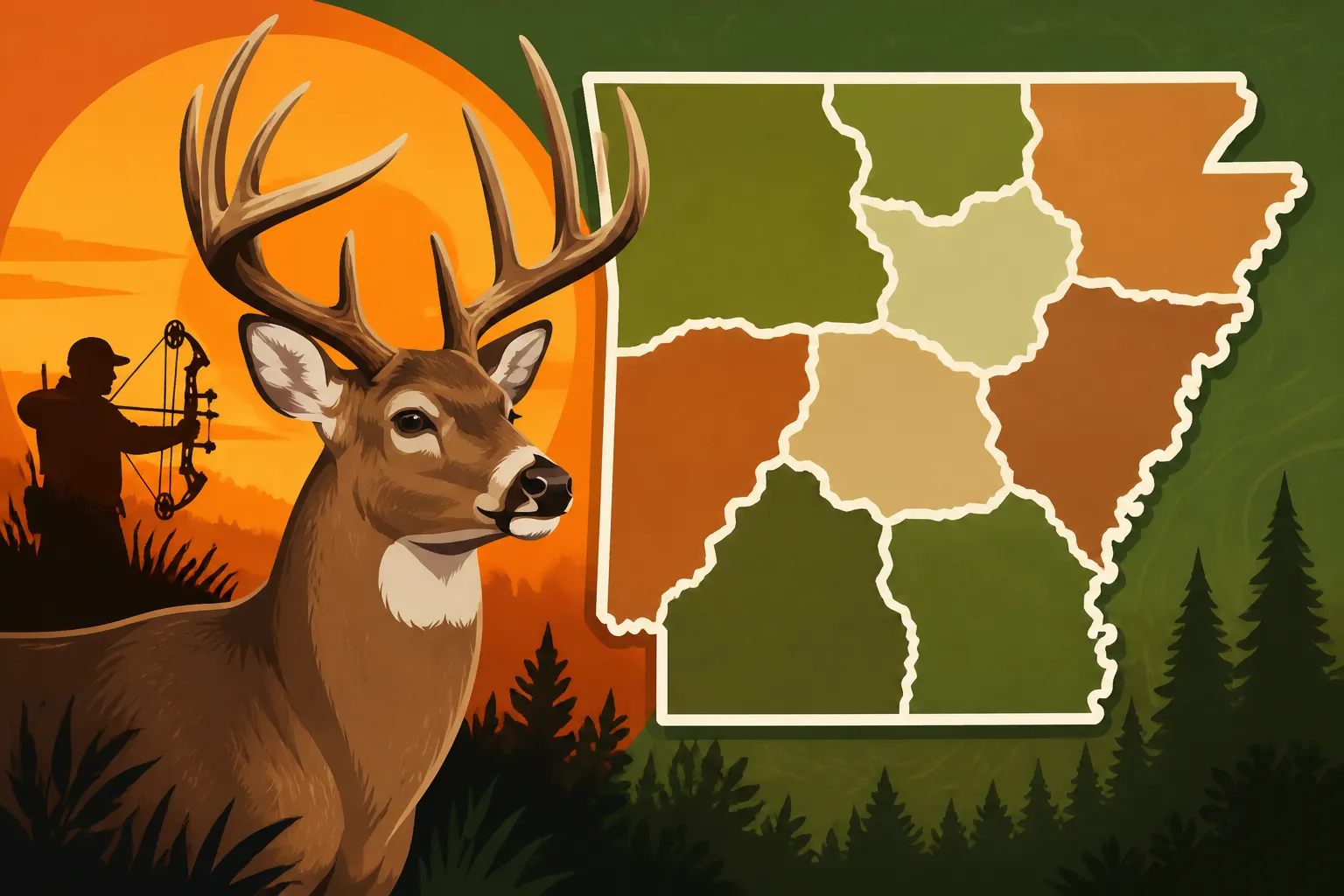
So, if photoperiod is the main driver, why do we see such pronounced differences in rut timing across Arkansas? The answer lies in a combination of factors, including latitude, genetics, habitat, and even historical reintroductions. For instance, deer populations in the northern Ozarks, often at higher latitudes, tend to exhibit a slightly earlier rut than those further south in the Delta. This isn't just a matter of a few miles, but subtle differences in day length signals.
Genetics also play a fascinating role. Historically, deer were reintroduced into various parts of Arkansas from different source populations, some of which had adapted to slightly different rut timings in their native ranges. Over generations, these genetic predispositions can persist, contributing to the patchwork of rut dates we see today. The availability and quality of nutrition, influenced by habitat types like the rich agricultural lands of the Delta versus the more sparse mountain forests, can also affect doe health and their readiness to breed, further tweaking the timing. You might find it helpful to consult resources like the AGFC's data on deer zones and what they mean to understand these regional differences better.
Common Misconceptions: Debunking Popular Myths
When we talk about the rut, there's a lot of folklore and old wives' tales floating around. One of the most common misconceptions is that the rut is just a single, chaotic week where every buck loses its mind. While there certainly can be intense periods, the rut is actually a longer process with distinct phases: the pre-rut (when bucks start seeking and scraping), the chase phase (when bucks actively pursue does), the breeding phase (when does are receptive and pairs are often locked down), and the post-rut.
Another myth is that cold weather triggers the rut. While a cold snap can certainly make bucks more active and visible, encouraging them to move more during daylight hours, it doesn't actually initiate the biological process. That's still largely photoperiod driven. Good hunting weather merely makes the activity more apparent to us as hunters. Also, don't fall into the trap of thinking a full moon dictates rut activity. While lunar phases might influence nocturnal movements, robust scientific studies haven't consistently linked them to the onset or peak of actual breeding.
Deciphering the Rut in the Ozark and Ouachita Zones
The mountainous regions of Arkansas, encompassing the Ozark and Ouachita National Forests, present a distinct set of challenges and opportunities when it comes to hunting the rut. The terrain itself dictates much of how deer move and interact during this critical period.
Early Stages: Seeking and Chasing in the Mountains
In the higher elevations and rugged landscapes of the Ozarks and Ouachitas, the first noticeable signs of rut activity often begin in late October, building into early to mid-November. This "pre-rut" phase is characterized by an increase in buck movement, particularly younger bucks, as they begin to assert dominance, establish hierarchies, and actively seek out the first does approaching estrus. You’ll start seeing a lot more rubs appearing on saplings and small trees, and fresh scrapes will pop up, especially along field edges, old logging roads, and ridge tops. Bucks aren't necessarily breeding yet, but they're definitely preparing and testing the waters.
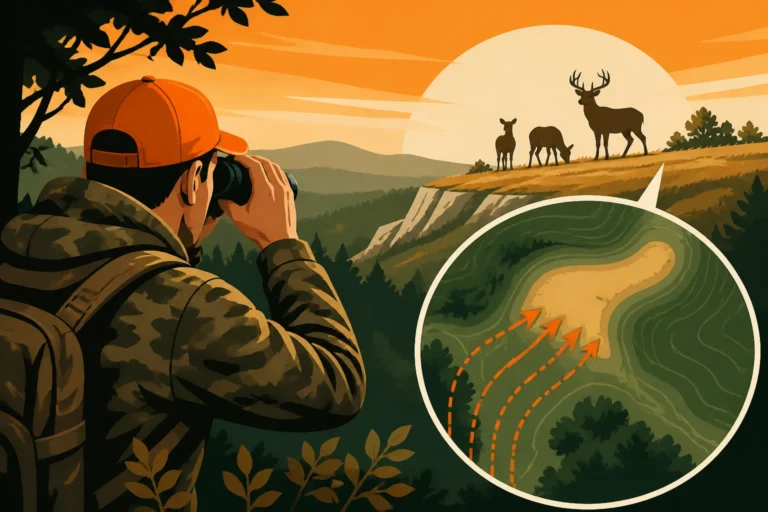
This is a prime time for hunters who prefer to capitalize on a buck's heightened vulnerability and curiosity. Bucks are moving, but not yet completely locked down with does, which makes them susceptible to calling and rattling. Understanding how to scout these areas effectively, such as by Reading an Ozark Bench for Deer, can significantly improve your chances. Focus on natural funnels between bedding and feeding areas, saddle crossings, and the benches along hillsides where deer often travel.
Peak Breeding Activity: Focusing on Scrapes and Travel Corridors
The peak breeding window in the Ozark and Ouachita zones typically falls in mid-November, often extending through Thanksgiving week. This is when the majority of does come into their primary estrous cycle, and buck activity hits its zenith. Mature bucks that were once mostly nocturnal will often be seen during daylight hours, frantically chasing does. The woods will be alive with activity, from frantic chases to bucks tending does in thick cover.
During this time, it's crucial to shift your focus from purely food-driven strategies to areas that facilitate breeding. This means keying in on fresh, active scrape lines and natural travel corridors that connect known bedding areas with secondary food sources or water. Bucks will revisit these scrape lines to check for receptive does. Don't underestimate the power of pinch points in the terrain – saddles, narrow ridges, creek bottoms that force deer into predictable paths. Consider Hunting Ozark Ridges and Hollows for Deer to understand how to exploit these natural pathways. Patience is paramount, as bucks might be locked down with a doe for a day or two before resuming their search.
Post-Peak: Exhaustion and Secondary Ruts
As November turns to December, the intense, high-energy chase phase begins to wane. Bucks, having expended massive amounts of energy during the peak rut, will enter a period of recuperation. Their focus shifts back to feeding heavily to regain lost weight. However, the rut isn't entirely over. Many does that weren't bred during the primary window will cycle again, typically about 28 days later. This can lead to a "secondary rut" in early to mid-December, where you might see another surge of buck activity, though usually less intense and sustained than the primary peak.
During this post-peak phase, hunting tactics should adapt. While some chasing might occur, bucks are often more focused on easy, high-calorie food sources. Look for areas with persistent acorns, late-season food plots, or newly Hunting Arkansas Cutovers and Clearcuts that offer browse. Public land hunters might find less pressure, and with many hunters focused on the holiday season, these later opportunities can be quite productive for a savvy hunter. A good mapping tool like GoHunt can help you identify these specific food sources and how deer might access them from nearby bedding cover as they try to regain weight.
Navigating the Rut in the Arkansas River Valley and Delta Zones
Transitioning from the rugged mountains, the Arkansas River Valley and particularly the vast, flat expanse of the Delta present an entirely different rut scenario. The later timing and unique habitat demands a distinct approach.
Delta's Unique Timing: Later Rut Due to Habitat and Genetics
If you're hunting in the rich agricultural belt of eastern Arkansas, the Delta, you'll quickly notice that the rut operates on a different schedule. While the Ozarks are seeing peak action in mid-November, the Delta's rut typically kicks off later, often peaking from late November through the first two weeks of December, and sometimes extending robustly into January. This later timing is attributed to a combination of factors, including the historical origins of the deer herd (many deer were restocked from southern populations with later rut timings) and the extremely rich nutritional environment, which may influence doe cycling.
This later rut means hunters often enjoy an extended period of deer activity, sometimes coinciding with the cooler temperatures of early winter. Bucks will still rub and scrape, but often in the dense cover of river bottoms, swamps, and along the edges of vast crop fields. Understanding Hunting the Delta Rut in January is crucial for those who are committed to this later, often very productive, period. It's a different game, with different rules, and you need to be prepared for it.
River Valley Transition: Blending Mountain and Delta Influences
The Arkansas River Valley acts as a fascinating transitional zone, showcasing influences from both the Ozark/Ouachita highlands and the flat, fertile Delta. Here, you might find rut timing that falls somewhere in between, or even a more prolonged, less distinct peak. Pockets of deer might rut earlier, influenced by nearby mountain genetics, while others closer to the river and its bottomlands might align more with the Delta's later schedule.
Hunting the River Valley requires adaptability. You can't rigidly apply a single rut calendar. It's often about reading local sign – fresh rubs, scrapes, and observed deer behavior – to gauge where the deer are in their breeding cycle. This means boots-on-the-ground scouting is even more critical here, perhaps even more so than in other parts of the state. Look for areas where different habitat types converge, such as where timbered hills meet agricultural fields or where creek bottoms feed into the larger river system. These convergence zones can be hotspots for buck activity as they patrol for does across varied landscapes.
Hunting Flooded Timber and Agricultural Edges
The Delta's rut offers unique challenges and incredible rewards, largely due to its dominant habitat types: vast agricultural fields and expansive flooded timber. When hunting the Delta rut, your focus needs to be on these specific features. Bucks will heavily utilize the cover of flooded hardwoods, often traveling through knee-deep water or more, to move between bedding areas and feeding grounds. Setting up a Treestand Setups in Delta Hardwoods requires understanding water levels, current, and deer travel patterns within that unique environment.
Along the edges of agricultural fields – whether it's cut beans, standing corn, or winter wheat – bucks will cruise, scent-checking for does feeding in the open. These edges, especially where thick cover meets the field, are prime locations for ambushing a cruising buck. Don't be afraid to set up ground blinds in key pinch points along these edges, or even use portable climbing stands to get above the dense brush lines. The key here is patience and understanding that bucks are often seeking, not necessarily chasing, at these locations.
| Rut Zone | General Peak Timing | Key Habitat Types | Recommended Tactics |
|---|---|---|---|
| Ozarks/Ouachitas | Mid-November | Hardwood forests, ridges, hollows | Still-hunting, rattling, calling, saddles |
| Arkansas River Valley | Mid-November to Early December | Mixed timber, agricultural fields, river bottoms | Adaptable, reading local sign, transition zones |
| Delta | Late Nov – Mid-December (into Jan) | Flooded timber, agricultural fields, swamps | Treestands in timber, field edges, patience |
Key Rut Indicators and Scouting Strategies
Successful rut hunting isn't just about knowing when the rut is happening; it's about confirming it with real-time evidence in your hunting area. Smart scouting, both before and during the season, provides the critical intelligence you need.
Interpreting Rubs and Scrapes: Fresh vs. Old Sign
Rubs and scrapes are a buck's calling cards during the rut, but they're only useful if you can accurately interpret them. A rub is where a buck has stripped bark from a tree with his antlers, often leaving behind scent from glands on his forehead. Fresh rubs will be shiny, sometimes still moist, with wood shavings on the ground. Older rubs will be dull, dried out, and weathered. A line of fresh rubs indicates a buck is actively marking his territory and often following a travel route.
Scrapes are pawed-out areas of bare earth, typically under an overhanging branch (the "licking branch") that a buck has marked with urine, glandular scents, and sometimes even droppings. An active scrape will have fresh, disturbed earth, often with wet leaves or mud churned up. The licking branch above it might be chewed or broken. The scent will be palpable. Once a scrape dries out or is covered by leaves, it's losing its relevance. Focus on scrapes that are actively being worked, and don't be afraid to freshen them up with a little scent if permitted in your zone. A tool like GoHunt's mapping features can help you mark and monitor these rub and scrape lines over time. This data is invaluable for understanding buck behavior.
Using Trail Cameras for Rut Insights: Timing and Location
Trail cameras are invaluable for understanding the specific timing and intensity of the rut in your hunting area. Don't just place them on a random feeder. During the pre-rut and rut, strategic camera placement is key. Focus cameras on active scrape lines, natural funnels, pinch points, and the intersections of known deer trails. Positioning them to cover a licking branch on a scrape can tell you which bucks are visiting and when.
Reviewing your camera photos daily, or as frequently as possible, will provide real-time updates on buck movement patterns. You’ll be able to see when the daytime activity of bucks ramps up, when they start chasing does, and when they begin to "lock down" with receptive does, which might make them temporarily disappear from your cameras. This information is far more reliable than generic rut calendars and allows you to adjust your hunting schedule and stand locations on the fly. Don't forget, when checking your cameras, minimize your disturbance to the area.
Pre-Rut Scouting and Stand Placement
The groundwork for a successful rut hunt is laid long before the peak activity begins. Pre-rut scouting, ideally done in late summer or early fall, allows you to identify key bedding areas, primary food sources (like white oak or red oak acorn crops), and the major travel corridors connecting them. As the pre-rut begins, these routes will start to show more rub and scrape activity.
This is the time to strategically place your stands or blinds. Think about prevailing winds, entry and exit routes that minimize disturbance, and potential shooting lanes. During the rut, bucks will often cruise downwind of known doe bedding or feeding areas, scent-checking for estrous does. Therefore, a stand placed on the downwind side of a doe bedding area or a funnel can be incredibly effective. Consider using a mapping app like GoHunt to mark all your rubs, scrapes, and bedding observations to create a comprehensive plan. Remember, silent and low-impact access to your stand is paramount during the rut, as deer activity is often very sensitive to human pressure. For more detailed insights, check out Scouting Arkansas Public Land Before Season.
Effective Hunting Tactics During the Rut by Zone
Once you've done your homework and identified where and when the rut is happening in your zone, it’s time to put those boots on the ground with some effective tactics. The approach you take should be tailored to the specific environment you’re in.
Still-Hunting and Calling in Mountain Terrain
In the sprawling, often rugged landscapes of the Ozarks and Ouachitas, still-hunting can be an incredibly effective tactic, especially during the pre-rut and early chase phases. Instead of sitting idly, you're actively moving through the woods, slowly and deliberately, scanning constantly for movement. This method is particularly good when bucks are cruising widely, covering ground looking for does. Focus on moving into the wind or crosswind, utilizing terrain features for cover, and pausing frequently to observe and listen. The goal is to move like a predator, using your eyes and ears as much as your feet.
Coupled with still-hunting, strategic calling can be a game-changer. During the rut, bucks are curious and aggressive. Grunt calls, especially a tending grunt that mimics a buck with a doe, can pull a cruising buck off his path. Rattling and Grunting in Arkansas can be extremely effective in the mountains, mimicking two bucks fighting over a doe. Start with light rattling and grunts, increasing intensity if you don't get a response. Always be ready for a shot when calling, as a buck can appear quickly and silently.
Treestand Strategies for Delta Hardwoods
Hunting the Delta's expansive flooded timber or dense river bottoms during the rut calls for a different set of strategies, primarily revolving around treestands. Elevated positions are crucial here due to the often thick undergrowth and potential for standing water. Your stands should be placed along natural travel corridors, such as slight rises in the terrain, dry ground ridges, or pinch points between water features that funnel deer movement.
When picking a tree, think about concealment – not just from the ground, but from all directions. Deer often use specific trails through the timber, so identify these highways and position your stand to intercept. Pay close attention to wind direction, especially as it relates to water flow, as thermals can be tricky in bottomland. Sometimes, setting up two stands for different wind directions in a hot area is a smart move. Patience is key; a buck might be tending a doe for hours or even a full day in dense cover before moving again.
Decoy Use and Rattling Volume
Decoys can be a powerful tool during the rut, especially for mature, dominant bucks. A single buck decoy, positioned correctly, can enrage an actual buck into coming in to challenge it, giving you a shot. However, decoy use requires careful consideration. Make sure your decoy is visible but not easily identifiable as fake until the buck is committed. Place it where you have clear shooting lanes, and always ensure your wind is blowing away from your setup, as a buck will likely circle downwind. Buck decoys work best during the pre-rut and early chase phases when bucks are still establishing dominance.
Rattling and grunting, as mentioned for the mountains, also work in the Delta, but the volume and intensity might need to be adjusted. In thick, dense cover, sound doesn't travel as far, so you might need to be more aggressive with your rattling sequences to get attention. Conversely, in more open areas, you might scale back. The key is to match the intensity of your calling to the habitat and the observed behavior of the deer. Experiment with different sequences and volumes, and always be prepared for a quick shot after a call sequence. Don't forget that What the Three-Point Rule Did to Arkansas Bucks can mean some of those younger, aggressive bucks might be more willing to respond to a challenge.
Post-Rut Considerations and Late Season Opportunities
Just because the intense, primary rut activity has passed doesn't mean your hunting season is over. Savvy hunters know that the post-rut and late season offer distinct opportunities, especially for those elusive mature bucks.
Recuperation and Food Sources
After the physical demands of the rut, bucks enter a period of intense recuperation. They've often lost a significant amount of body weight, sometimes up to 20-30%, and are now singularly focused on finding high-calorie food sources to rebuild their strength and fat reserves for the coming winter. Their priorities shift from breeding to survival.
During this time, your hunting strategy should revolve around food. Look for areas with the best remaining hard mast (acorns), persistent soft mast (persimmons, muscadines if available), or winter food plots like clover, brassicas, or winter wheat. Cut corn or soybean fields in the Delta can be magnets for deer. Bucks will often become more predictable, returning to a consistent pattern of feeding and bedding. They'll generally move less during daylight hours unless pushed, so focus your efforts on prime feeding times, typically early morning and late afternoon. This is a time for patience and covering food sources from a strategic stand.
Secondary Rut and Late Breeding Does
While the main event is over, the potential for a "secondary rut" is a real, albeit often less dramatic, phenomenon. Does that were not successfully bred during their first estrous cycle will typically cycle again approximately 28 days later. This usually means a brief resurgence of buck activity in December and even into January, particularly in the southern zones of Arkansas where the primary rut is already later.
Keep an eye out for renewed chasing behavior, especially around known doe bedding areas. Younger bucks that were too timid to compete during the primary rut might become more active now, as the dominant bucks are exhausted. It’s a good time to revisit those pre-rut funnels and scrapes, as bucks might be checking them again. While it won't be the frantic pace of the peak rut, these late-season pushes can offer excellent opportunities for a patient hunter, especially on those colder, crisp days when deer need to move to stay warm and seek food. For those hunting with modern firearms, Modern Gun Tactics on Arkansas Public Land in late season can be very effective if you're targeting these post-rut food sources.
Filling Tags After the Main Event
Don't despair if you haven't filled your tags by the time the primary rut concludes. The post-rut and late season can be highly productive, especially for antlerless deer, but also for those bucks that have become more focused on survival. With leaves off the trees, visibility can be excellent, and cold weather can concentrate deer around the best food sources.
Focus your efforts on mornings and evenings around secure bedding areas and robust food sources. Be extra stealthy with your entry and exit, as deer will be highly sensitive to pressure. This is also a fantastic time to use a good mapping application like GoHunt to identify thermal cover (like thick pine plantations or dense briar patches) near food, as deer will seek these areas for warmth and security. By adapting your strategy from rut-crazed bucks to food-focused survival, you can significantly increase your chances of success during the challenging but rewarding late season.
Disclaimer
Hunting is an inherently dangerous activity. Always prioritize safety, follow all local and state regulations, and obtain proper licenses and permits before heading into the field. The information provided here is for educational purposes and should not be considered a substitute for personal research, professional guidance, or direct experience. Be aware of changing weather conditions, respect private property, and practice ethical hunting at all times.