Finding an Arkansas Hunting Lease
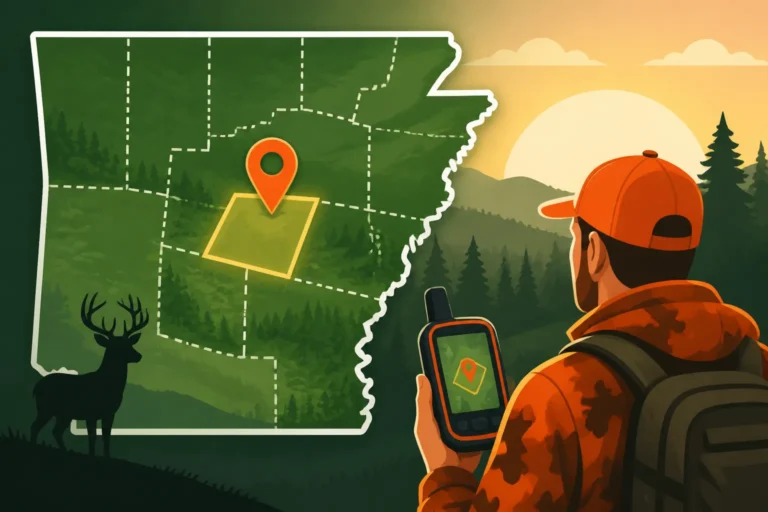
Finding a reliable hunting spot in Arkansas that isn't overcrowded public land or requires knocking on countless doors can feel like a monumental task for many hunters. The lure of consistent access to private ground, managed for wildlife and offering a more predictable experience, often leads hunters to consider a lease. But where do you even begin looking for an Arkansas hunting lease, and how do you navigate the often-complex world of private land agreements? This guide will walk you through the process of locating, evaluating, and securing an Arkansas hunting lease, helping you find that perfect piece of paradise.
Understanding the Arkansas Hunting Lease Landscape
Before you even start looking, it’s crucial to understand the different types of hunting leases available in Arkansas and what each might entail. The state offers a diverse range of habitats, from the flooded timber and agricultural fields of the Delta to the rugged mountains of the Ozarks and Ouachitas, and the type of land often dictates the type of lease.
Types of Hunting Leases in Arkansas
Generally, you'll encounter a few primary categories when it comes to hunting leases. Each comes with its own set of characteristics, benefits, and potential drawbacks, so it’s important to know what you’re getting into.
First, there are the large timber company leases. These are often vast tracts of pine plantations or mixed hardwoods, managed primarily for timber production but offering excellent hunting opportunities. Companies like Weyerhaeuser or Hancock Forest Management frequently lease out blocks of land. These leases can be attractive because they offer large acreage, often at a per-acre rate that can be more accessible, especially for groups. However, you might find that timber operations can impact hunting during your lease term, with clear-cuts changing the landscape rapidly, or logging trucks running through your area. It’s also common for these leases to have specific rules about food plots, ATV use, and permanent structures. Arkansas Timber Company Leases delves deeper into what to expect from these.
Then, you have private landowner leases. These can range from smaller family farms with woodlots and crop fields to larger private holdings specifically managed for hunting. These leases often come with more flexibility in terms of management (like food plots or stand placement), but they can also be more expensive per acre, especially if the landowner has already invested in habitat improvements. The relationship with a private landowner is key here; a good rapport can lead to long-term agreements. These leases vary wildly in size and quality, and the terms are usually more negotiable.
Finally, there are hunting club memberships. While not strictly a lease you hold, joining a hunting club often means you're buying into a share of a larger leased property. This can be a great option for individuals who don't want the full financial burden or responsibility of an entire lease, but still desire private land access. Clubs often have shared facilities like camps and cleaning stations, and a built-in social aspect. However, you'll be subject to the club's rules and schedules, and decision-making is often a group effort, which isn't for everyone. For more on this, check out Arkansas Hunting Club Memberships.
Why Hunters Seek Leases Over Public Land
The reasons hunters gravitate toward leases are pretty consistent across the board. Public lands in Arkansas, while abundant and offering fantastic opportunities, can get incredibly crowded, especially during peak seasons like the modern gun opener. The pressure from other hunters, the constant scent of human presence, and the sheer volume of vehicles can make for a frustrating experience, particularly if you're trying to hunt trophy animals or escape the noise.
With a lease, you gain exclusive access to a defined piece of property for a specified period, typically a year. This means less competition, more control over habitat management, and the ability to truly learn a piece of ground without worrying about someone else beating you to your spot. Imagine spending countless hours scouting, hanging stands, and planting food plots, only to have another hunter set up 50 yards away on opening morning – that's a common public land scenario. A lease eliminates that uncertainty. It allows you to invest your time and effort with the confidence that you're building something for your hunting experience, and perhaps for your family or a small group of trusted friends. It’s about creating consistency and a personal connection with the land.
| Lease Type | Pros | Cons | Ideal For |
|---|---|---|---|
| Timber Company Leases | Large acreage, often more affordable per acre, good for groups, potential for diverse habitat across large tracts. | Timber operations can disrupt hunting, less flexibility on habitat changes, strict rules on access/structures. | Hunters seeking large areas, budget-conscious groups, those comfortable with active timber management. |
| Private Landowner Leases | More flexibility, direct relationship with landowner, potential for customized habitat work, usually stable land use. | Can be more expensive per acre, typically smaller tracts, success often depends on landowner relationship. | Individuals or small groups prioritizing habitat control, long-term relationships, specific trophy goals. |
| Hunting Club Memberships | Shared cost, social aspect, access to larger tracts without full responsibility, often includes camp facilities. | Subject to club rules, limited control over management, scheduling conflicts, potential personality clashes. | Solo hunters, those new to leasing, individuals seeking community and shared resources. |
Where to Look for an Arkansas Hunting Lease
Finding that ideal hunting lease in Arkansas isn't always as simple as a quick online search. It often requires a multi-pronged approach, utilizing online resources, local connections, and good old-fashioned legwork.
Online Marketplaces and Forums
The internet has revolutionized the way we find everything, and hunting leases are no exception. Several dedicated online platforms exist where landowners and timber companies list available leases. Websites specializing in rural real estate or hunting properties are a great starting point. Search terms like "Arkansas hunting lease for rent" or "deer lease Arkansas" will often lead you to these sites. You can usually filter by county, acreage, and even game species, which is incredibly helpful for narrowing down options.
Beyond dedicated lease sites, don't underestimate the power of social media groups and local hunting forums specific to Arkansas. Many informal leases are advertised here by landowners who prefer to deal directly with hunters rather than through a formal agent. These platforms can also be a goldmine for word-of-mouth recommendations or warnings about particular properties or lessors. Be prepared to act quickly if you find something promising, as good leases in desirable areas tend to go fast. While not directly for finding leases, mapping tools like onX Hunt are invaluable once you have a potential lead. Their land ownership layers can help you identify adjacent landowners, understand property boundaries, and even gauge surrounding land use before you even make a call.
Local Connections and Networking
Sometimes, the best opportunities aren't advertised at all. The old adage "it's who you know" certainly applies in the world of hunting leases. Start by talking to local folks: feed store owners, taxidermists, sporting goods store clerks, farmers, and even folks at the local diner. These individuals are often deeply connected within their communities and might know of landowners looking to lease their hunting rights. Attending local conservation chapter meetings, like those for Ducks Unlimited or the National Wild Turkey Federation, can also put you in touch with landowners and other hunters who might have leads or even be looking to share a lease.
Don't be shy about reaching out to real estate agents who specialize in rural land or timberland in Arkansas. While they primarily deal with sales, they often have connections with landowners who lease property, or they might even manage lease portfolios for clients. A personal referral often carries more weight than a cold call or an online inquiry, so leverage your network as much as possible. This ground-level approach often uncovers hidden gems that never hit the public market.
Scouting Prospective Lease Land
Once you've identified a potential lease property, whether it's through an online listing or a local lead, the real work begins: scouting. This isn't just about driving by; it's about a thorough investigation of the property's potential. Start with aerial maps and satellite imagery. Tools like onX Hunt or the AGFC Map Tool allow you to study terrain, identify habitat types, potential food sources, water access, and natural travel corridors. Look for features like creek bottoms, timber stand changes, power lines, old logging roads, and proximity to agricultural fields. Reading Aerial Photos for Delta Deer can offer specific insights into what to look for in certain regions.
If the initial digital scouting looks promising, arrange a visit. Walk the property with the landowner or their representative. Pay attention to deer trails, rub lines, scrapes, turkey roosts, and other game sign. Look at the general health of the timber and undergrowth. Consider access points – how will you get in and out discreetly? Are there areas for food plots if that's part of your plan? Evaluate the neighboring properties; what kind of hunting pressure might they exert? Don't be afraid to ask tough questions about historical use, past harvest, and any known issues like flooding or trespassers. This is your chance to see if the reality matches the expectation. Consider scouting even if you're looking at timber company land; understanding Hunting Arkansas Cutovers and Clearcuts can give you an edge in identifying promising areas.
Key Considerations Before Signing an Arkansas Hunting Lease
You've found a promising piece of ground, you've walked it, and you like what you see. Now comes the critical phase: due diligence and negotiating the lease agreement. This isn't just a handshake deal; it's a legal contract that needs careful consideration.
Understanding the Lease Agreement
Never, ever sign a hunting lease without reading every single word of the agreement. A good lease agreement will clearly outline the terms, responsibilities, and restrictions for both parties. Pay close attention to the duration of the lease (usually one year, but sometimes multi-year options exist), the total cost, and the payment schedule. What specific game species are included in the lease? Does it include small game, predators, or just deer and turkey? Clarify hunter numbers: how many people are allowed to hunt the property, and are guests permitted?
Look for clauses regarding liability. Who is responsible if someone gets injured on the property? Many landowners will require you to carry liability insurance and often ask to be named on your policy. This is common and reasonable. Understand the specific rules on the property: are ATVs allowed? Can you cut shooting lanes? Are permanent stands or food plots permitted? What about camping or building any structures? Don't assume anything; if it's not in writing, it might not be allowed. If you have questions or concerns, don't hesitate to ask for clarification or suggest amendments to the agreement before you sign.
Lease Costs and Fees
The cost of an Arkansas hunting lease can vary wildly depending on several factors: location, acreage, timber type, habitat quality, and past management. Generally, leases in prime deer or duck country, like parts of the Arkansas Delta, will command higher prices per acre. A smaller, highly managed property might cost more per acre than a vast tract of raw timberland. When budgeting, don't just consider the per-acre cost; factor in other potential expenses.
Think about the cost of food plot seed, fertilizer, fuel for ATVs, stand maintenance, and perhaps even minor road improvements. Some leases might have additional fees for a gate key, a specific permit, or even a processing fee from a land management company. Be clear on what the upfront deposit entails, if it's refundable, and what the cancellation policy is. It's not uncommon for desirable leases to require payment in full, or at least a substantial portion, well in advance of the season. To get a better handle on the financial side, look at Arkansas Hunting Lease Costs. Remember, a cheap lease isn't always a good deal if the land offers poor hunting or comes with too many restrictions.
Legalities, Boundaries, and Trespass
Hunting leases often come with significant legal implications, and understanding your rights and responsibilities is paramount. The lease agreement itself is a legal document, and both parties are bound by its terms. Be absolutely clear on the property boundaries. Don't rely solely on verbal descriptions; use physical markers, survey lines, and mapping tools like onX Hunt or the AGFC's interactive maps to confirm exact boundaries. Knowing your boundaries protects both you and the landowner from accidental trespass.
Speaking of trespass, clarify who is responsible for posting the land and enforcing trespass laws. While you have the right to hunt the leased land, the ultimate responsibility for prosecuting trespassers often falls on the landowner. However, it’s good practice for leaseholders to assist in monitoring the property. Understand Arkansas Trespass and Permission Law and know what constitutes legal access. You don't want to inadvertently become responsible for a conflict between a landowner and a neighbor, or find yourself dealing with poachers who don't respect your leased territory. Clear communication with the landowner about these issues upfront can prevent headaches down the road.
Managing Your Arkansas Hunting Lease for Success
Once you've secured your hunting lease, the real fun (and work) begins. A successful lease isn't just about showing up and hunting; it's about actively managing the property and fostering a good relationship with the landowner.
Habitat Management and Improvements
One of the biggest advantages of a hunting lease is the opportunity to implement your own habitat improvements, within the bounds of your lease agreement. This could include planting food plots to supplement natural forage, hinge-cutting trees to create bedding cover, or creating water sources. Remember to always get explicit permission from the landowner before making any significant changes to the property. A well-placed clover plot or a strategic planting of winter wheat can dramatically increase deer activity on your leased land. You might even consider planting specific native vegetation to enhance turkey or small game populations.
For waterfowl hunters, managing water levels in designated areas or maintaining existing structures might be part of the agreement. Don't forget the importance of trail cameras for monitoring game movement and population health; just be sure to check Trail Camera Rules on Arkansas WMAs to understand how public land rules sometimes differ if your lease borders a WMA. Remember that habitat work is often a long-term investment, so start small, observe the results, and adjust your plans year after year. A well-managed property not only provides better hunting but also shows the landowner that you are a responsible and dedicated tenant.
Building a Strong Landowner Relationship
A positive relationship with your landowner is invaluable and can often lead to long-term lease agreements and even better hunting opportunities. Treat their property with the utmost respect. Leave no trace, pack out all your trash, and leave gates as you found them. If you make improvements, ensure they are done neatly and professionally. Offer to help with small tasks around their property that aren't related to hunting, like fixing a fence or helping with a chore. This goodwill goes a long way.
Communicate regularly and openly. Let them know when you'll be on the property, especially if you're bringing guests. Share stories and photos of your hunting success – most landowners enjoy hearing about the wildlife on their land. If any issues arise, address them promptly and respectfully. If you find trash, poaching, or property damage, inform the landowner immediately. Many enduring lease arrangements are built on mutual respect and trust. A good lease is more than just access; it's a partnership. Consider offering a small token of appreciation, like a share of your harvest or a gift certificate to a local restaurant, at the end of the season.
Responsible Hunting Practices and Safety
Your responsibility as a leaseholder extends to practicing ethical and safe hunting. Adhere strictly to all Arkansas hunting regulations, including bag limits, season dates, and weapon restrictions. Ensure that everyone hunting on your lease understands and follows these rules. This isn't just about legality; it's about maintaining a healthy wildlife population and preserving the reputation of hunters. Being a good steward of the land means managing the deer herd responsibly, which might include harvesting antlerless deer if populations are high.
Safety should always be a top priority. Be aware of your surroundings, know where other hunters in your group are, and always follow basic firearm safety rules. If your lease is near public roads or neighboring properties, be extra vigilant about shot placement and backstops. Arkansas Hunter Orange Requirements are important for safety during modern gun seasons. Leave no doubt in the landowner's mind that you and your hunting party are responsible, ethical, and safe individuals who value their property and the privilege of hunting on it. This level of professionalism can be the deciding factor in renewing your lease year after year.
Disclaimer
This article is for general informational purposes only and does not constitute professional advice. Laws, prices and regulations vary by location and change over time. Consult a qualified professional for guidance on your specific situation.