Stuttgart and Grand Prairie Duck Lodges
For anyone dreaming of that quintessential Arkansas duck hunt, the sheer number of lodges and guide services around Stuttgart and the broader Grand Prairie region can feel like wading through an unknown slough in the dark. It’s exciting, no doubt, but also a bit overwhelming to figure out which outfit is truly the right fit for you. This comprehensive guide is here to light the way, helping you navigate the world of Arkansas duck lodges so you can book a trip that delivers the experience you're hoping for.
The Lure of Stuttgart and the Grand Prairie for Duck Hunters
There's a reason Stuttgart, Arkansas, holds the title "Duck Capital of the World." It's not just a catchy slogan; it's a reputation earned through decades of incredible waterfowl hunting. For many, a trip to the Grand Prairie isn't just a hunt; it's a pilgrimage.
Why This Region is the Duck Hunting Capital
The magic of the Grand Prairie lies in its unique geography and the timing of the annual duck migration. Nestled squarely in the heart of the Mississippi Flyway, this region becomes a critical wintering ground for millions of ducks, especially mallards, as they make their way south from the breeding grounds. The landscape here, a mosaic of vast rice fields, soybean stubble, and pristine flooded green timber, provides the perfect trifecta of food, water, and sanctuary for weary waterfowl. When you witness the sheer number of birds funneling into these areas, it's easy to understand why hunters from all corners of the globe flock here. This concentration of ducks, combined with the rich tradition of waterfowling, creates an atmosphere you truly have to experience to believe.
It’s not just the sheer numbers that are impressive; it’s the quality of the hunting experience itself. The habitat management, often meticulously maintained by landowners and outfitters, ensures that ducks have consistent places to feed and rest. This constant influx of birds keeps the hunting fresh and exciting throughout the season, even when facing significant hunting pressure. Historically, the area has seen incredible concentrations of ducks, and while conditions vary year to year, the draw remains undeniable. Mallard Numbers Wintering in Arkansas are a testament to the region's importance.
Beyond the ducks themselves, the history and culture of duck hunting run deep in this part of Arkansas. Generations of families have made their living or found their passion here, honing calling techniques, perfecting decoy spreads, and understanding the subtle nuances of duck behavior in specific fields or timber holes. When you step into a duck lodge in Stuttgart, you're not just booking a hunt; you're often stepping into a piece of this rich tradition, soaking in the stories and expertise that define Arkansas waterfowling. It's a truly immersive experience that goes beyond simply pulling the trigger.
What Makes a Lodge Appealing
For many hunters, the appeal of a lodge or guided operation boils down to convenience and expertise. Instead of spending countless hours scouting, securing access, setting up hundreds of decoys, and wondering if you're in the right spot, a lodge handles all the heavy lifting. You wake up, eat a hot breakfast, jump in a truck or ATV, and you're off to a pre-scouted, often private, honey hole. This turnkey approach allows you to maximize your hunting time and focus solely on the experience itself, rather than the logistics and often frustrating grunt work that comes with DIY hunting.
Beyond the practical aspects, lodges offer an unparalleled sense of camaraderie. You're sharing a blind with experienced guides, often lifelong residents of the area who live and breathe duck hunting. You're sharing stories with other hunters from diverse backgrounds, all united by a common passion. The laughter, the shared anticipation of a flock working the decoys, and the post-hunt storytelling around a warm fire create memories that last a lifetime. It’s a social experience that elevates the hunt beyond just shooting birds, fostering friendships and traditions that bring hunters back year after year.
Furthermore, lodges often provide access to prime hunting ground that would be incredibly difficult, if not impossible, to secure on your own. Many operate on large private tracts of flooded timber or managed rice fields that have been carefully cultivated for optimal duck habitat. This means consistent opportunities to encounter high numbers of ducks in ideal settings. You're leveraging years of experience, substantial investment in land management, and deep local knowledge that would take a solo hunter a lifetime to replicate. It's about buying into a proven system, designed to put you under birds, something especially valuable if you're traveling a long distance to hunt.
Managing Expectations for a Guided Hunt
It's crucial to remember that even with the best guides and prime locations, duck hunting is still hunting, and there are no guarantees. The weather, migration patterns, and local duck behavior are all dynamic factors that can change daily, if not hourly. While guides work tirelessly to put you in the best possible position, there will be days when the ducks just don't cooperate, or the weather turns sour. Going into the hunt with a realistic mindset – understanding that it's about the entire experience, not just filling a limit – will significantly enhance your enjoyment.
Sometimes, the frustration can creep in when you envision a non-stop barrage of mallards, only to find the birds are wary or few and far between. This isn't necessarily a reflection on the guide or the lodge; it's just the nature of wild bird hunting. Strong winds can keep ducks locked down, a bluebird day can make them skitish, or a sudden cold front might push them further south. A good guide will explain the conditions and adapt tactics, but even their expertise has limits when facing Mother Nature. Your patience and willingness to embrace the unpredictability are key to a fulfilling trip.
Ultimately, a guided hunt in the Grand Prairie is an investment in an experience. It’s about the roaring alarm clock before dawn, the smell of coffee and bacon, the crunch of frozen ground underfoot, the splash of waders in cold water, the anticipation as the first rays of sun hit the timber, the symphony of duck calls, and the thunder of wings. It's about the stories shared, the dogs working hard, and the sheer beauty of a wild Arkansas morning. Focus on these elements, and even on slower days, you'll find immense satisfaction. The ducks are the bonus, not the sole purpose.
Understanding Different Types of Duck Lodges and Operations
When you start looking for a place to stay and hunt in the Stuttgart area, you'll quickly realize there's a wide spectrum of options. From opulent lodges offering every creature comfort to more rustic setups, understanding the differences will help you narrow down your search.
Full-Service Lodges: The All-Inclusive Experience
The pinnacle of convenience in the duck hunting world is often the full-service, all-inclusive lodge. These operations are designed to take care of every detail from the moment you arrive until you depart. Typically, this means your lodging, delicious meals (often home-cooked Southern fare), professional guides, well-trained retriever dogs, and bird cleaning services are all part of the package. You literally just need to show up with your gear, your license, and your enthusiasm. The appeal here is undeniable for those who want a completely hassle-free experience, allowing them to fully immerse themselves in the hunt and the camaraderie without worrying about cooking, cleaning, or logistics.
These lodges often pride themselves on their hospitality, aiming to provide a comfortable, luxurious, and memorable stay. Imagine returning from a cold, wet morning hunt to a warm lodge, a roaring fire, and the smell of a hearty brunch waiting for you. Many offer amenities like game rooms, pro shops, and comfortable common areas where hunters can relax, swap stories, and enjoy an evening beverage. It's about creating a complete experience, not just a place to sleep between hunts. This attention to detail and guest comfort is a significant part of the value proposition.
For busy professionals, families, or groups looking for a premium experience, the full-service lodge offers a seamless and stress-free way to enjoy world-class duck hunting. While the price point might be higher than other options, the value comes from the comprehensive nature of the package and the quality of the overall experience. You're not just buying a hunt; you're investing in an entire hunting vacation, where everything is orchestrated for your enjoyment. It's worth asking What an Arkansas Duck Lodge Provides when considering these options.
Day-Hunt Operations: Focus on the Field
On the other end of the spectrum, many hunters prefer to handle their own lodging and meals, opting instead for day-hunt operations that focus solely on putting them in a blind or field for a guided hunt. This model offers more flexibility and can be a more budget-friendly option, especially for hunters who might live relatively close by or prefer to stay in local hotels or rental homes. You'll typically pay a per-day, per-hunter rate for a morning or sometimes an afternoon hunt, with a guide and dogs provided.
With day-hunt services, you're buying into the guide's expertise, their access to private land, and their ability to scout and put you on birds for that specific day. You’ll meet at a designated spot, often a gas station or local rendezvous point, before heading out to the blind. After the hunt, your birds will usually be cleaned, and then you're on your own for the rest of the day. This setup is ideal for hunters who enjoy the social aspect of a guided hunt but prefer to dictate their own evening activities, dining choices, or simply like the privacy of their own accommodations.
The benefit of day-hunt operations is that you can often mix and match experiences, perhaps hunting with one guide in the timber one day and another in a rice field the next. It also allows you to manage costs more closely, as you're not paying for a full-service lodge experience if you don't need or want all those amenities. It's a great choice for the hunter who prioritizes the quality of the hunting itself and is self-sufficient enough to manage their own off-hunt logistics. These operations can sometimes offer "day blind leases" where you lease the blind for a day and bring your own guide, calls, and dogs.
Timber vs. Field Hunts: Choosing Your Habitat
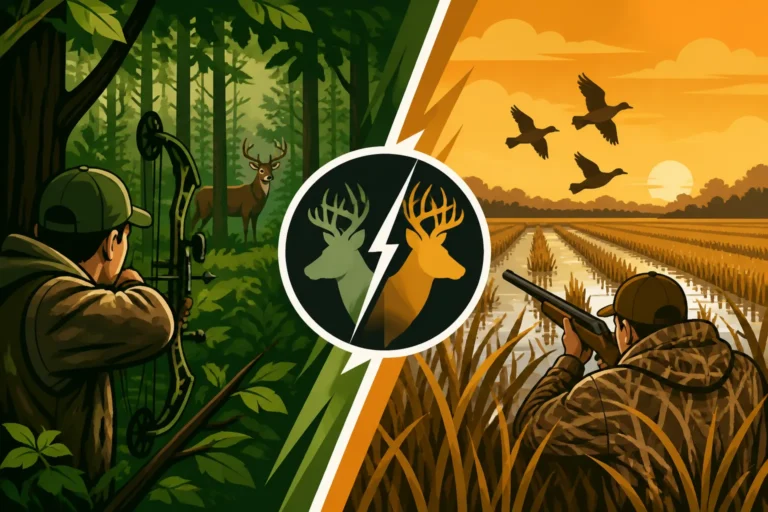
One of the most important decisions when booking a duck hunt in Arkansas is whether you want to experience the classic flooded green timber or the sprawling open rice and bean fields. Each offers a distinctly different hunting experience, with its own unique charm, challenges, and rewards.
Flooded green timber hunting, often called "hole hunting," is what many visualize when they think of Arkansas ducks. It's an intimate, almost cathedral-like experience, standing knee-deep (or deeper!) in cold water among ancient cypress and oak trees. The calling is often softer, more subtle, and the shooting can be fast and furious as mallards dive through the canopy into a small opening. The ambiance is unparalleled: the quiet dripping of water, the sight of mallards cupped over the treetops, and the echo of a guide's rich feed call. It's physically demanding, often requiring wading through mud and negotiating submerged logs, but the reward is a truly iconic hunt. Green Timber Versus Rice Field Guides will often tell you it's the ultimate mallard experience.
Conversely, field hunting typically takes place from layout blinds or pit blinds in vast agricultural fields, often flooded rice stubble or dry soybean fields where ducks are feeding. This style of hunting allows for much larger decoy spreads, often hundreds if not thousands of decoys, creating a visual spectacle that can pull ducks from miles away. The calling is often louder and more aggressive, designed to grab attention in the open expanse. Field hunts can be incredibly exciting, with waves of ducks, including often a mix of mallards, pintails, gadwalls, and sometimes even huge flocks of specklebelly geese, working the spread. While less physically strenuous in terms of wading, it demands patience and the ability to remain concealed in the open.
Booking with Third-Party Services
In today's digital age, platforms like BookYourHunt and GoHunt have emerged as invaluable resources for hunters looking to book guided trips, especially in popular destinations like the Grand Prairie. These services act as aggregators, compiling listings from numerous outfitters and lodges, allowing you to browse, compare, and often book directly through their sites. For someone new to the area or overwhelmed by the sheer number of options, these platforms can simplify the research process significantly.
BookYourHunt, for instance, provides detailed profiles for various operations, including photos, descriptions of services, available dates, and, crucially, reviews from past clients. This transparency can be a game-changer, giving you insights into the actual hunter experience before you commit. You can often filter by location, species, price point, and even specific types of hunts (e.g., timber vs. field). It streamlines the initial search, helping you quickly identify lodges that align with your preferences and budget.
Similarly, GoHunt offers extensive resources and often has a community aspect where hunters share information and discuss outfitters. While perhaps not always a direct booking platform for duck lodges, it can be a phenomenal resource for detailed research, understanding regional nuances, and finding reputable operations. Using these platforms allows you to cast a wide net, gather a lot of information quickly, and make a more informed decision, rather than relying solely on word-of-mouth or generic web searches. They empower you to be a more educated consumer in the hunting outfitter market.
What to Expect from an Arkansas Duck Lodge Package
Deciding on a duck lodge in Arkansas means understanding what you're truly getting for your investment. While full-service packages aim to be all-encompassing, there are always inclusions and exclusions to be aware of.
Typical Inclusions in an All-Inclusive Package
Most all-inclusive duck hunting packages in the Grand Prairie are designed to provide a truly turn-key experience, taking the guesswork out of your trip. The core components generally include comfortable lodging, typically in a dedicated lodge building with private or semi-private rooms, hot showers, and a welcoming common area. Meals are almost always a highlight, often consisting of hearty Southern breakfasts to fuel early mornings, substantial lunches, and delicious dinners, sometimes featuring game from previous hunts. Many lodges pride themselves on their culinary offerings, making mealtime a cherished part of the daily routine.
Beyond sustenance and shelter, the package will certainly cover your guided hunts. This means experienced guides who know the local waters and fields intimately, have scouted the best locations, and will lead you to and from the blinds. Critically, high-quality retriever dogs are also a standard inclusion, as an efficient retriever is essential for quickly finding downed birds in thick cover or cold water, minimizing lost game. Finally, most reputable lodges will offer bird cleaning and packaging services, ensuring your harvest is properly processed and ready for transport, often even frozen for your journey home. This comprehensive approach means you can literally focus on the hunt itself, and nothing else. What an Arkansas Duck Lodge Provides often outlines these services in great detail.
It's important to note that the specifics of "all-inclusive" can vary slightly from one lodge to another. Some might offer shuttle services from local airports, while others might include a limited amount of non-alcoholic beverages. Always ask for a detailed list of what is covered in your package. Don't assume anything. For instance, some lodges might offer an afternoon goose hunt as an optional add-on, while others might include it if duck limits are met early. Clarity upfront prevents any surprises later, ensuring your trip meets all your expectations.
Common Exclusions and Hidden Costs
While an all-inclusive package certainly minimizes out-of-pocket expenses during your trip, it's rare that it covers absolutely everything. The most significant exclusion will always be your hunting licenses and stamps. You'll need an Arkansas non-resident hunting license, a state waterfowl stamp, and a federal duck stamp, in addition to HIP registration. These must be purchased before your hunt, and the cost can add up, so factor them into your budget. Guides cannot provide these for you, and you won't be able to hunt without them. It's vital to research Arkansas Hunting Licenses and What They Cost well in advance of your trip.
Beyond licensing, several other common exclusions exist. Ammunition is almost universally the hunter's responsibility, and due to lead shot restrictions for waterfowl, you'll need to purchase specific non-toxic shot. Quality waders, appropriate warm and waterproof clothing, and other personal hunting gear (shotgun, calls, headlamps, etc.) are also on you. While lodges provide the hunting experience, they typically don't rent out personal equipment, so come prepared. Gratuities for your guides, dog handlers, and lodge staff are also an important, yet often overlooked, exclusion. Tipping is customary and expected in the hunting industry and should be factored into your total trip cost.
Other potential "hidden" costs might include alcoholic beverages (though some lodges might offer a limited complimentary selection), snacks outside of meal times, souvenirs from a lodge pro shop, or special requests. If you plan to ship your birds home, there will be shipping costs. Additionally, travel to and from the lodge, including airfare and rental cars, is always your responsibility. Carefully review the outfitter's contract or brochure for a comprehensive list of what is and isn't included. A little due diligence before you book can save you from unexpected expenses and ensure a smooth, enjoyable trip.
Food, Lodging, and Amenities
The quality of food and lodging can dramatically impact your overall experience at an Arkansas duck lodge. After a bone-chilling morning in the blind, nothing beats returning to a warm, inviting lodge with the smell of a hearty breakfast or brunch permeating the air. Many lodges pride themselves on serving traditional Southern comfort food, often featuring local recipes and generous portions designed to refuel tired hunters. Expect dishes like biscuits and gravy, eggs, bacon, sausage, grits, and plenty of coffee for breakfast, and delicious stews, fried chicken, or barbecue for dinner. The communal dining experience also fosters camaraderie, turning meals into cherished social events.
Lodging options can range from rustic and comfortable, reminiscent of a classic hunting cabin, to luxurious with private suites and upscale amenities. Most lodges aim for a balance of comfort and practicality, understanding that hunters are there to hunt, not necessarily to spend all day in their rooms. Expect clean beds, hot water, and a warm place to relax. Common areas often feature large fireplaces, comfortable seating, and maybe a pool table or card table for evening entertainment. It's worth asking about the specific setup – are rooms private, or shared dormitory-style? Do they have private bathrooms or shared facilities?
Amenities beyond the basics often include dedicated gear rooms with drying racks for wet waders and coats, safe storage for firearms, and sometimes even a pro shop where you can purchase forgotten essentials like ammunition, calls, or lodge branded merchandise. Many lodges also have outdoor fire pits, covered porches, and dedicated dog kennels for hunters who might bring their own retrievers (though always check the lodge's policy on bringing personal dogs). A comfortable lodge environment, complete with good food and thoughtful amenities, transforms a hunting trip into a true getaway, allowing you to relax and recharge between exciting hunts. Lodge Accommodation and Meals can vary widely, so define your priorities.
The Booking Process and Key Considerations
Booking an Arkansas duck hunt isn't like reserving a hotel room; there are specific nuances and timings to consider, especially when dealing with popular lodges in the Grand Prairie.
When to Book and Why
The Grand Prairie duck hunting season, particularly around Stuttgart, is incredibly popular, and prime dates fill up rapidly. If you're hoping to hunt during opening weekend, any major holiday (like Thanksgiving or Christmas), or during the peak migration periods (typically late December through mid-January), you absolutely need to plan well in advance. Many top lodges have bookings extending a year or even two years out for these coveted slots. Waiting until the last minute will severely limit your options, likely leaving you with less desirable dates or having to settle for a lodge that wasn't your first choice.
The reason for this intense demand is simple: consistency and quality. Hunters know that these peak windows often coincide with the highest concentrations of ducks, providing the best chances for a memorable hunt. Lodges, recognizing this demand, structure their booking processes to accommodate early reservations. If you have a specific group size, dates, or a particular lodge in mind, the best advice is to inquire as soon as you have a tentative plan, often immediately after the current season concludes. This gives you the best chance to secure your preferred dates and avoid disappointment. Booking Stuttgart a Year in Advance is not an exaggeration for popular times.
Even if you're flexible with your dates, booking at least 6-8 months in advance for any part of the season is a smart move. While some lodges might have last-minute cancellations, relying on those can be a gamble, especially if you're traveling a significant distance. Early booking also gives you ample time to coordinate travel plans, gather your gear, and arrange for licenses and stamps, ensuring a stress-free lead-up to your hunt. It’s a competitive landscape, and proactive planning is your best friend.
Deposits, Payments, and Cancellation Policies
Understanding the financial aspects of booking a lodge is paramount. Nearly all Arkansas duck lodges will require a non-refundable deposit to secure your booking, typically a percentage of the total trip cost or a fixed amount per hunter. This deposit confirms your commitment and allows the lodge to hold those dates for you, often turning away other potential clients. Be prepared for this initial outlay, as it's a standard practice in the industry. The remaining balance is usually due a specified period before your hunt, commonly 30-90 days out, or sometimes upon arrival at the lodge. Always clarify the payment schedule.
The cancellation policy is one of the most critical elements to review carefully before handing over any money. Life happens: unforeseen illnesses, family emergencies, or unexpected work conflicts can arise. What happens if you need to cancel your trip? Most deposits are non-refundable, and closer to the hunt date, you might forfeit a larger portion of your payment if you cancel. Some lodges might offer credits for future hunts, allow you to transfer your booking to another hunter, or have specific clauses regarding extreme weather conditions (e.g., if the lodge can't operate). Knowing Cancellation Terms at an Arkansas Lodge will save you a lot of headache and potentially money.
It's highly recommended to consider purchasing trip insurance, especially if your hunt is a significant investment or you have inflexible dates. Travel insurance can often cover unforeseen circumstances that lead to cancellation, protecting your financial investment. Read the fine print of both the lodge's cancellation policy and any trip insurance policy to ensure you're adequately covered. Don't be shy about asking the lodge manager to explain anything you don't understand about their payment and cancellation terms. Clarity upfront is key to a smooth transaction and peace of mind.
Asking the Right Questions Before You Commit
Before you commit to a lodge, don't hesitate to ask a thorough list of questions. This isn't just about vetting the outfitter; it's about ensuring the experience aligns with your personal preferences and expectations. Start with logistics: What is the typical hunter-to-guide ratio in the blind? What is the maximum group size in a single hunting party? Knowing this can impact the intimacy and style of your hunt. Ask about the specific hunting locations – are they primarily flooded timber, open fields, or a mix? How much acreage does the outfitter control, and is it leased or owned? This speaks to the consistency of hunting opportunities.
Beyond the hunt itself, inquire about practical matters: What is the average shooting distance you can expect? Are there opportunities for both morning and afternoon hunts, or is it strictly mornings? What is their policy on bringing your own dog, and are there kennel facilities? What caliber of shotgun is recommended, and what type of non-toxic shot is most effective? Questions to Ask an Arkansas Outfitter can be extensive, but each one helps paint a clearer picture. Don't forget to ask about amenities at the lodge beyond the basics, such as Wi-Fi, laundry facilities, or a pro shop.
Finally, and perhaps most importantly, ask for references from past clients, particularly those who have hunted during the same time of year you plan to go. A reputable outfitter should be more than happy to provide contact information for a few previous guests. Speaking directly with someone who has experienced the lodge firsthand can provide invaluable insights into the quality of the hunting, the professionalism of the guides, the comfort of the accommodations, and the overall atmosphere. If an outfitter is hesitant to provide references, consider that a potential red flag.
Using Online Resources for Research
In today’s connected world, a wealth of information is available at your fingertips, making online resources an indispensable part of your lodge research. Start with the lodge's own website, but then broaden your search. Hunting forums, dedicated review sites like BookYourHunt, and even social media groups focused on Arkansas hunting can offer unvarnished opinions and practical advice from fellow hunters. These platforms allow you to compare multiple operations side-by-side, quickly identify what's included in different packages, and get a sense of the general pricing tiers.
When using online reviews, look for consistent themes. Are multiple people praising the guides' knowledge and professionalism? Are there recurring complaints about the food, the condition of the blinds, or unresponsiveness from staff? Be wary of reviews that are either excessively glowing with no detail or overly negative without specific examples. A balanced set of reviews, highlighting both strengths and minor areas for improvement, often provides the most realistic picture. Sites like GoHunt also provide articles and resources that can help you understand the broader hunting landscape in Arkansas, putting individual lodge offerings into context.
However, a word of caution: don't rely solely on glossy photos and highlight videos. While these can be enticing, they're designed to showcase the best moments. Try to find candid photos or videos from actual hunters. Pay attention to comments about hunt success rates, but interpret them carefully – a "high success rate" might mean limits were achieved, but it doesn't always tell the full story of the hunting pressure or the overall experience. Use online resources as a powerful tool for initial vetting and information gathering, but always supplement it with direct communication with the lodge and, ideally, personal references.
Preparing for Your Arkansas Duck Hunt
Once you've booked your dream hunt, the next phase is preparation. Being well-prepared is key to maximizing your enjoyment and ensuring a smooth, stress-free trip to the Grand Prairie.
Essential Gear and Clothing
Packing for an Arkansas duck hunt means preparing for a wide range of weather conditions, from mild, rainy days to bitter cold, icy mornings. Layering is absolutely crucial. Start with good quality thermal base layers (wool or synthetics, avoid cotton). Over this, you’ll need mid-layers for insulation, such as fleece or down vests/jackets. Your outer layer must be completely waterproof and windproof, preferably in a waterfowl-specific camouflage pattern. This shell will protect you from rain, sleet, and biting winds in the blind or timber.
Beyond clothing, quality waders are non-negotiable. Choose insulated, breathable waders that fit comfortably, allowing for layers underneath, as you'll likely be standing or wading in cold water and mud. A good pair of waterproof, insulated boots (if your waders aren't boot-foot) is also essential. Other critical gear includes a reliable 12-gauge shotgun (many hunters prefer 3-inch or 3.5-inch magnum capabilities), plenty of non-toxic ammunition (steel shot is common, but bismuth or tungsten-based alternatives offer superior performance), and a headlamp for navigating in the dark before dawn. Don't forget your duck calls, a quality thermos for hot coffee, and a waterproof bag for essentials. Nontoxic Shot Rules in Arkansas are strict, so ensure your ammunition complies.
Think about comfort and safety. Hand warmers and toe warmers can be a lifesaver on frigid mornings. A small dry bag or backpack for extra layers, snacks, and a camera is a good idea. Sunglasses are important for glare off the water, and a wide-brimmed hat or beanie provides warmth and sun protection. While lodges provide most of the big gear, your personal comfort hinges on bringing the right clothing and small accessories. Make a checklist and start gathering your items well in advance.
Licenses, Stamps, and Regulations
This cannot be stressed enough: ensure all your licenses and stamps are in order before you arrive in Arkansas. You will need an Arkansas Nonresident Annual Hunting License (or a specific short-term nonresident deer/turkey combo if that applies to your trip, but for ducks, the annual is usually best), an Arkansas Migratory Bird Stamp, and a Federal Migratory Bird Hunting and Conservation Stamp (the "Federal Duck Stamp"). You will also need to complete the Harvest Information Program (HIP) registration. All of these are mandatory, and a guide cannot take you hunting without them.
The easiest way to purchase your Arkansas licenses and stamps is online through the Arkansas Game and Fish Commission (AGFC) website. You can print them out or save them to your phone (though a printed copy is often preferred for ease of checking in a remote blind). The Federal Duck Stamp can be purchased at most U.S. Post Offices, some sporting goods stores, or online. Allow ample time for any online purchases to be processed and mailed if you prefer a physical stamp. Do not wait until the day before your hunt; glitches happen, and stores might be closed.
Beyond licenses, familiarize yourself with key Arkansas hunting regulations. Understand the daily bag limits and possession limits for ducks and geese, as these species-specific rules are strictly enforced. Be aware of legal shooting hours, which typically begin 30 minutes before sunrise and end at sunset. While your guide will ensure you follow all rules in the blind, it is ultimately your responsibility as a hunter to be compliant. A quick review of the AGFC regulations digest will empower you and avoid any potential issues. Understanding Arkansas Waterfowl Stamp Requirements is a crucial first step.
Physical Demands and Expectations
While duck hunting might conjure images of sitting comfortably in a blind, the reality in Arkansas, especially in flooded timber, can be quite physically demanding. Be prepared for early mornings, often waking hours before dawn. This means operating in the dark, navigating potentially slick or uneven terrain, and contending with cold temperatures. In many timber hunts, you'll be wading through water that can be knee-deep, waist-deep, or even chest-deep, often with a muddy, uneven bottom. This requires good balance, strong core muscles, and endurance.
Even in field hunts, while less wading might be involved, you might still need to walk a significant distance across rough agricultural fields to reach your blind or retrieve birds. Laying in a layout blind for hours can also be surprisingly taxing on the back and neck. Cold weather itself places demands on the body, requiring more energy to stay warm. If you have any physical limitations, it's essential to communicate these with your chosen lodge beforehand. A good outfitter will do their best to accommodate you, perhaps by suggesting a more accessible blind or a less strenuous style of hunt.
It’s worth doing some light physical preparation in the weeks leading up to your hunt. A bit of walking, especially on uneven ground, can help. Staying hydrated and well-rested during your trip will also significantly improve your stamina and enjoyment. The goal isn't to be an Olympic athlete, but being reasonably fit will make those early morning treks and long waits in the cold far more enjoyable. Discuss Wading Depth and Water Conditions with your outfitter so you know what to expect.
Traveling with Firearms and Birds
If you're flying to Arkansas for your hunt, understanding the rules for traveling with firearms is absolutely essential. Federal regulations dictate that firearms must be declared to the airline, unloaded, and transported in a locked, hard-sided case as checked baggage. Ammunition must be in its original packaging or a secure container and placed within the same locked case or another checked bag, adhering to specific weight limits (usually around 11 pounds per passenger). Always check with your specific airline for their precise policies, as they can sometimes be stricter than TSA regulations. Plan to arrive at the airport early to allow for the extra check-in time. Flying With a Shotgun to Arkansas requires careful planning.
After a successful hunt, you'll need to transport your harvested birds. All migratory game birds must have a fully feathered wing attached while being transported from the field to your personal abode or a taxidermist or processor. This allows wildlife officers to identify the species. Most lodges will clean and breast out your birds, leaving a wing attached to the breast. They will then package and often freeze them for you. For travel, especially by air, frozen birds packed in a cooler can be checked as baggage, but again, check with your airline about their specific rules for frozen perishables, including dry ice restrictions.
If you have a significant amount of meat or want to ensure secure transport, consider shipping your birds. There are specialized services that can ship frozen game meat overnight or via express freight. This is often the most reliable way to get a large harvest home, but it comes with a cost. Regardless of how you choose to transport your birds, ensure they are properly tagged (if required by Arkansas law, which is generally not for cleaned migratory birds, but always check) and that you have proof of legal harvest. Understanding Transport Rules for Cleaned Birds will prevent any issues with wildlife enforcement or airline staff.
Making the Most of Your Lodge Experience
A guided duck hunt is more than just shooting birds; it's an immersive experience. To truly get the most out of it, focus on the interactions, the learning, and the appreciation for the local culture.
Interacting with Guides and Fellow Hunters
Your guides are the backbone of your hunting experience. They are typically local experts who spend countless hours scouting, preparing blinds, and working with their dogs. Treat them with respect, listen to their instructions carefully, and follow their lead in the blind. They are trying to put you on birds and ensure everyone has a safe and enjoyable time. Don't be afraid to ask questions about calling, duck behavior, or local history – most guides love sharing their knowledge and passion. Good communication with your guide, especially regarding your shooting preferences or any physical limitations, will enhance your hunt.
The communal aspect of a lodge also means you'll be sharing the experience with other hunters, often from diverse backgrounds and different parts of the country. Embrace the camaraderie! Share stories, offer encouragement, and enjoy the shared passion. The conversations in the blind and around the lodge fire are often as memorable as the hunts themselves. Respect everyone's space and opinions, and remember that everyone is there for the same reason – to enjoy the great outdoors and the thrill of the hunt. These interactions can lead to lasting friendships and new hunting connections.
However, be mindful of "blind etiquette." This includes staying quiet when birds are working, only shooting on the guide's command, and giving everyone equal opportunity. If a guide calls the shot, don't jump up and shoot before everyone else has a chance. It's about teamwork and creating a positive experience for the whole group. A good attitude and a willingness to learn will go a long way in making your interactions positive and enriching.
Understanding Local Culture and Etiquette
Arkansas, particularly the Grand Prairie, has a rich and distinct Southern culture, and understanding some local nuances can enhance your visit. Hospitality is paramount, and you'll often find lodge owners and guides incredibly welcoming and eager to share their way of life. A polite "yes ma'am" and "yes sir" goes a long way. The pace of life can be a little slower, and patience is often appreciated. Don't expect big-city hustle; embrace the laid-back charm.
Respect for the land and wildlife is deeply ingrained in the local hunting community. You'll observe meticulous land management and conservation efforts by many landowners and outfitters. As a guest, demonstrating your respect for these efforts, as well as for private property boundaries, is crucial. If you're on a public land hunt, being mindful of other hunters and sharing resources is equally important. Essentially, be a good steward of the land and a respectful guest.
In the blind, there's a strong tradition of teamwork and shared experience. Calling might be a collaborative effort, or a guide might do most of the work. If you bring your own call, ask your guide when it's appropriate to use it; sometimes too many calls can spook wary birds. Don't brag excessively, and be humble about your shots. Celebrate shared successes, commiserate over misses, and always prioritize safety. Embracing the local hunting customs and showing genuine interest will make you a welcome guest and foster a more authentic experience.
Gratuities and Appreciation
Tipping your guides, dog handlers, and lodge staff is an important, though often unstated, part of the guided hunting experience. These individuals work incredibly hard, often long hours, in challenging conditions, to ensure your trip is successful and enjoyable. Gratuities are a significant portion of their income and a direct reflection of your appreciation for their efforts.
For guides and dog handlers, a common practice is to tip per hunter, per day of hunting. The amount can vary depending on the quality of the hunt, the effort of the guide, and the overall experience, but a general guideline for a good day in Arkansas is to expect to tip in the range of $100-$200 per hunter per day. If the guide went above and beyond, or if you had an exceptional hunt, consider tipping more generously. Even on slower days, if the guide worked hard and maintained a positive attitude, a tip is still warranted as a thank you for their effort. Tipping an Arkansas Duck Guide is a key part of the culture.
Don't forget the other lodge staff. Cooks, housekeepers, and bird cleaners also contribute significantly to your comfort and the smooth operation of the lodge. A pooled tip for the general lodge staff, or individual tips for those who provided exceptional service, is always appreciated. A general guideline might be $50-$100 per hunter for the duration of the trip for lodge staff, depending on the length of your stay and level of service. You can often give this directly to the lodge manager to distribute or leave it for individuals. Budget for these gratuities as part of your total trip cost; it's a small way to show your appreciation for the hard work that goes into making your hunt a success.
Post-Hunt Logistics: Bird Care and Departure
After your last hunt, the lodge will typically handle the initial processing of your birds. This usually involves breasting them out (removing the meat from the bone), leaving one fully feathered wing attached for species identification during transport, and then packaging them, often vacuum-sealed, and freezing them. This ensures the meat is preserved properly and ready for your journey home. Some lodges might offer additional services like full plucking or specific cuts, but these are usually extra.
Before you leave, coordinate with the lodge staff regarding the best way to transport your birds. If you're driving, a quality cooler with plenty of ice or dry ice will keep your birds frozen for an extended period. If flying, ensure your birds are thoroughly frozen solid, and pack them securely in an approved cooler that can be checked as luggage. Again, verify airline rules regarding frozen perishables and dry ice. The lodge staff often have experience with these logistics and can offer practical advice or even facilitate shipping arrangements if you opt for that service. Bird Cleaning and Packaging Services are a convenience that shouldn't be overlooked.
Some hunters choose to have their trophy birds mounted. If you harvest a particularly beautiful mallard or specklebelly you wish to mount, inform your guide and the lodge staff immediately. They can often recommend local taxidermists who specialize in waterfowl or advise on how to properly care for the bird (e.g., freezing it whole or caping it) to ensure it's in the best condition for the taxidermist. Planning these post-hunt logistics ahead of time ensures that your hard-earned harvest is handled correctly, whether it's destined for the dinner table or the wall.
Choosing the Right Lodge: A Decision Matrix
With so many options, finding the "right" lodge can feel like a daunting task. By considering a few key factors, you can create a decision matrix that helps you align your expectations with what various lodges offer.
Budget Considerations
Your budget will likely be one of the primary drivers in your decision-making process. Arkansas duck lodge prices can vary significantly based on the level of luxury, the inclusions in the package, the time of year, and the reputation of the outfitter. A full-service, all-inclusive luxury lodge with gourmet meals, private rooms, and prime hunting ground will naturally command a higher price point than a more rustic lodge or a day-hunt only operation. Don't just look at the headline price; break down what each dollar covers.
Consider the "value for money." A more expensive lodge might include all your meals, bird cleaning, and top-tier guiding, which might actually be more cost-effective than a cheaper base package that then layers on numerous hidden fees for these services. Conversely, if you're a budget-conscious hunter who prefers to cook your own meals and stay in a local motel, a day-hunt operation might be the perfect fit. Remember to factor in all potential costs: licenses, ammunition, travel, and gratuities, not just the lodge fee. Look at Average Price of an Arkansas Duck Hunt as a baseline, but know it's a wide range.
It's also worth thinking about what you're willing to compromise on. Can you save money by hunting during a less popular week? Are you comfortable sharing a room if it brings the price down? By clearly defining your budget range and what amenities are non-negotiable, you can quickly filter out options that aren't a good fit, allowing you to focus on lodges that realistically meet your financial parameters.
Group Size and Dynamics
The size and makeup of your hunting party will heavily influence which lodge is the best fit. Are you a solo hunter looking to join a group? A small group of 2-4 friends? Or are you planning a larger corporate outing or family reunion hunt? Some lodges cater specifically to smaller, more intimate groups, while others are set up to handle multiple larger parties simultaneously.
For solo hunters or small groups, finding a lodge that can integrate you into an existing group or has blinds suitable for smaller numbers is important. You'll want to ensure the dynamics in the blind are conducive to a good experience for everyone. For larger groups, look for lodges with multiple guides and blinds, ample lodging capacity, and perhaps common areas large enough for your whole party to socialize together. Some lodges even offer "buy-out" options where your group can reserve the entire lodge for a private experience.
Consider the atmosphere you're seeking. Do you prefer a quiet, intimate setting where you can truly connect with a few friends? Or do you thrive in a bustling lodge environment with many hunters and lively evenings? Reviewing the lodge's photos, testimonials, and asking about their typical client base can provide clues. Matching your group's size and desired dynamics with the lodge's capabilities and typical clientele will ensure a more enjoyable and harmonious trip for everyone involved.
Specific Hunting Preferences (Timber, Field, Species)
What kind of duck hunt are you truly dreaming of? Is it the iconic experience of mallards cupped in flooded green timber, or the wide-open expanse of a rice field with thousands of decoys and a mix of duck and goose species? Not all lodges offer both, and many specialize in one or the other. If your heart is set on timber hunting, make sure the lodge has access to and expertise in managing flooded timber. If you're after a high-volume field shoot, confirming their access to prime agricultural ground is key.
Beyond the habitat, think about specific species. While mallards are king in Arkansas, some hunters also enjoy targeting pintails, gadwalls, wigeon, or even diver ducks on large reservoirs. If specklebelly geese are a high priority, ensure the lodge offers dedicated speck hunts, as these often require different tactics and locations than duck hunts. Some lodges might offer combo hunts, allowing you to chase ducks in the morning and then switch to specks or snow geese in the afternoon. Specklebelly Hunting in Arkansas Fields is a growing pursuit.
Be explicit about your preferences when you contact lodges. Don't assume they offer everything. A lodge that specializes in one type of hunting is often exceptionally good at it. Choosing a lodge that directly aligns with your preferred habitat and target species will set you up for the most fulfilling hunt. If you're unsure, ask the outfitter to describe the typical experience for each type of hunt they offer, allowing you to make an informed decision based on their expertise.
Reputation and Reviews
In the age of information, an outfitter's reputation and online reviews are invaluable tools for vetting. Start by checking established hunting forums, social media groups, and dedicated review platforms like BookYourHunt. Look for consistent patterns in the feedback. Are hunters consistently praising the quality of the guides, the condition of the blinds, the abundance of birds, or the hospitality of the lodge staff? Conversely, are there recurring complaints about unfulfilled promises, poor communication, or unsportsmanlike conduct?
While glowing reviews are great, also pay attention to how an outfitter responds to any negative feedback. A professional lodge will often address concerns constructively, showing a commitment to client satisfaction. Be wary of operations with no online presence or extremely limited, overly positive reviews, as these can sometimes be less transparent. Look for depth and detail in reviews, not just a star rating. What specific aspects of the hunt or stay did people highlight?
Ultimately, combine online research with direct references. Speaking with past clients can provide context and color that reviews sometimes lack. Ask direct questions about their experience, their success, and any issues they encountered. A reputable outfitter will always be transparent and willing to provide references. By cross-referencing online sentiment with personal testimonials, you can build a comprehensive understanding of a lodge's reputation and make a confident decision.
Disclaimer
This article is for general informational purposes only and does not constitute professional advice. Laws, prices and regulations vary by location and change over time. Consult a qualified professional for guidance on your specific situation.