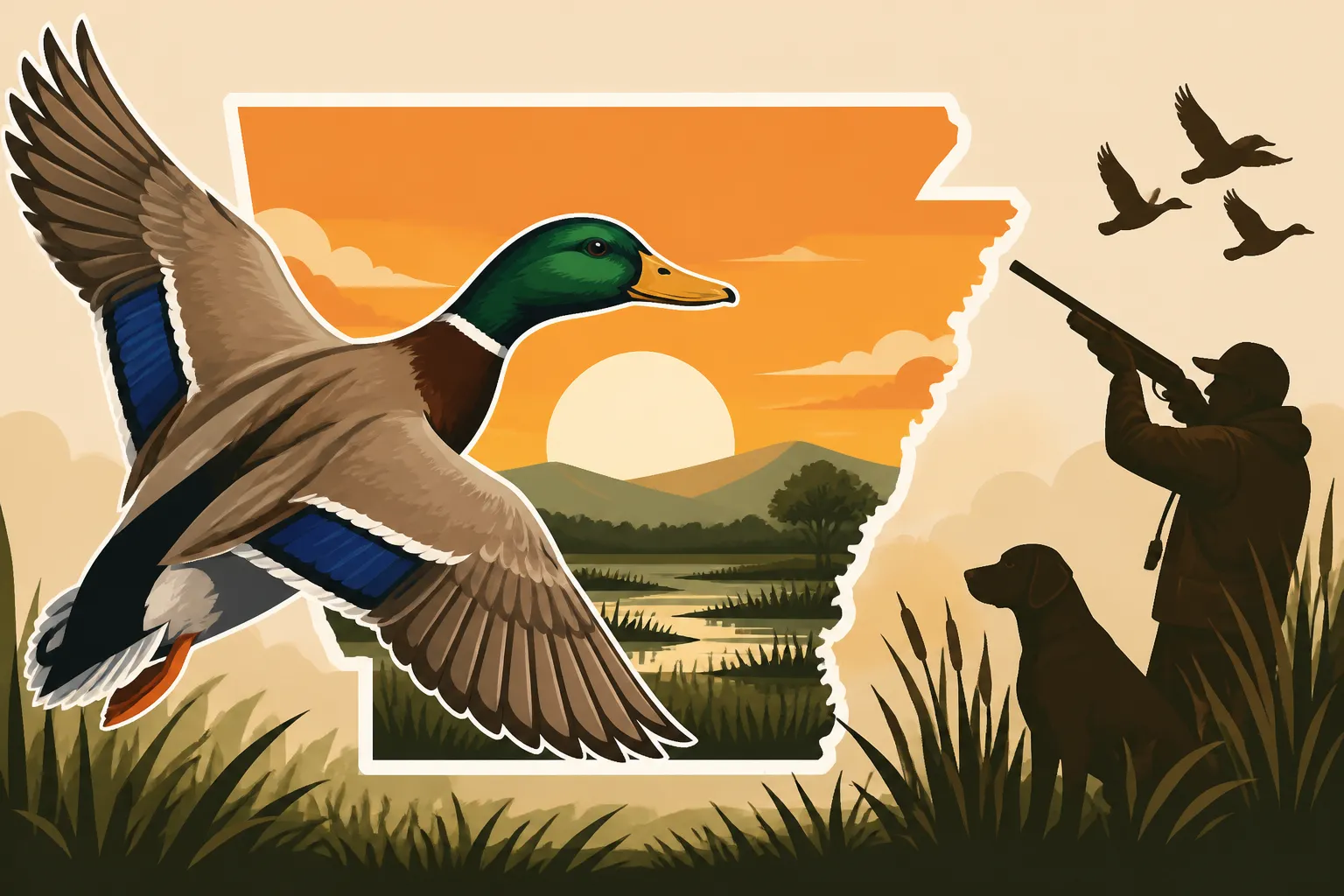
All-Inclusive Arkansas Duck Packages
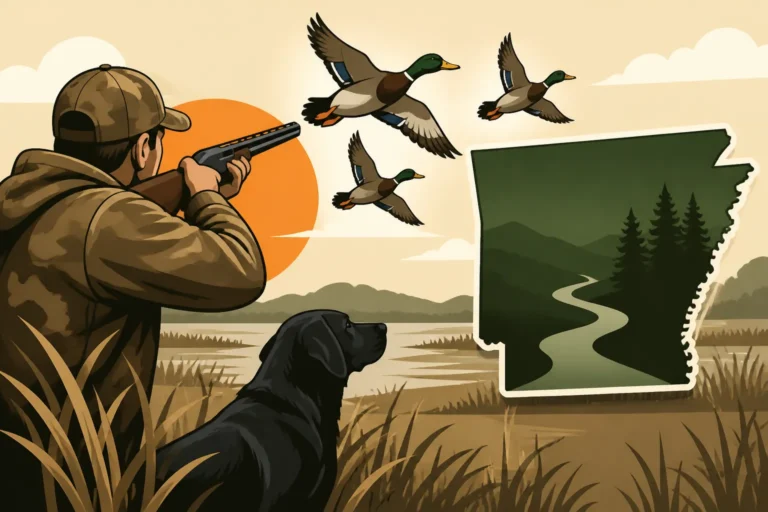
There's nothing quite like the dream of an Arkansas duck hunt, picturing yourself knee-deep in flooded timber with mallards cupping in the crisp air. But for many, especially those traveling from out of state or new to the area, the logistics can feel like a tangled mess of permits, booking blinds, finding lodging, and worrying about meals after a long day in the marsh. This guide is here to untangle that, diving deep into the world of all-inclusive Arkansas duck packages, showing you what they truly offer, what to expect, and how to pick the perfect one for your unforgettable adventure.
Unpacking the All-Inclusive Arkansas Duck Hunt Package
When you hear "all-inclusive," it can conjure images of tropical resorts and endless buffets. In the duck hunting world, especially here in Arkansas, it has a very specific meaning, designed to take the headache out of a multi-day hunting trip. It's about streamlining your experience so you can focus on the sunrise, the dog work, and those magical moments when ducks rain down from the sky.
Defining "All-Inclusive" in the Duck Hunting World
At its heart, an all-inclusive Arkansas duck package means that a single price covers most, if not all, of your essential needs for the duration of your hunt. This typically bundles your lodging, meals, and the guided hunting experience itself into one convenient booking. Think of it as your home base for the hunt, where all the major arrangements are handled, from where you'll lay your head at night to what you'll eat for breakfast before heading out. It removes the stress of having to coordinate separate reservations for a hotel, figure out where to eat three times a day, and then secure a guide or blind lease. For hunters who might not have the local knowledge, the extensive gear, or the time to plan every minute detail, these packages are often a godsend. They aim to provide a seamless, turn-key experience from the moment you arrive until you pack up to leave.
Who Benefits Most from These Packages?
While alluring, all-inclusive packages aren't necessarily for everyone. They truly shine for certain types of hunters. Out-of-state hunters, for instance, often find them invaluable. Traveling to Arkansas, especially to duck hunting meccas like Stuttgart or regions around the White River, can be a logistical challenge, particularly if you're unfamiliar with the local area, lodging options, and the best guides. An all-inclusive package means you fly in, get picked up (sometimes), and everything else is already taken care of. It eliminates the need to research local restaurants, grocery stores, or short-term rentals.
They're also fantastic for corporate groups or friends looking for a hassle-free retreat. Imagine showing up with your buddies, and the only thing on your mind is shooting straight and enjoying the camaraderie, without anyone having to volunteer for cooking duty or mapping out the next morning's drive. Experienced hunters who simply want a break from the grind of scouting, setting decoys, and tearing down blinds can also appreciate the luxury of having everything prepared for them. Conversely, if you're a local hunter with your own private ground, extensive gear, and a love for cooking your own meals at a rustic camp, an all-inclusive might feel like overkill. But for those seeking convenience, comfort, and expert guidance without the fuss, they are an ideal solution.
Setting Realistic Expectations
It's crucial to approach an all-inclusive package with realistic expectations. While the term implies "everything," there are always nuances. For example, while guided hunts are included, the weather is not. A bluebird day might mean slower hunting, and even the best guides can't guarantee a limit every time. You're hunting wild birds, after all, and their movements are unpredictable. The package covers the opportunity to hunt, not necessarily a guaranteed harvest number.
Also, consider the type of hunting experience. Some lodges specialize in flooded timber, offering that classic Arkansas experience. Others might focus on Hunting Rice Fields and Levees or reservoir hunting. Make sure the package aligns with the type of hunt you're dreaming of. Don't expect a rustic tent camp if you've booked a luxury lodge, and vice versa. Ask detailed questions about the blinds, the average group size, and the style of hunting. Does the package include calls? Do they provide waders? Understanding these details upfront will prevent any disappointment and ensure your trip lives up to your expectations. Many outfitters list their packages on platforms like BookYourHunt, where you can often see photos of the lodging and hunting setups, helping you visualize the experience before committing.
What's Typically Rolled Into an All-Inclusive Price Tag?
Understanding the components of an all-inclusive package is key to evaluating its value and ensuring it meets your specific needs. While the core elements tend to be consistent, the details within each category can vary significantly between different lodges and outfitters.
The Core Offerings: Lodging, Meals, and Guided Hunts
The foundation of any all-inclusive Arkansas duck hunting package rests on three pillars: a comfortable place to stay, hearty meals to fuel your adventures, and expert guidance in the field.
Lodging: This is usually the most tangible part of the "inclusive" experience. Most lodges offer comfortable, shared accommodations, often in a bunkhouse or private rooms within a larger lodge. These facilities can range from renovated farmhouses with a rustic charm to purpose-built, luxurious lodges with all the modern amenities. Expect a clean bed, hot showers, and a communal area for relaxing, sharing stories, and possibly a card game or two in the evenings. Some high-end packages might offer private rooms or even small cabins, providing more personal space. The quality and style of lodging can greatly influence the overall price and feel of your trip. Make sure to check if the sleeping arrangements are truly private or if you'll be sharing a room with other hunters, which is common in many lodges.
Meals: You won't go hungry on an all-inclusive trip. Typically, packages include breakfast, lunch, and dinner. Breakfast is often served early, before the morning hunt, and might range from grab-and-go options like pastries and coffee to a full, hot spread of eggs, bacon, and biscuits. Lunch could be a sandwich brought to the blind, a hot meal served back at the lodge between hunts, or a packed meal for longer days. Dinner is usually the highlight, a substantial, home-cooked meal featuring classic Southern comfort food – think fried chicken, steaks, or wild game, often prepared by the lodge's own cook. These meals are a central part of the camaraderie, where hunters gather to recount the day's events. Special dietary needs should always be communicated well in advance to ensure the lodge can accommodate them.
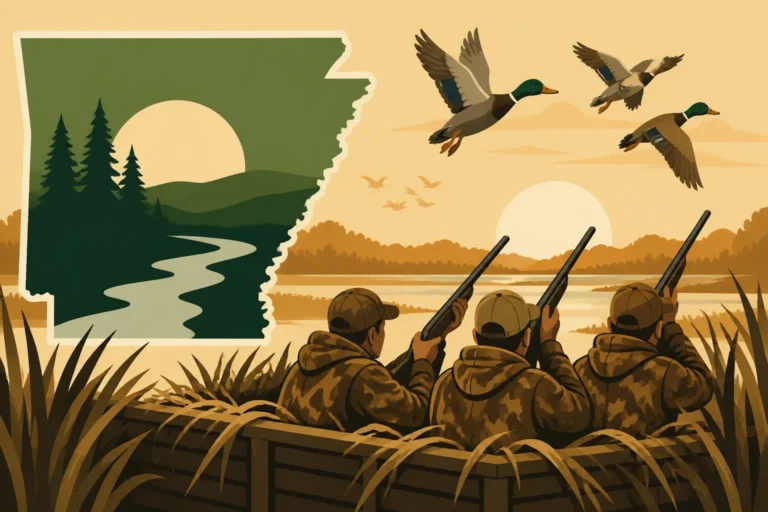
Guided Hunts: This is arguably the most critical component. Your package includes fully guided duck hunts, meaning you'll have experienced local guides who know the land, the birds, and the tactics. They'll handle all the heavy lifting: scouting for birds, setting decoys (which can vary from modest spreads to hundreds of decoys), calling, and dog handling. You'll often hunt from established blinds, either in flooded timber, on the edge of a rice field, or along a levee. The guides’ knowledge of Hunting the Arkansas Rut by Zone for deer, or in this case, the duck migration, is invaluable. They'll ensure you're in the best possible position for success, adapting to weather patterns and bird movements. This also means they'll retrieve downed birds, making the experience much smoother and more enjoyable for you.
Beyond the Basics: Gear, Amenities, and Extras
While lodging, meals, and guided hunts are standard, some all-inclusive packages sweeten the deal with additional amenities and services that enhance the overall experience.
Gear and Equipment: While you're generally expected to bring your own firearm, ammunition, and waders, some lodges might provide certain communal gear. This could include blinds, decoy spreads (often extensive), and often top-notch retrievers handled by the guides. A few might offer wader rentals or spare rain gear in a pinch, but don't count on it unless explicitly stated. Always confirm what specific gear you need to bring.
Amenities at the Lodge: Many Arkansas duck lodges go beyond basic accommodations. You might find a dedicated game room with a pool table or poker table, a comfortable lounge area with a big screen TV, or even a pro shop where you can pick up forgotten essentials like calls or ammunition. Some even boast amenities like hot tubs, fire pits for evening gatherings, or a cleaning station where you can process your birds, though often the guides will handle the initial field dressing and even the cleaning of your daily limit. A good place to confirm these details and compare offerings is through hunting booking sites like BookYourHunt, which often provide detailed descriptions and photos of lodge amenities.
Transportation: While not universally included, some high-end packages offer transportation from a nearby airport (often Little Rock or Memphis) to the lodge. Once at the lodge, daily transportation to and from the hunting blind is almost always included, whether by ATV, truck, boat, or even Argos. Clarify these details, especially if you're flying in, to avoid any surprises. The last thing you want is to arrive at the airport and realize you need to rent a vehicle.
Common Exclusions and Hidden Costs to Watch For
The term "all-inclusive" can be a bit misleading if you don't read the fine print. There are almost always certain items and expenses that are not covered by the package price, and overlooking these can lead to unexpected costs.
Hunting Licenses and Stamps: This is a universal exclusion. Every hunter, regardless of residency or whether they're on a guided trip, is responsible for purchasing their own Arkansas Hunting Licenses and What They Cost, including state and federal duck stamps, and HIP registration. These typically need to be purchased before your arrival and are often available online through the Arkansas Game and Fish Commission website. Don't assume they're part of the package; they never are.
Ammunition: You'll need to bring your own non-toxic shot, as lead shot is illegal for waterfowl hunting. Lodges often have ammunition available for purchase, but it's usually at a premium, and they might not carry your preferred load or gauge. It's always best to bring enough for your trip.
Gratuities: Tipping your guides and lodge staff is customary and expected. This is a significant "hidden" cost if you don't budget for it. A good rule of thumb is 15-20% of the hunt's value for the guides, and a smaller amount for the cook and other lodge staff. This should be a separate line item in your personal hunting budget. For insights into what's appropriate, you can find more detail in articles like Tipping an Arkansas Duck Guide.
Alcohol and Personal Items: While meals are included, alcoholic beverages are almost never part of the standard package. Most lodges allow you to bring your own or have a cash bar. Personal items like snacks, toiletries, and souvenirs are also your responsibility.
Game Processing and Shipping: While guides will typically field dress your birds and might even offer cleaning services for your daily limit, specialty processing (like breasting out, deboning, or smoking) and shipping your birds home are usually extra. If you're traveling a long distance, factor in the cost of coolers, ice, or professional shipping services. Consider checking our guide on Getting Ducks Home From Arkansas for more detailed information.
Travel to the Lodge: Unless specifically stated (and often for a premium), your travel expenses to and from the lodge, whether by air or car, are not included. This also applies to things like rental cars, gas, and any overnight stays before or after your hunt in transit.
The Financial Side: Understanding All-Inclusive Costs
Let's be frank: Arkansas duck hunting, especially a quality guided experience, is an investment. All-inclusive packages offer a streamlined cost, but it's important to understand what drives those prices and how they stack up against other hunting options.
Average Price Points and Influencing Factors
The cost of an all-inclusive Arkansas duck package can vary widely, but typically you're looking at a daily rate per hunter that incorporates all the services we've discussed. Generally, prices can range significantly. On the lower end, you might find packages for a few hundred dollars per person per day, offering basic lodging and a quality guided hunt. On the higher end, for luxury lodges in prime locations with gourmet meals, top-tier amenities, and highly exclusive hunting grounds, prices can easily climb much higher per day.
Several factors influence these price points:
- Lodge Quality and Amenities: A basic bunkhouse with simple meals will naturally be less expensive than a sprawling lodge with private suites, a professional chef, and a full bar. The level of comfort and luxury directly impacts the price.
- Hunting Location and Exclusivity: Prime hunting ground, especially private flooded timber in the heart of the Delta, commands higher prices. Areas known for consistent bird numbers, like those covered in Mallards in the Arkansas Delta, or properties with exceptional habitat management, will be more sought after and thus more expensive.
- Guide-to-Hunter Ratio: A lower guide-to-hunter ratio (e.g., one guide for two hunters) offers a more personalized experience and often higher success rates, which will be reflected in the price.
- Time of Season: Peak season dates, particularly around opening weekend or during prime migration weeks in December and January, are always more expensive and book up faster. Hunting the Arkansas Rut by Zone in the deer hunting world also sees price increases, and it's the same for ducks during key migration periods. Booking during the early or late parts of the season might offer slight discounts.
- Group Size: Some lodges offer discounts for larger groups, while others have minimum group sizes or require booking out an entire blind.
- Duration of Stay: While it's a daily rate, a longer stay might sometimes see a slightly reduced daily rate, though this isn't always the case. Most packages are structured for 2-3 day hunts.
Comparing All-Inclusive to Day Rates and DIY
It's helpful to view all-inclusive packages in contrast to other common hunting arrangements to truly appreciate their value proposition.
All-Inclusive vs. Day Rates: Many outfitters also offer "day rates" which typically only cover the guided hunt itself, sometimes including lunch in the blind. You would then be responsible for finding your own lodging, all other meals, and any transportation to and from the hunting area each day. While the day rate appears lower initially, when you factor in the cost of a hotel, three meals, and the logistics involved, the total cost can quickly approach or even exceed an all-inclusive package, without the added convenience. The all-inclusive eliminates the hidden "opportunity costs" of your time spent planning and coordinating.
All-Inclusive vs. DIY (Do-It-Yourself): DIY hunting, especially on public land, is often the most budget-friendly option upfront. However, it requires a significant investment of time, research, scouting, and gear. You're responsible for everything: finding hunting spots, setting up blinds, purchasing hundreds of decoys, calling, dog handling, and dealing with all the logistics of lodging, food, and transport. While the daily monetary outlay might be less, the expertise, access to prime ground, and sheer convenience provided by a guided all-inclusive hunt are substantial. For many, especially those with limited time or local knowledge, the value of a guided hunt outweighs the cost savings of a potentially frustrating DIY experience. Our article on Guided Versus DIY Hunting in Arkansas explores this comparison in more depth.
The True Value of Convenience
The real gem of an all-inclusive package isn't just the bundled services; it's the unparalleled convenience it offers. Think about what your time is worth. When you opt for an all-inclusive, you're buying back hours, if not days, of planning, researching, and coordinating. You're entrusting the success of your hunt, and the comfort of your stay, to professionals who do this day in and day out.
For a traveling hunter, this means less time scouring booking sites for hotels and local diners, and more time focused on the reason you came: hunting ducks. You don't have to worry about the best route to the blind in the dark, what time breakfast needs to be ready, or whether the coffee pot is on. It's all handled. This peace of mind allows you to fully immerse yourself in the experience, enjoy the camaraderie of the lodge, and truly relax after a challenging morning in the field. While the sticker price might seem high compared to a single component of a hunt, when you add up all the individual costs and the value of your own time, the all-inclusive package often presents a compelling and ultimately worthwhile investment for a memorable and stress-free Arkansas duck hunt.
Navigating Your Options and Choosing the Right Fit
With numerous lodges and outfitters vying for your business, selecting the right all-inclusive package can feel overwhelming. It's not just about the price; it's about matching your expectations and hunting style with what the outfitter truly delivers.
Researching Lodges and Outfitters
The first step in choosing your all-inclusive package is thorough research. Start by identifying the general area you'd like to hunt. Do you envision Hunting Arkansas Flooded Green Timber in the Delta, or perhaps a more varied landscape near the river bottoms? The famous "Duck Capital of the World," Stuttgart, is a popular starting point, and there are many excellent Stuttgart and Grand Prairie Duck Lodges to consider.
Utilize the internet to your advantage. Most reputable lodges and outfitters have professional websites showcasing their facilities, hunting areas, and package details. Pay attention to photo galleries – do the pictures look authentic? Do they show the hunting environment you're looking for? Look for details about their specific hunting grounds: do they primarily hunt private land or have access to various types of habitat like rice fields, timber, or moist-soil units? Some booking platforms, like BookYourHunt and GoHunt, specialize in connecting hunters with outfitters and can be excellent resources for finding packages, comparing options, and seeing what's available for specific dates. These platforms often provide detailed profiles, calendars, and even direct booking options, simplifying your initial search.
Asking the Right Questions Before You Book
Once you've narrowed down your choices, picking up the phone and having a direct conversation with the outfitter or lodge manager is absolutely essential. Don't rely solely on website information, as it can sometimes be generic. Here are some critical questions to ask:
- "What exactly is included in your 'all-inclusive' package?" Reiterate this to ensure you both understand the scope. Get precise details on lodging (private rooms vs. bunkhouse), meals (how many, what type), and guided services.
- "What are the typical hunting scenarios and locations?" Do they primarily hunt timber, fields, or both? How far are the hunting spots from the lodge? Do they rotate blinds to reduce pressure? This is key if you have a preference, say, for Green Timber Versus Rice Field Guides.
- "What's the typical group size in a blind?" Some lodges put larger groups in a single blind, which might impact your shooting opportunities or comfort level.
- "What's your policy on non-toxic shot and ammunition?" Do they sell it, and if so, at what cost? What brands/loads do they recommend?
- "Are there any additional costs I should be aware of?" This is where you can uncover potential "hidden" fees for bird cleaning, alcoholic beverages, or other services. This is also the time to clarify expectations regarding gratuities.
- "What are your booking and cancellation policies?" Understand deposit requirements, payment schedules, and what happens if you need to cancel or if severe weather disrupts the hunt. Our article What an Arkansas Contract Should Say can give you an idea of what to look for in their agreement.
- "What is your typical morning routine?" Knowing when breakfast is served, when you depart for the blind, and how long you typically hunt can help you prepare.
- "Do you have a pro shop or any gear for sale/rent on site?" This is good to know if you forget something crucial.
Reading Reviews and Seeking References
In today's connected world, past client experiences are gold. Always seek out reviews and, if possible, ask the outfitter for references from recent clients.
Online Reviews: Look for reviews on Google, social media, and hunting forums. Platforms like BookYourHunt and GoHunt often feature user reviews and ratings, which can provide valuable insights. Pay attention to patterns in feedback: Are multiple people mentioning great guides? Are there recurring complaints about food or lodging? Be wary of an outfitter with no online presence or exclusively five-star reviews, as it might indicate a lack of transparency or manipulated feedback. Remember that a single bad review doesn't tell the whole story, but consistent themes can be very telling.
Client References: A reputable outfitter should be happy to provide contact information for past clients. When you call these references, don't just ask, "Was it good?" Ask specific questions:
- "Did the hunt live up to the outfitter's promises?"
- "How were the guides? Were they knowledgeable and personable?"
- "Was the lodging clean and comfortable? How was the food?"
- "Were there any unexpected costs or issues?"
- "Would you hunt with them again?"
Hearing directly from someone who has experienced the hunt can give you the most accurate picture and help you make an informed decision.
Planning Your Arkansas All-Inclusive Duck Hunting Adventure
Once you've chosen your all-inclusive package, it's time to nail down the specifics of your trip. From booking dates to packing essentials and understanding travel logistics, a little foresight goes a long way in ensuring a smooth and enjoyable hunt.
Best Times to Book and Season Considerations
Timing is everything in duck hunting, and it's also crucial for booking your all-inclusive package. Arkansas's duck season typically runs from late November through January, often with splits. You'll want to consult the Arkansas Duck Season Dates each year for precise openings and closings.
- Booking in Advance: The best lodges and prime dates, especially opening week and the two weeks surrounding Christmas and New Year's, can book up a year or more in advance. If you have specific dates in mind or are targeting a popular lodge, don't hesitate. Our guide on Booking Stuttgart a Year in Advance provides excellent insights into this competitive booking landscape.
- Peak Migration: Many hunters aim for mid-December through mid-January, hoping to catch the peak of the mallard migration into Arkansas. While this can offer incredible hunting, it's also when pressure is highest, and prices are often at their peak.
- Early and Late Season: Early season hunts (late November/early December) can be productive, especially for local birds and early migrants, often with milder weather. Late season hunts (late January) can also be excellent, as cold weather pushes birds south, and hunting pressure might have waned slightly. These shoulder periods might offer slightly more availability and potentially better rates. Always keep an eye on the Arkansas Waterfowl Seasons and Zones to ensure your dates align with legal hunting periods.
Licenses, Stamps, and Essential Gear
Before you even think about packing, ensure all your legal requirements are met and your gear is dialed in.
Licenses and Stamps: As mentioned, these are never included in an all-inclusive package.
- Arkansas Hunting License: Purchase the appropriate resident or non-resident license.
- Arkansas Migratory Bird Stamp: This state stamp is required for all migratory bird hunters.
- Federal Duck Stamp: The federal stamp is mandatory for anyone 16 years or older hunting migratory waterfowl.
- Harvest Information Program (HIP) Registration: You'll need to register with HIP annually to hunt migratory birds.
All of these can typically be purchased online through the Arkansas Game and Fish Commission website or authorized vendors before you arrive. Do this well in advance to avoid last-minute stress.
Essential Gear Checklist:
- Shotgun: A reliable 12-gauge or 20-gauge shotgun is standard. Make sure it's cleaned and patterned before your trip.
- Ammunition: Non-toxic shot (steel, bismuth, tungsten alloy) is required for waterfowl. Bring plenty – a typical three-day hunt might require 3-5 boxes per person, depending on your shooting habits and bird activity.
- Waders: Breathable chest waders are essential for staying dry in flooded fields or timber. Make sure they fit comfortably and are leak-free.
- Waterproof Outerwear: A good quality, waterproof and windproof jacket and pants are crucial for staying warm and dry in often cold and wet conditions. Camouflage patterns are preferred.
- Layered Clothing: Dress in layers. Arkansas weather can change quickly. Moisture-wicking base layers, insulating mid-layers (fleece or down), and your waterproof outer shell will keep you comfortable.
- Warm Hat and Gloves: Your extremities will get cold quickly. Insulated, waterproof gloves are a must.
- Headlamp/Flashlight: Essential for navigating in the dark before sunrise and after sunset.
- Hunting Vest/Bag: To carry shells, calls, snacks, and other small items to the blind.
- Thermos: For hot coffee, tea, or soup in the blind.
- Cooler: For transporting your harvested birds home.
Travel Logistics and Getting Your Birds Home
Thinking through your travel plans, especially if you're coming from out of state, will ensure a smooth journey.
Getting to Arkansas: Most hunters flying into Arkansas for a duck hunt will arrive at Bill and Hillary Clinton National Airport (LIT) in Little Rock, or occasionally Memphis International Airport (MEM) if heading to the eastern Delta. Many lodges offer shuttle services from these airports as an included amenity or an add-on, so be sure to clarify this. If not, you'll need to arrange a rental car. Remember, if you're flying with a firearm, you must follow strict TSA regulations: unloaded, in a locked, hard-sided case, and declared at check-in.
Transport to the Lodge: If a shuttle isn't provided, ensure you have clear directions to the lodge. Using a mapping app like Google Maps or OnX (which can also help you scout public land once you're there if you wanted to do additional exploring for Scouting Arkansas Public Land Before Season) can be helpful, but also ask the lodge for written directions or landmarks, as cell service can be spotty in rural areas.
Handling Your Harvested Birds: This is a big one. While guides will field dress your birds, the responsibility of processing and transporting them home falls to you.
- Cleaning: Some lodges offer bird cleaning services (often for an extra fee), where they breast out the birds and package them. If not, be prepared to do it yourself at a designated cleaning station.
- Storage: Bring enough coolers and ice for your birds. You'll want to keep them cold, especially if you have a long drive or flight home.
- Airline Travel: If flying, frozen, properly packaged game birds can be checked as luggage. Check your airline's specific policies for weight limits and packaging requirements. It's often best to freeze them solid and pack them in a hard-sided cooler with insulation. Remember that whole birds, or at least one fully feathered wing, must be kept for identification until you reach your final destination. Always check the current regulations for Getting Ducks Home From Arkansas to ensure compliance.
By carefully planning these elements, you can ensure that your all-inclusive Arkansas duck hunting package lives up to its promise of a truly unforgettable and hassle-free adventure.
| Feature | All-Inclusive Package | Day Rate Guided Hunt | DIY Public Land Hunt |
|---|---|---|---|
| Lodging | Included (lodge, bunkhouse, cabin) | Not included (your expense) | Not included (your expense) |
| Meals | All meals (breakfast, lunch, dinner) | Often only lunch in blind | Not included (your expense) |
| Guided Hunt | Yes, full-service | Yes, full-service | No, self-guided |
| Decoys/Blind | Included | Included | Your expense (buy, set, retrieve) |
| Scouting | Handled by guide | Handled by guide | Your responsibility (time & effort) |
| Dog Work | Guide's dogs included | Guide's dogs included | Your responsibility (your dog or none) |
| Licenses/Stamps | Not included (your expense) | Not included (your expense) | Not included (your expense) |
| Ammunition | Not included (your expense, sometimes sold) | Not included (your expense, sometimes sold) | Not included (your expense) |
| Gratuities | Expected (your expense) | Expected (your expense) | Optional (if hunting with friends' dogs/gear) |
| Local Transport | Often included to/from blind | To/from blind, sometimes extra for lodge | Your responsibility |
| Airport Shuttle | Sometimes included or add-on | Not included | Not included |
| Overall Planning | Minimal for hunter | Moderate for hunter | Extensive for hunter |
| Potential Stress | Low | Moderate | High |
| Cost (Daily Per Hunter) | Higher upfront, lower hidden costs | Moderate upfront, more hidden costs | Lower upfront, high time/effort cost |
Disclaimer
This article is for general informational purposes only and does not constitute professional advice. Laws, prices and regulations vary by location and change over time. Consult a qualified professional for guidance on your specific situation.