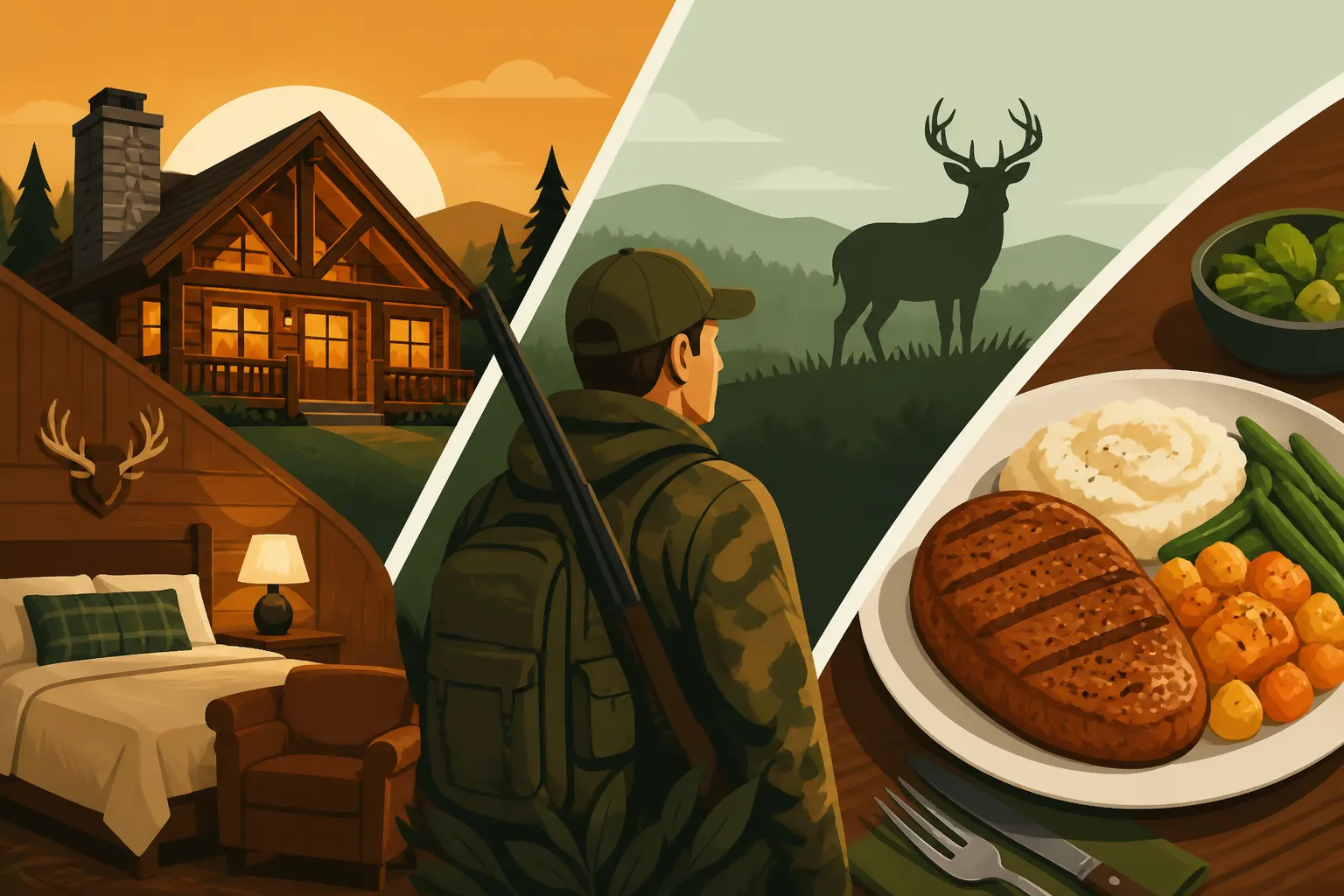
Lodge Accommodation and Meals
It's incredibly exciting to plan an Arkansas hunting trip, especially when you envision the full experience – not just the hunt itself, but also the camaraderie and comfort of a good lodge. However, it's easy to get overwhelmed trying to figure out what you're actually paying for, and what kind of "accommodations and meals" you can truly expect when you book with an outfitter or lodge in the Natural State. This guide is here to pull back the curtain on typical lodge offerings, helping you understand the diverse options available and set realistic expectations for your home away from home during your hunting adventure.
What to Expect from Arkansas Hunting Lodge Accommodations
When you're looking at Arkansas hunting lodges, particularly for duck or deer, the term "accommodation" can mean a lot of different things. It’s not always a cookie-cutter hotel room; often, it’s a more personalized and, frankly, sometimes more rustic experience that adds to the charm of the hunt. Understanding the spectrum of what's available will help you choose wisely.
Room Types and Sleeping Arrangements
Lodges in Arkansas cater to a range of group sizes and privacy preferences, from sprawling bunkhouses to private cabins. The type of room you get often depends on the lodge's overall size, its focus, and of course, the price point of your package.
Many of the classic Arkansas duck camps, especially in the Delta, embrace a communal atmosphere. This often means shared bunk rooms or dorm-style sleeping arrangements. Imagine a large room with several sets of bunk beds, sometimes with privacy screens or curtains, but generally open. This setup is fantastic for fostering camaraderie, where hunters can swap stories late into the evening or discuss strategies for the next morning's hunt. It’s a place where lifelong friendships are often forged. However, it does mean you’ll be sharing your space, and light sleepers might want to pack earplugs, as snoring is as much a part of the duck camp symphony as distant goose calls.
For those who prefer a bit more personal space, many lodges offer private or semi-private rooms. These typically feature two double beds, making them ideal for a pair of hunting buddies, a father-son duo, or even a couple. While not entirely secluded, these rooms provide a quiet retreat where you can unpack, recharge, and have your own space without the constant hum of a larger bunkhouse. They often come with an attached private or shared bathroom. When you're looking at options on platforms like BookYourHunt, pay close attention to the descriptions regarding rooming to ensure it aligns with your comfort level.
At the upper end of the spectrum, some lodges, particularly those catering to corporate groups or seeking a more luxurious experience, might offer executive suites or stand-alone cabins. These are designed for maximum privacy and comfort, often including king-sized beds, private living areas, and en-suite bathrooms. They might also feature amenities like small kitchenettes or dedicated workspaces. While these options often come with a higher price tag, they can be worth it for those seeking a truly exclusive and restful experience after a long day in the field or blind. If you're planning a trip with a specific group dynamic in mind, always clarify the exact rooming structure before you commit.
Common Lodge Amenities
Beyond where you lay your head, the amenities offered by an Arkansas hunting lodge significantly enhance the overall experience, turning a simple place to sleep into a true hunting retreat. These aren't just frills; many are practical necessities for hunters.
The heart of most lodges is the main common area. Picture a spacious living room with comfortable sofas and chairs, often centered around a large-screen TV (perfect for catching a game or watching hunting shows) and sometimes a crackling fireplace on chilly evenings. This is where hunters gather before and after meals, share tales from the day, play cards, or simply relax. Some lodges might also boast a pool table, foosball, or other games to foster a friendly competitive spirit. These spaces are invaluable for building rapport and making your trip memorable.
For the practical needs of a hunter, lodges often provide specific amenities that you wouldn't find in a regular hotel. Game cleaning stations are a huge plus, especially for duck hunters, allowing you to process your birds efficiently and cleanly. Dedicated dog kennels are essential for those bringing their trusted retrievers, ensuring your four-legged hunting partner has a safe and comfortable place to rest. Bringing Your Own Dog to an Arkansas Lodge is a topic many hunters consider, and proper kennel facilities are key. You'll also often find boot drying rooms or gear lockers, which are absolute lifesavers for drying out waders, boots, and soggy hunting clothes after a morning spent wading through flooded timber.
In today's connected world, Wi-Fi access is increasingly common, though it's important to remember that many prime hunting areas in rural Arkansas might have spotty or slower internet service. Don't count on streaming your favorite shows in 4K everywhere. Cell service can also be hit-or-miss depending on the location and your carrier. Some lodges might offer laundry facilities, sometimes coin-operated, which can be incredibly useful for multi-day hunts to freshen up gear. Always ask about internet and cell service if staying connected is a priority for you, especially if you need to manage any work remotely.
Rustic Charm vs. Modern Comfort
Arkansas hunting lodges run the gamut from delightfully rustic, steeped in tradition, to sleek and modern. Each offers a distinct atmosphere that will greatly influence your overall experience.
Many lodges, particularly those that have been around for generations in the Delta, lean heavily into rustic charm. These are the places that truly embody the spirit of a classic "duck camp." Think rough-hewn timber, walls adorned with vintage hunting memorabilia, faded photographs of past hunts, and maybe a few well-loved mounts of impressive birds or deer. The furniture might be sturdy and practical rather than luxurious, and the decor tells a story of countless seasons. For many hunters, this is precisely the appeal – a place that feels authentic and connected to the rich hunting heritage of Arkansas. It’s an immersive experience where the history of the hunt is palpable in every creak of the floorboard and every piece of taxidermy.
On the other hand, you'll find lodges that offer a more modern and updated comfort. These facilities might be newer constructions or recently renovated, featuring contemporary furnishings, updated appliances, and a more polished aesthetic. While they still cater to hunters, they might feel more akin to a high-end country hotel or a spacious vacation rental. These lodges prioritize amenities like plush bedding, state-of-the-art entertainment systems, and often more private, spa-like bathrooms. They appeal to hunters who appreciate a higher level of luxury and convenience, perhaps after a particularly grueling hunt, or those who are bringing non-hunting guests who might prefer a more upscale environment.
It’s crucial to align your expectations with the lodge's marketing and, frankly, its price point. A budget-friendly, historical camp is unlikely to offer marble countertops and smart TVs in every room, nor should you expect it to. Conversely, a premium lodge should deliver on its promise of modern amenities. Always review photos, read descriptions, and don't hesitate to ask specific questions about the age of the facility or recent renovations. Knowing whether you're heading to a quaint, old-school camp or a contemporary retreat will ensure you arrive prepared and excited for the atmosphere awaiting you. Platforms like GoHunt and BookYourHunt often feature detailed descriptions and photo galleries that can help you gauge the style of a lodge.
Dining Experiences: Fueling Your Hunt
The meals at an Arkansas hunting lodge are more than just sustenance; they are a vital part of the daily rhythm and social fabric of the hunting camp. From pre-dawn breakfasts to hearty dinners, the food fuels your body and provides opportunities to connect with fellow hunters.
Breakfast Before the Blind
When hunting in Arkansas, especially for ducks, the mornings start early. We’re talking well before the sun even thinks about peeking over the horizon. That means breakfast isn’t some leisurely affair; it’s a mission-critical operation designed to get you fed, warm, and out the door on time.
Expect hearty, stick-to-your-ribs fare that can withstand the cold and keep you going until lunch. Think classic Southern breakfast staples: scrambled eggs, crispy bacon, savory sausage patties, fluffy biscuits with a rich sausage gravy, and often grits or hash browns. Coffee is king, brewed strong and plentiful, alongside juice and milk. It’s a good idea to load up, because while the hunt itself is exciting, you might not feel that rumbling stomach until you’re back at the lodge hours later.
Most lodges will have breakfast ready and waiting for you, often buffet-style, to accommodate staggered departure times for different blinds or hunting groups. This grab-and-go efficiency ensures that everyone gets a warm meal without delaying the crucial pre-dawn drive to the hunting area. It's a key part of the experience, fostering a sense of shared anticipation as everyone quietly fuels up, layers on their gear, and prepares for the day's adventure.
Lunch Options: Field or Lodge
Depending on the type of hunt and the specific lodge, your midday meal might look a little different. Most Arkansas duck hunts, especially in green timber, typically conclude by late morning or early afternoon, making a return to the lodge for lunch the most common scenario.
When you're back at the lodge for lunch, expect more substantial, comfort food. This might include a spread of deli meats and cheeses for build-your-own sandwiches, hot soup or chili on colder days, burgers, hot dogs, or even fried fish if it's a specialty. It’s a chance to unwind, shed some layers, and recount the morning's action over a satisfying meal. This relaxed setting often allows for more storytelling and detailed discussions about the hunt, filling the gap between the morning's excitement and the evening's dinner.
For deer hunters, especially those staying in a stand all day, or during full-day duck hunts (less common but does happen), packed lunches are often provided. These are designed for portability and might include sandwiches, fruit, snacks, and a drink, all tucked into a cooler. It’s crucial for lodges to offer these if their hunts extend beyond traditional lunch hours, ensuring hunters remain energized and focused. Always confirm with your lodge whether lunches are served at camp or packed for the field, especially if you have specific dietary needs that would require advance preparation.
Dinner: The Day's Culmination
Dinner at an Arkansas hunting lodge is more than just a meal; it's often the grand finale of the day, a time for fellowship, storytelling, and indulging in some truly fantastic home-style cooking. After a long day of hunting, there’s nothing quite like gathering around a table with good company and great food.
Expect generous portions of hearty, Southern-inspired cuisine. This could be anything from perfectly cooked steaks or tender prime rib to classic fried chicken, slow-smoked BBQ ribs, or fresh catfish straight from local waters. Sides are usually abundant and delicious: mashed potatoes, green beans, corn, mac and cheese, rolls, and salads. It’s the kind of cooking that evokes warmth and hospitality, often served family-style to encourage sharing and conversation. Many lodges take great pride in their dinner menus, and it’s not uncommon for hunters to rave about the food as much as the hunting itself. If you're looking for a comprehensive experience, knowing What an Arkansas Duck Lodge Provides often includes a full dining service.
To round out the meal, desserts are usually on offer, ranging from peach cobbler and pecan pie to brownies and cookies. Non-alcoholic beverages like sweet tea, soda, and water are typically included. It’s common for lodges to operate on a BYOB (Bring Your Own Bottle) policy for alcoholic drinks, allowing guests to bring their preferred beer, wine, or spirits to enjoy responsibly after the day's hunt. This saves the lodge from needing a liquor license and gives guests flexibility. Always clarify the lodge's alcohol policy before you arrive.
Some lodges might even incorporate wild game dishes into their dinner rotation, especially if they have a dedicated chef or if the lodge owner is a passionate cook. Imagine feasting on expertly prepared duck gumbo, venison chili, or even bear stew. This adds another layer of authenticity to the experience and is a real treat for hunters who appreciate the full farm-to-table (or field-to-table) journey. These meals create lasting memories, becoming as much a part of the hunting lore as the big buck that got away or the limits of mallards dropped in the timber.
Snacks, Drinks, and Dietary Needs
Beyond the three main meals, lodges understand that hunters need to stay hydrated and energized throughout the day. Access to snacks and a variety of beverages is a common offering, and handling dietary needs is increasingly important.
Most lodges will have a readily accessible supply of snacks throughout the day. This could mean a basket of fruit, granola bars, cookies, or sometimes even more substantial options like sausage biscuits or sandwiches for those who might have missed a meal or need an extra boost. For beverages, expect a constant supply of coffee, tea, water, and various soft drinks. Many lodges will also have sports drinks or juices available, especially for those early mornings or after strenuous treks in the field. These small touches go a long way in making guests feel comfortable and well-cared for.
It's absolutely critical to communicate any dietary restrictions or allergies to your lodge well in advance of your arrival. Whether you're vegetarian, gluten-intolerant, have a severe nut allergy, or simply prefer specific types of food, lodges are generally very accommodating but need adequate notice to plan and prepare. Don't assume they can whip up a special meal on the fly if you haven't given them a heads-up. A simple email or phone call during the booking process to discuss your needs can prevent discomfort and ensure you can enjoy every meal without worry. A good lodge aims to provide a pleasant and safe dining experience for all its guests, and your proactive communication is key to making that happen.
Comparing Lodge Types and Their Offerings
Arkansas offers a diverse array of hunting opportunities, and naturally, the lodges that support these pursuits are equally varied. From dedicated waterfowl havens to deer camps in the mountains, understanding these distinctions helps you pick the perfect fit for your adventure.
Dedicated Waterfowl Lodges
When most people think of Arkansas hunting lodges, the image of a dedicated waterfowl lodge often comes to mind. These establishments are laser-focused on duck and goose hunting, reflecting Arkansas's status as a premier destination on the Mississippi Flyway. These lodges are predominantly found in the Delta region of Eastern Arkansas, especially around legendary towns like Stuttgart, often dubbed the "Duck Capital of the World."
These lodges are specialized operations. Their amenities are tailored specifically for the waterfowl hunter. You'll find extensive dog kennels for retrievers, often heated and covered, sometimes with wash-down areas. Bringing Your Own Dog to an Arkansas Lodge is a big draw for many duck hunters, and these facilities are crucial. Inside, there are usually dedicated wader drying rooms and spacious mud rooms where you can shed your wet, muddy gear before entering the main lodge. These practical elements are designed to make your post-hunt routine as comfortable and efficient as possible, ensuring your gear is ready for the next morning.
The culture at a dedicated waterfowl lodge is often vibrant and energetic. Days revolve around early mornings, the roar of airboats or ATVs heading to the blinds, intense shooting, and then lively discussions over meals. While the accommodations can range from rustic to luxurious, the primary emphasis is always on the hunt itself. Don't expect a quiet, resort-like atmosphere; instead, anticipate a bustling, exciting environment filled with passionate hunters. The dining experience is often equally robust, featuring hearty meals to warm you up after hours in a cold blind. For more insight, check out Stuttgart and Grand Prairie Duck Lodges to see what makes them unique.
Deer and Big Game Camps
Moving away from the flooded timber, deer and big game camps in Arkansas offer a different kind of lodge experience. These are more commonly found in the rugged terrains of the Ozark and Ouachita National Forests, or in the pine forests of South Arkansas, where whitetail deer, and occasionally black bears, are the primary quarry. Black Bear Hunting in Arkansas brings its own set of considerations for lodges.
The accommodations in these camps might range from traditional cabins to more modern lodges, but the focus shifts from waterfowl-specific amenities. While some may have small, secure areas for hunting dogs if deer drives are part of the local tradition, extensive kennel facilities are less common compared to duck lodges. Instead, you'll often find excellent game processing areas, sometimes with walk-in coolers, where hunters can clean and quarter their deer or bears efficiently. This is a huge advantage, especially when handling larger game in varying temperatures.
The rhythm of a deer camp is also distinct. Mornings might not start as early as a duck hunt, but hunters are often in their stands well before dawn and might stay out for much of the day. This can mean packed lunches are more common, or a later, more substantial lunch back at camp. Evenings are still a time for camaraderie and storytelling, but perhaps with a slightly quieter, more reflective atmosphere after hours spent solo in the woods. These lodges are tailored to the often more solitary pursuit of big game, providing a comfortable base from which to launch your hunt. When researching these types of trips, sites like GoHunt can be invaluable for connecting with outfitters that cater to deer or bear hunting, allowing you to filter by species and lodge amenities. For planning, consider guides like Booking an Arkansas Deer or Bear Hunt.
Multi-Species and Combo Hunt Lodges
Some Arkansas lodges strive to be versatile, catering to a range of hunting seasons and species. These multi-species and combo hunt lodges are designed to offer flexibility, attracting hunters who might want to pursue deer in the early archery season, switch to ducks in winter, or even add a spring turkey hunt to their repertoire.
These lodges often feature a broader array of facilities to accommodate different hunting styles. They might have a mix of general-purpose common areas, some kennel space, and a good game processing setup suitable for both birds and bigger game. The beauty of these operations lies in their adaptability. You might find them positioned in areas that offer diverse habitats – perhaps near river bottoms that draw ducks and also have significant deer populations, or on the edge of farm country and deep timber.
The operational challenge for these lodges is managing the varying schedules and needs of different hunting groups simultaneously. They might have more flexible meal timings or separate dining areas to accommodate hunters returning from vastly different expeditions. For hunters looking to experience a taste of everything Arkansas has to offer without changing lodges, these combo options can be incredibly appealing. They aim to provide a comfortable and equipped base regardless of what game you're after. When you're considering a lodge that offers more than one type of hunt, make sure to inquire about how they manage scheduling and logistics when multiple species are in season to ensure a smooth experience for your specific hunt.
Beyond the Basics: What Else to Consider
When choosing a hunting lodge, the basic amenities are just the starting point. Digging a little deeper into things like guest capacity, family friendliness, and evening entertainment can truly make or break your trip, ensuring it aligns perfectly with your vision of an ideal hunting getaway.
Guest Capacity and Group Dynamics
The size of a hunting lodge and the number of guests it can accommodate directly impact the atmosphere and your personal experience. This isn't just about bed count; it's about the overall dynamic.
Consider the difference between a small, intimate lodge that caters to only 6-10 hunters at a time versus a larger operation hosting 30 or more. In a smaller lodge, you're likely to receive more personalized attention from the guides and staff. Meals might be more intimate, fostering deeper conversations and quicker bonds with fellow hunters. It often feels more like a private gathering among friends, even if you’ve just met everyone. This setting is perfect for those who prefer a quiet, low-key experience or who are booking with a tight-knit group and want minimal external distractions.
A larger lodge, on the other hand, can offer a different kind of energy. There might be more diverse groups of hunters, leading to a wider range of stories and perspectives. The facilities might be grander, with more common areas and potentially more guides, but the personal touch might be spread thinner. Meal times can be busier, and the overall atmosphere more bustling. If you thrive on social interaction and enjoy being part of a larger, more active camp, then a bigger lodge could be ideal. Conversely, if you're seeking solitude and quiet reflection after a hunt, a crowded lodge might feel overwhelming. Always inquire about the typical guest capacity and how many hunters they generally host at once. This information, often found on booking platforms, helps you gauge if the lodge's social environment matches your preference.
Non-Hunting Guests and Family Friendliness
Bringing along non-hunting guests – whether it's a spouse, partner, or children – can significantly enhance a trip for many, turning a hunting expedition into a family vacation. However, not all lodges are equipped or inclined to accommodate them.
It's absolutely essential to check the lodge's policy on non-hunting guests before booking. Some lodges are strictly hunter-focused and simply don't have the facilities or the inclination to host non-participants. Their primary goal is to provide a seamless hunting experience, and extra guests might complicate logistics. If they do allow non-hunters, there will almost certainly be additional fees for accommodation and meals. These fees vary widely, so get a clear breakdown.
For lodges that welcome non-hunting guests, consider what they offer beyond the hunt. In many remote Arkansas hunting locations, activities for non-hunters might be extremely limited. They might enjoy the peaceful surroundings, reading, or simply relaxing, but don't expect resort-style amenities like spas, golf courses, or extensive shopping. If your non-hunting companions require entertainment or activities, research the nearby towns or attractions thoroughly. Some lodges, however, are specifically designed to be family-friendly, offering designated recreational areas, Wi-Fi for remote work, or even planned activities during certain times of the year. For families with younger hunters, understanding options like Youth Hunters at an Arkansas Lodge is also important. Clarifying these points upfront ensures that everyone in your party has a positive and enjoyable experience, whether they're in the blind or relaxing at the lodge.
Evening Entertainment and Relaxation
After a long, exhilarating, and often physically demanding day of hunting, the evenings at the lodge are a crucial time for unwinding, recharging, and cementing the day's memories. What a lodge offers for evening entertainment and relaxation can greatly influence your post-hunt experience.
Beyond the communal dinner, the options for evening activities can vary widely. In many traditional Arkansas hunting camps, the entertainment is organic and revolves around social interaction. Hunters gather in the common areas, sharing stories of the day's hits and misses, speculating on tomorrow's weather, and exchanging tips. Card games, board games, or a friendly poker match are common. Many lodges also feature large-screen TVs, where guests can catch up on sports, watch hunting videos, or simply relax with some background noise. A fire pit outside for gathering under the stars can add a magical touch, especially on cooler nights, perfect for recounting tales over a warm drink.
Some lodges might offer slightly more structured entertainment or amenities. This could include a pool table, foosball, or even a small, informal bar area where guests can mix their own drinks (remembering most are BYOB). The level of luxury often correlates with the breadth of these offerings. For instance, a higher-end lodge might have more sophisticated media rooms or even a dedicated lounge space. It’s important to manage your expectations: while some lodges provide a vibrant social hub, others prioritize a quieter, more tranquil atmosphere designed for rest. If a lively social scene or specific forms of entertainment are important to you, make sure to ask the lodge directly about their evening amenities when you're making your inquiry. Platforms like BookYourHunt and GoHunt often provide details on lodge facilities, but sometimes a direct call can clarify the nuances of the evening atmosphere.
| Feature | Rustic, Traditional Lodge | Modern, Upscale Lodge |
|---|---|---|
| Accommodations | Shared bunk rooms, basic furniture, communal bathrooms | Private or semi-private rooms, comfortable beds, en-suite options |
| Authentic hunting decor, well-worn feel | Contemporary furnishings, polished aesthetic, newer construction | |
| Emphasis on shared experience, often less privacy | Focus on comfort & privacy, potentially larger individual spaces | |
| Meals | Hearty, classic Southern home-style cooking | Gourmet touch, diverse menu, possibly wild game chef |
| Buffet-style, family-style servings, emphasis on quantity | Plated meals, curated dining experiences, presentation | |
| Basic snacks and drinks | Wider selection of premium snacks, craft beverages, bar area | |
| Communal dining, lively storytelling | More formal dining, possibly quieter atmosphere | |
| Amenities | Dedicated mud rooms, wader dryers, basic kennels | State-of-the-art game cleaning, heated kennels, fitness rooms |
| Basic Wi-Fi (potentially spotty), limited cell service | High-speed Wi-Fi, stronger cell service, business centers | |
| Common area with TV, card table, fireplace | Entertainment rooms (pool, media), outdoor fire pits, lounges | |
| Atmosphere | Strong sense of history, camaraderie, authentic "camp" feel | Luxurious, comfortable, professional, sometimes more corporate |
| Typical Cost | Generally more budget-friendly | Higher price point, caters to luxury market |
Disclaimer
This article is for general informational purposes only and does not constitute professional advice. Laws, prices and regulations vary by location and change over time. Consult a qualified professional for guidance on your specific situation.