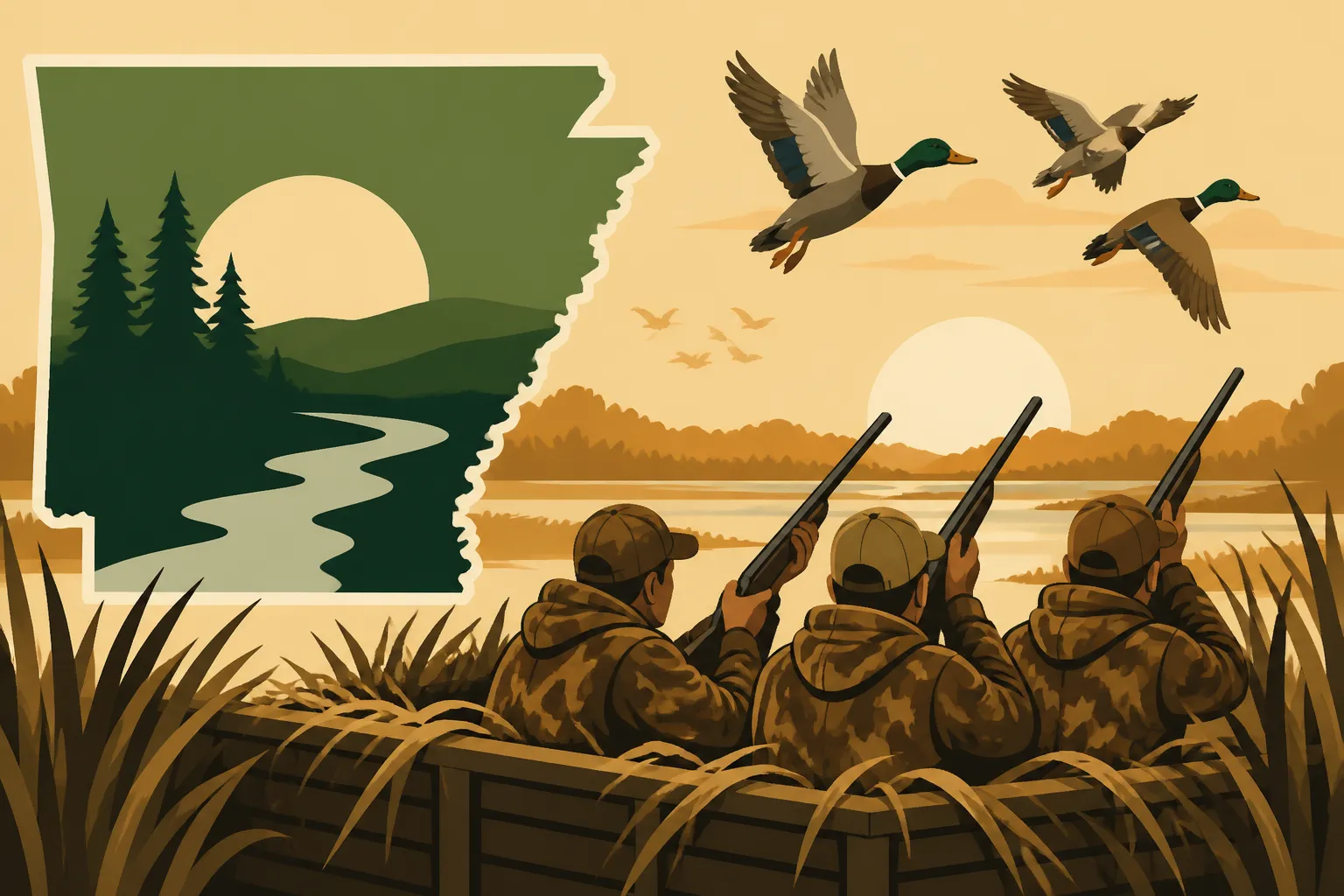
Corporate and Group Duck Hunts
Trying to organize a hunting trip for a whole crew, whether it's for a corporate team-building event or just a big group of friends, can feel like you're herding cats, especially when everyone has different expectations and experience levels. It’s tough to coordinate travel, gear, licenses, and finding the perfect spot where everyone will have a great time and actually see some birds. This guide is here to walk you through everything you need to know about planning and executing a truly memorable corporate or large group duck hunt in the great state of Arkansas, making sure your outing is a success from the first quack to the last retrieve.
Why Arkansas is the Ultimate Destination for Group Duck Hunts
When you think about duck hunting, especially with a group, Arkansas almost immediately comes to mind. There's a reason for that, and it's not just folklore or old wives' tales. This state holds a special place in the hearts of waterfowlers, offering an unparalleled experience that truly shines when shared with a larger party. It's more than just a hunt; it's an immersion into a unique culture and environment that caters beautifully to group dynamics.
The Allure of Arkansas's Delta Region
The Mississippi Alluvial Plain, more commonly known as the Delta, stretches across eastern Arkansas and is a magnet for migratory waterfowl. We're talking about millions of ducks and geese making their annual pilgrimage down the Mississippi Flyway, and a huge chunk of them decide to winter right here. This region is a tapestry of flooded timber, vast rice fields, and meandering sloughs – prime habitat that provides both food and sanctuary for these birds. Imagine standing in waist-deep water in a flooded green timber hole, surrounded by towering oaks, listening to the whistle of wings as mallards cup into your decoys. It's a surreal experience that's etched into the memory of every hunter lucky enough to witness it. The sheer volume of birds, coupled with the varied terrain, means there are endless opportunities, whether your group prefers the classic timber hunt or a spread in a sprawling rice field. Why Mallards Winter in Arkansas will give you a deeper understanding of this phenomenon.
Why Group Hunts Are So Popular Here
Arkansas is practically built for group hunts. Think about the tradition of "duck camp" – it's a social affair, a place where stories are told, friendships are forged, and memories are made around a warm fire or over a hearty meal. Corporate outings or large family gatherings fit right into this ethos. Outfitters and lodges here are well-versed in handling bigger parties, offering accommodations and hunting setups designed to keep everyone together. From spacious lodges where your team can debrief after a morning hunt to blinds large enough to comfortably host multiple shooters, the infrastructure is already in place. It's not just about the numbers; it's about fostering camaraderie. There's a special bond formed when a group works together, calling in birds, celebrating successful retrieves, and sharing the thrill of the hunt. It breaks down barriers, builds trust, and creates shared experiences that resonate long after the trip is over. Plus, the sheer excitement of a big group watching hundreds of ducks spiral overhead is a feeling that's hard to replicate anywhere else.
Planning Your Arkansas Corporate or Group Duck Hunt
Organizing a successful group hunt, especially for a corporate event, requires meticulous planning. It's not just about showing up with shotguns; it's about managing expectations, handling logistics, and ensuring everyone has a safe and enjoyable time.
Choosing the Right Outfitter and Package
This is arguably the most critical decision you'll make. A good outfitter is the backbone of a successful group hunt. You need someone who specializes in handling larger parties, understands the nuances of corporate events, and has a proven track record. Look for outfitters with ample acreage, diverse hunting opportunities (timber, fields, sloughs), and professional, knowledgeable guides. When you're searching, platforms like BookYourHunt can be incredibly useful. They often list outfitters with detailed descriptions of their facilities, packages, and group capacities, making it easier to compare options side-by-side. Don't be shy about asking specific questions about their experience with corporate groups or large parties.
Here’s a checklist of things to consider:
- Group Size Capacity: Can they comfortably accommodate your entire group in the field and at the lodge?
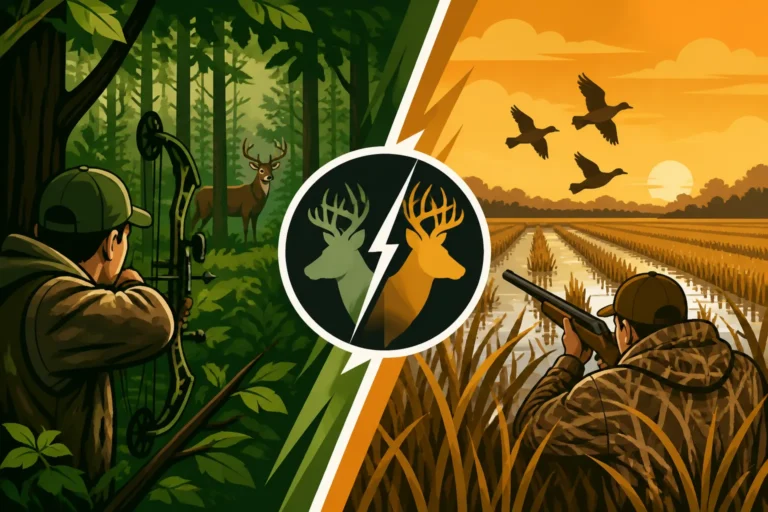
- Hunting Style Preferences: Does your group prefer flooded timber, rice fields, or a mix? Ensure the outfitter can deliver on this. Green Timber Duck Hunting in Arkansas and Field and Flooded Rice Duck Hunting in the Delta are great resources for understanding the different experiences.
- Experience Level of Hunters: Do they cater to beginners, seasoned pros, or a mix? Guides who are patient and good teachers are a must for mixed-skill groups.
- Lodge Amenities: What kind of lodging is offered? Private rooms, bunkhouses, meeting spaces? Consider how this fits your group's needs for privacy and collaborative activities.
- Meals and Catering: Are meals provided, and can they accommodate dietary restrictions? Good food is a huge part of the camp experience.
- Additional Services: Do they offer bird cleaning, game packaging, or even taxidermy services? This can be a huge convenience for a large group.
- References: Always ask for references from past corporate or large group clients. A reputable outfitter will be happy to provide them.
Once you have a few options, dig into the details of their packages. Some might offer all-inclusive deals that cover everything from lodging and meals to guided hunts and bird processing, which can simplify budgeting for a large group. Others might be more à la carte. Understanding what an All-Inclusive Arkansas Duck Package includes is crucial.
Budgeting and Understanding Inclusions/Exclusions
Cost is always a major factor, especially for corporate or large group hunts. Outfitters offer a range of packages, and knowing what's covered versus what's an extra expense is paramount. Generally, an all-inclusive package will cover lodging, meals, guided hunts, and sometimes even bird processing. However, there are almost always exclusions you need to budget for:
- Licenses and Stamps: Every hunter will need an Arkansas hunting license, a state waterfowl stamp, and a federal duck stamp. Don't forget HIP registration for migratory birds. These are almost never included in the outfitter's price. Arkansas Hunting Licenses and What They Cost is a good place to start for understanding these requirements.
- Ammunition: Hunters typically bring their own or purchase it separately. Factor in non-toxic shot requirements.
- Gear: Waders, warm clothing, rain gear, shotguns – ensure your group knows what they need to bring. Some outfitters might have rentals, but it's not common.
- Travel: Flights, ground transportation to the lodge, and any shuttles.
- Gratuities: This is a big one. Guides, lodge staff, and bird cleaners work incredibly hard. Tipping is customary and expected. Make sure you budget for Tipping Guides and Dog Handlers to avoid awkward situations.
- Souvenirs/Extra Activities: Does your group want to visit Stuttgart, explore local shops, or have specific team-building activities outside of hunting?
- Unexpected Costs: Breakages, lost gear, or emergency supplies.
A clear, itemized budget will prevent surprises. It's often helpful to designate one person as the financial coordinator for the group, ensuring all payments are made on time and everyone understands their contribution.
Important Considerations for Large Groups
Managing a large group in the field presents unique challenges and opportunities.
- Group Dynamics: Understand the personalities in your group. Are there experienced hunters who can mentor beginners? Are there individuals who might need extra assistance or patience? Communicate these dynamics to your outfitter beforehand.
- Safety Briefings: A comprehensive safety briefing from the guide is non-negotiable. With multiple shooters, gun safety needs to be emphasized constantly. Ensure everyone understands shooting zones and muzzle control.
- Communication: Have a clear communication plan for your group, both before and during the hunt. This includes meeting times, gear lists, rules, and emergency contacts.
- Flexibility: While you'll have a plan, be prepared for adjustments. Weather, bird movement, or unexpected events can change plans. A good attitude and flexibility will make for a better experience.
- Designated Lead: Appoint one or two people from your group to be the main point of contact with the outfitter. This streamlines communication and prevents confusion.
- Non-Hunting Activities: Consider planning some non-hunting activities, especially if not everyone in the group is a hardcore hunter. This could include sightseeing, visiting a local brewery, or simply enjoying the lodge amenities. It ensures a well-rounded experience for all. When browsing for outfitters, look at platforms like GoHunt that sometimes offer broader travel and activity planning tools alongside hunting resources.
Maximizing the Experience
A successful group hunt goes beyond just bagging birds. It's about the shared journey, the lessons learned, and the bonds strengthened. Thinking through the entire experience, from the moment you book until everyone heads home, will ensure maximum enjoyment.
Pre-Hunt Preparation and Communication
The more prepared your group is, the smoother the trip will be. Start communicating early and often.
- Detailed Itinerary: Send out a comprehensive itinerary well in advance. This should cover travel details, lodge check-in/out times, daily hunt schedules, and any planned non-hunting activities.
- Gear List: Provide a detailed gear list, including seasonal clothing recommendations (Arkansas weather can be fickle!), waders, gun cases, licenses, and personal items. Remind everyone about non-toxic shot requirements.
- Rules and Regulations: Clearly communicate Arkansas hunting regulations, especially regarding bag limits, shooting hours, and any WMA-specific rules if your outfitter utilizes public land. Even on private land, understanding the Arkansas Deer Checking and Tagging requirements, for example, sets a good precedent for general hunting ethics.
- Physical Preparation: Duck hunting can be physically demanding, especially if wading in flooded timber. Encourage your group to be in reasonable physical condition. Mentioning potential wading depth and conditions upfront can help manage expectations.
- Questions and Concerns: Create an open channel for questions. Address any concerns about gear, safety, or logistics before the trip. A pre-trip virtual meeting can be a great way to get everyone on the same page.
On-Site Logistics and Group Management
Once you're at the lodge, efficient on-site management ensures everyone's experience is seamless.
- Daily Briefings: Have a short briefing each evening or morning with your group and the guides. This is where you can discuss the previous day's success, plan for the upcoming hunt, and address any immediate concerns.
- Rotation and Pairing: If your group is very large, discuss with the outfitter how hunters will be rotated through different blinds or hunting areas. Sometimes, pairing experienced hunters with novices can enhance the learning experience.
- Respect for Guides and Property: Emphasize respect for the guides, their dogs, and the hunting property. This includes following instructions, being on time, and leaving no trace.
- Troubleshooting: Designate a point person within your group for any immediate issues, whether it’s a broken wader strap or a lost license. This prevents multiple people from approaching the outfitter with the same problem.
- Capture the Memories: Encourage photos and videos! These shared memories are a huge part of the corporate or group hunt experience. Just be mindful of safety and discretion during active hunting.
Beyond the Hunt: Enhancing the Overall Trip
A corporate or group hunt can be more than just shooting ducks. It's an opportunity for team building, relaxation, and exploring a new place.
- Team-Building Activities: Beyond the hunt itself, plan specific team-building exercises. This could be as simple as a competitive skeet shoot, a cooking challenge with duck breasts, or a strategic game night at the lodge. The shared challenge of the hunt already fosters collaboration, but these extra activities can amplify it.
- Local Exploration: Depending on your location, consider a half-day excursion. Perhaps a visit to the Museum of the Arkansas Grand Prairie in Stuttgart, or exploring some of the charming small towns nearby. It adds a cultural dimension to the trip.
- Relaxation and Networking: Ensure there’s ample downtime for your group to relax, socialize, and network. Comfortable common areas at the lodge, a fire pit for evening conversations, or a game room can facilitate this.
- Post-Hunt Debrief: Consider a casual debriefing session at the end of the trip. What went well? What could be improved? This feedback is invaluable for planning future events. It also allows everyone to share their highlights and takeaways. The stories shared around the dinner table about a successful retrieve or a particularly challenging shot are often the best part of the whole experience.
Here’s a quick overview of what to look for when evaluating potential outfitters for your group hunt:
| Feature/Service | Ideal for Corporate/Group Hunts | Why it Matters |
|---|---|---|
| Capacity | Multiple large blinds/pits; lodge sleeps 8-15+ individuals comfortably | Ensures entire group can hunt together or split into manageable sub-groups |
| Hunting Variety | Access to flooded timber, rice fields, open water | Caters to different preferences and offers flexibility based on bird movement |
| Guide Experience | Guides specialized in managing large parties; patient with all skill levels | Crucial for safety, educational value, and smooth operations with diverse hunters |
| All-Inclusive Packages | Covers lodging, meals, guided hunts, bird cleaning, sometimes ammo | Simplifies budgeting and logistics for the organizer |
| Lodge Amenities | Private rooms/suites, meeting space, Wi-Fi, common entertainment areas | Offers comfort, privacy, and opportunities for corporate discussions or relaxation |
| Meal Service | Catered meals, flexible dining times, ability to handle dietary needs | Enhances the social aspect and ensures everyone is well-fed |
| Flexibility | Willingness to customize itinerary, adjust to weather/bird patterns | Accommodates specific corporate needs and unforeseen circumstances |
| References | Available and positive feedback from previous large/corporate groups | Verifies reputation and experience with similar bookings |
Organizing a corporate or group duck hunt in Arkansas is a fantastic way to build team spirit, create lasting memories, and experience some of the best waterfowling our country has to offer. With thoughtful planning and clear communication, you're well on your way to a truly exceptional trip.
Disclaimer
This article is for general informational purposes only and does not constitute professional advice. Laws, prices and regulations vary by location and change over time. Consult a qualified professional for guidance on your specific situation.