Which Is Better for a First Trip
For many folks dreaming of a hunting trip to Arkansas, especially for ducks, the sheer number of options can feel a bit overwhelming, particularly when you're planning your very first outing. You hear whispers of flooded timber and wide-open rice fields, but which one truly offers the best experience for a newcomer? This guide is here to break down the two most iconic guided duck hunting experiences in the Natural State—green timber and rice fields—helping you understand the nuances so you can pick the perfect adventure for your inaugural trip.
Understanding the Arkansas Duck Hunting Landscape for First-Timers
Arkansas is legendary for its duck hunting, sitting right in the heart of the Mississippi Flyway. When those northern cold fronts push ducks south, a massive percentage of the continent's waterfowl funnel right into our state. For a first-timer, this means incredible opportunities, but also a choice: do you want the classic, intimate setting of flooded woods, or the expansive, high-volume action of a rice field? Both are fantastic, but they offer vastly different experiences and demand different things from you. Understanding these fundamental differences is key to setting yourself up for success and enjoyment on your first guided hunt.
The Iconic Green Timber Experience: What It Is
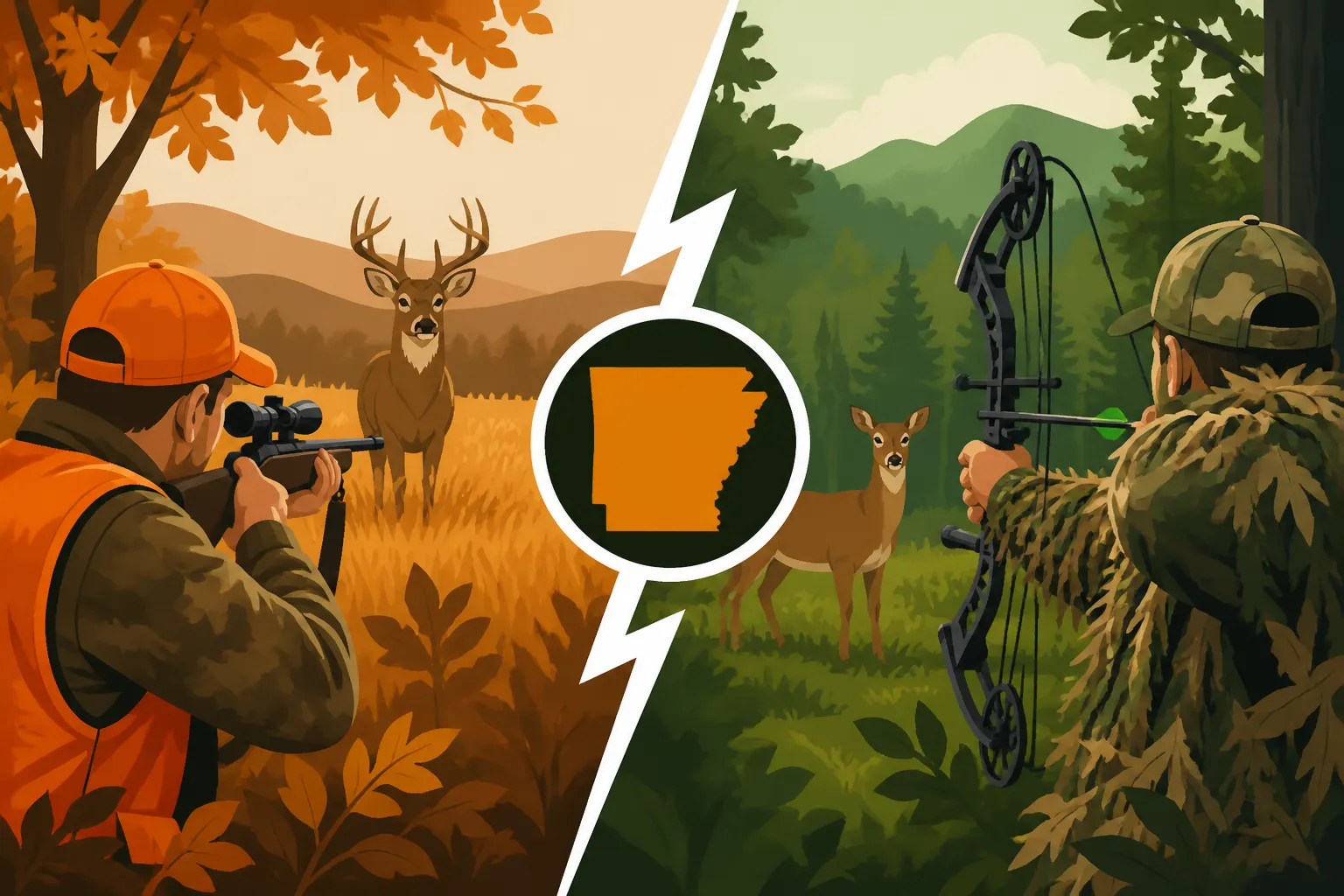
When most people picture duck hunting in Arkansas, they're probably imagining green timber. This is where you find yourself standing amidst towering oak and pecan trees, often in knee-to-chest deep water, surrounded by decoys shimmering on the dark water. The guides here are masters of the timber hole, calling ducks directly into the canopy above you, often finishing them just feet from your face. The experience is incredibly immersive and sensory: the smell of wet earth, the sound of falling acorns, the splash of a mallard dropping through the branches, and the echo of the shotgun blast in the woods. It’s an intimate, almost sacred dance with the ducks, often described as the pinnacle of duck hunting by those who love it. The guides often have specific "holes" or openings in the canopy that they've scouted and prepared, where they know ducks like to finish. These spots are carefully chosen for concealment and optimal shooting. Hunting Arkansas Flooded Green Timber offers a deeper dive into this unique environment.
The Productive Rice Field Hunt: What It Offers
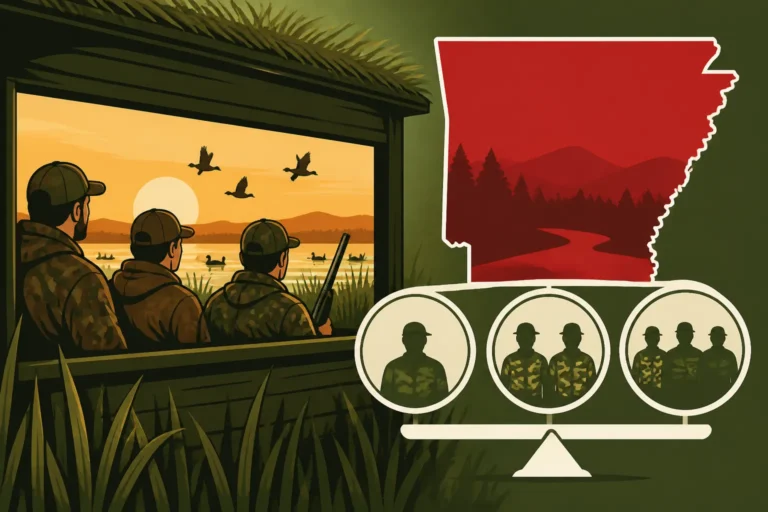
On the other side of the coin, we have the rice field hunts, a staple of the Arkansas Delta. Here, you'll typically be in a pit blind, panel blind, or a brushed-up levee, overlooking vast expanses of flooded rice stubble or managed moist-soil units. Decoy spreads can be enormous, sometimes stretching for hundreds of yards, designed to pull in large flights of ducks and geese from a distance. The sheer volume of birds you might see on a given morning in a rice field can be astounding, offering a different kind of thrill. It's often a more fast-paced, action-oriented hunt, with multiple flocks working the spread throughout the morning. The calling might be louder and more aggressive, designed to draw attention across large distances. While it lacks the close-quarters drama of timber, the spectacle of thousands of ducks circling a massive spread under a vast sky is breathtaking in its own right. Hunting Rice Fields After Harvest explains more about these productive landscapes.
Pros and Cons for a First-Time Hunter: Green Timber vs. Rice Fields
Choosing your first hunt boils down to what kind of experience you're truly seeking and what you're prepared for. Both green timber and rice fields offer incredible hunting, but their unique characteristics make them better suited for different preferences and capabilities, especially for someone new to the Arkansas scene.
Green Timber: The Immersive, Challenging Charm
Pros for a First-Timer:
- Iconic Experience: This is what many dream of. It's the classic Arkansas duck hunt, often seen in magazines and TV shows, making it feel truly special and authentic.
- Intimate Setup: Hunts are typically in smaller, more defined "holes" with fewer hunters, leading to a more personal interaction with the guide and a feeling of being truly immersed in nature. The close-range shooting when ducks commit to the call is incredibly exhilarating.
- Decoy Work and Calling: You'll witness incredible calling and decoy spreads specifically designed for the tight confines of the timber. Learning How Timber Calling Differs From Open Water can be an eye-opener.
- Sensory Experience: The sights and sounds of the flooded woods, from the water lapping around the trees to the whistling wings of incoming ducks, create an unforgettable atmosphere.
Cons for a First-Timer:
- Physical Demands: This is the biggest hurdle for many. You'll often be wading in cold water, sometimes waist-deep, for significant distances to and from the blind. Uneven bottom, submerged logs, and thick brush can make walking challenging. It requires a good level of physical fitness.
- Fewer Shots (Potentially): While the quality of the shots can be phenomenal, some days timber can be slower than a field hunt if the ducks aren't flying or haven't settled into that specific hole.
- Weather Dependency: Timber hunts can be heavily impacted by water levels. Too much or too little water can make access difficult or push ducks elsewhere.
- Gear Requirements: Waders are absolutely essential, and you'll want good, warm layers, as standing in cold water can quickly lead to a chill.
Rice Fields: The Accessibility and Action-Packed Potential
Pros for a First-Timer:
- Easier Access: Most rice field hunts involve less strenuous walking and wading. You're often transported by ATV or truck close to a pit blind or a brushed-up levee, making it much more accessible for hunters of all fitness levels.
- High Volume Potential: When the ducks are flying, rice fields can offer continuous action. It's not uncommon to see hundreds, if not thousands, of ducks throughout the morning, providing ample shooting opportunities.
- Comfort: Pit blinds, in particular, offer a degree of comfort and shelter from the wind and elements that timber often doesn't. You can bring a small heater in some pits, making the colder days more bearable.
- Variety of Species: While mallards are king, you're also likely to encounter a wider variety of ducks like pintails, wigeon, gadwall, and even some geese, especially specklebellies, in rice fields. Specklebelly Hunting in Arkansas Fields is a popular draw here.
Cons for a First-Timer:
- Less "Classic" Feel: For some, it might not offer the same iconic "Arkansas experience" as green timber. It can feel more like a commercial hunt, though the action can certainly make up for it.
- Open Exposure: Even in a blind, you're often in a more exposed environment than timber, making you more vulnerable to wind and cold.
- Longer Shots: Ducks in fields often work at greater distances, meaning longer shots are more common, which can be challenging for new hunters or those less comfortable with longer ranges.
- Less Intimate: While you'll still interact with your guide, the sheer size of some spreads and the number of birds can make the experience feel less personal than a small timber hole.
Practical Considerations When Choosing Your First Guided Hunt
Once you've weighed the pros and cons, it's time to think about the nitty-gritty details. A successful first guided hunt isn't just about the ducks; it's about comfort, safety, and managing your expectations. Remember, you're making an investment in an experience, so a little planning goes a long way.
Equipment and Physical Demands
Let's be realistic about what each type of hunt asks of you.
-
Green Timber: If you opt for timber, high-quality, insulated chest waders are non-negotiable. You'll want to layer up underneath them with moisture-wicking materials and warm fleece. A waterproof, warm hunting coat is also essential. Footwear within your waders should be comfortable and provide good traction. The physical exertion can be substantial, especially if you're navigating deep water and uneven ground. Consider your own mobility and endurance. If you're not used to prolonged physical activity in cold, wet conditions, timber might be a bit much for a first-timer, or you might need to specifically ask guides if they have easier-access holes.
-
Rice Fields: While waders are still a good idea (you might need to retrieve birds or step into shallow water), often knee boots or even waterproof hunting boots are sufficient if you're primarily in a pit blind or on a levee. Warm, waterproof clothing is still crucial, but the mobility demands are significantly lower. You're typically sitting for most of the hunt, allowing for more comfort. A warm hat and gloves are always important, regardless of the hunt type, as the Arkansas mornings can be frigid.
| Feature | Green Timber Hunt for First-Timers | Rice Field Hunt for First-Timers |
|---|---|---|
| Typical Experience | Highly immersive, iconic, intimate, close-quarters shooting. | Action-packed, high volume, often more accessible, vast views. |
| Physical Demands | High (wading deep, uneven ground, cold water exposure). | Low to Moderate (less wading, often sitting in a blind). |
| Gear Essentials | Insulated chest waders, layered warm clothing, waterproof coat. | Warm, waterproof outerwear, knee boots (waders still good). |
| Expected Shots | Potentially fewer but often very close and exhilarating. | High volume potential, often longer shots. |
| Comfort Level | Lower (standing in water, exposed to elements). | Higher (sitting in pit blinds, more shelter). |
| Price Shape | Can be similar to fields, but prime timber locations might command a premium for the experience. | Generally competitive, sometimes offering more budget-friendly options. |
Guide Services and Expectations
Regardless of whether you choose timber or fields, a good guided hunt in Arkansas means professionalism and helpfulness. When you're looking for an outfitter, platforms like BookYourHunt or GoHunt can be great resources to start your search, offering listings and reviews. Don't be shy about asking questions when you're inquiring with potential guides. You want to know:
- What's included? Does the price cover breakfast, lunch, bird processing, or even ammunition? What an Arkansas Hunt Price Includes can vary widely.
- Group Size: How many hunters will be in your group? A smaller group often means more personalized attention, especially valuable for a first-timer.
- Typical Day: What does a typical morning look like? What time do you meet, how do you get to the blind, and how long is the hunt?
- Success Rates: While no guide can guarantee a limit, ask about their typical success rates and what conditions make for good hunting.
- What to Bring: Get a clear list of recommended gear.
- Weather Policy: What happens if the weather is unfavorably warm, or if there's extreme cold or ice?
For a first-timer, a patient and communicative guide is invaluable. They can help you with shooting tips, explain duck behavior, and generally make you feel comfortable. Don't forget that tipping your guide and any dog handlers is customary for good service. Tipping an Arkansas Duck Guide is a good read on this topic.
Making Your Decision and Booking Your First Arkansas Adventure
Ultimately, the "better" choice for your first trip comes down to what kind of story you want to tell and what kind of adventure you're ready for. Do you envision yourself silently waiting in the flooded woods, hearing the splash of a mallard, or do you dream of a barrage of greenheads circling a vast spread in a rice field?
Researching and Booking Reputable Outfitters
Once you've leaned towards either green timber or rice fields, it's time to find the right outfitter. Word-of-mouth is powerful, so ask friends who have hunted Arkansas for recommendations. If you're going solo, online platforms like BookYourHunt can connect you with various operations, often with client reviews that give you a sense of what to expect. Pay attention to those reviews, but also remember that every hunt is different.
When contacting outfitters, be upfront about this being your first Arkansas duck hunt. Ask them about the specific experiences they offer. Some guides specialize in timber, others in fields, and some offer a mix. Discuss the physical demands openly; a good outfitter will be honest about what's required and can help match you with the right hunt. Don't be afraid to ask Questions to Ask an Arkansas Outfitter to ensure they align with your expectations. Confirm all details in writing, including dates, pricing, and what's included. You can find general information on Booking an Arkansas Duck Hunt to help you get started.
Preparing for Your Chosen Hunt
Once booked, the real excitement (and preparation) begins!
- Practice Your Shooting: Whether it's skeet, trap, or sporting clays, getting some practice in before your trip will boost your confidence and enjoyment. Ducks often offer fast, challenging shots.
- Gear Check: Go through your gear list well in advance. Make sure your waders don't leak, your shotgun is clean and patterned, and you have plenty of non-toxic shot. Remember, non-toxic shot is mandatory for waterfowl hunting.
- License and Stamps: Get your Arkansas hunting license, state waterfowl stamp, and federal duck stamp well before your trip. You can usually purchase these online through the Arkansas Game and Fish Commission website. Don't forget your HIP registration for migratory birds!
- Physical Conditioning: If you're heading to the timber, consider some walks or hikes to get your legs ready. Even for field hunts, being comfortable and mobile will enhance your experience.
- Mindset: Go into your first trip with an open mind. Focus on the experience, the camaraderie with your guide, and the beauty of Arkansas's outdoors, rather than just the number of birds in the bag. Every hunt is an adventure, and your first one will be truly special.
- Learn About the Birds: A little knowledge about Mallards in the Arkansas Delta or other species you might encounter will make the experience even richer.
Choosing between green timber and rice fields for your first guided duck hunt in Arkansas is a fantastic dilemma to have! Both offer incredible, memorable experiences that showcase why Arkansas is such a renowned waterfowl destination. Think about what excites you most and what you're prepared for, and you're sure to have an amazing adventure.
Disclaimer
This article is for general informational purposes only and does not constitute professional advice. Laws, prices and regulations vary by location and change over time. Consult a qualified professional for guidance on your specific situation.