What Happens if the Water Is Wrong
There’s nothing quite like planning an Arkansas hunting trip, especially if you’re dreaming of green timber mallards or a big Delta buck. But often, the best-laid plans run into a snag: the water. Whether it's a dry spell leaving sloughs bare or a deluge that floods out your favorite spot, "wrong water" can throw a serious wrench into your hunt. This guide will walk you through what to expect when water conditions aren't ideal and how to adapt your plans to still make the most of your time in the field.
The Unpredictable Reality of Water in Arkansas Hunting
Water is the lifeblood of Arkansas's ecosystems, particularly when it comes to migratory waterfowl and the deer that inhabit the state's vast river bottoms and flooded timber. Hunters often arrive with expectations based on historical conditions or pre-season scouting, only to find Mother Nature has changed the script. The sheer variability of water levels, influenced by rainfall, river stages, and even human-controlled impoundments, means that flexibility isn't just a virtue here; it's an absolute necessity.
Why Water is So Critical in Arkansas
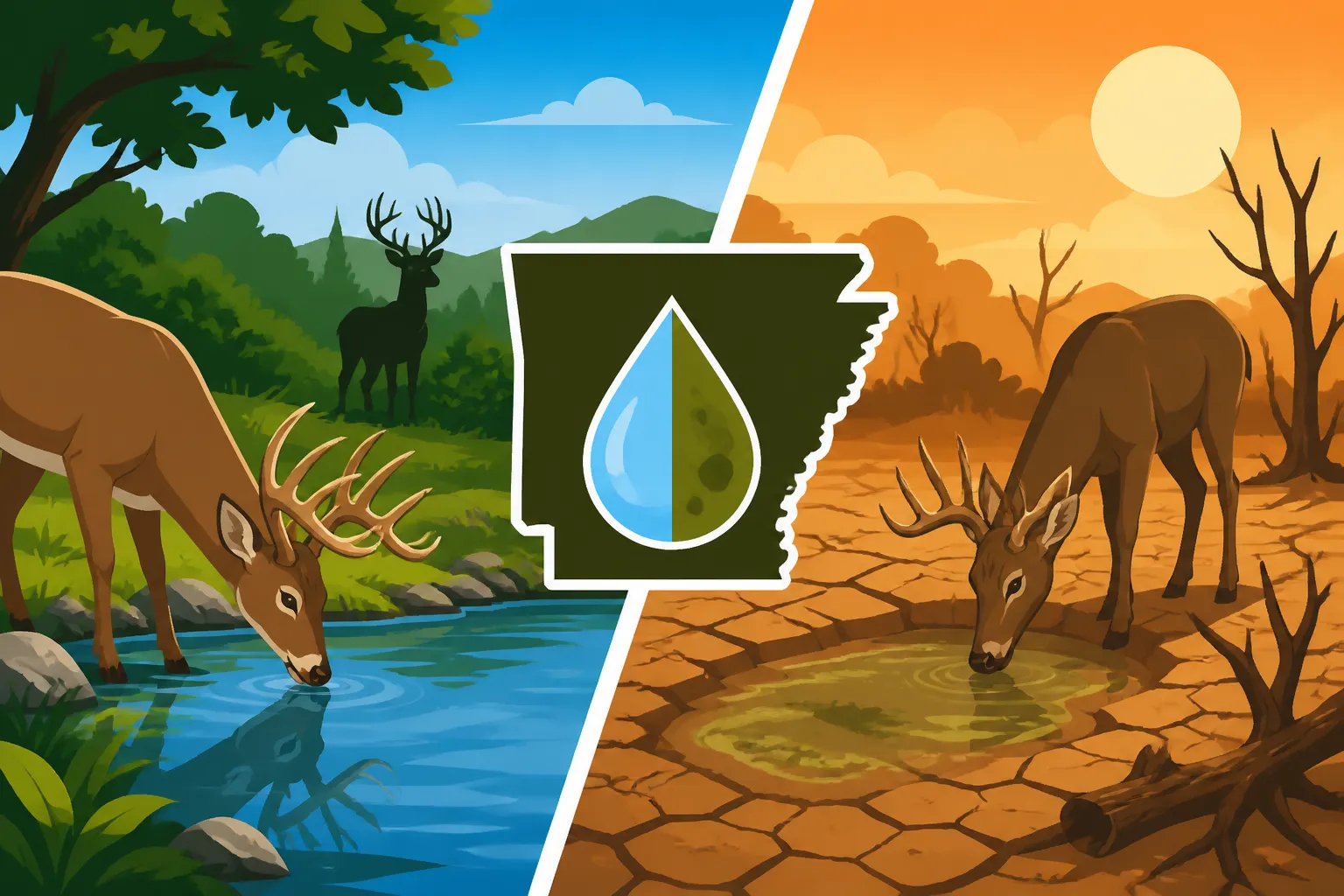
For duck hunters, water is everything. Mallards, pintails, gadwall, and other species follow the water, seeking out flooded timber, agricultural fields, and moist-soil units where food is abundant and roosting areas are safe. If the water isn't there, neither are the ducks. Conversely, if there's too much water, ducks can spread out into areas inaccessible to hunters or where food sources are too deep. It’s a delicate balance. Deer, especially in the Delta, also rely on water. High water can push them onto higher ground, concentrating them, or it can flood out travel corridors and bedding areas, making access for hunters extremely difficult. Understanding these dynamics is the first step to mitigating the impact of unexpected water conditions.
Imagine a crisp December morning, perfect for a timber hunt, but when you arrive, the renowned green timber is just damp earth. Or, picture wanting to access a remote public land slough for deer, only to find the access roads are underwater from a recent rise in the river. These are not hypothetical scenarios; they are regular occurrences in Arkansas, shaping not only where the game is but also how hunters can pursue it. Reading Water Levels on the White River offers insights into how river stages can impact hunting.
Factors Influencing Water Levels
Arkansas's water levels are a complex dance between natural rainfall, major river systems like the Arkansas and Mississippi, and human intervention. Heavy rains upstream, sometimes hundreds of miles away, can cause significant rises in local rivers days later, inundating low-lying areas. Conversely, a lack of rain during key periods can leave traditional hunting grounds bone dry. Agricultural practices also play a huge role, especially in the Delta, where fields are flooded for rice and soybean production or intentionally for waterfowl hunting.
Then there are the Wildlife Management Areas (WMAs) and National Wildlife Refuges, many of which use levees and water control structures to manage water for wildlife. These areas often have specific plans for flooding timber or fields, but even these carefully managed systems are at the mercy of Mother Nature and can be impacted by pumping capabilities or regional drought/flood conditions. It’s not uncommon for these areas to hold water one day and have it drop drastically due to breaks, evaporation, or management decisions. You can often find information about these controlled areas by checking resources like the AGFC map tool, which might offer some clues on current conditions.
Navigating "Wrong Water": High, Low, and Fluctuating Scenarios
Encountering "wrong water" is almost inevitable if you hunt Arkansas long enough. The key is to understand what each scenario means for your hunt and how to react. It’s like a puzzle where the pieces keep shifting.
Too High: The Flooded Landscape
When the water is too high, it can feel like the entire landscape has been submerged. For duck hunters in green timber, excessive flooding can be both a blessing and a curse. While it might open up new areas for ducks to feed and roost, it also spreads them out significantly. Instead of being concentrated in traditional timber holes, they might be scattered across thousands of acres of flooded forest, making them harder to find and decoy. Access becomes a major issue; roads can be submerged, making boat or ATV access essential, or even impossible in some areas. Wading into flooded timber can become treacherous, if not downright unsafe, with depths exceeding chest waders.
For deer hunters, high water in river bottoms and low-lying public lands can force deer onto higher ground. This might concentrate them in certain areas, but it also makes traditional access points unusable. If your stand is set up in a typical creek bottom travel corridor, that corridor might now be a river. Scouting for Where Delta Bucks Bed in Standing Water becomes less about finding specific dry spots and more about identifying narrow strips of elevated ground or island-like features they're using to escape the flood. On public ground, high water often leads to closures. It's crucial to check the AGFC website or WMA-specific social media pages for alerts like Flooding and WMA Access in the Delta.
Too Low: The Dry Spell
A lack of water can be just as, if not more, frustrating. For duck hunters, if the green timber isn't flooded, or the rice fields haven't been pumped, the ducks simply won't be there. They'll move to natural water sources, reservoirs, or other areas that managed to hold water. This scenario can completely derail a planned timber hunt, forcing hunters to scramble for alternatives. Access might not be an issue, but the game itself is absent. This is where hunters need to shift their focus dramatically, perhaps looking for opportunities on larger rivers, lakes, or permanent water bodies that aren't as reliant on seasonal flooding. Hunting Arkansas Reservoir Ducks might become a viable backup plan.
Deer hunters might find low water less impactful than high water, as it typically doesn't restrict access as much. However, prolonged drought conditions can impact food sources, particularly soft mast like acorns, forcing deer to travel further for sustenance. Water sources like small ponds or creek beds become vital focal points. A bone-dry season might make deer patterns more predictable around the few remaining water sources. Low water can also reveal hidden trails and features that are usually submerged, offering new scouting insights for future seasons.
The Fluctuating Dance: When Water Levels Change Constantly
Perhaps the most challenging scenario is constantly fluctuating water. A sudden heavy rain can bring water up overnight, only for it to recede rapidly in the following days. This creates a moving target for hunters. One day your access road is dry, the next it's underwater, and then it's barely muddy. Ducks might move in with a rise, only to leave as it drops. This requires incredible adaptability and constant monitoring of conditions.
For guided hunts, fluctuating water puts immense pressure on outfitters to move blinds or find new holes. For DIY hunters, it means constantly checking water gauges, studying weather patterns, and being prepared to change plans on a dime. You might have to abandon a perfectly scouted spot if the water suddenly changes, and instead focus on alternative areas. This is where having multiple backup plans and scouting diverse terrain becomes invaluable.
| Water Condition | Impact on Duck Hunting | Impact on Deer Hunting (Delta/Bottomland) | Hunter's Response |
|---|---|---|---|
| Too High | Ducks spread out, difficult access, dangerous wading. | Deer pushed to high ground, concentrated; access restricted. | Seek higher ground/refuges for ducks, hunt concentrated deer. |
| Too Low | No water, no ducks in timber/fields; ducks move to permanent water. | Limited impact on access; deer patterns shift to remaining water sources. | Focus on permanent water, reservoirs; hunt food/water funnels for deer. |
| Fluctuating | Ducks move constantly, unpredictable patterns, changing access. | Deer patterns unstable, access variable. | Constant monitoring, multiple backup plans, high adaptability. |
Your Game Plan When Water Goes Awry: Adaptability is Key
When the water isn't cooperating, throwing your hands up in frustration is understandable, but it won't fill your freezer or your limit. The successful Arkansas hunter is the one who can pivot and adapt.
For the DIY Public Land Hunter
If you're hunting public land, your research needs to extend beyond just finding a good spot. You need to understand the area's hydrology. Use online mapping tools, like those you might explore through resources like GoHunt (even if focused on other states, the principle of detailed digital scouting applies), to identify alternative areas. Look for spots that might hold water when others are dry, or areas of higher ground that become islands during floods. Scouting Arkansas Public Land Before Season is crucial here. Have a Plan B, C, and even D.
- Diverse Scouting: Don't just scout one type of habitat. If you usually hunt green timber, also scout some nearby reservoirs, flooded fields, or even creek systems that aren't as dependent on regional rainfall. For deer, identify higher ridges or areas bordering agricultural fields that deer might retreat to during floods.
- WMA Research: Understand specific WMA water management plans if available. Some WMAs intentionally flood later in the season or drain earlier. Know the rules for specific Arkansas WMA Waterfowl Permit Rules and draw hunts, as conditions can change rapidly there.
- Gear Up: Be prepared for varying conditions. This might mean having chest waders for higher water, but also lightweight gear for walking dry ground to reach a slough that isn't holding much water. A shallow-draft boat or even a kayak can be a lifesaver for accessing otherwise cut-off areas.
- Flexibility with Game: If duck hunting becomes impossible due to low water, consider shifting to small game like squirrels or rabbits, which are less impacted by major water level changes. Deer hunting remains a viable option across many parts of the state regardless of water in specific lowlands. Small Game and Squirrel Hunting in Arkansas can be a great backup plan.
For Those Booking a Guided Hunt
Booking a guided hunt, particularly for ducks, is a significant investment, and the expectation is usually for ideal conditions. However, even the best outfitters can't control the weather. This is where clear communication before booking and a thorough understanding of the outfitter's policies are paramount.
- Ask the Right Questions Upfront: When you're making that initial call or browsing on sites like BookYourHunt, don't just ask about success rates. Ask about their contingency plans for wrong water. What happens if their primary timber holes are dry? Do they have access to flooded fields? Do they hunt reservoirs? What if their timber is too deep to wade? A reputable outfitter will have diversified options and be transparent about them.
- Understand Cancellation and Rescheduling Policies: This is vital. What are the terms if the hunt is impossible due to water? Can you reschedule? Is there a refund policy? Many outfitters have strict non-refundable deposit policies, but some may offer partial refunds or credits for future hunts if conditions are truly unhuntable. Make sure these terms are clear in your contract. Discussing Outfitter Contracts and Deposits in Arkansas can prevent heartache later.
- Trust Your Guide's Expertise: If you arrive and the guide tells you the timber is unhuntable, trust them. They are on the ground daily and know where the birds are, or aren't. They'll likely suggest alternative spots, which might not be the iconic timber hole you dreamed of, but could still offer a fantastic hunt. Be open to hunting a field, a flooded brake, or even a reservoir if that's where the ducks are.
- Manage Expectations: While outfitters strive for success, hunting wild animals in wild conditions always carries an element of unpredictability. Go into the hunt understanding that water can be an issue and that adaptability from your end will also contribute to a better experience.
Communicating and Contingencies: Working with Outfitters and Planning Ahead
Preparation extends beyond just packing your gear; it means preparing for the unexpected, especially with something as fundamental as water in Arkansas.
Proactive Communication with Your Outfitter
Before your trip, a good outfitter will often be proactive in communicating conditions, especially if they anticipate problems. However, it's also your responsibility to reach out. Don't wait until the day before to ask about water levels. A week or two out, send an email or make a call. Ask specific questions: "Are the timber holes we're planning to hunt holding water?" or "What's the water level looking like in the fields?" This open dialogue helps set realistic expectations for both parties.
If you booked through a platform like BookYourHunt, you might also have their support in mediating any significant issues, although direct communication with the outfitter remains key. Reputable booking services usually partner with outfitters who have a track record of good communication and fair policies.
Building Contingency Plans
For both guided and DIY hunts, having contingency plans is crucial.
- Alternative Dates/Locations: If your duck hunt is severely impacted by water, do you have the flexibility to reschedule for later in the season, or perhaps consider a different type of hunt? Maybe shifting focus to Arkansas Modern Gun Deer Hunting in another part of the state becomes an option if waterfowl is a bust.
- Non-Hunting Activities: Sometimes, despite the best planning, hunting conditions are just truly bad. Have some backup non-hunting activities in mind. Arkansas offers fantastic fishing, scenic drives, and quaint small towns to explore. If you're in the Delta, you might visit the World's Championship Duck Calling Contest museum in Stuttgart, even outside of the event dates.
- Financial Planning: Consider travel insurance that covers "acts of God" or weather-related interruptions, especially if you're traveling a long distance. This is rare for hunting trips, but for significant investments, it's worth exploring. Understand that most outfitters won't refund due to bad weather or water, as they still have overhead costs.
Ultimately, hunting in Arkansas is an incredible experience, but it’s a dance with Mother Nature. Water, in all its forms and levels, dictates much of the rhythm. By being informed, adaptable, and proactive in your planning and communication, you can navigate the challenges of "wrong water" and still find success and enjoyment in the Natural State's outdoors.
Disclaimer
This article is for general informational purposes only and does not constitute professional advice. Laws, prices and regulations vary by location and change over time. Consult a qualified professional for guidance on your specific situation.