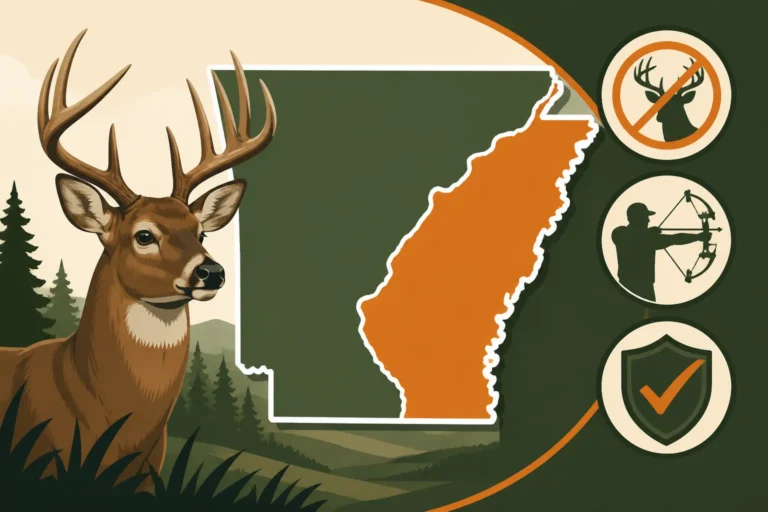
Arkansas WMA Waterfowl Permit Rules
Trying to figure out which WMA requires a special permit for waterfowl hunting, or how to even apply for one, can feel like navigating a maze blindfolded. Many hunters get frustrated, missing out on prime opportunities simply because the rules seem to change or aren't clearly laid out. This comprehensive guide is here to untangle the complexities of Arkansas WMA waterfowl permit rules, ensuring you know exactly what you need, how to get it, and what to expect when chasing ducks and geese on some of the state's best public lands.
The Basics of WMA Waterfowl Permits: Why You Need Them and Where
Arkansas is legendary for its duck hunting, and much of that reputation comes from its incredible Wildlife Management Areas (WMAs). But unlike simply showing up with your license on private land, many of these highly sought-after public areas come with specific permit requirements, especially for waterfowl. It's not just about managing hunter numbers; it's about protecting the fragile ecosystems, ensuring a quality experience for everyone, and giving the birds the space they need, too.
Why Specific WMAs Require Waterfowl Permits
The Arkansas Game and Fish Commission (AGFC) manages an impressive network of WMAs across the state, and some of the crown jewels, particularly in the Delta, are specifically designed and managed for waterfowl. These areas, like Bayou Meto WMA or Dave Donaldson Black River WMA, concentrate massive numbers of migrating ducks and geese. Imagine the chaos if there were no limits on how many hunters could show up! Requiring specific permits, often through a draw system, allows the AGFC to control hunting pressure, spread hunters out, and maintain the integrity of the habitat. It also helps provide a safer and generally more enjoyable hunt by reducing overcrowding. If you've ever hunted a packed public timber hole, you know the frustration that unchecked pressure can bring.
For instance, prime flooded timber areas, which are iconic for Arkansas duck hunting, are incredibly sensitive to overuse. Too many hunters, too often, can stress the birds, push them out, and even damage the timber itself. By implementing a permit system, the AGFC can ensure these resources are sustainably utilized, offering hunters a chance at a world-class experience without destroying the very thing that makes it so special. This is why you'll find stricter regulations and permit requirements in places famous for Hunting Arkansas Flooded Green Timber.
General WMA Permit Versus Specific Waterfowl Permit
It's easy to get confused between a general WMA permit and a specific waterfowl permit, as they're both tied to public land access. Almost every hunter who plans to step foot on any WMA in Arkansas, regardless of what they're hunting, needs a general WMA permit. This permit is often included or purchased as an add-on with your annual hunting license, like the Resident Sportsman's License or the Nonresident Annual All Game Hunting License. Think of it as your basic entry pass to the entire WMA system.
However, a select number of highly popular WMAs, known for their exceptional duck and goose hunting, require an additional specific waterfowl permit. These are often awarded through a lottery or draw system due to high demand and limited capacity. For example, if you're dreaming of a hunt on Bayou Meto WMA, that general WMA permit isn't enough. You'll need to apply for and successfully draw a specific Bayou Meto waterfowl permit, which grants you access to certain areas on specific dates. It's crucial to understand this distinction. You might have your general WMA permit, thinking you're all set, only to arrive at a prime duck WMA and find out you needed to apply for a separate, highly competitive draw permit months in advance. Always check the specific WMA regulations on the AGFC website or their excellent interactive map tool, which some, including the folks at GoHunt, find invaluable for planning.
Understanding the Application and Draw Process
Once you know a specific WMA requires a separate waterfowl permit, the next step is navigating the application and draw process. This can be a high-stakes game, especially for popular dates and locations. Being prepared, understanding the timelines, and knowing what to expect are absolutely critical to success.
The Online Application Portal and Key Dates
The AGFC manages almost all special permit applications through its online licensing and permit portal. This is where you’ll go to apply for everything from elk permits to those coveted WMA waterfowl draws. The absolute first rule of thumb is: know your dates! Application periods are usually quite narrow and specific, often several months before the actual hunting season. Missing an application window means missing your shot at that permit entirely for the year. It's a common frustration, especially for busy hunters who might not be checking the AGFC website daily.
For most WMA waterfowl draws, applications typically open in late summer, often August or September, for the upcoming duck season. Draws for youth hunts might have different, earlier dates. To apply, you'll need an active AGFC customer account and your hunting license (which includes the general WMA permit) already purchased. The online system is generally user-friendly, allowing you to select your preferred WMAs, dates, and even hunting party members. Be meticulous when entering information, as errors can disqualify your application. Once submitted, you'll usually receive an email confirmation. Keep it! This entire process is covered in more detail in guides like Applying for an Arkansas WMA Duck Draw, which can be incredibly helpful for first-timers or those looking for a refresher.
Navigating the Draw: Points, Preferences, and Luck
So, you've applied. Now what? The draw process itself varies, but for many popular waterfowl WMAs, it’s often a random lottery. Unlike some states or permits where you might accumulate "preference points" over years of unsuccessful applications to increase your odds, many Arkansas WMA waterfowl draws are straight luck of the draw each year. Everyone starts fresh, which can be both good and bad – good if you’re new, bad if you’ve been applying for years.
When entering the draw, you'll typically be able to select your desired WMA and a range of dates or specific hunt periods. Some WMAs might allow you to list multiple preferences or even apply with a hunting party. If you apply as a party, everyone in your group must be eligible and list the same WMA and dates. If one person draws, the entire party gets the permit. This can be a smart strategy for groups who want to ensure they hunt together. Winning the draw means you’ll be notified via email, and the permit will usually appear on your AGFC digital license/permit history. It’s always a good idea to double-check this, perhaps even printing a copy, just in case. Knowing Which Arkansas WMAs Need a Waterfowl Permit before you apply is also key to focusing your efforts effectively.
On-Site Draw Hunts and Other Permit Considerations
Not all WMA waterfowl access is determined months in advance through an online draw. Some areas offer "on-site" or "morning-of" draws, which present a different set of challenges and opportunities. Beyond the draw, several other regulations often accompany these permits that you absolutely need to understand.
The On-Site Morning Draw: A Different Approach
For some WMAs, or specific sections within them, the AGFC utilizes an on-site, daily draw system. This is often implemented in areas where water levels fluctuate, or to provide more equitable daily access. Instead of applying months ahead, you show up at a designated check station or draw location on the morning of the hunt, typically well before legal shooting light. At a set time, usually an hour or two before sunrise, a drawing is held to allocate hunting spots or blinds for that day.
This system can be exhilarating but also incredibly frustrating. You could wake up at 2 AM, drive hours, only to be unsuccessful in the draw and have to pack up and go home. However, it also offers flexibility for those who can't commit to applying months in advance or want to hunt on a whim when conditions are perfect. The experience of a Morning Draw Etiquette on a WMA is unique: you'll sign in, get a numbered chip or card, and hope your number is called. If it is, you'll pick your blind or zone for the day. Be prepared for crowds, early mornings, and the possibility of disappointment, but also the chance for an incredible hunt. Many hunters use tools like GoHunt to scout these areas virtually beforehand, identifying potential spots should they draw a favorable position.
Special Regulations and Permit Restrictions
Drawing a WMA waterfowl permit isn't a blank check to hunt however you please. These permits almost always come with a specific set of additional regulations designed to manage the hunt effectively and safely. You absolutely must read and understand these rules for the specific WMA you've drawn, as they can vary significantly.
Common restrictions include:
- Designated Blinds or Areas: You might be assigned to a specific blind, hunting pad, or clearly marked hunting zone. Deviating from this area can lead to citations.
- Party Size Limits: Permits often specify the maximum number of hunters allowed in a party or blind.
- Shooting Hours: While general shooting hours apply statewide, some WMAs might have slight variations or specific opening and closing times for permit holders.
- Vehicle and Boat Restrictions: Certain WMAs or zones within them might restrict vehicle access to designated roads or prohibit ATVs/UTVs. Boat restrictions, including motor size or type, are also common, especially in sensitive flooded timber areas.
- Decoy Limits: There might be limits on the number of decoys you can deploy.
- Nontoxic Shot: This is standard for waterfowl hunting across Arkansas, but it's especially critical on WMAs. Ensure all your shotgun shells are nontoxic. For more details, check out Nontoxic Shot Rules in Arkansas.
Always carry a copy of your permit and be familiar with the rules. AGFC enforcement officers frequently patrol WMAs, and ignorance of the rules is never an excuse. Staying informed by regularly checking the AGFC website for the specific WMA is your best defense against inadvertently breaking a rule.
Common Pitfalls and How to Avoid Them
Even with a permit in hand, hunting Arkansas WMAs, especially for waterfowl, can be challenging. Conditions change rapidly, and knowing what to look out for can make or break your hunt. Avoiding common mistakes is crucial for a successful and enjoyable experience.
Checking Water Levels and Closures
Arkansas waterfowl hunting, particularly in the Delta's flooded timber and fields, is inextricably linked to water levels. A WMA that's a duck magnet one week can be bone dry or completely unfishable (too much water!) the next. Many WMAs, especially those with green tree reservoirs (GTRs) or moist-soil units, rely on actively managed water levels. These levels can be impacted by rainfall, river stages, and AGFC management decisions.
A major pitfall is heading to a WMA with a permit only to find the water is too low, too high, or the area is completely closed. The AGFC regularly updates water levels and any WMA closures due to flooding or maintenance on their website. They often have specific phone numbers or online gauges you can check, especially for large WMAs like Bayou Meto. For example, knowing Reading Water Levels on the White River can be vital for hunts along its flood plain. Never assume. Always check current conditions before you drive, even if you have a permit. A mapping tool like GoHunt can also display satellite imagery, which, while not real-time, can help you visualize the typical water flow and features of the WMA.
Essential Tools for WMA Navigation and Rules
Navigating sprawling WMAs, especially those with changing water levels or complex boundaries, requires more than just a paper map (though those are great too!). Hunters who come prepared with the right tools significantly increase their chances of success and compliance.
Here are some essential tools and tips:
- AGFC Map App: The Arkansas Game and Fish Commission offers a fantastic interactive map app. This app is often free and provides detailed WMA boundaries, access points, designated hunting areas, and even real-time regulations or closures for many areas. Download it and learn how to use it before you go.
- GPS Mapping Software (e.g., GoHunt, onX Hunt): Premium mapping apps like GoHunt or onX Hunt are invaluable. They offer detailed satellite imagery, public/private land boundaries, and the ability to mark waypoints for your blind, entry route, or potential bird activity. They can even work offline, which is critical in remote WMA areas with no cell service. Many hunters swear by these for everything from Scouting Arkansas Public Land Before Season to finding their way back to the truck in the dark.
- Waders and a Reliable Boat/Motor: Depending on the WMA and water levels, waders are almost always a necessity for waterfowl hunting in Arkansas. If you're using a boat, make sure it complies with WMA rules (e.g., motor size limits) and is in good working order. A push pole or paddle is also essential for navigating shallow, timbered areas.
- AGFC Regulation Guidebook: Always have the current year's hunting regulations handy. While the app is great, a physical copy can be a lifesaver if your battery dies or you need to reference a specific rule quickly.
By understanding the permit requirements, diligently applying, staying informed about conditions, and utilizing the right tools, you can greatly increase your odds of a successful and memorable waterfowl hunt on Arkansas's world-class WMAs. Don't let the rules deter you; let them guide you to an unforgettable experience.
| WMA Waterfowl Permit Type | Application Method | Typical Application Window | Key Considerations |
|---|---|---|---|
| Online Draw Permits | Online via AGFC website | Late Summer (Aug-Sept) | Highly competitive, apply with party, check specific WMA rules. |
| On-Site Daily Draws | In-person at check station | Morning of hunt, before shooting light | First-come, first-served or random draw, variable success, check WMA schedule. |
| General WMA Permit | Purchased with hunting license | Annual (July 1 – June 30) | Required for all WMAs, often bundled; does not guarantee waterfowl access to specific draw areas. |
| Youth-Specific Draws | Online via AGFC website | Earlier in Summer (July-Aug) | Dedicated opportunities for youth hunters, often less competitive. |
Disclaimer
Please remember that hunting regulations, permit requirements, and WMA rules can change. Always consult the most current Arkansas Game and Fish Commission (AGFC) regulations directly from their official website or printed guidebooks before planning any hunt. This article is intended for informational purposes only and does not supersede official AGFC regulations.