Bringing Your Own Dog to an Arkansas Lodge
For many of us, our hunting dog isn't just a tool in the field; they're family, a loyal companion whose presence enhances every outdoor adventure. The thought of leaving them behind for a much-anticipated trip to an Arkansas hunting lodge can be a real heartbreaker. However, bringing your own canine partner comes with a unique set of challenges, from understanding lodge policies to ensuring your dog's safety and well-being in an unfamiliar environment. This comprehensive guide will help you navigate the nuances of bringing your beloved dog to an Arkansas hunting lodge, ensuring a smooth and enjoyable experience for everyone involved.
The Unique Bond of Hunting with Your Own Dog in Arkansas
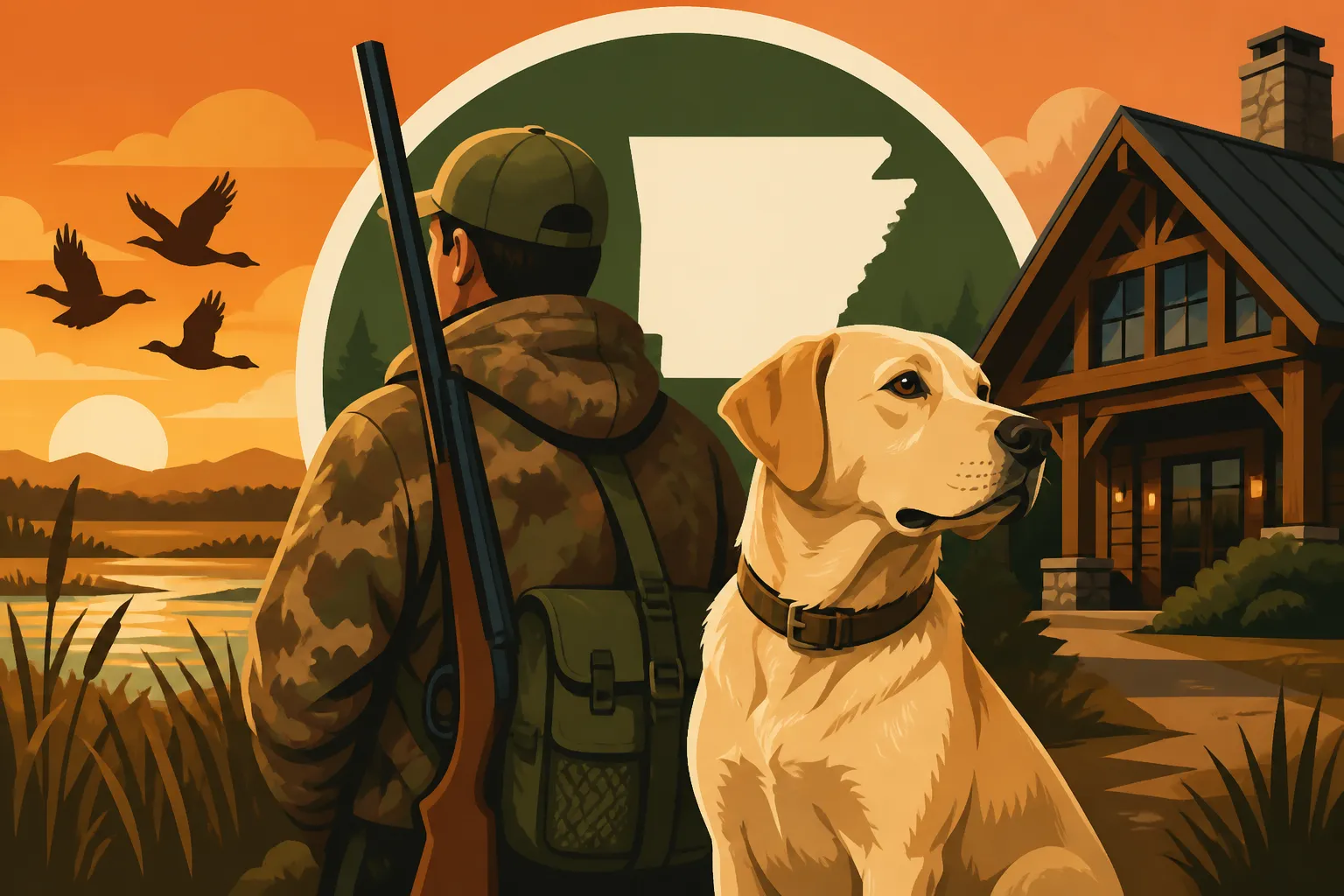
There’s something truly special about watching your own dog work the field or the flooded timber. The culmination of countless training hours, the unspoken understanding between you, and the sheer joy they exhibit when doing what they were bred for is a reward in itself. For many hunters heading to the Natural State, especially for duck or bird hunting, the idea of leaving their seasoned retriever or pointer at home simply isn't an option.
The Personal Satisfaction and Performance Edge
Bringing your own dog means you know their quirks, their strengths, and their limitations better than anyone else. You've trained them, you've developed a rapport, and that familiarity often translates into seamless communication and peak performance in the field. When that perfect mallard falls into the timber, and your dog instantly knows what to do, it's a feeling that's hard to replicate with a borrowed or lodge dog. You understand their tell-tale signs, their specific barks, and how they react to different scenarios, which can be invaluable when conditions get tough. This personal connection makes the hunt more rewarding, turning a successful retrieve into a shared triumph.
Moreover, if you're traveling a significant distance, your dog is likely accustomed to your routine and commands, which can reduce stress for both of you. They'll be more focused on the hunt rather than adjusting to a new handler or environment. This can be particularly true in high-pressure situations, like working a complex retrieve in dense cover or navigating strong currents in a slough. Your dog's comfort with you can lead to quicker, more efficient retrieves, helping you make the most of your Arkansas Duck Daily Bag Limit.
The Practical Challenges and Considerations
While the desire to hunt with your own dog is strong, it's crucial to be realistic about the practical challenges. Lodges vary widely in their policies, facilities, and expectations regarding guest dogs. You might encounter restrictions on where your dog can stay, rules about interaction with other dogs, or limitations on their role during guided hunts. It’s not just about getting your dog into the truck; it’s about ensuring they are prepared for the physical demands, the social dynamics, and the specific environment of an Arkansas hunt.
Consider the potential for stress on your dog. A long car ride, new smells, strange people, other dogs, and a demanding hunting schedule can all take a toll. You’ll also be responsible for their behavior and well-being, which adds another layer of responsibility to your trip. Is your dog truly well-socialized enough for a kennel full of other hunting dogs? Are they obedient enough to remain calm and quiet in a blind, even when the action heats up? These are questions you need to honestly answer before packing their gear.
Pre-Trip Checklist: Ensuring Your Canine is Ready for Arkansas
Before you even think about booking, a thorough preparation phase is essential for your dog. This isn't just about packing their food; it's about their health, training, and your understanding of what the trip entails.
Health and Vaccination Requirements
Arkansas, like any state, has specific health requirements for animals entering its borders, and hunting lodges will almost certainly have their own strict rules to protect all animals on their property. First and foremost, ensure your dog's vaccinations are up to date, especially rabies. Many lodges will require proof of current vaccinations, not just for rabies, but also for distemper, parvovirus, and kennel cough. It's a good idea to discuss your trip with your veterinarian well in advance. They can provide a health certificate if required, suggest preventative medications for heartworm, fleas, and ticks (which are prevalent in Arkansas), and offer advice on managing travel stress.
Imagine arriving at a lodge after a long drive, only to be turned away because you forgot a crucial vaccine record. It's a nightmare scenario that can be easily avoided with a little planning. Ensure your dog is in excellent physical condition, too. Hunting, particularly duck hunting in the flooded timber or retrieving deer, can be physically demanding. They'll be wading through water, navigating dense cover, and enduring potentially cold or wet conditions. A dog that isn't conditioned for this kind of exertion could be at risk of injury or exhaustion. Regularly exercising and conditioning your dog in the weeks leading up to your trip is paramount. Think about those long retrieves in icy water—your dog needs to be able to handle it safely. You can also review general guidelines for Dog Vaccination Requirements for Travel to ensure you haven't missed anything.
Training and Obedience Refresher
This isn't the time to discover your dog has forgotten "sit" or "stay" under pressure. A hunting lodge setting and the actual hunt itself are highly dynamic environments, often with multiple dogs, unfamiliar guides, and high-stakes situations. Your dog needs to be rock-solid on basic obedience commands, whistle commands, and hand signals. Practice retrieves in varied terrain, including water if your dog is a retriever. Ensure they are steady to shot and can remain quiet and still for extended periods in a blind or designated area. A dog that whines, barks excessively, or breaks before being sent can quickly sour a hunt for everyone involved.
Consider how your dog interacts with other dogs. Many lodges will have multiple guest dogs, and possibly their own resident dogs or guide dogs. Your dog needs to be well-socialized and able to coexist peacefully, whether in shared kennel spaces or during transportation to the hunt. Aggression or excessive territorial behavior is a serious liability. If your dog struggles in these areas, an intensive refresher course or even professional training might be necessary before the trip. It’s not just about your enjoyment, but the safety and experience of every hunter and dog at the lodge.
Navigating Lodge Policies: Questions to Ask Before You Book
The single most critical step when considering bringing your own dog is upfront communication with the lodge or outfitter. Assumptions can lead to disappointment and uncomfortable situations. Not all lodges are "dog-friendly" in the same way, and some may have specific restrictions you wouldn't expect.
Confirming Dog-Friendly Status and Specific Rules
Don't just look for a general "pets allowed" notation. Dive deeper. When researching lodges, perhaps through platforms like BookYourHunt, always confirm directly with the lodge owner or manager about their specific policies for guest hunting dogs. Ask about:
- Designated Dog Areas: Where are guest dogs permitted? Is it only outdoor kennels, or are there indoor options? Can they be in your room, or common areas?
- Kennel Facilities: Many lodges offer Kennel Facilities at Arkansas Lodges. What are they like? Are they heated/cooled? Are individual runs provided? Do you need to bring your own crate? How often are they cleaned? What supervision do they receive?
- Costs: Are there extra fees for bringing your dog?
- Food and Water: Do you need to provide all your dog's food and bowls, or do they offer anything?
- Interaction with Lodge Dogs/Other Guest Dogs: How do they manage interactions? Are there designated times or areas for exercise?
- Liability: What are their policies if your dog causes damage or gets into an altercation with another dog?
It’s easy to get excited and book a hunt, only to find out later that their "dog-friendly" policy means your retriever is welcome to sleep in your truck, while you pictured them curled up by the fire. Be explicit with your questions to avoid any surprises. You want to understand their exact expectations for your dog's presence and behavior.
Understanding Your Dog's Role in a Guided Hunt
This is a big one. Many hunters envision their dog making every retrieve, but guided hunts often operate with strict protocols. Professional guides often rely on their own experienced dogs, which are accustomed to their specific commands, hunting areas, and the pace of the hunt. Asking these questions upfront is vital:
- Can my dog hunt in the blind with me? Some lodges allow it, others prefer only guide dogs, especially in small, cramped blinds in the timber.
- Will my dog be allowed to retrieve? If so, when and under what conditions? Will they rotate retrieves with the guide's dog?
- What if my dog interferes with the guide's dog? What's the protocol? Will they be benched?
- Are there specific commands or expectations for my dog from the guide?
This conversation needs to happen before you finalize your booking. If your primary reason for bringing your dog is to have them actively participate in every retrieve, and the lodge policy doesn't permit it, you might be better off finding a different outfitter or adjusting your expectations. Many hunters find that the experience of just having their companion present, even if they're not making every retrieve, is enough. However, clear communication about this aspect is crucial for a successful trip for all parties. For more tips on selecting a suitable outfitter, check out Choosing an Arkansas Hunting Lodge and Checking an Arkansas Outfitter's Reputation.
Making the Hunt Successful: Dog Management in the Field and at the Lodge
So you’ve done your homework, booked with a dog-friendly lodge, and your furry partner is ready to roll. Now, how do you ensure a smooth experience once you’re on the ground in Arkansas? It's all about proactive management and respect for your hosts and fellow hunters.
Day-to-Day Management at the Lodge
Even if the lodge is dog-friendly, it's your responsibility to ensure your dog is a good guest. This means respecting designated areas, cleaning up after them diligently, and managing their behavior. Keep your dog leashed in common areas, especially if other dogs are present or there are non-hunting guests. Be mindful of noise; a barking dog can quickly disrupt the peace and quiet that other hunters are seeking.
If your dog is staying in a shared kennel, observe how they interact with their temporary neighbors. If there's any tension, address it immediately by adjusting kennel assignments if possible or providing more separation. Make sure your dog is getting enough exercise outside of hunting hours. A tired dog is generally a well-behaved dog. Take them for walks, throw a bumper, or engage them in some light play to burn off excess energy and keep them mentally stimulated. Don't forget that accidents can happen; having a travel-sized cleaning kit for unexpected messes is always a smart move. When you're considering What an Arkansas Duck Lodge Provides, remember to ask about their cleaning amenities for dog-related incidents.
On-the-Hunt Safety and Etiquette
Once in the blind or field, follow your guide's instructions explicitly regarding your dog. They know the terrain, the birds, and the flow of the hunt. If the guide has their own dog working, be prepared to keep your dog on a lead, in a blind bag, or in a designated spot, until given the all-clear for a retrieve. It's often best for the guide's dog to make the initial retrieves to prevent confusion or competition. When it is your dog's turn, ensure they respond immediately to your commands and retrieve cleanly without damaging the bird.
Safety is paramount. Ensure your dog is visible, especially if hunting in low light or dense cover. Consider a reflective vest or collar. Be aware of the shooting lanes and keep your dog out of the line of fire. After the hunt, check your dog thoroughly for injuries, burrs, ticks, or thorns. The rugged terrain of Arkansas can be tough on paws and coats. Carry a basic first-aid kit for dogs, including paw balm, antiseptic wipes, and gauze. Even if your dog is experienced, the stress and novelty of a new hunting location can sometimes lead to unexpected behaviors. Staying vigilant will protect your dog and maintain a harmonious hunting environment. Familiarize yourself with how Tipping Guides and Dog Handlers works, and be extra generous if your dog was a handful.
Potential Pitfalls and How to Avoid Them
Bringing your own dog isn't without its potential downsides. Being aware of these common issues can help you prepare and mitigate them.
Behavioral Issues and Interruptions
One of the biggest concerns for lodges and fellow hunters is a disruptive dog. A dog that continually barks in the kennel, whines loudly in the blind, or gets into fights can ruin the experience for everyone. If your dog isn't perfectly steady to shot, or tends to break and chase every bird, you risk endangering them and interfering with the guide's efforts. The best way to avoid this is through honest self-assessment of your dog's training and temperament. If there are doubts, it might be better to leave them home or seek additional professional training before the trip.
Think about how you'll manage your dog's energy. A long car ride followed by several hours cooped up can make even the calmest dog antsy. Plan for adequate exercise before and after hunts. Also, be prepared for distractions. New smells, sounds, and the excitement of the hunt can override even well-established commands in some dogs. Consistent, firm, but fair handling is key.
Health and Safety Risks
Hunting environments present various risks for dogs. Hypothermia from prolonged exposure to cold water, cuts and abrasions from dense brush, encounters with venomous snakes or other wildlife, and exhaustion are all real possibilities. Even minor injuries can become serious if not addressed quickly. Always carry a comprehensive dog first-aid kit. Know the location of the nearest veterinary clinic or emergency animal hospital. Discuss potential hazards with your guide, who will have local knowledge of dangers such as strong currents, ice, or specific plants that could harm your dog.
One common issue, especially in the Delta's flooded timber, is exhaustion in dogs that aren't properly conditioned. They'll be swimming and slogging through mud for extended periods. Make sure your dog has access to fresh water throughout the hunt and keep an eye out for signs of fatigue. If your dog seems overly tired, don't push them. Their safety and long-term health are more important than another retrieve. For information on handling medical situations, refer to Vet Care and Dog Injuries on a Trip.
Financial Costs and Logistics
Beyond the initial hunt cost, bringing your dog adds to your expenses. There might be additional fees from the lodge, increased fuel costs for a larger vehicle, the expense of extra food and gear, and potential vet visits before or after the trip. When researching on a site like BookYourHunt, always verify any extra charges explicitly. Don't forget the time commitment either; packing for your dog, managing their needs on the road, and supervising them at the lodge all take extra effort.
Planning for the travel itself is important. Does your dog travel well? Do they need frequent breaks? Secure them safely in a crate in your vehicle. Make sure you have enough fresh water and their regular food to last the entire trip, as specialty dog food might not be available locally. Consider the climate in Arkansas during your hunting dates; extreme heat or cold will impact your dog's needs and comfort levels. Don't forget their Arkansas Hunting Licenses and What They Cost might also involve specific permits if you're a nonresident.
| Aspect | Bringing Your Own Dog | Using Lodge/Guide Dogs |
|---|---|---|
| Familiarity & Trust | High; deep bond and understanding. | Varies; guide's dog is trained for their specific style. |
| Performance Consistency | You know your dog's capabilities and limitations. | Relies on guide's training and dog's daily performance. |
| Control & Management | Your direct responsibility; requires constant attention. | Guide manages their dog; less personal responsibility. |
| Health & Safety Concerns | You are fully responsible for their well-being. | Lodge/guide typically ensures their dog's health & safety. |
| Travel Logistics | Significant planning for transport, kenneling, food. | None for your dog; simply arrive at the lodge. |
| Cost Implications | Potential extra fees, vet checks, specialized gear. | Typically included in guided hunt price; no extra dog costs. |
| Emotional Satisfaction | Very high; shared success, personal connection. | Still enjoyable, but lacks the personal bond. |
| Social Dynamics | Must ensure dog is well-socialized with other dogs. | Fewer concerns if you don't bring your own. |
Ultimately, bringing your own dog to an Arkansas hunting lodge can be an incredibly rewarding experience, deepening the bond with your canine partner and enriching your time in the field. However, it requires meticulous planning, open communication with your chosen lodge, and an honest assessment of your dog's training and temperament. Do your homework, ask the right questions, and prepare thoroughly, and you and your four-legged hunting companion will create memories that last a lifetime in the wilds of Arkansas.
Disclaimer
This article is for general informational purposes only and does not constitute professional advice. Laws, prices and regulations vary by location and change over time. Consult a qualified professional for guidance on your specific situation.