Getting Venison Home From Arkansas
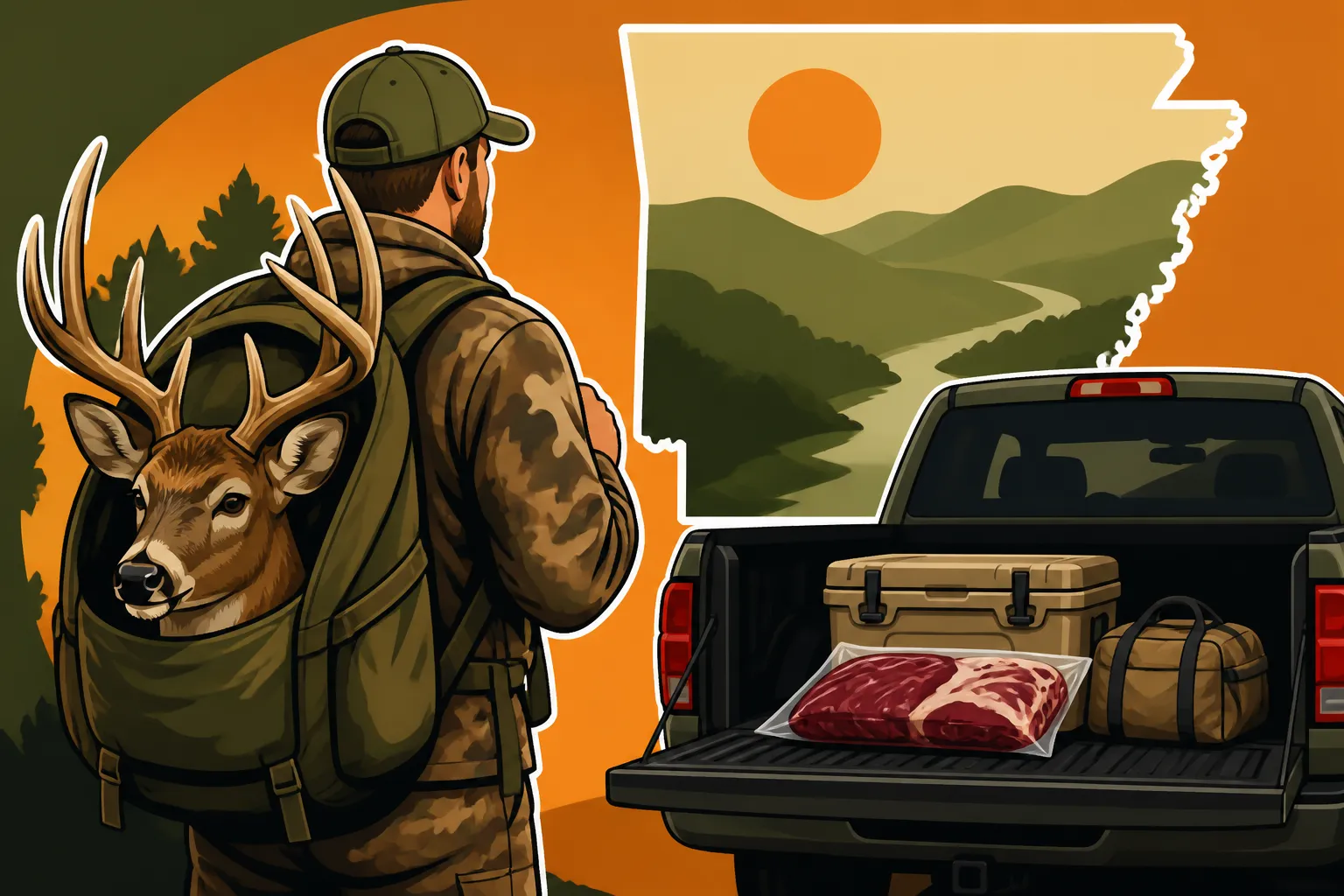
There’s nothing quite like the rush of a successful deer hunt in Arkansas. You’ve put in the time, faced the elements, and now you have a magnificent animal on the ground. But once the excitement settles, a new challenge often arises, especially for hunters traveling from out of state: how do you get all that delicious venison safely and legally back home? This guide will walk you through the practical steps and crucial considerations for transporting your hard-earned Arkansas venison, ensuring it arrives at your freezer in prime condition.
Understanding Arkansas Deer Processing Realities
Getting your deer from the field to your dinner table is a journey in itself, and it starts with proper handling the moment the animal is down. Arkansas weather, especially during the early archery season, can be notoriously warm, which means you've got to be on top of your game when it comes to cooling your venison.
Field Dressing and Initial Cooling in Arkansas Heat
Let's be real, an Arkansas September or even an early October hunt can feel like summer never truly left. That means the clock starts ticking the moment you pull the trigger. Field dressing quickly is paramount. You need to get those internal organs out to start cooling the carcass from the inside. Don't underestimate how fast meat can spoil in the warmth. If you’re hunting in temperatures above 50 degrees Fahrenheit, you need a plan for rapid cooling. This might involve skinning the deer immediately and quartering it to fit into coolers packed with ice, or at the very least, getting the body cavity packed full of ice as soon as possible. I've seen too many good hunts ruined by poor cooling decisions in the heat. Check out Field Dressing a Deer in Warm Weather for more detailed advice on this critical first step.
Local Processors and Their Services
For many, especially those traveling from afar, utilizing a local processor is the easiest and smartest option. Arkansas is dotted with excellent deer processors, particularly in prime hunting regions like the Delta or the Ozarks. These folks are set up to handle large volumes, quickly and efficiently. They can skin, cut, wrap, and often even freeze your venison, saving you a huge amount of work and ensuring proper handling. Many processors offer various services, from basic steaks and roasts to specialty items like sausages, jerky, or hamburger blends. It’s a good idea to research processors in the area you plan to hunt beforehand. A quick search on resources like BookYourHunt or GoHunt might not directly list processors, but they can give you a feel for hunting towns where such services are common. Don’t wait until you have a deer in the truck to start calling around! These places get swamped during peak seasons, especially during Arkansas Modern Gun Deer Hunting.
The Importance of Timeliness
Whether you're processing it yourself or taking it to a professional, time is truly of the essence. Delays can compromise meat quality. If you're dropping off a deer, try to do it the same day you harvest. Processors often have specific drop-off hours, and some might even offer after-hours services, but it's always best to call ahead. If you’re doing the butchering yourself, get that deer broken down and into cold storage as quickly as humanly possible. Even a couple of hours in lukewarm temperatures can start to degrade the meat, making it tough or gamey. It's a sad truth that a successful hunt can turn disappointing if the meat isn't cared for promptly.
Transporting Fresh or Chilled Venison
So, you've got your venison all cut up, maybe even wrapped, and now you need to get it on the road. This part of the journey requires careful planning to maintain that hard-won quality.
Cooler Prep and Ice Management
If you're bringing your venison home in coolers, don't skimp on the preparation. You'll need high-quality coolers that can hold ice for an extended period. Think about insulating them further with old sleeping bags or blankets if you have them. Fill them primarily with block ice, which lasts much longer than cubed ice. Some hunters even freeze water bottles or milk jugs filled with water to serve as reusable ice blocks that won’t make your meat wet as they melt. You'll also want to consider bringing a separate cooler just for your used ice water as it melts, or plan for places to drain and refresh your ice supply along the way. Remember, the goal is to keep that internal temperature of the meat as close to 35-40°F as possible during transit. Don't be afraid to pull over and check your ice if you're on a long haul!
Driving Home with Processed Meat
Packing your vehicle correctly is key to a smooth journey. Make sure your coolers are secure and won't tip over. If you have multiple coolers, consider labeling them: "steaks," "roasts," "burger," etc., especially if you opted for a processor's various cuts. Keep the venison out of direct sunlight inside your vehicle. If you're stopping overnight, consider bringing the coolers into a hotel room if possible, or at least ensuring they are in a shaded, secure location.
It’s crucial to understand the rules regarding transporting game across state lines, particularly concerning Chronic Wasting Disease (CWD). While Arkansas doesn’t have CWD in every county, there are specific CWD management zones. For detailed information, you can always refer to the AGFC website or resources from reputable hunting platforms you might have used to plan your trip. Some hunters find value in planning through services like BookYourHunt for comprehensive trip details, which often includes links to local regulations.
AGFC Rules for Transporting Carcasses
The Arkansas Game and Fish Commission (AGFC) has very specific rules about transporting deer, especially when it comes to whole carcasses or certain parts out of CWD Management Zones. Generally, you cannot transport a whole deer carcass from a CWD zone across state lines. This is a critical point that too many hunters overlook until it’s too late. The parts typically allowed for transport out of state are:
- Deboned meat
- Cleaned skull plate with antlers attached
- Antlers with no meat or tissue attached
- Hides
- Teeth
Essentially, anything that could harbor the CWD prion must be left behind or processed in a way that removes the risk. This is why utilizing a local processor for deboned meat is often the safest bet. Make sure you understand Carcass Transport Rules Out of Arkansas thoroughly before you pack up and leave. Ignoring these rules can lead to significant fines and penalties, and it’s simply not worth the risk of potentially spreading disease.
| Venison Form | Allowed for Out-of-State Transport | Notes |
|---|---|---|
| Whole Carcass | No | Not allowed from CWD zones, generally discouraged from any zone. |
| Deboned Meat | Yes | Must be deboned; highly recommended for all interstate travel. |
| Quartered Meat | Generally No | Bone-in quarters are typically restricted, especially from CWD zones. |
| Cleaned Skull Plate | Yes | Must be free of all brain matter and tissue. |
| Antlers Alone | Yes | Must be completely clean and free of tissue. |
| Hides | Yes | Must be free of any head or spinal column material. |
| Teeth | Yes | Individual teeth are usually fine. |
Freezing and Shipping Your Harvest
For many hunters, especially those with a long drive ahead or who prefer not to deal with coolers full of ice, freezing the venison and shipping it is a superior option. This method provides the most security for your meat quality over distance and time.
Vacuum Sealing for Long-Term Preservation
After your deer is processed, whether by you or a professional, vacuum sealing is the gold standard for freezing. This removes air from the packaging, preventing freezer burn and greatly extending the shelf life of your venison. Properly vacuum-sealed and frozen venison can last a year or more in a deep freezer without significant loss of quality. Most good processors offer vacuum sealing as part of their service. If you're doing it yourself, invest in a quality vacuum sealer and appropriate bags. It makes all the difference when you pull out those steaks months later and they taste as fresh as the day you hunted them. This also ensures your meat is protected during shipping.
Commercial Shipping Options for Frozen Meat
Shipping frozen meat can seem daunting, but it's a very common practice for hunters. Major carriers offer services for perishable goods, often requiring specialized packaging like insulated boxes with dry ice or gel packs. You'll need to research which carriers offer this service and their specific requirements for frozen meat, including weight limits and packaging standards. This is where planning ahead truly pays off. You'll want to coordinate drop-off times with the carrier to minimize the time the package spends outside of refrigeration. Be aware that this option can be more expensive than driving it yourself, but the peace of mind knowing your venison is professionally handled and swiftly transported is often worth the cost. When planning your hunting trip, it can be useful to consult general hunting travel resources, which can sometimes provide tips on logistics like this, even if they're not specific to Arkansas. Platforms like GoHunt, while primarily focused on tag applications, sometimes have community forums or articles with advice on these logistical challenges.
Planning Ahead for Out-of-State Travel
If you’re driving back home, especially across multiple states, always double-check the game transportation laws for each state you'll be driving through. While Arkansas has its regulations, other states might have different rules regarding CWD zones or how meat must be packaged. What’s legal in Arkansas might not be legal when you cross into Missouri or Tennessee. Having all your documentation in order – your hunting license, deer tags, and proof of harvest – is also smart. Should you be stopped, being prepared makes the process much smoother. It's a small step that can save you a lot of headache. Considering the potential complexities, it’s always wise to ensure you're fully informed before embarking on your return journey.
Common Pitfalls and How to Avoid Them
Even with the best intentions, things can go sideways. Understanding potential issues and planning for them can save your harvest and your sanity.
Dealing with Unexpected Delays
Life happens. A flat tire, a forgotten cooler lid, or an unexpected detour can add hours to your trip home. What's your backup plan? Always carry extra ice. If you're relying on a processor, what if they're unexpectedly closed or too busy? Have a couple of alternative processors in mind. If you’re driving a long distance, consider planning an overnight stop at a hotel with a freezer if you can get your meat that cold, or at least a store where you can buy more ice. Thinking through these "what-if" scenarios before you leave home will prepare you for just about anything the road throws at you. Remember, when you're deer hunting, you're not just bringing home meat; you're bringing home memories, and you don't want them spoiled by preventable issues.
Legal Considerations for Interstate Transport
As mentioned earlier, CWD regulations are a big one. But beyond CWD, some states have specific rules about tagging requirements, even for processed meat. While most states are concerned with the transport of whole carcasses from CWD zones, it's always best practice to keep your hunting license and harvest tag information with your venison until it's safely in your freezer. This is especially true if you butchered it yourself and still have parts that might be identifiable as deer. If you're planning a multi-state hunting trip, perhaps coordinating different types of hunts, a comprehensive planning tool might help keep track of various state regulations.
Maximizing Meat Quality on the Journey
Ultimately, the goal is delicious venison. Every step, from the moment of harvest to the moment it's in your freezer, affects that quality. Don't rush the cooling process, even if you're eager to get home. If you're taking it to a processor, communicate clearly how you want your meat cut and packaged. If you’re self-processing, make sure your knives are sharp and your workspace is clean. Use good freezer paper or vacuum seal bags. Treat that venison with the respect it deserves, and it will reward you with fantastic meals. Just like learning to read Wind and Thermals in Ouachita Hollows for a successful hunt, understanding the nuances of meat care ensures a successful post-hunt experience.
Disclaimer
This article is for general informational purposes only and does not constitute professional advice. Laws, prices and regulations vary by location and change over time. Consult a qualified professional for guidance on your specific situation.