Raccoon Hunting at Night in Arkansas
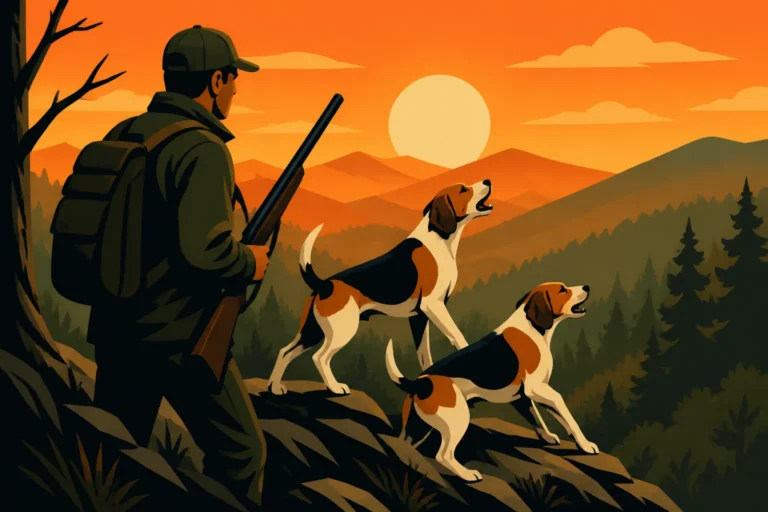
There’s a unique thrill that comes with chasing game under the blanket of a crisp Arkansas night. Raccoon hunting, especially with a good pack of hounds, offers a completely different experience from your typical daylight deer or duck hunt. But if you’re new to it, or just haven't explored the nocturnal side of hunting, you might feel a bit overwhelmed by the specific rules, gear, and tactics required to be successful and, most importantly, safe. This comprehensive guide will walk you through everything you need to know to enjoy successful and legal raccoon hunting at night in the Natural State, helping you understand the nuances of this traditional pursuit.
The Allure of Night Hunting: Why Raccoons?
Raccoon hunting at night in Arkansas isn't just about bagging a critter; it's an immersive experience that connects you deeply with the state's natural rhythms. When the sun dips below the horizon, a whole new world awakens, and with it, a different set of challenges and rewards for the hunter. Raccoons, being primarily nocturnal, are perfectly adapted to this shadowy world, making night hunting the most effective and often the only way to pursue them.
Understanding the Nocturnal World of Raccoons
Raccoons are incredibly adaptable creatures, found in almost every corner of Arkansas, from the flooded timber of the Delta to the rocky slopes of the Ozarks. Their nocturnal nature means they are most active between dusk and dawn, foraging for food, exploring their territories, and generally going about their masked business. During the day, they're typically holed up in dens—tree cavities, hollow logs, rock crevices, or even abandoned buildings—making them much harder to locate and pursue. This shift in activity is precisely why night hunting isn't just a preference, but a necessity for raccoon enthusiasts. The quiet of the night, broken only by the baying of hounds and the rustle of leaves, creates an atmosphere of anticipation that’s truly unparalleled. It’s a primal pursuit, relying heavily on sound, instinct, and the incredible senses of well-trained dogs.
The Rich Tradition of Coondogging in Arkansas
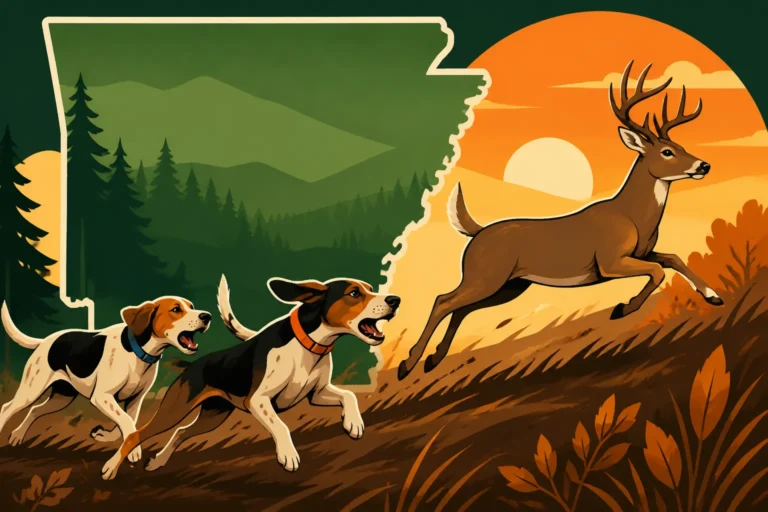
For generations, "coonskin caps" weren't just a fashion statement; they represented a significant part of Arkansas's frontier heritage. Raccoon hunting, or "coondogging" as it's affectionately known, is deeply woven into the fabric of the state’s hunting culture. It’s a tradition passed down through families, often starting around a campfire, listening to the stories of legendary hounds and memorable hunts. It’s about more than just the hunt itself; it’s about the camaraderie, the training of the dogs, and the pride in a good treed coon. This isn't a high-tech pursuit in the same way some other forms of hunting can be; it's about listening to the music of the hounds, interpreting their barks, and understanding the subtle signs they give off as they work a trail. The heritage of this sport is reflected in the numerous coonhound clubs and field trials held across the state, celebrating the skill and dedication of both hunter and hound. When you join an Arkansas coon hunt, you’re not just hunting; you’re stepping into a living piece of history.
Navigating Arkansas's Night Hunting Regulations
Before you even think about hitting the woods after dark, it’s absolutely critical to understand the specific rules and regulations governing night hunting in Arkansas. The Arkansas Game and Fish Commission (AGFC) has clear guidelines to ensure safety, ethical hunting, and sustainable wildlife management. Ignoring these rules can lead to serious legal trouble, so consider this your absolute non-negotiable homework. You'll find a lot of general information regarding hunting laws in our comprehensive guide on Arkansas Hunting Licenses and What They Cost, but night hunting has its own unique caveats.
Understanding Night Hunting Permits and Seasons
First and foremost, you need a valid Arkansas hunting license. Beyond that, for night hunting furbearers like raccoons, there's often a specific season, and in some cases, additional permits might be required. The AGFC defines furbearers, which include raccoons, and sets the hunting and trapping seasons for them. Raccoon hunting seasons are typically quite long, often extending through fall and winter, which is ideal as raccoons are less active during the coldest parts of the winter, making their pelts prime.
One of the most crucial aspects to grasp is the specific rule set for "Night Hunting Rules for Arkansas Predators" which explicitly covers raccoons. This regulation specifies legal hunting hours—usually from 30 minutes after sunset until 30 minutes before sunrise. It also often dictates that you can only hunt raccoons with the aid of a light when they are treed or bayed by dogs. You cannot just cruise around spotlighting fields for raccoons to shoot on the ground. This distinction is paramount for legal night hunting. Always check the current AGFC Furbearer Regulations booklet or their website before each season, as rules can occasionally change. For instance, sometimes there are specific limitations on weapons that can be used or restrictions in certain zones, particularly within Chronic Wasting Disease (CWD) management areas, though these more frequently apply to deer.
Weapon Restrictions and Light Usage
When it comes to weapons, raccoons are typically hunted with small caliber firearms like a .22 rimfire rifle or shotgun. The use of certain centerfire rifles is often restricted or prohibited for night hunting furbearers, again, to prevent accidental take of other game species like deer, which are protected. Always verify the legal firearms for your chosen hunting method and location.
The use of lights is perhaps the most distinctive aspect of night hunting. While you can use a light to locate game animals when hunting furbearers like raccoons at night, the animal must be treed or bayed by dogs before you can shine a light directly on it for the purpose of shooting. This isn't a free-for-all spotlighting exercise. This rule is designed to prevent "jacking" or "headlighting" of animals not legally hunted at night, like deer. The lights used are typically powerful headlamps or handheld spotlights that can cut through the darkness to illuminate a raccoon high in a tree, allowing for a safe and ethical shot. Remember, safety always comes first, and clearly identifying your target and its backdrop is even more critical at night. Understanding these precise rules around light usage is not just a formality; it's a fundamental safety and ethical consideration when you're out in the pitch black.
Essential Gear for Successful Night Hunting
Night hunting raccoons is an equipment-intensive pursuit, demanding specific tools to ensure safety, efficiency, and success. You're operating in low-light or no-light conditions, which means your gear needs to compensate for the lack of natural visibility. Don't skimp on quality here; reliable equipment is your best friend when you’re deep in the woods after midnight.
Illumination: Lights, Lamps, and Batteries
This is arguably the most critical category of gear for night hunting. Without adequate light, you’re literally fumbling in the dark.
- Headlamps: A good headlamp is non-negotiable. It keeps your hands free for walking, carrying your firearm, or handling dogs. Look for headlamps with multiple brightness settings, a red light option (to preserve night vision when not actively looking for a coon), and a long battery life. Brands like Petzl, Black Diamond, or even robust hunting-specific models from Streamlight are popular choices. You'll need it for navigating the woods, tending to your dogs, and for the initial climb if you need to scout a treed coon.
- Handheld Spotlights: Once your dogs have a raccoon treed, a powerful handheld spotlight becomes essential. These lights are much brighter than headlamps and are used to "locate" the raccoon in the canopy. They can cut through dense foliage and illuminate the raccoon's eyes, which reflect the light brilliantly. Rechargeable lithium-ion battery-powered spotlights are ideal due to their brightness and longevity. Keep spare batteries or a portable power bank handy, as running out of light in the middle of a hunt can be a real problem.
- Dog Collar Lights: Many coonhounds are equipped with LED collar lights, often in different colors for each dog, making it easier to track their movements from a distance and keep tabs on them as they work. These are small, durable lights that attach directly to the dog's collar.
Navigation and Communication
Even with lights, knowing where you are and how to get back is vital. The woods look completely different in the dark.
- GPS/Smartphone Apps: A reliable GPS unit or a smartphone with a hunting app like GoHunt is invaluable. These tools allow you to mark your vehicle, dog drops, and track your path through the woods. GoHunt, for example, offers detailed satellite imagery and property line overlays, which are incredibly helpful for ensuring you stay on public land or approved private property. Always download maps for offline use, as cell service can be spotty in many Arkansas hunting areas. A dedicated GPS unit like a Garmin Alpha or Astro is also highly recommended, especially if you’re using tracking collars for your dogs.
- Two-Way Radios: Cell service is unreliable in many remote parts of Arkansas. Two-way radios (walkie-talkies) are excellent for communicating with hunting partners, especially if you split up to cover more ground or approach a treed coon from different angles. Look for models with decent range and durable construction.
- Dog Tracking Collars: For serious coon hunters, GPS tracking collars are a game-changer. Brands like Garmin Alpha or SportDOG offer collars that sync with a handheld unit, showing you exactly where your dogs are in real-time, how fast they’re moving, and whether they’re "treed." This is especially useful in thick cover or when a dog trees a raccoon far from your location. This technology can prevent lost dogs and save you countless hours of searching. You can even check out some excellent advice on Running Deer Dogs in Arkansas, as many of the principles of canine tracking and handling apply across different types of hunting dogs.
| Gear Category | Essential Items | Key Features | Why It's Needed |
|---|---|---|---|
| Illumination | Headlamp | Multiple brightness, red light, long battery life | Hands-free navigation, dog handling, general visibility. |
| Handheld Spotlight | High lumen output, rechargeable, focused beam | Locating treed raccoons, eye shine detection. | |
| Dog Collar Lights | Durable, distinct colors, long-lasting LEDs | Tracking dog movements in the dark, identification. | |
| Navigation | GPS Unit / GoHunt App | Offline maps, waypoint marking, property boundaries, dog tracking (if applicable) | Staying oriented, marking locations, avoiding trespassing, monitoring dog position. |
| Two-Way Radios | Decent range, durable, clear communication | Group communication in areas without cell service. | |
| Safety & Comfort | Blaze Orange/Reflective Vest | Visible from all angles | Essential for safety, even at night when crossing roads or near other hunters. |
| First-Aid Kit (Human & Dog) | Trauma dressings, antiseptic, pain relievers, dog paw balm, snake bite kit | Addressing minor injuries for hunters and hounds. | |
| Insect Repellent | Strong DEET or Picaridin formula | Protecting against mosquitoes, ticks, and chiggers, especially in warmer months. | |
| Durable Clothing & Footwear | Layered, waterproof, snake boots, briar-proof chaps | Protection from elements, thorns, and potential snake encounters. | |
| Firearms | .22LR Rifle or Small Gauge Shotgun | Lightweight, accurate, reliable | Ethical dispatch of treed raccoons. |
| Appropriate Ammunition | Sufficient supply for the hunt | Ensuring you have enough rounds for multiple encounters. |
Tracking and Locating Raccoons in the Dark
The heart of successful night hunting lies in understanding how raccoons move, feed, and behave after dark, and then using that knowledge, combined with the incredible senses of trained hounds, to locate them. This isn't a passive sport; it's an active engagement with the nocturnal environment.
Reading the Terrain for Raccoon Sign
Even though you’re hunting at night, your daytime scouting can dramatically improve your chances. Raccoons are opportunists and their movements are largely dictated by food sources and water.
- Water Sources: Raccoons are almost always found near water – creeks, rivers, ponds, sloughs, and even drainage ditches. These areas provide drinking water, a rich source of aquatic prey (crayfish, frogs), and often dense cover. Pay close attention to the countless oxbows and bayous you'll find across the state, especially in the Delta region.
- Food Sources: Their diet is incredibly varied. Look for areas with abundant mast crops like acorns and pecans, particularly in hardwood bottomlands or along creek beds. Agricultural fields, especially cornfields or those with waste grain after harvest, are also prime raccoon feeding grounds. Berry patches and fruit trees can be hot spots in late summer and early fall.
- Tracks and Scat: Even in daylight, fresh raccoon tracks along muddy banks or sandy trails can tell you about their recent activity. Look for distinctive hand-like prints. Scat (droppings) containing berry seeds or insect parts can also indicate what they've been eating recently.
- Den Trees: Identify large, hollow trees, particularly oaks, sycamores, and cypress, which raccoons use for denning. While you won't hunt them in their dens, knowing where they den can give you an idea of their home range and likely travel corridors. The more sign you can find during the day, the better you can plan your starting points for a night hunt. Consider using mapping tools, like the public land layers on GoHunt, to identify promising areas near water and diverse habitat.
The Art of Listening to Your Hounds
Once the sun sets and your dogs are released, the real magic of coondogging begins. The hunt transforms into an auditory experience, a dialogue between you and your hounds. Each bark, whine, and bay tells a story.
- The "Strike" or "Locate" Bark: This is the initial exciting sound. When a dog picks up a fresh raccoon scent, it will often let out a distinct "strike" or "locate" bark—a long, drawn-out bay that signals it's on a trail. Experienced hunters can often tell the difference between a hot trail and a cold one just by the tone and intensity of the dog’s voice.
- The "Trail" or "Chase" Bark: As the dog follows the scent, its barks become more frequent, often accelerating in pace and intensity. This is the "trail" or "chase" bark, indicating the raccoon is actively being pursued. The direction of the sound will tell you which way the dogs are heading, allowing you to follow, albeit often at a slower pace through the dark woods.
- The "Tree" Bark: This is the sound every coon hunter lives for. When a dog has successfully driven a raccoon up a tree, its barks will change dramatically. They become rapid, often sharp, and consistently focused on the base of the tree. The dog will circle the tree, sometimes jumping up on the trunk, letting out an excited barrage of barks. This distinctive "tree" bark is the signal for you to make your way to the source. A good hound will "stay treed" for extended periods, barking steadily until the hunter arrives. Learning to interpret these canine communications is an invaluable skill, and it's the heart of the experience for any hunter who loves Running Hounds in the Ouachitas or any other part of Arkansas.
Executing the Night Hunt Safely and Ethically
With the rules understood and your gear ready, it's time to put theory into practice. Executing a night hunt involves a blend of patience, skill, and strict adherence to safety protocols. Remember, you're operating in low visibility, often with excited dogs and a firearm, so diligence is key.
Approaching the Treed Coon and Shot Placement
Once you hear that unmistakable "tree" bark, your objective is to safely and quietly make your way to your dogs. This can often involve navigating dense brush, crossing creeks, and climbing over obstacles in the dark.
- Approach Carefully: As you get close, dim your headlamp or use its red light setting to avoid startling the dogs or the raccoon prematurely. Move deliberately, paying attention to your footing.
- Locate the Raccoon: Once at the tree, gather your dogs and ensure they are contained or tied if necessary. Then, using your powerful handheld spotlight, begin scanning the branches, looking for the raccoon's eyes reflecting the light. Raccoons are masters of camouflage, and they can be incredibly difficult to spot, often pressing flat against a limb or hiding in a crotch. Sometimes you'll only see a faint glint of red from their eyes. Patience is crucial here. Use your GoHunt app or GPS to mark the tree location, so you can easily find it again if you need to leave and come back.
- Ensure a Safe Backstop: This is paramount. Before raising your firearm, ensure you have a clear shot and, critically, a safe backstop. At night, it’s much harder to discern what’s beyond your target. Never shoot into the horizon or towards where you suspect houses or roads might be. A steep hillside, a thick embankment, or the trunk of the tree itself (if shooting downward into the base) can serve as a suitable backstop.
- Shot Placement: For an ethical and quick dispatch, aim for the head or the chest area. A .22LR rifle is often preferred for its accuracy and minimal hide damage, making it suitable for furbearer harvest. If using a shotgun, smaller shot sizes (like #4 or #6) are generally effective at close range. Always ensure the raccoon is fully illuminated and you have a steady rest before taking the shot. Never take a hurried or uncertain shot, especially in the dark.
Recovering Your Game and Ensuring Dog Safety
Once the shot is taken, the work isn't over. Recovering your game and ensuring the safety of your hounds are the next vital steps.
- Wait and Observe: After the shot, give the raccoon a moment. It may fall immediately, or it might cling to the tree for a short period before dropping. Keep your spotlight on it and be ready for a second shot if necessary to ensure a humane dispatch.
- Dog Control: Keep your dogs away from the fallen raccoon until you've confirmed it's expired. While well-trained coonhounds are bred for this, a wounded raccoon can be dangerous to dogs, capable of inflicting serious bites and scratches.
- Retrieval: Once the raccoon is down and confirmed deceased, carefully retrieve it. Use gloves to handle the animal, especially if you intend to skin it for its fur. Depending on your plans, you'll either field dress it on the spot or transport it whole. Remember, proper field dressing in Arkansas heat is always important, even in cooler seasons, to preserve the meat and hide. If you are far from your vehicle, consider the weight and bulk of the animal for the hike back.
- Check Your Dogs: After recovery, thoroughly check your dogs for any injuries, especially cuts, thorns, or paw pad damage. Their enthusiasm can sometimes lead them into sharp debris. Provide them with water and a treat for their hard work. Always ensure your dogs are secured before leaving the area, especially if you plan to move to another spot.
Handling Your Raccoon Harvest
After a successful night of coondogging, the work continues to ensure your harvest is respected and put to good use. Whether you're after the fur, the meat, or both, proper handling is key.
Processing for Fur and Meat
Raccoons are furbearers, and their pelts can be quite valuable, especially during the colder months when their fur is thickest and prime. They also offer a lean, flavorful meat when properly prepared.
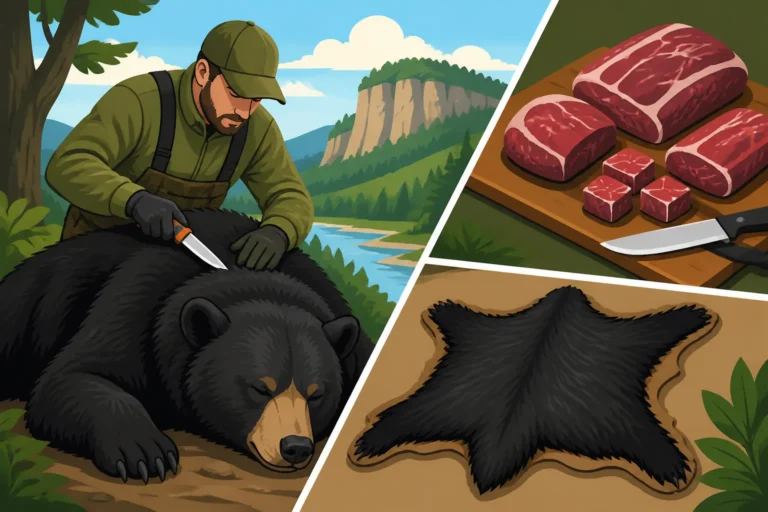
- Field Dressing: If you plan to consume the meat, field dressing should happen as soon as possible after the kill to cool the carcass and prevent spoilage. This involves removing the internal organs. Many hunters simply split the belly, reach in, and pull out the viscera. Be careful to avoid puncturing the intestines. You can then pack the body cavity with ice or snow if available, or simply allow it to cool in the night air before transport. For fur, some hunters opt to skin immediately in the field, while others prefer to transport the whole animal back to a dedicated skinning area.
- Skinning: Skinning a raccoon requires a sharp knife and some patience. Start with cuts down the inside of each leg and around the wrists/ankles, then connect them with a cut up the middle of the belly. The skin can then be carefully pulled and cut away from the muscle, working from the belly up towards the back. For a "case-skinned" pelt (most common for furbearers), you essentially peel the skin off like pulling off a sweater, leaving the fur side in. For detailed instructions, many online tutorials or experienced trappers can provide guidance. The goal is to avoid damaging the fur or leaving too much meat/fat on the hide.
- Meat Preparation: Raccoon meat is often described as dark and rich. Many people compare it to dark pork or even venison. Like any wild game, proper cleaning and cooking are essential. After skinning, trim off any visible fat, as this is where much of the "gamey" flavor resides. Soaking the meat in saltwater, buttermilk, or a mild vinegar solution overnight can also help tenderize it and draw out any strong flavors. Raccoon can be slow-cooked, stewed, smoked, or even roasted. It's a versatile protein that, with a little care, makes for a delicious meal, carrying on a long tradition of sustenance hunting in Arkansas.
Regulations for Transport and Sales
Once processed, you need to be aware of the rules regarding transport and, if applicable, the sale of raccoon fur or meat.
- Transport: The AGFC has specific rules for transporting harvested game. Generally, raccoons must be checked and tagged (if required, though for raccoons this is less common than for deer or bear) before leaving the hunting area. Ensure you have your hunting license and any required permits with you during transport. If you're transporting the animal whole, it must remain visible and identifiable. If you’ve skinned it, the hide and meat should ideally be kept separate and clearly identifiable as raccoon. This helps prove legal harvest if you're ever stopped by game wardens.
- Sales of Fur and Meat: Selling raccoon pelts is a traditional aspect of furbearer hunting, but it is highly regulated. You'll likely need a furbearer trapper/hunter license, and there may be specific tagging or reporting requirements for commercial sale. The market for wild fur fluctuates, so research current prices if you plan to sell. Regarding meat, the commercial sale of wild game meat to restaurants or stores is generally prohibited in Arkansas due to food safety regulations. However, you are typically free to share your harvest with family and friends. Always consult the latest AGFC regulations for all rules pertaining to Arkansas Furbearer Permit Rules and the commercialization of wild game products. These rules are in place to ensure ethical trade and prevent illegal poaching.
Disclaimer
Please note that hunting regulations, seasons, and licensing requirements can change. This guide is intended for informational purposes only and does not supersede official Arkansas Game and Fish Commission (AGFC) regulations. Always consult the most current AGFC hunting guide and specific WMA regulations before planning any hunt. Safety should always be your top priority.