Late-Season Ducks and Pressure
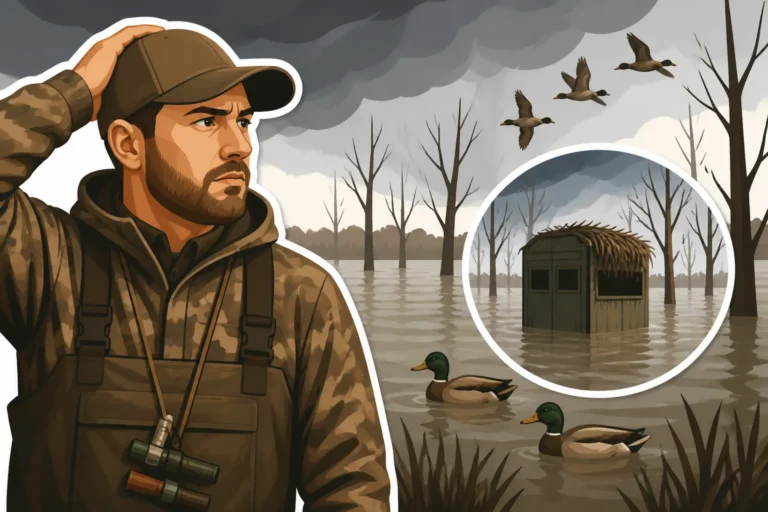
Hunting late-season ducks in Arkansas can feel like trying to outsmart a ghost. Those crisp, bluebird days after Christmas, when the initial migration has settled and the hunting pressure has been relentless, present a unique set of challenges. The birds that are left, or the new ones that have pushed in, are educated, wary, and have seen every trick in the book. It's enough to make even the most seasoned hunter throw their hands up in frustration. This guide is here to unravel those late-season mysteries, diving deep into how ducks adapt to pressure, and more importantly, how you can adapt your strategies to find success when the odds feel stacked against you.
Understanding Late-Season Duck Behavior Under Pressure
By the time the calendar turns to late December and January, the ducks have been through the wringer. They've been shot at, called to, and decoyed by countless hunters across the entire Mississippi Flyway, especially here in Arkansas. This constant interaction with hunters fundamentally changes their behavior, making them far more challenging to hunt than the naive birds of early season.
How Ducks Adapt to Constant Hunting Pressure
One of the most noticeable changes you'll observe is how ducks become incredibly "call shy." What might have been a perfectly effective hail call in November will often send birds flaring sky-high in January. They've learned that aggressive calling often leads to trouble, so they'll either ignore it, or worse, swing wide and high, out of range, just to avoid the source. Similarly, ducks become "decoy shy." Large, static spreads that looked inviting earlier in the season now scream "trap!" to weary birds. They’ve seen those motionless plastic ducks enough times to associate them with danger, often flying past without a second glance. This heightened wariness forces them to change their flight paths, often flying much higher than before, or taking circuitous routes to avoid known high-pressure areas.
Beyond just avoiding hunters in the air, ducks will also significantly alter their daily routines. Many ducks will become increasingly nocturnal, preferring to feed under the cover of darkness in safer, unpressured fields or flooded timber. This shift helps them conserve energy and avoid the constant barrage of hunters during daylight hours. They've literally learned to associate the sound of a truck pulling up to a blind, the splash of a spinning wing decoy, or even the distinct shape of a retriever in the blind with immediate danger. This learned behavior makes them incredibly difficult to fool, demanding a much more subtle and strategic approach from hunters.
The Role of Weather and Food Availability
While hunter pressure is a massive factor, the late-season weather patterns and diminishing food sources also play a critical role in how ducks behave. A brutal cold front can certainly push fresh migrations of birds down into Arkansas, which might seem like a good thing initially. However, these new arrivals often learn quickly from the existing, educated ducks, inheriting their wariness. The extreme cold also means birds need more energy, making them more determined to find undisturbed feeding grounds, which are harder and harder to come by as the season progresses.
As the season wears on, preferred food sources like acorns in flooded green timber or waste grain in easily accessible fields start to dwindle in heavily hunted areas. Ducks are forced to seek out less obvious, harder-to-reach food sources, or move to private refuges where they can feed without constant disturbance. This means the birds you are hunting might be flying further to feed, often flying over your spread to get to an area they perceive as safer. Monitoring these shifts in available food, perhaps using aerial scouting or observing patterns, becomes paramount. Changes in water levels, whether from heavy rains or prolonged dry spells, also directly impact food accessibility. For example, falling water might expose previously flooded food, while rising water can open new feeding opportunities in areas that were dry earlier in the season.
Scouting Strategies for Pressured Late-Season Ducks
Effective scouting becomes your most valuable tool when chasing late-season ducks. You simply cannot expect birds to behave the same way they did in November, nor can you expect them to be in the same spots. The key is to find those overlooked, less pressured areas where ducks feel comfortable enough to rest and feed during daylight hours. This often requires a significant shift in your scouting mindset and a willingness to explore beyond the obvious.
Finding Unpressured Roosting and Feeding Areas
Forget the easy access points and well-worn trails; for late-season ducks, you need to go where others won't. This often means literally walking further, donning waders for extended periods, or even utilizing a kayak or boat to get into remote sloughs and flooded timber blocks that are tough to reach on foot. The further you can get from vehicle access and other hunters, the better your chances of finding undisturbed birds. When you're out there, look for subtle signs: fresh tracks along muddy banks, piles of droppings on logs or stumps, or even "churned" water in feeding areas where ducks have been actively dabbling. Unpicked fields with sheet water, especially those tucked away from main roads, can be goldmines as well. These are the places ducks will seek out because they offer both food and a sense of security from the constant human presence.
Tools like GoHunt can be incredibly beneficial here. Use their aerial maps to identify potential remote pockets of water, dense timber stands far from trails, or unharvested corners of fields that might be holding birds. Look for changes in vegetation density, subtle elevation changes, or even old logging roads that might provide a slightly easier (but still challenging) path to an otherwise inaccessible area. Identifying these hidden pockets requires patience and a good eye for detail on the map, then confirming them on the ground. Think about how the duck would approach these areas, and what offers them the most concealment and safety.
Utilizing Aerial Imagery and Topo Maps
Aerial imagery and topographic maps are indispensable resources for any serious late-season duck hunter in Arkansas. They allow you to virtually scout vast areas from the comfort of your home, identifying potential hotspots without disturbing the birds. You can use these maps to pinpoint isolated pockets of water that might not be visible from a road, or remote blocks of flooded timber that are surrounded by dense, unhunted cover. Look for the small, winding sloughs or oxbows that meander through public land, often overlooked by hunters who stick to the main channels. These hidden waterways can be late-season sanctuaries.
Beyond just finding water, these tools help you understand the terrain and identify the best entry and exit routes that minimize your disturbance. You can mark down specific points of interest, potential blind locations, and even areas where you suspect ducks might be feeding based on the surrounding habitat. For instance, in agricultural areas, you can often identify unharvested corners of fields or subtle low spots that might hold sheet water after a rain, creating an ideal late-season feeding ground. In timber, look for canopy openings or subtle depressions that might hold water and offer a secure landing zone. Regularly checking these maps and comparing them with current weather patterns and water levels (like those available from the USGS for rivers) can give you a significant advantage, allowing you to react quickly to changes and target areas that are likely to hold birds. This detailed planning can make all the difference when dealing with wary, pressured ducks.
Adapting Your Hunting Tactics for Wary Birds
The aggressive, in-your-face tactics that work wonders on opening day often do more harm than good in the late season. Wary ducks have seen it all, and any perceived threat will send them packing. Success at this stage requires a fundamental shift towards subtlety, realism, and extreme discipline in the blind.
Less Calling is Often More Effective
This is perhaps the hardest lesson for many duck hunters to learn, but "less calling is more" is a golden rule for late-season ducks. Those big, loud hail calls that got birds' attention in November will typically send pressured birds climbing for the stratosphere. Instead, focus on soft, confidence-building calls. Think quiet quacks, subtle clucks, and soft feed calls. These sounds mimic contented birds feeding without a care in the world, which can often be just enough to pique a weary duck's curiosity without triggering their alarm bells.
The key is to read the birds as they approach. If they're cupped and committed, shut up. Let them work. If they start to turn or appear hesitant, offer a soft, reassuring quack or a little feeding chuckle, but be ready to go completely silent again. Overcalling will almost always result in a flare. You’re not trying to aggressively pull birds from miles away; you're trying to coax already interested birds into the spread, making them feel safe as they get closer. This nuanced approach to calling takes practice and restraint, but it’s absolutely essential for hunting ducks that have been called to relentlessly. Learning to differentiate between a duck looking to commit and one simply investigating is a skill that comes with observation. For more insights on this, consider checking out articles like Calling Ducks in Tight Arkansas Timber.
Decoy Spreads for Pressured Birds
Just like calling, your decoy spread needs a significant overhaul for late-season hunting. Ditch the massive, flashy spreads with dozens of spinning wing decoys and opt for realism and subtlety. Smaller, more natural spreads featuring a mix of species (mallards, pintails, gadwall, even a few wigeon) can be far more effective. The goal is to create a believable scene of a few ducks resting and feeding undisturbed. Consider using more full-body decoys if possible, as their three-dimensional appearance is far more lifelike than standard floating decoys.
Position your decoys in a natural-looking cluster, often with a large open landing zone directly in front of your blind, but far enough away that the birds don't feel like they're landing right on top of you. Motion decoys still have their place, but use them sparingly and subtly. A single jerk cord that creates gentle ripples or a spinner set on a low, intermittent speed can add life without screaming "hunter." Avoid multiple spinners all going at once; it just looks unnatural and aggressive to weary birds. Think about how ducks typically gather in their natural habitat and try to replicate that scene. Sometimes, placing a few sentry decoys or even a pair of sleeping ducks on a bank can add that extra layer of realism that convinces a high-flying mallard to drop its feet. For detailed strategies, articles like Setting Decoys in Timber Holes can provide additional guidance.
Maximizing Concealment and Minimizing Movement
This cannot be overstated: concealment is absolutely critical for late-season duck hunting. Any flaw in your hide or any unnecessary movement will immediately flare educated birds. Your blind needs to be brushed in meticulously, to the point where it blends seamlessly with the natural surroundings. Think about not just covering your blind, but also breaking up its outline. Use natural vegetation from the area—cane, willow branches, palmetto—and avoid large, obvious gaps.
Beyond the blind itself, personal concealment is paramount. Wear full camouflage, including face masks, gloves, and waders that match your environment. Even a bare face or a flash of skin can be enough to send birds running. Once birds are working, remain absolutely motionless. This means no shifting in your seat, no peeking through gaps in the brush, and certainly no fiddling with your phone. Ducks have incredible eyesight and can pick up on the slightest movement. Only raise your gun when it’s time to shoot, and do so in a slow, controlled manner. Practice calling ducks and keeping still while doing so. Every little detail matters, from the way your dog is hidden to the color of your thermos. Eliminating any possible giveaway is the single most important factor in bringing pressured birds into range.
Public Land Considerations for Late-Season Hunting
Public land hunting, particularly in Arkansas, can be incredibly rewarding, but it also presents unique challenges, especially during the late season when pressure peaks. Hunters flock to famous WMAs, and while the opportunity is there, it requires even more strategic thinking.
Navigating Crowded WMAs and Refuges
Places like the renowned Bayou Meto WMA or Dave Donaldson Black River WMA see immense pressure throughout the season, and it only intensifies as the birds become warier. Expect crowds, especially on weekends. To mitigate this, consider hunting mid-week if your schedule allows, as there's often a noticeable drop-off in hunter numbers. If you must hunt on a weekend, your best bet is to arrive extremely early – often long before shooting light – to secure a spot and get set up without disturbing other hunters or incoming birds. This early arrival also allows you to be deep into an area before others start filtering in.
Crucially, be prepared to walk. The birds on heavily hunted WMAs quickly learn to avoid easy-access spots. This means you need to be willing to put in the miles, often through thick brush, knee-deep mud, or cold water, to reach those hidden pockets that other hunters aren't willing to tackle. Utilize the AGFC's interactive map tool before you go to identify potential walk-in only zones or areas that require a long boat ride to access. Also, be aware of specific WMA rules, such as vehicle restrictions on certain roads or temporary area closures that can sometimes create unexpected, less-pressured sanctuaries. For deeper insight into navigating these areas, especially concerning permits, check out Arkansas WMA Permits and Draw Hunts. Remember, patience and persistence are key on these high-pressure public lands.
Finding Hidden Gems on Public Ground
While the big-name WMAs are popular, Arkansas has a wealth of other public hunting land, including portions of the Ouachita and Ozark National Forests, Corps of Engineers lands, and smaller, less famous WMAs. The key to finding late-season success here is to look for overlooked spots. These aren't always grand expanses of flooded timber; sometimes, it's a small slough meandering through a brushy area, a remote field corner, or a tight block of timber tucked away from the main public access points. Think about areas that are just a little bit too hard to get to, or that don't look "ducky" at first glance.
These hidden gems often require more effort to scout and access, but they can pay off big time with less pressured birds. Look for signs of ducks during your scouting trips – tracks, droppings, freshly muddied edges – in these out-of-the-way locations. Consider using a small, quiet boat or kayak to explore creeks and oxbows that are inaccessible by larger vessels. Sometimes, just a quarter-mile further down a rough ATV trail can lead you to an entirely different hunting experience. Don't be afraid to leave the beaten path; the birds certainly do. Exploring diverse public lands, as detailed in guides like Public Hunting Land in Arkansas, will broaden your horizons and increase your chances of finding those untouched honey holes. Using the GoHunt app's public land layers can help you identify these lesser-known areas, showing ownership and access points that might go unnoticed by the casual hunter.
The Impact of Water Levels and Habitat Changes
Water levels are a constant variable in Arkansas duck hunting, especially in the late season. A slight change can completely alter duck patterns, making a previously hot spot go cold, or opening up a new area overnight. Understanding these dynamics is crucial for staying on the birds.
How Fluctuating Water Affects Duck Movement
Ducks are incredibly sensitive to changes in water levels, often moving with the water to access new feeding grounds or find more secure roosting sites. If a river, like the White River or Cache River, rises significantly, it can flood new timber, field edges, or low-lying areas, making previously inaccessible food sources suddenly available. Ducks will quickly find these fresh areas, moving away from heavily pressured, shallower spots. Conversely, falling water levels can concentrate birds into smaller, deeper pockets of water, creating excellent opportunities if you can find them before other hunters do.
This means regularly monitoring local river gauges and rainfall forecasts is not just a good idea, it's essential. Websites like the National Weather Service provide real-time gauge data that can help you predict where the birds might move. For instance, if the White River is rising, ducks in adjacent flooded timber might spread out, while a falling river might pull them back into the main channel or deeper sloughs. Pay attention to how the landscape changes with these fluctuations; what was dry ground last week might be prime feeding habitat this week. Being aware of these dynamic conditions allows you to adjust your plans and target areas that are newly productive. Understanding how water levels impact duck hunting is so vital that guides like Reading Water Levels on the White River are dedicated to explaining this phenomenon.
Identifying Key Late-Season Food Sources
As the late season progresses, ducks' preferred food sources shift. The abundant acorn crops in green timber that sustained birds in early fall are often largely depleted or become inaccessible. Instead, ducks turn their attention to waste grain in agricultural fields—rice, soybeans, and corn that remain after harvest. These fields, especially those with sheet water, become prime feeding grounds, offering a high-energy diet crucial for surviving the colder temperatures. This is where scouting takes on an even greater importance.
Beyond agricultural fields, look for naturally occurring moist-soil units, especially on WMAs. These areas are specifically managed to produce natural duck foods like smartweed, wild millet, and sedges. They offer a diverse and often unpressured food buffet. Emergent vegetation in flooded areas, such as coontail or pondweed, also becomes more critical as the season progresses. To effectively target these areas, you need to be actively scouting, either by driving roads and observing fields or by walking into public land to find natural food plots. Using tools like GoHunt to identify different vegetation types or land usage can help you narrow down potential feeding areas. Understanding what food sources are available and how ducks are using them is paramount to finding success when the ducks are most wary. The insights into Mallards in the Arkansas Delta often highlight the importance of these food sources for wintering birds.
| Feature | Early Season (Oct-Nov) | Late Season (Dec-Jan) |
|---|---|---|
| Duck Behavior | Less wary, more naive, respond to aggressive calling. | Highly wary, call shy, decoy shy, often nocturnal. |
| Calling Style | Aggressive hails, multiple comeback calls, lively chatter. | Soft clucks, feed calls, single quacks; less is more. |
| Decoy Spread | Large, active spreads with multiple spinners/motion. | Smaller, realistic spreads; subtle motion; mixed species. |
| Concealment | Important, but slight imperfections tolerated. | Absolute perfection required; extreme stillness. |
| Primary Food | Acorns in timber, accessible waste grain. | Waste grain in hard-to-reach fields, moist-soil plants. |
| Hunting Pressure | Moderate to high, depends on location. | Very high on public land, pushes birds to refuges. |
| Scouting Focus | Finding active timber holes, easy-access fields. | Identifying remote, unpressured roosts and feeding areas. |
| Water Levels | Rising water opens new areas, stable conditions. | Fluctuating levels dictate constant bird movement. |
| Best Approach | Aggressive, high-energy. | Patient, subtle, minimalist. |
Disclaimer
Hunting is an inherently dangerous activity. Always prioritize safety, follow all local, state, and federal regulations, and obtain proper licenses and permits before venturing into the field. This guide is for informational purposes only and does not guarantee hunting success. Conditions, regulations, and animal behaviors can change, so always do your own research and stay informed.