Light Goose Conservation Order Dates
Trying to keep up with the ever-changing dates and regulations for waterfowl hunting in Arkansas can feel like trying to hit a fast-flying teal with a slingshot – confusing and frustrating! Especially when it comes to the Light Goose Conservation Order, which operates outside the typical waterfowl seasons. This guide will meticulously break down everything you need to know about these unique hunting periods, so you can spend less time scratching your head and more time in the field.
Understanding the Light Goose Conservation Order
For many waterfowlers in Arkansas, the regular duck and goose seasons are a deeply ingrained part of their fall and winter routines. But then there's this "Conservation Order" for light geese, which often feels like a whole different ballgame. It's not just another hunting season; it's a critical management tool, and understanding its purpose is key to appreciating its unique rules.
The Purpose Behind the Order
Imagine a species reproducing so successfully that its numbers begin to harm its own habitat, as well as the habitats of other species. That's precisely the situation the U.S. Fish and Wildlife Service, along with state agencies like the Arkansas Game and Fish Commission (AGFC), found themselves in with light geese. Specifically, this primarily refers to lesser snow geese and Ross's geese. These birds were overpopulating their Arctic nesting grounds, causing widespread destruction to delicate tundra vegetation. This damage wasn't just affecting the geese themselves; it was impacting other migratory birds and the entire ecosystem. The Conservation Order was implemented as a direct response to this ecological crisis, designed to help reduce their population to a more sustainable level. It’s an unusual but necessary measure that allows hunters to play a direct role in wildlife management and habitat conservation, extending beyond traditional harvest limits.
Species Included in the Order
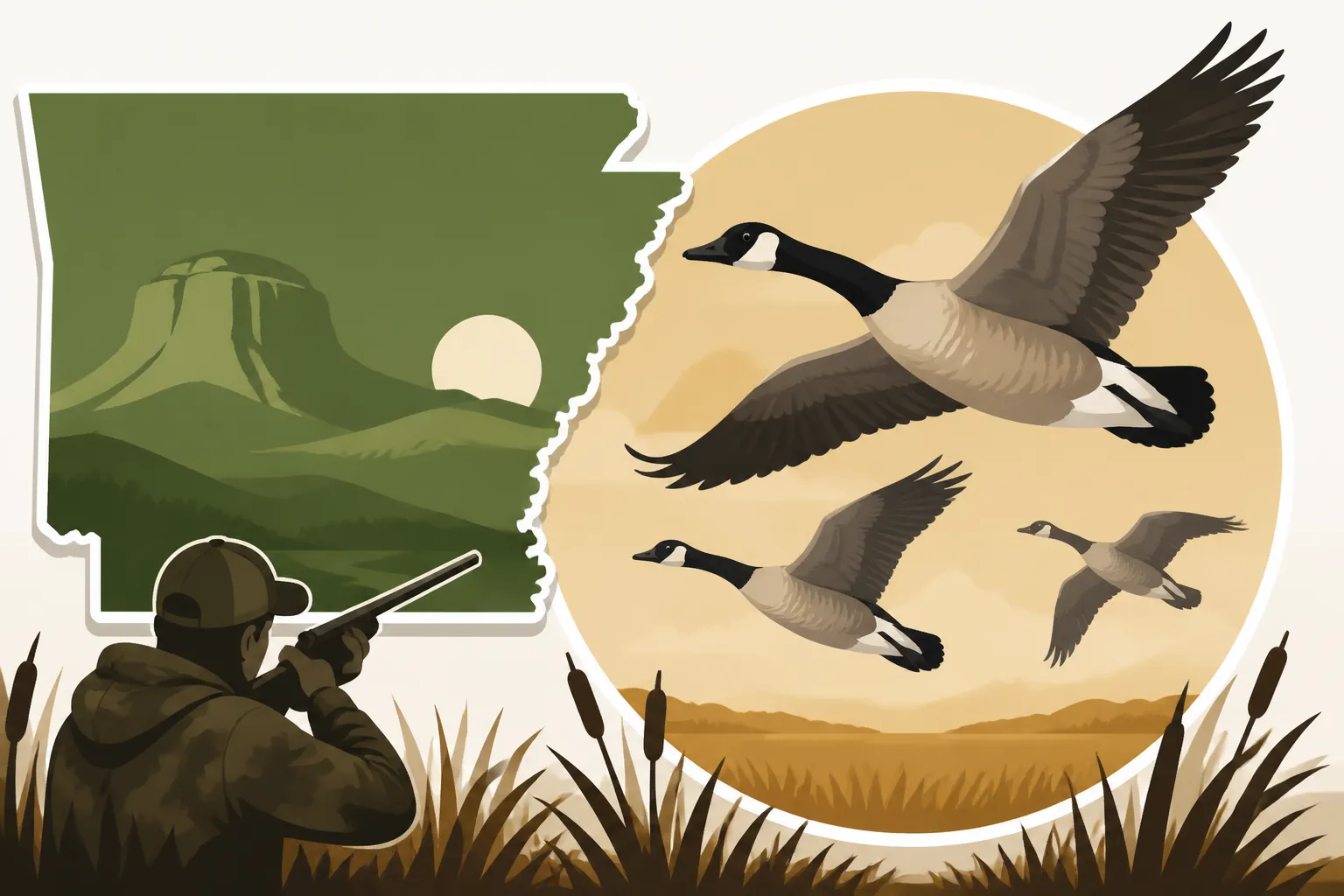
When we talk about "light geese" in the context of the Conservation Order, we're primarily focused on two species: the prolific Lesser Snow Goose and the slightly smaller, but equally numerous, Ross's Goose. Sometimes, though less frequently, blue geese (a color phase of the snow goose) might also be encountered. These birds migrate through the Central and Mississippi Flyways in staggering numbers, often stopping to winter in Arkansas's rich agricultural fields. Unlike specklebellies or Canada geese, which have more stable populations and stricter hunting regulations, the light goose populations have exploded to unsustainable levels. This distinction is really important, because it's why the rules for hunting them under the Conservation Order are so different from those governing other goose species or even ducks. You won't find regular season limits and shooting hours applied to these specific birds during this special period.
Historical Context and Success
The concept of a conservation order for light geese isn't new; it's been in place for decades, evolving as biologists learned more about the geese populations and their environmental impact. Initially, hunters and wildlife managers grappled with how to effectively curb such a massive population. Traditional hunting seasons simply weren't making a dent. The Conservation Order, with its relaxed regulations, was a bold step, and frankly, it's seen a good deal of success in its mission to help mitigate the ecological damage. While the geese are still incredibly numerous, the order has played a vital role in slowing the growth of their populations and raising awareness about the delicate balance of ecosystems. It’s a testament to adaptive wildlife management, acknowledging that sometimes, non-traditional methods are necessary to address unique conservation challenges.
Key Dates and Calendar Breakdown
Hunting the Light Goose Conservation Order in Arkansas often feels like hunting in a different calendar altogether, because the season dates are set specifically to target these abundant birds outside of the conventional waterfowl framework. It's not just a single block of time; it's typically broken into distinct periods. Staying on top of these dates, which can shift slightly from year to year, is absolutely crucial for planning your hunts.
Typical Early Conservation Order Dates
Generally, the first opportunity to participate in the Light Goose Conservation Order kicks off fairly early in the year, often immediately following the close of the regular duck and goose seasons. This usually means a window in late January and extending through February. Think of it as a bonus round after the main event. For instance, if the regular Arkansas Waterfowl Seasons and Zones for ducks might wrap up in late January, the Conservation Order often picks up right where it left off. During this initial phase, the weather can be a real mixed bag. You might encounter mild, sunny days perfect for running large decoy spreads, or you could be battling biting winds and even late-season snow flurries. The birds at this time have been pressured throughout the regular season, so they can be warier, but the sheer numbers still present incredible opportunities.
Late Winter/Spring Conservation Order Period
The Conservation Order truly hits its stride during the late winter and into the early spring, often extending well into March, and sometimes even into April. This extended period is designed to maximize harvest potential as light geese begin their northward migration, congregating in massive flocks in staging areas across the Arkansas Delta. These dates are specifically chosen to coincide with the largest concentrations of birds that are fueling up on waste grain from harvested fields before making their long journey back to the Arctic. The sheer spectacle of thousands of geese descending on a field is something every hunter should experience. This later period is also when you often see hunters employing the most aggressive tactics, like massive spreads of hundreds or even thousands of decoys, often combined with electronic calls, to draw in the huge flocks. For those looking to really target large numbers, this is often the sweet spot. You might want to refer to Arkansas Goose and Speck Seasons for comparison with other goose species, but remember the conservation order rules are unique.
Annual AGFC Announcements
It's impossible to stress this enough: the exact dates for the Light Goose Conservation Order are set annually by the Arkansas Game and Fish Commission (AGFC) in conjunction with federal guidelines. These dates are not static; they can and do change from one year to the next based on biological data, population assessments, and other factors. It’s your responsibility as a hunter to confirm the current year's dates. The AGFC typically publishes these dates well in advance of the season, usually on their website. I always recommend checking the official AGFC Hunting Guidebook or their online regulations portal as soon as it becomes available each year. Don't rely on last year's dates or hearsay. A quick check can save you a wasted trip or, worse, a violation. This is where tools like GoHunt can really shine, as they often aggregate and update state regulations quickly, making it easier for you to stay informed.
Special Rules and Regulations for Conservation Order Hunts
The Light Goose Conservation Order isn't just a different set of dates; it's a different set of rules entirely. These regulations are designed to facilitate a higher harvest rate to address the overpopulation issue, which means you'll find significant departures from the standard waterfowl hunting laws you might be used to. Ignoring these differences could lead to a fine or losing your hunting privileges, so pay close attention.
Expanded Shooting Hours and Bag Limits
One of the most noticeable differences during the Conservation Order is the relaxation of traditional shooting hours and the complete absence of daily or possession bag limits. During the regular duck and goose seasons, you're typically confined to specific shooting hours, usually from 30 minutes before sunrise until sunset. Under the Conservation Order, however, shooting hours often extend from 30 minutes before sunrise until 30 minutes after sunset. This extra half-hour at the end of the day can be absolutely golden, especially when large flocks are circling and committing late. Even more importantly, there's no daily bag limit or possession limit on light geese during this period. You can harvest as many as you can legally shoot and retrieve. This isn't a license to be wasteful, of course; ethical harvesting and utilization of game remain paramount, but it reflects the urgency of the population control effort.
Electronic Calls and Shotgun Plugs
Another significant departure from regular waterfowl hunting rules is the legality of using electronic calls and the removal of the shotgun plug requirement. During standard waterfowl seasons, electronic calls are strictly prohibited, and your shotgun must be plugged to hold no more than three shells (one in the chamber, two in the magazine). For the Light Goose Conservation Order, however, you can blast those electronic calls to your heart's content. These calls, often playing continuous loops of thousands of geese, are incredibly effective at drawing in large flocks, especially when combined with large decoy spreads. Furthermore, the three-shell plug requirement is lifted. This means you can use your shotgun at its full capacity, allowing for more shots on those large, incoming flocks. While the plug removal is a big advantage, remember that Nontoxic Shot Rules in Arkansas still apply to all waterfowl hunting, regardless of the season or species. Steel shot or other approved nontoxic alternatives are always required.
Carcass Tagging and Transport
Even with the relaxed limits and expanded methods, there are still rules about how you handle the harvested birds, especially concerning tagging and transport. While you don't have to tag individual geese with your license number like you would a deer or turkey, you do need to ensure that when you're transporting birds, at least one fully feathered wing or the head remains attached to the bird. This allows enforcement officers to identify the species. Once you get home and begin processing your birds, that requirement is lifted, but for transport from the field to your processing location, it's essential. Make sure to understand all transport requirements, especially if you're traveling across state lines, as rules can vary. Keeping documentation of your hunt, like your license and any permits, is always a good practice. Also, it’s a good idea to consider the implications of cleaning many birds quickly after a successful hunt; it’s a lot of work, but worth it.
Gear and Tactics for Conservation Order Hunts
Hunting light geese during the Conservation Order demands a distinct approach compared to typical duck or even other goose hunts. The sheer numbers of birds and the expanded legal methods mean you can employ tactics that would be illegal or impractical at any other time. Success in these hunts often boils down to preparation, understanding goose behavior, and having the right equipment.
Decoy Spreads for Light Geese
Forget your small spread of dozen duck decoys; when hunting light geese under the Conservation Order, bigger is often better, and by "bigger," I mean much bigger. We're talking hundreds, often thousands, of decoys. These can range from full-body decoys to lighter, more portable windsock decoys and even simple white rags. The goal is to replicate the appearance of an enormous flock of feeding geese, creating a visual magnet that can be seen from miles away by high-flying birds. The layout of the spread is crucial. You'll typically want a large "kill hole" or landing zone in front of your blinds, with the densest concentration of decoys around it, perhaps simulating smaller family groups or feeding clusters. Positioning a few flyer or feeder decoys on motion stakes can also add realism. While building a spread of this magnitude can be a massive undertaking, especially if you're hunting in harvested fields, it’s often the most effective way to draw in wary, pressured birds. Knowing how to set up for Setting a Spread on a Levee can translate to field hunting, but on a much grander scale.
Electronic Call Setup and Strategies
The ability to use electronic calls is a game-changer for light goose hunting. These powerful sound systems can replicate the cacophony of thousands of feeding, roosting, and flying geese, which is incredibly effective at attracting birds that might otherwise bypass your spread. Setting up your e-call system involves placing multiple speakers throughout your decoy spread, often using long wires to distribute the sound evenly and naturally. You'll want to experiment with different calls and volumes; sometimes a loud, constant roar is best, while other times a more subtle feeding chatter works wonders. Many hunters run specialized light goose "e-caller" setups, like those from FoxPro or Lucky Duck, which come pre-loaded with high-quality goose sounds. It's not just about turning it on and letting it blast; understanding how to adjust the volume and type of call based on the geese's reaction and distance is a key skill. Remember, the goal is to make your spread sound as inviting and natural as possible.
Shotgun and Ammunition Choices
Given the sheer volume of potential shooting during a successful light goose hunt, your choice of shotgun and ammunition becomes paramount. A reliable semi-automatic shotgun with a high capacity (remember, no plug required) is often preferred, as it allows for quicker follow-up shots on multiple birds. Brands like Benelli, Beretta, or Browning are popular choices for their durability and smooth cycling. As for ammunition, you'll want to opt for heavy loads of nontoxic shot, typically in sizes BB, BBB, or T. Larger shot sizes are generally favored for the larger, tougher light geese, especially when they're coming in high or crossing at longer distances. Many hunters will bring multiple boxes of shells, often hundreds, for a single weekend hunt. The cost of ammunition can add up quickly, but investing in quality shells that pattern well through your specific choke (often a modified or improved modified choke) will significantly increase your success rate and reduce cripples. Always ensure your ammo aligns with Nontoxic Shot Rules in Arkansas to avoid any issues.
Preparing for Your Light Goose Hunt
A successful light goose hunt, especially during the Conservation Order, isn't just about showing up with a gun and some decoys. It requires careful planning, adherence to regulations, and often, significant logistical coordination. From securing the right paperwork to finding suitable hunting grounds, preparation is truly half the battle.
Licensing and Federal Stamps
Even though the Light Goose Conservation Order operates with relaxed hunting rules, you still need to be properly licensed and registered. First and foremost, you'll need a valid Arkansas hunting license. For residents, this might be a basic annual hunting license, while non-residents will need to purchase the appropriate non-resident license, which could be an annual or a short-term option. You can find more detailed information on Arkansas Hunting Licenses and What They Cost. Beyond the state hunting license, you must also purchase a federal migratory bird hunting and conservation stamp (the "Federal Duck Stamp") and register with the Harvest Information Program (HIP). The HIP registration is critical for all migratory bird hunters in Arkansas and is often overlooked. It's a simple, free process, but without it, your migratory bird hunting activities are not legal. This information is vital for wildlife agencies to track hunter participation and harvest. Make sure you complete your Arkansas HIP Registration for Migratory Birds before heading out.
Scouting and Field Selection
Finding the right spot is perhaps the most critical component of a successful light goose hunt. These birds are creatures of habit, often returning to the same fields day after day to feed, especially those with waste grain like rice, corn, or soybeans. Effective scouting involves driving rural roads, observing flight patterns, and looking for concentrations of birds. You're looking for where the geese are actively feeding and roosting. Aerial photos and digital mapping tools can also be invaluable for identifying potential hotspots and understanding access points. GoHunt, for example, offers excellent mapping overlays that can show you property lines, public land, and even recent aerial imagery to help you pinpoint active fields. Once you identify promising fields, you’ll need to secure permission to hunt, which brings us to the next point. Without proper scouting, you’re just guessing, and light geese are too smart for that.
Working with Landowners or Outfitters
Most prime light goose hunting occurs on private agricultural land. Therefore, securing permission from landowners is usually essential. This can be a challenging but rewarding process. Start early, be polite, and offer to help in any way you can, perhaps by offering to help with feral hog control or other chores. Building a relationship with a landowner can unlock consistent access to prime hunting ground. If knocking on doors isn't your style, or if you're a non-resident unfamiliar with the area, hiring an outfitter is a fantastic option. Many outfitters in the Arkansas Delta specialize in Conservation Order light goose hunts, often leasing thousands of acres of prime fields. They provide decoys, electronic calls, blinds, and guides who know the local bird movements. While it's an investment, it can drastically increase your chances of a memorable hunt, especially for Snow Goose Tactics in the Delta. Outfitters often have the resources to deploy massive spreads and track bird movements across large areas, making them incredibly efficient.
Tactical Differences Between Regular and Conservation Order Goose Hunts
It's easy to lump all goose hunting into one category, but the Light Goose Conservation Order introduces a unique set of circumstances that require a departure from conventional methods. Understanding these tactical differences is crucial for maximizing your success and truly leveraging the opportunities provided by the order.
Aggressive Decoy Spreads and Motion
In regular seasons, hunters might use a couple dozen full-body Canada goose decoys. During the Conservation Order, however, light goose hunters typically deploy hundreds, often thousands, of decoys. We're talking about spreads that can cover acres of a harvested field. The sheer scale is meant to mimic the massive flocks of real light geese that descend upon the Delta. These aren't just static spreads either; motion is king. Flags, kites, and even custom-built spinning wing decoys designed to look like landing geese are often incorporated. The goal is to create a dynamic, living tableau that screams "safe and abundant food!" to passing birds. This is far more involved than simply tossing out a few mallard decoys in a timber hole. The labor involved in setting up and tearing down such a spread is immense, but the visual impact on high-flying geese is undeniable, drawing them in from incredible distances.
Leveraging Electronic Calls and Large Groups
One of the biggest game-changers for Conservation Order hunting is the legality and effectiveness of electronic calls. During regular goose seasons, you're limited to mouth calls, requiring skill and timing. With e-calls, you can play a continuous loop of thousands of screaming, feeding snow geese at volumes that carry for miles. This sonic wall helps pull birds off their migratory paths and towards your spread. Furthermore, Conservation Order hunts often involve larger hunting parties than you'd typically find during regular seasons. With no bag limits, more hunters mean more guns, which can be critical for handling the often fast and erratic flight of light geese. A larger group also means more hands for setting up and tearing down those colossal decoy spreads, which can be an all-day affair. It's a very social and often high-octane form of waterfowl hunting that thrives on teamwork and overwhelming sensory input for the birds.
Post-Hunt Logistics and Management
After the hunt, the logistics for a successful Conservation Order outing can be vastly different. With no bag limits, you could potentially have dozens, even hundreds, of geese to clean and process. This requires careful planning for game care. You'll need plenty of coolers, ice, and a designated cleaning station. Some hunters even set up assembly lines with multiple people cleaning birds simultaneously. The meat from light geese can be delicious, but proper care in the field and prompt processing are essential, especially in warmer weather during the late season. Many hunters will breast out the geese, and some will even grind the meat for sausages or burgers. Unlike a typical duck hunt where you might clean a few birds, a conservation order hunt often demands a significant post-hunt effort to properly handle the harvest. It's a rewarding challenge, but one that shouldn't be underestimated. For broader context on migratory bird hunting, you might find information in Field and Flooded Rice Duck Hunting in the Delta interesting, though the scale for geese is often much larger.
Arkansas Light Goose Conservation Order: Quick Reference
To help you keep track of the unique aspects of the Light Goose Conservation Order, here's a quick comparison with typical regular waterfowl season rules in Arkansas.
| Feature | Regular Waterfowl Season (Ducks/Other Geese) | Light Goose Conservation Order |
|---|---|---|
| Species Targeted | Ducks, Canada Geese, Specklebellies, etc. | Lesser Snow Geese, Ross's Geese, Blue Geese |
| Season Dates | Varies, typically Fall/Winter splits | Late Jan/Feb through March/April (annual variations) |
| Daily Bag Limit | Strict daily limits by species/sex | No daily bag limit |
| Possession Limit | Often 3x daily bag limit | No possession limit |
| Shooting Hours | 30 min before sunrise to sunset | 30 min before sunrise to 30 min after sunset |
| Electronic Calls | Prohibited | Legal |
| Shotgun Plug | Required (max 3 shells) | Not required (unlimited capacity) |
| Nontoxic Shot | Required | Required |
| HIP Registration | Required | Required |
| Federal Duck Stamp | Required | Required |
| Identification | One fully feathered wing or head attached until final destination | One fully feathered wing or head attached until final destination |
| Purpose | Sport hunting, population management | Primary focus on population reduction due to overpopulation |
Remember, always check the current year's official AGFC regulations for the most up-to-date information, as these rules are subject to change.
Disclaimer
Hunting regulations, dates, and requirements can change frequently. While this guide aims to provide accurate and up-to-date information, it is your responsibility to consult the official Arkansas Game and Fish Commission (AGFC) regulations and federal guidelines before engaging in any hunting activities. This content is for informational purposes only and should not be considered legal advice.