Arkansas Raccoon and Opossum Seasons
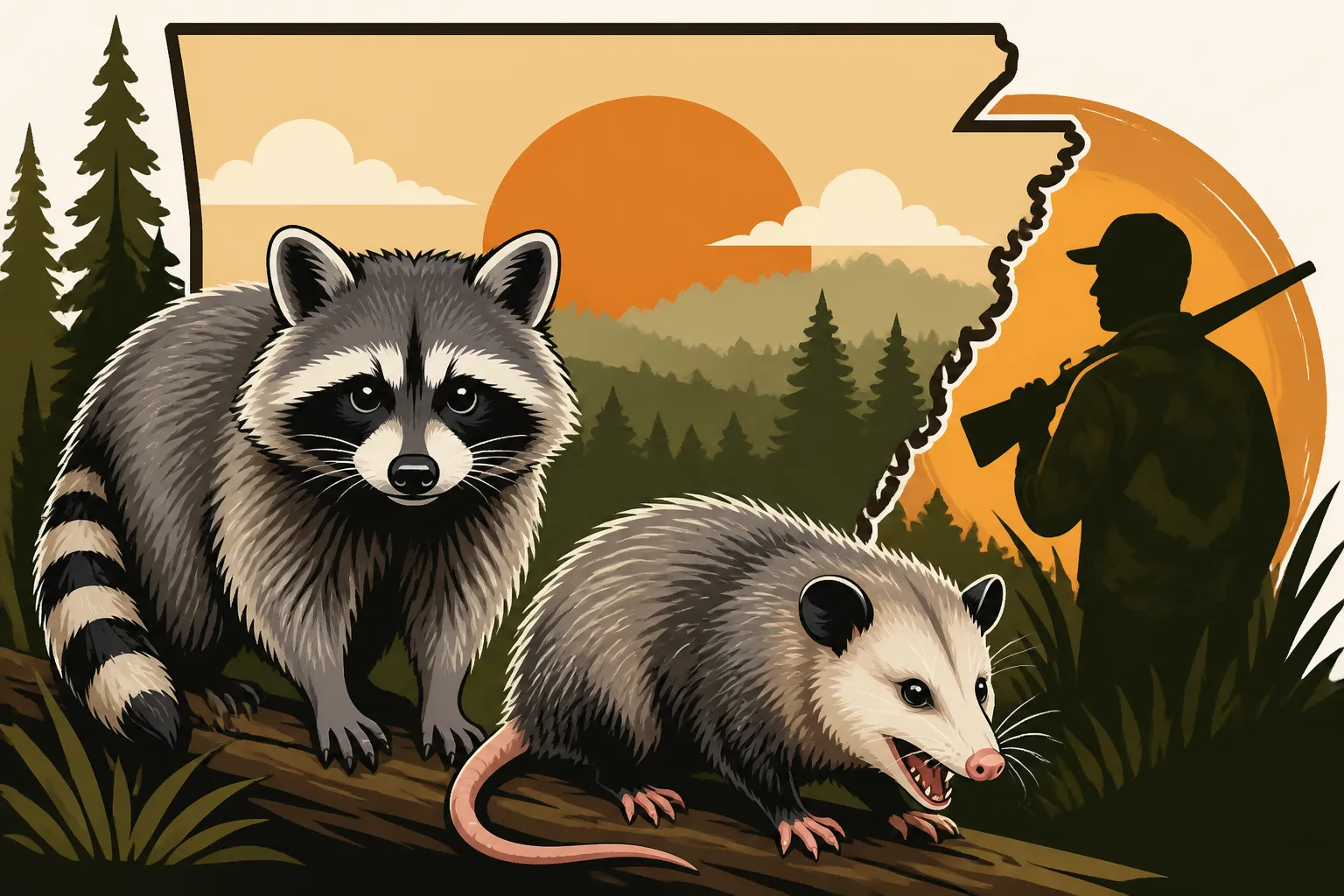
It's easy to get caught up in the excitement of deer season or the roar of ducks flying over the delta, but sometimes we overlook the quieter, equally important traditions of hunting in Arkansas. If you've ever wondered about the ins and outs of chasing raccoons and opossums across the Natural State, especially after dark, you're not alone. This comprehensive guide will walk you through everything you need to know about Arkansas's raccoon and opossum seasons, from regulations to best hunting practices, helping you connect with a unique piece of our outdoor heritage.
Understanding Arkansas Raccoon and Opossum Seasons
Hunting raccoons and opossums in Arkansas offers a different kind of challenge and reward compared to big game, often steeped in tradition and the camaraderie of a night hunt. These seasons are generally quite long, giving hunters ample opportunity to get out. It's not just about the harvest; it's about the chase, the hounds, and the distinct atmosphere of the woods at night. Understanding the framework of these seasons is the first step in participating in this unique outdoor pursuit.
General Season Dates and Zones
For most of Arkansas, the raccoon and opossum hunting season is incredibly generous, typically running from the first day of September through the last day of March the following year. That's a huge window, providing nearly seven months of opportunity! This extended season recognizes the robust populations of these furbearers across the state and allows hunters to participate throughout the cooler months, which is generally when most of the activity occurs. There aren't specific zones for raccoon and opossum hunting in the way there are for deer or bear; these rules apply statewide unless otherwise specified for a particular Wildlife Management Area (WMA) or special regulation area. It’s always smart to double-check the current Arkansas Game and Fish Commission (AGFC) regulations book each year, as dates and rules can occasionally be adjusted. While the primary method is often hunting with dogs, many areas also permit still-hunting, especially during daylight hours, although most prefer the thrill of a night chase.
Night Hunting Regulations
Perhaps the most iconic way to hunt raccoons and opossums is under the cover of darkness, often with the aid of trained hounds. Arkansas embraces this tradition, and night hunting is a fully legal and popular method for these species. You are permitted to use a light to locate game while hunting raccoons and opossums at night. This is a crucial distinction, as using artificial lights to locate most other game animals at night is illegal. However, for furbearers like raccoons and opossums, it's a perfectly acceptable and necessary part of the hunt. The excitement of hearing your dogs bay up a tree, then shining a beam skyward to see those tell-tale glowing eyes, is an experience unlike any other. You'll want to be familiar with the specific rules for Raccoon Hunting at Night in Arkansas to ensure you're compliant. Remember, while you can use a light to locate these animals, the rules about shooting from a public road or within certain distances of occupied dwellings still apply, even at night.
Why These Seasons Matter
Beyond the pure enjoyment of the hunt, raccoon and opossum seasons play a vital role in wildlife management. Both species are prolific breeders and can have significant impacts on local ecosystems. Raccoons, in particular, are known predators of bird nests, including those of turkeys and ducks, and can impact small game populations. Opossums, while less predatory, are opportunistic scavengers and can also carry diseases. Hunting helps to manage their numbers, contributing to a healthier balance for other wildlife species. It's a pragmatic approach that benefits the entire ecosystem. Plus, for many Arkansans, these hunts are a cherished social event, a chance to gather with friends and family, share stories, and pass down hunting traditions. This kind of hunting connects us to the land in a very direct, hands-on way, fostering a deep respect for both the prey and the environment. Learning more about Predator and Furbearer Hunting in Arkansas can give you a broader perspective on their ecological roles.
Essential Rules and Regulations for Raccoon and Opossum Hunting
Diving into any hunting season requires a solid understanding of the legal framework, and raccoon and opossum hunting is no exception. While generally less restrictive than deer or turkey hunting, there are still specific licenses, methods, and ethical considerations you need to be aware of to ensure a legal and responsible hunt. It's about respecting the law, the land, and the animals.
Licensing and Permits
Before you even think about hitting the woods, you need to make sure your paperwork is in order. To hunt raccoons and opossums in Arkansas, you must possess a valid Arkansas hunting license. For residents, this typically means a Resident Sportsman's License, or a small game license if you're not planning on big game. Nonresidents will need a Nonresident Annual All Game Hunting License or a Nonresident Furbearer Hunting License. There's no separate "raccoon and opossum permit" needed beyond your general hunting license. However, always check the AGFC regulations for any updates. This basic requirement ensures that you're registered with the state wildlife agency and contributing to conservation efforts through your license fees. You can find more details on Arkansas Hunting Licenses and What They Cost on the AGFC website or by checking out resources like GoHunt, which can help clarify license types and purchase options.
Here's a quick overview of common license types:
| License Type | Resident Cost (Approx.) | Nonresident Cost (Approx.) | Covers Raccoon/Opossum? | Notes |
|---|---|---|---|---|
| Annual Hunting License | $10.50 | $300 | Yes | Basic license required for all hunting |
| Lifetime Sportsman's License | $1000 | N/A | Yes | Covers all hunting/fishing for life, a great long-term option |
| Nonresident Furbearer License | N/A | $150 | Yes | Specific for furbearers and small game for nonresidents |
| Youth Hunting License | Varies (often free/reduced) | Varies (often free/reduced) | Yes | Available for hunters under 16, often requires adult supervision |
Note: Prices are approximate and subject to change by the AGFC. Always verify current prices and requirements directly with the Arkansas Game and Fish Commission.
Legal Hunting Methods
Raccoon and opossum hunting in Arkansas primarily involves two methods: still-hunting and hunting with dogs. Still-hunting, where you move quietly through the woods or sit and wait, is less common for these nocturnal creatures but can be effective. However, the quintessential method involves using trained hounds. You can use dogs to pursue and tree raccoons and opossums, and you are permitted to use artificial lights to locate the treed animal.
When it comes to weaponry, the rules are fairly straightforward. You can use rimfire rifles (like a .22LR), shotguns (typically with small shot sizes), or even archery equipment. The key is to use a legal firearm or bow and arrow that is appropriate for the species and conditions. Always be mindful of shot placement to ensure a quick, ethical harvest. While less common, trapping is also a legal method for furbearers during specific trapping seasons, which usually overlap heavily with the hunting season. If you're considering trapping, be sure to review the Trapping Furbearers in Arkansas regulations, as they involve different permits and specific trap types.
Bag Limits and Possession
One of the great things about raccoon and opossum hunting in Arkansas is the simplicity regarding bag limits. There are no daily or seasonal bag limits for either raccoons or opossums. This means you can harvest as many as you legally can during the open season. This liberal allowance reflects their abundant populations across the state and the AGFC's approach to managing these species. Once harvested, you can possess the hides and carcasses. Many hunters keep the hides for tanning or selling, and some even enjoy eating raccoon meat, often slow-cooked. The lack of limits also means that if you're out with a group of friends and dogs, you don't have to worry about everyone hitting a personal quota; you can simply enjoy the hunt and the camaraderie. This makes for a relaxed atmosphere, especially compared to the strict bag limits you might encounter when Arkansas Modern Gun Deer Hunting.
Best Practices for Ethical and Successful Hunting
Having the right licenses and knowing the dates is just the beginning. To truly enjoy and be successful at hunting raccoons and opossums, it pays to understand some best practices. This isn't just about bagging an animal; it's about respecting the pursuit, ensuring safety, and upholding the ethics of hunting.
Scouting and Locating Raccoon and Opossum
Successful hunting, especially for nocturnal animals, often starts long before you step into the woods with a gun. Scouting is paramount. Raccoons prefer areas near water sources like creeks, rivers, ponds, and swamps, often in hardwood bottoms or mixed timber where den trees are plentiful. They're also frequent visitors to agricultural fields, particularly cornfields, and can be found raiding gardens and trash cans near human habitation. Opossums are more generalist, inhabiting similar areas but also more open woods and even suburban environments.
Look for signs: tracks in mud, overturned rocks, damaged corn stalks, or visible denning holes in trees. Using a mapping tool like those offered by GoHunt can be incredibly helpful for identifying potential water sources, timber types, and access points on public or private land. Pay attention to game trails that lead to water or food sources. Sometimes, simply driving slowly down a dirt road at dusk can reveal prime habitat. Identifying these hotspots during the day will give your dogs a much better starting point when the sun goes down. Understanding how to use these tools for Scouting Arkansas Public Land Before Season can give you an edge for any type of hunting.
Hounds and Equipment
Hunting raccoons and opossums with dogs is a tradition that goes back generations in Arkansas. The right hounds are truly the stars of the show. Breeds like Coonhounds (Treeing Walkers, Blueticks, Redbones, Black and Tans) are bred for their keen noses, endurance, and their ability to "tree" game. A well-trained dog will strike a track, follow it, and then loudly "bay" or "chop" at the base of a tree once the animal is cornered.
Beyond the dogs, your equipment list is crucial for night hunting:
- Headlamps/Spotlights: Essential for navigating the dark woods and spotting treed animals. A good quality, bright spotlight is a game-changer.
- GPS/Map: Even with lights, it's easy to get disoriented at night. A reliable GPS unit or a mapping app like GoHunt on your phone is non-negotiable for safety and tracking your dogs.
- Dog Tracking Collars: Modern GPS dog collars are invaluable. They let you see exactly where your dogs are, even when they're out of earshot, preventing lost dogs and speeding up retrieves.
- Protective Gear: Briar pants, sturdy boots, and durable jackets are a must when busting through brush in the dark.
- Appropriate Firearm/Archery Equipment: As mentioned, a .22LR rifle or a small-gauge shotgun is common.
- First Aid Kit: For both you and your dogs. Accidents happen, especially at night.
The bond you build with your dogs and the symphony of their calls in the night is a truly special part of this sport.
Safety Considerations for Night Hunting
Hunting at night introduces unique challenges and significantly increases the importance of safety. Visibility is drastically reduced, and terrain can be deceptive. Here are some critical safety considerations:
- Know Your Area: Hunt familiar territory, or thoroughly scout new areas during daylight. Be aware of ditches, fences, bodies of water, and property lines.
- Communicate: If hunting with a group, establish clear communication protocols. Know where everyone is at all times. Use two-way radios if cell service is spotty.
- Positive Identification: Always, always positively identify your target before shooting. In the dark, branches can look like bodies, and shadows can play tricks. Use your spotlight to get a clear view.
- Backstops: Be acutely aware of what is beyond your target. A bullet can travel a long way, especially a .22LR. Never shoot towards a horizon or if you're unsure of your background.
- Weather: Night conditions can change rapidly. Be prepared for cold, rain, or unexpected drops in temperature. Hypothermia is a real risk.
- Wildlife Encounters: While unlikely, you could encounter other nocturnal animals like coyotes, bobcats, or even a startled bear in certain zones. Knowing the Night Hunting Rules for Arkansas Predators can help you understand what other opportunities might arise safely. Stay aware of your surroundings.
- Tell Someone: Always let someone know where you're going and when you expect to return. This is critical for any solo or group hunt.
The Role of Raccoon and Opossum in Arkansas's Ecosystem
These often-overlooked furbearers play more than just a recreational role for hunters; they are integral parts of Arkansas's diverse ecosystems. Understanding their ecological functions helps us appreciate the importance of sound wildlife management practices, including hunting seasons designed to maintain balance.
Impact on Other Wildlife
Raccoons and opossums, while fascinating creatures in their own right, have significant impacts on other wildlife populations. Raccoons are highly opportunistic omnivores and are notorious nest predators. They will readily raid the nests of ground-nesting birds like wild turkeys and ducks, consuming eggs and sometimes even young chicks. This predation can be particularly impactful in areas with high raccoon densities, potentially suppressing the reproductive success of these game bird populations. If you're passionate about Wild Turkeys in Arkansas or waterfowl, you can appreciate the role managing raccoon numbers plays in fostering healthy populations.
Opossums, while also opportunistic, are less active predators and more inclined to scavenge. They'll eat carrion, insects, fruits, and small vertebrates. Both species can compete with other furbearers for food resources, and their presence can influence the local dynamics of small mammals, amphibians, and reptiles. They are also known carriers of various diseases and parasites, which can, in some cases, impact domestic animals and even humans. Their ability to adapt to various habitats, including urban fringes, means their populations often thrive, making regulated hunting a sensible management tool.
Population Management and Conservation
The long, liberal seasons for raccoons and opossums in Arkansas are a testament to their healthy and widespread populations. The Arkansas Game and Fish Commission actively monitors furbearer populations through various surveys and harvest reports. Regulated hunting, including trapping, serves as a primary management tool to help keep these populations in check. Without natural predators in many areas (especially for raccoons), their numbers could easily explode, leading to overpopulation issues, increased disease transmission, and greater predation pressure on more vulnerable species.
By allowing hunters to pursue these animals for sport and fur, the AGFC ensures that population levels remain sustainable and balanced within the ecosystem. This approach is a cornerstone of modern wildlife conservation – using regulated hunting to maintain ecological health. It’s a win-win: hunters get to enjoy a unique and challenging outdoor pursuit, and the overall wildlife community benefits from a more balanced environment. For those interested in the broader picture, exploring details on Arkansas Predators and Furbearers can provide more insight into the state's comprehensive management strategies.
Disclaimer
Please remember that hunting regulations, season dates, and license requirements can change. Always consult the most current Arkansas Game and Fish Commission (AGFC) regulations guide before heading afield to ensure you are fully compliant with all state laws. This guide is for informational purposes only and should not be considered a substitute for official AGFC publications.