Trapping Furbearers in Arkansas
The world of furbearer trapping in Arkansas can feel like navigating a dense, tangled thicket. Between understanding the ever-changing regulations, identifying prime locations, and mastering ethical methods, it's easy to feel overwhelmed, especially if you're new to it or just looking to refine your skills. This guide aims to clear that path, offering a comprehensive look at what it truly takes to responsibly and successfully trap furbearers across our beautiful state.
Understanding Arkansas Furbearer Regulations
Before you even think about setting a trap, you absolutely must familiarize yourself with the Arkansas Game and Fish Commission (AGFC) regulations. Ignoring these rules isn't just a minor oversight; it can lead to serious legal trouble and, more importantly, can harm the very resource we cherish. Arkansas takes its wildlife management seriously, and ethical, legal trapping is a cornerstone of that. Don't let the paperwork or the detailed rules intimidate you; think of it as laying a solid foundation for a successful and legal trapping season.
License and Permit Requirements
First things first: you need the right paperwork. Just like hunting or fishing, trapping requires specific licenses. For Arkansas residents, a valid hunting license is typically the starting point, often coupled with a Furbearer Trapping Permit. This isn't just a formality; it's how the AGFC manages and monitors trapping activity across the state. These permits help ensure that populations remain healthy and sustainable for future generations.
If you're a non-resident looking to experience the rich trapping opportunities in Arkansas, you'll have a different set of requirements. Non-resident licenses are generally more expensive and might have slightly different restrictions, so it's critical to double-check the current AGFC regulations specifically for non-residents. Sometimes, special permits or additional stamps are required depending on the species you intend to pursue. Always confirm these details on the AGFC website or by calling a regional office before your traps hit the dirt. You can learn more about general licensing in Arkansas by reading about Arkansas Nonresident License Options and Arkansas Resident Hunting License Cost.
Season Dates and Bag Limits
This is where things can get a little tricky, as season dates and bag limits are not universal across all furbearer species. While some animals like coyotes and feral hogs might have year-round open seasons with no bag limits on private land, others, such as raccoon, beaver, bobcat, fox, and otter, have specific periods when they can be legally trapped. These seasons are carefully set by the AGFC to align with furbearer breeding cycles and pelt primeness, ensuring sustainable harvest and quality furs.
It’s easy to get confused or miss a change, so always consult the most current AGFC hunting and trapping digest each year. This digest is your bible for all things regulatory, outlining opening and closing dates, daily and season bag limits, and any zone-specific rules that might apply. For instance, the season for Arkansas Raccoon and Opossum Seasons might differ significantly from that of bobcats or otters. Remember, knowing your limits and sticking to them is not just about avoiding a fine; it's about respecting the wildlife and contributing to responsible management.
Legal Trap Types and Setback Regulations
Arkansas is quite specific about the types of traps you can use and where you can place them. Generally, foothold traps, body-gripping traps (like Conibears), and snares are permitted, but each comes with its own set of rules regarding size, setting location, and even how often they must be checked. For example, certain body-gripping traps might have size restrictions when used on dry land to minimize the capture of non-target animals, especially larger game.
Additionally, there are often strict setback requirements. You can't just set a trap anywhere. Many regulations stipulate how far traps must be from public roads, dwellings, or even active trails, to ensure public safety and prevent accidental captures of pets. All traps, regardless of type, typically must be checked daily, or at least every 24 hours. This is crucial for the welfare of any captured animal, ensuring humane handling and quick dispatch. Not adhering to these checks is a serious violation. Understanding Trapping and Furbearer Rules will illuminate these often-overlooked but critical details.
Key Furbearer Species and Their Habits
Arkansas is blessed with a diverse array of furbearer species, each with unique behaviors and preferred habitats. Knowing the habits of your target animal is paramount to successful and efficient trapping. It’s not just about setting a trap; it’s about putting that trap where the animal is most likely to encounter it naturally.
Raccoon and Opossum
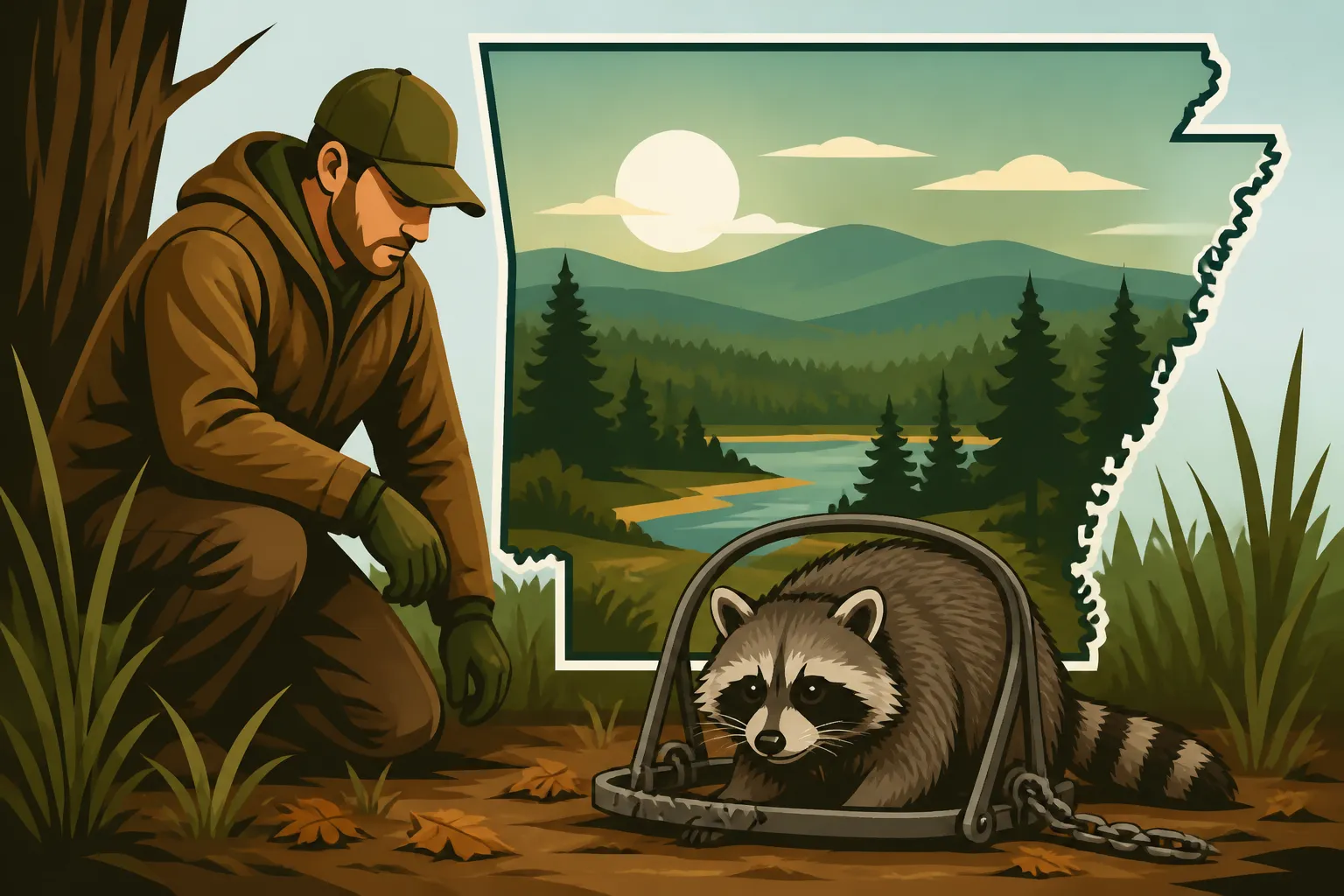
Raccoons and opossums are abundant across Arkansas, thriving in riparian zones, agricultural landscapes, and even suburban areas. These nocturnal opportunists are not particularly picky eaters, consuming everything from berries and nuts to insects, small mammals, and carrion. This makes them relatively easy to bait and trap. You'll often find them along creek banks, ditch lines, and the edges of timber blocks.
For raccoons, pocket sets, dirthole sets, and cubby sets are highly effective, especially when baited with sweet treats like marshmallows or fish-based attractants. Opossums, often found in similar habitats, will readily enter these same sets. Both species are curious and food-motivated, making them excellent targets for beginners. Their prevalence helps to keep our ecosystems balanced, but they can also become nuisance animals around homes or agricultural operations, making trapping a vital management tool.
Beaver and Muskrat
If your trapping interests lean towards the aquatic, beavers and muskrats offer a fantastic challenge. Beavers, the master engineers of the animal kingdom, are found in nearly every watershed in Arkansas, creating dams that transform landscapes. Muskrats, smaller and more secretive, share many of the same watery habitats. Both species are primarily herbivorous, feeding on aquatic vegetation, bark, and roots.
Trapping beaver and muskrat requires a different approach, often utilizing body-gripping traps or snares set in water. Look for fresh cuttings, scent mounds, dam breaches, and active runs in the water. For muskrats, focus on their feeding platforms and den entrances along banks. Because these animals spend so much time in water, properly anchored drowning sets are commonly used, which are designed to dispatch the animal quickly and humanely. The key here is to identify active sign and understand how water levels affect their movement, ensuring your sets are not just present, but strategically placed within their travel paths.
Coyote, Bobcat, and Fox
These can be the most challenging and rewarding furbearers to target. Coyotes, bobcats, and foxes are primarily carnivorous predators, playing a crucial role in regulating populations of small game and rodents. Coyotes are widespread and highly adaptable, found in almost every county, from dense forests to open farmland. Bobcats prefer denser cover, often associated with timbered areas, rocky outcrops, and brushy drainages. Foxes (both red and gray) inhabit a mix of woodland and open country.
Successful trapping for these canines and felines often involves sophisticated dirt hole sets, flat sets, and scent post sets, using urine, glands, and curiosity lures. Scent discipline is paramount, as these animals have an incredible sense of smell. Location is also critical; look for travel corridors, pinch points, and areas where multiple habitat types converge. Understanding their territorial nature and hunting patterns is key. For more specific insights into these elusive species, you might want to delve into resources like Coyote Calling in Arkansas or Bobcat Hunting in Arkansas. Using mapping tools, such as those offered by GoHunt, can be incredibly helpful for identifying these high-percentage locations, revealing subtle topographic features that funnel animal movement.
Essential Trapping Methods and Best Practices
Trapping isn't just about throwing out a trap; it's a skill that combines knowledge, patience, and ethical responsibility. Mastering the methods means understanding the environment, the animal, and the tools at your disposal to ensure a humane and effective harvest.
Scouting and Location Selection
Just like hunting, successful trapping begins long before you set your first trap, usually with extensive scouting. This is arguably the most critical phase. You need to read the landscape like an open book, identifying fresh tracks, scat, rub marks, dens, and natural funnels. Where are the animals moving? Where are they feeding? What are their preferred travel routes between bedding and feeding areas? For water furbearers, scout for active beaver dams, muskrat runs, and otter slides along creek banks or ponds.
Modern mapping applications and satellite imagery, like those found in the GoHunt platform, can be invaluable here. They allow you to virtually scout vast areas, identifying terrain features like drainage ditches, fence lines, timber edges, and creek crossings that naturally funnel animals. Pay attention to pinch points where animals are forced into a smaller corridor, or areas with abundant food sources. Fresh sign is always your best indicator of current activity, so boots on the ground remain essential. The more you know about the specific area, the better you can predict animal movement and place your traps effectively, as detailed in guides like Scouting Arkansas Public Land Before Season.
Trap Preparation and Setting
Once you've identified your locations, proper trap preparation is next. This involves more than just pulling a trap out of the box. New traps often need to be "degreased" and dyed or painted to remove factory oils and create a natural, camouflaged finish. This also helps minimize human scent. Many trappers "season" their traps by burying them in dirt or boiling them in natural dyes (like logwood or walnut hulls) to further neutralize odors and give them a weathered look.
When setting the trap, consider the animal's natural behavior. For dirt hole sets for coyotes or foxes, replicate a natural burrow. For beaver, place traps in active runs or at points of entry/exit to dens. Always ensure your trap is firmly anchored, either to a drag or a solid stake, to prevent the animal from escaping with the trap. Blend your set seamlessly with the surrounding environment, using local dirt, leaves, and sticks. The goal is for the animal to encounter the trap naturally, without suspicion. This meticulous attention to detail is what separates a consistently successful trapper from one who relies purely on luck.
Trap Checks and Animal Handling
Arkansas regulations are clear: traps must be checked regularly, typically every 24 hours. This is non-negotiable and exists for humane reasons, ensuring that any captured animal is not left suffering for an extended period. When approaching a set, do so carefully and quietly. If you have an animal in the trap, prioritize safety—for yourself and the animal. Always carry appropriate tools for dispatch (e.g., a small caliber firearm for larger animals, or a swift, humane blow for smaller ones), and know how to use them effectively and ethically.
After dispatch, handle the animal with care. The quality of the pelt depends heavily on how it's handled in the field. Prevent mud, blood, and burrs from contaminating the fur. For pelting, a clean, swift process is key, followed by proper cooling and drying. If you're targeting specific animals that require tagging, like bobcats or otters in some seasons, ensure you adhere to those requirements immediately after harvest. Knowing how to efficiently process your catch not only maximizes the value of the fur but also honors the animal you've harvested.
Practical Considerations for Trapping in Arkansas
Trapping in Arkansas isn't just about species and techniques; it also involves navigating the unpredictable elements and upholding a positive image for the trapping community. Being prepared for everything from a sudden cold snap to an unexpected encounter is part of the territory.
Weather Impacts and Safety
Arkansas weather can be famously fickle, and it significantly impacts trapping. Heavy rains can flood sets, making them ineffective or even washing them away. Freezing temperatures can lock up traps, rendering them useless. It's crucial to check weather forecasts and adjust your sets accordingly. For example, during extended dry spells, certain dirthole sets might lose their effectiveness as scent dissipates faster. In icy conditions, traps need to be meticulously cleared or placed in areas less prone to freezing.
Beyond effectiveness, weather also plays a huge role in your personal safety. Navigating flooded timber or icy terrain with traps and equipment can be hazardous. Always let someone know where you're trapping and when you expect to return. Dress in layers, carry essential survival gear, and be prepared for sudden changes in temperature or precipitation. A cold, wet morning can quickly turn into a dangerous situation if you're not properly equipped or vigilant.
Dealing with Non-Target Catches
It's an unfortunate but realistic part of trapping: sometimes, you'll catch something you didn't intend to. This could be a domestic pet, a protected species, or another furbearer that is out of season. Knowing how to safely and legally handle these situations is paramount. In Arkansas, if you catch a non-target animal, you are legally obligated to release it unharmed if possible. This often requires specialized tools and calm, deliberate movements to avoid injuring yourself or the animal.
For certain species, particularly protected ones or those not in season, you might need to contact the AGFC immediately for guidance. Never attempt to remove a legally protected animal from a trap without explicit instructions from wildlife officials. Responsible trappers understand these risks and are prepared for them, ensuring that even in these challenging situations, the welfare of the animal and adherence to the law remain the top priority. Serious violations can lead to stiff Arkansas Wildlife Violation Penalties, so acting responsibly is key.
Ethical Trapping and Public Perception
The future of trapping in Arkansas, and across the nation, hinges on maintaining a strong ethical foundation and a positive public image. As trappers, we are stewards of the land and its wildlife. Employing humane trap types, checking traps frequently, and using target-specific sets are not just legal requirements; they are ethical imperatives. Every action we take reflects on the entire trapping community.
Open communication and responsible behavior can help dispel misconceptions about trapping. If you encounter curious members of the public, take the opportunity to educate them about the role of trapping in wildlife management, conservation, and nuisance control. The AGFC works hard to promote responsible practices, and as individual trappers, we have a vital role in upholding those standards. By being knowledgeable, ethical, and respectful of both wildlife and public opinion, we ensure that trapping remains a valued and viable part of Arkansas's rich outdoor heritage. If you ever witness unethical or illegal activity, do not hesitate to report it to the authorities, as discussed in Reporting a Poacher in Arkansas.
| Furbearer Species | Typical Season (Check AGFC Annually) | Preferred Trap Types (Common) | Notes on Habitat/Behavior |
|---|---|---|---|
| Raccoon | Late Fall – Late Winter | Footholds, Dog Proof Traps | Near water, agricultural, nocturnal |
| Opossum | Late Fall – Late Winter | Footholds, Box Traps | Generalist, nocturnal, often near human habitation |
| Beaver | Late Fall – Early Spring | Body Grips (Conibear), Snares | Aquatic, dam builders, timber cutters |
| Muskrat | Late Fall – Early Spring | Body Grips, Footholds | Aquatic, bank dwellers, vegetarians |
| Coyote | Year-Round (Private Land), Varies (Public) | Footholds, Snares, Enclosures | Highly adaptable, widespread, opportunistic predators |
| Bobcat | Late Fall – Late Winter | Footholds, Snares, Enclosures | Dense cover, rocky areas, secretive |
| Fox (Red/Gray) | Late Fall – Late Winter | Footholds, Snares | Mixed woodlands & open country, elusive |
| River Otter | Late Fall – Early Spring | Body Grips, Footholds, Snares | Aquatic, excellent swimmers, prefer clear water |
Disclaimer
The information provided in this guide is for general informational purposes only and is not intended as legal advice. Hunting and trapping regulations, including license requirements, season dates, and bag limits, are subject to change by the Arkansas Game and Fish Commission (AGFC). It is the responsibility of each individual hunter and trapper to consult the most current AGFC regulations and obtain all necessary licenses and permits before engaging in any hunting or trapping activities. Always prioritize safety, ethical practices, and adherence to all applicable laws.