When the Arkansas Elk Hunts Run
For many hunters, the dream of calling in a bugling bull elk echoes in the back of their minds, a challenge made even more enticing by the limited opportunities available. If you've ever wondered when exactly those coveted Arkansas elk hunts run, and how you might even get your foot in the door, you've hit the right spot. This guide will walk you through the precise timing of Arkansas's unique elk hunting seasons, from application deadlines to the actual hunt periods, ensuring you have all the dates squared away for your shot at a truly memorable experience.
Understanding the Arkansas Elk Hunt Calendar
Arkansas isn't typically the first state that comes to mind when you think of elk hunting, but nestled in the Ozark Mountains, specifically around the Buffalo National River, a thriving elk herd offers a truly special opportunity. These hunts are highly controlled through a permit lottery system, making understanding the calendar absolutely crucial, not just for the hunting dates themselves, but for the entire application process. Missing a deadline means missing your chance entirely, and believe me, that's a frustration no hunter wants to endure.
Key Application Deadlines and Draw Dates
The journey to an Arkansas elk hunt begins long before the leaves start to turn, usually in late spring or early summer. The Arkansas Game and Fish Commission (AGFC) typically opens the application period for the public elk permit draw sometime in May, running through early June. It's a relatively short window, so you need to be on top of it. For instance, in recent years, the application period often closes around June 1st. You can apply online through the AGFC website, and there's usually a small application fee, which helps fund wildlife conservation efforts. This is where tools like GoHunt can be incredibly helpful for keeping track of these crucial dates across multiple states, ensuring you don't miss that narrow window to apply for an Arkansas elk permit.
Once the application period closes, there's a nervous wait. The actual drawing of permits is a major event, often taking place in late June or early July, typically coinciding with the annual Buffalo River Elk Festival in downtown Jasper. This festival is a fantastic celebration of the elk and the heritage of the region, and it’s where the names of the lucky few are publicly drawn. If you're fortunate enough to have your name called, it's a moment of pure excitement, signaling the start of your real preparations. It's important to remember that this draw determines a very limited number of permits, making the odds tough but the reward immense. You can read more about How Arkansas Elk Permits Are Drawn to get a better sense of the process.
Overview of the Hunt Periods
After the draw, the real excitement builds for the actual hunt periods. Arkansas divides its elk hunting into specific, short seasons to manage the herd effectively and provide quality hunting experiences. Typically, there are two primary hunt periods each year. The first hunt usually kicks off in late September or very early October. This period often aligns with the tail end of the elk rut, meaning there’s a chance you might hear some bugling, especially in the crisp mornings and evenings. Imagine being in the Ozarks, the fall colors just starting to pop, and the sound of a bull elk echoing through the hollows – it’s what dreams are made of.
The second hunt period generally occurs later in October, often mid-month. This time of year usually sees cooler temperatures, and while the intense bugling of the rut might have tapered off, elk are still very active, feeding heavily in preparation for winter. Both hunt periods are relatively short, typically lasting only a few days to a week. This brevity adds to the challenge and the excitement, as hunters must make the most of every precious moment in the field. The exact dates can shift slightly from year to year, so always confirm with the most current AGFC regulations well in advance. Understanding Arkansas Elk Permit Application Dates is just the first step; knowing these hunt windows is the next critical piece of the puzzle.
Here's a quick overview of the typical timeline for planning an Arkansas elk hunt:
| Event | Typical Month/Period | Key Action |
|---|---|---|
| Application Period Opens | May | Submit your application online via AGFC |
| Application Period Closes | Early June | Double-check deadlines, don't miss out! |
| Permit Draw Event | Late June / Early July | Attend the Buffalo River Elk Festival or watch online |
| First Hunt Period | Late September / Early October | Focus on pre-rut/rut activity and scouting |
| Second Hunt Period | Mid-October | Colder weather, feeding patterns are key |
Deciphering the Hunt Zones and Permit Types
Navigating the nuances of Arkansas's elk hunt isn't just about knowing when to apply or when the seasons run; it's also about understanding where you can hunt and what kind of permit you might draw. The AGFC manages these hunts with a careful eye on population control and providing diverse opportunities, which translates into specific zones and permit types. It's not a one-size-fits-all situation, and being aware of these distinctions can significantly impact your hunting strategy and expectations.
Public Land vs. Private Land Permits
One of the most significant distinctions in the Arkansas elk lottery is whether you draw a public land or a private land permit. The majority of elk hunting interest, understandably, revolves around public lands, particularly within the designated Elk Management Zone in the Ozark National Forest and surrounding areas. These public land permits are highly sought after because they offer access to vast tracts of land, allowing hunters to truly immerse themselves in the wilderness experience, reminiscent of hunting big game out West. These hunts require extensive scouting and preparation, but the feeling of earning an elk on public ground is unparalleled.
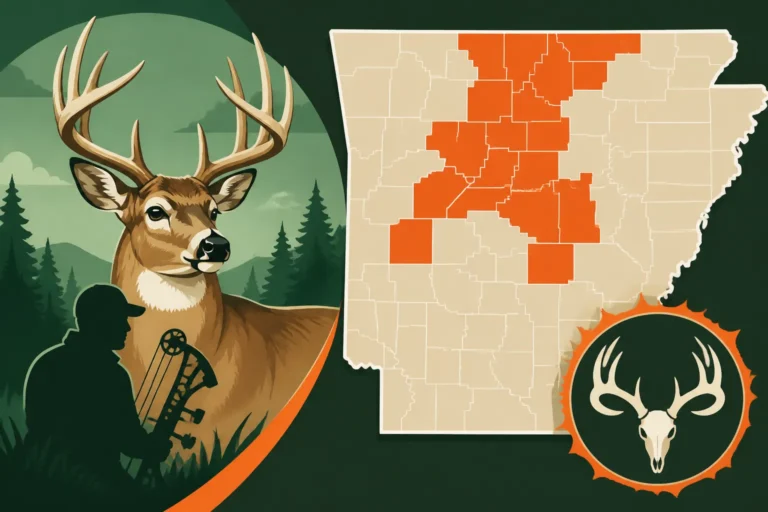
However, the AGFC also allocates permits for hunting elk on private lands within the Elk Management Zone. These private land permits are often distributed with the cooperation of landowners who experience elk crop damage or want to participate in herd management. While hunting private land might sound easier, it still requires hunters to secure explicit permission from the landowner after drawing the permit. This means that even with a private land permit, your hunt isn't guaranteed until you've lined up a place to go. Some hunters prefer this, as it can offer a more controlled environment and potentially higher success rates if they've established a good relationship with a landowner. For a deeper dive into the areas, check out Arkansas Elk Hunt Zones. Both types of permits are extremely limited, reinforcing the idea that any Arkansas elk tag is a true trophy in itself.
Antlered vs. Antlerless Opportunities
Beyond the land type, elk permits are also categorized by the sex of the animal you're allowed to harvest. The most coveted permits, of course, are for antlered bulls. Drawing one of these is akin to winning the lottery itself, as it grants you the chance to pursue a magnificent bull elk, a true testament to the success of Arkansas's elk restoration efforts. These hunts often take place during the early hunt period when bulls are more likely to be bugling and presenting themselves. The challenge and thrill of chasing a bull elk in the rugged Ozarks are experiences many hunters only dream about.
However, a significant portion of the permits issued are for antlerless elk, which means either cows or calves. While perhaps not as glamorous as a bull tag, antlerless hunts are incredibly important for herd management. Harvesting antlerless elk helps control population growth, reduces crop damage on private lands, and helps maintain a healthy buck-to-doe ratio. These permits are crucial for the long-term sustainability of the herd and offer a fantastic opportunity to put some high-quality meat in the freezer. Don't underestimate the challenge of an antlerless hunt; elk are incredibly wary animals, and successfully harvesting one requires skill and patience. Understanding the difference between Either-Sex Versus Antlerless Elk Permits is critical when you're looking at the draw results. Sometimes, antlerless permits might be available in higher numbers or have slightly better draw odds, offering a more accessible entry point into Arkansas elk hunting.
Strategies for Planning Your Elk Hunt After Drawing a Tag
Drawing an Arkansas elk permit is an incredible achievement, but the work doesn't stop there. In fact, it's just the beginning of a focused effort to make the most of your rare opportunity. Proper planning and preparation are paramount, especially given the challenging terrain of the Ozarks and the elusive nature of elk. Rushing into the hunt without a solid strategy can lead to disappointment, so let's talk about how to maximize your chances once that coveted tag is in hand.
Pre-Season Scouting and Preparation
Once you've secured a permit, your first priority should be serious pre-season scouting. This isn't just a casual walk in the woods; it's a dedicated effort to understand the elk's movements, feeding patterns, and bedding areas. The terrain around the Buffalo National River can be incredibly steep and rugged, so physical fitness is a must. If you have a public land tag, utilize online mapping tools like GoHunt, which often have satellite imagery, topographical maps, and public/private land overlays to help identify potential access points, water sources, and pinch points where elk might travel. Focus on finding fresh sign – tracks, scat, rubs, and wallows – to pinpoint active areas. Remember that elk move, so what was a hot spot last month might be cold next week. Consistent scouting, right up until the season, will give you the most current information. You might even consider setting up some trail cameras, if allowed, in strategic locations to monitor movement patterns.
Beyond physical scouting, preparation also involves gear checks and practice. Ensure your rifle is sighted in and you're comfortable shooting at various distances and angles, as shots in mountainous terrain can be tricky. Pack reliable hiking boots, layers of clothing suitable for changing weather, and plenty of water. Knowing the topography and practicing navigation with a GPS or a compass and map will be invaluable. The better prepared you are physically and mentally, the more enjoyable and successful your hunt will likely be. This thoroughness is similar to how one might approach Scouting Arkansas Public Land Before Season for deer or other game, but amplified for the scale and challenge of elk.
Navigating the On-Site Permit Opportunities
While the vast majority of permits are awarded through the statewide draw, there's a unique wrinkle in the Arkansas elk hunting process: the on-site permit opportunities at the Buffalo River Elk Festival. The AGFC typically reserves a handful of permits to be drawn in person at the festival itself. This provides another chance for hunters who weren't successful in the main online draw, or those who simply enjoy the festival atmosphere and want to try their luck live. It’s a real social event, bringing together hunters, conservationists, and elk enthusiasts from all over.
To participate in the on-site draw, you generally need to be present at the festival and register in person. The specific rules, including eligibility and the exact number of permits offered, are announced by the AGFC closer to the festival date. While the odds for these few permits are still long, it's a truly exciting experience, adding a layer of drama and community to the hunt for these majestic animals. Many folks make a weekend out of it, enjoying the music, food, and camaraderie, all while holding out hope for that golden ticket. If you're passionate about elk hunting and missed the main draw, attending the festival for an On-Site Elk Permits at the Elk Festival is a viable and fun way to pursue that dream.
Disclaimer
Please note that hunting regulations, season dates, and permit application processes can change. While this guide provides general information based on typical patterns, it is crucial for all hunters to consult the official Arkansas Game and Fish Commission (AGFC) regulations annually before planning any hunt. The AGFC website and current hunting guide are the definitive sources for all legal requirements and dates.