Arkansas Bear Zone Quotas Explained
There’s nothing quite like the thrill of planning an Arkansas bear hunt, only to be met with the gnawing uncertainty of whether your chosen zone might suddenly close due to harvest quotas. It’s a frustrating reality many hunters face, navigating dynamic regulations that can change on a dime. This guide is here to shed light on Arkansas’s bear zone quota system, explaining how it works and what you need to know to stay informed and make the most of your time in the woods.
Understanding Arkansas Bear Hunting Zones
Before we dive into the nitty-gritty of quotas, it’s essential to grasp the fundamental concept of bear hunting zones in Arkansas. The state's black bear population has experienced a remarkable recovery, a true conservation success story, but managing that success requires careful planning and localized strategies.
The Rationale Behind Zone Quotas
The Arkansas Game and Fish Commission (AGFC) doesn’t just pull numbers out of a hat; there's a very scientific and practical reason behind implementing zone-specific harvest quotas. These quotas are a critical tool for population management, ensuring the long-term health and sustainability of the black bear population across different regions of the state. Arkansas's black bear population has grown significantly since its reintroduction efforts in the 1950s and 60s, a story of perseverance and dedicated conservation. By setting quotas, the AGFC can spread out hunting pressure, prevent overharvest in localized areas, and respond to varying population densities and biological needs. It’s about striking that delicate balance where hunters can enjoy a challenging pursuit while contributing to a healthy, thriving bear population. Without this careful management, concentrated hunting pressure in certain areas could quickly deplete local bear numbers, undermining years of hard work.
Overview of Arkansas Bear Zones
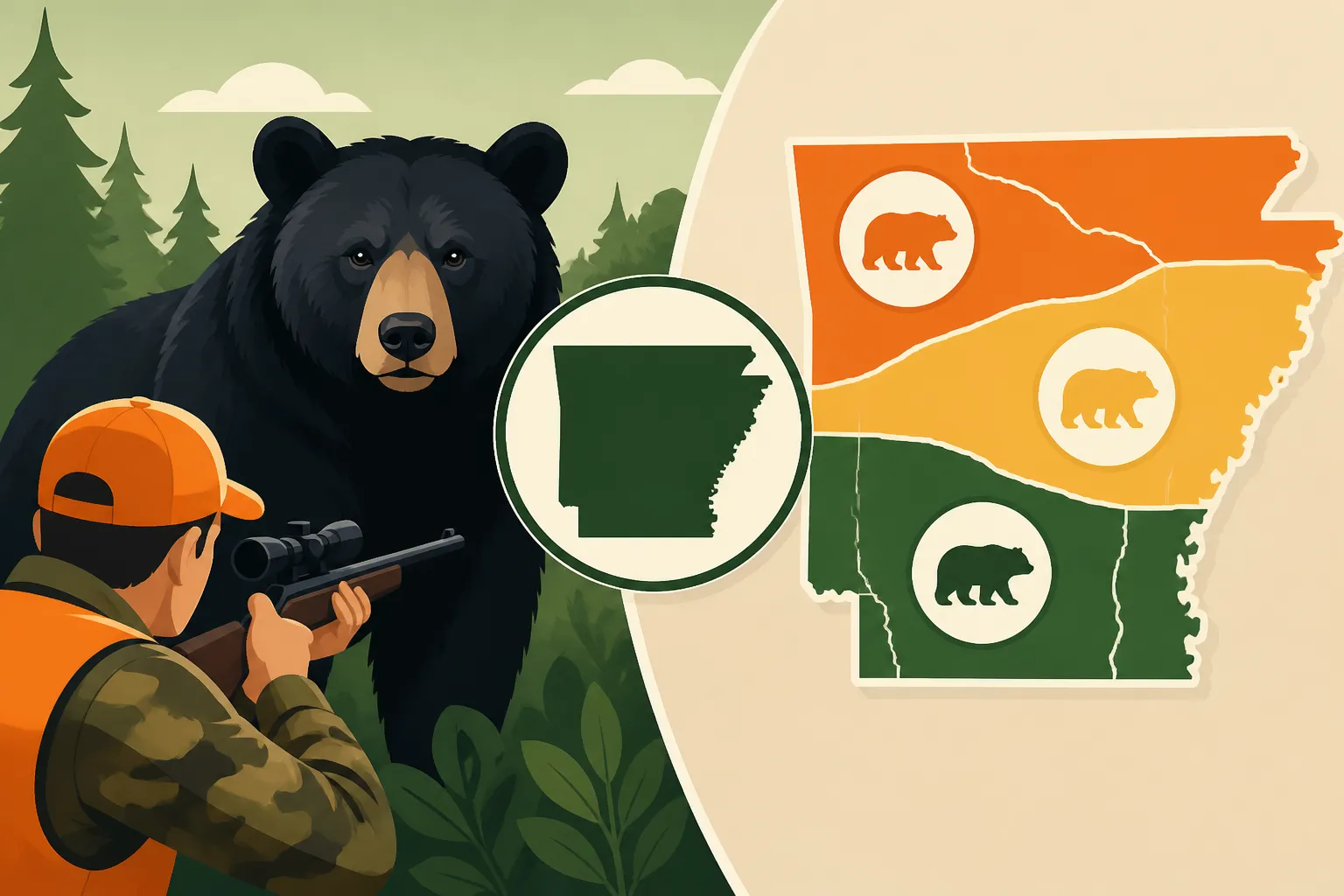
Arkansas is divided into distinct bear hunting zones, primarily reflecting the state's major mountain ranges and bear habitats. Currently, the most prominent are Bear Zone 1 and Bear Zone 2. Bear Zone 1 generally encompasses the rugged and vast Ozark National Forest, stretching across much of northern Arkansas. This zone is known for its dense forests, deep hollows, and abundant mast crops, providing excellent bear habitat. Meanwhile, Bear Zone 2 covers the Ouachita National Forest in the western-central part of the state, an equally challenging landscape of pine plantations and mixed hardwoods. These zones are not just lines on a map; they represent distinct ecological units where bear populations might behave differently, face unique challenges, and require tailored management approaches. Understanding which zone you’re hunting in is the first step, as all subsequent regulations, including quotas, are tied directly to these geographical boundaries.
How Arkansas Bear Zone Quotas Work
The quota system can feel a bit like a moving target, adding an extra layer of complexity to bear hunting. However, once you understand the mechanism, it becomes much easier to navigate and plan your hunt effectively.
The Quota System Explained
At its core, a bear zone quota is a pre-determined maximum number of bears that can be legally harvested from a specific zone during a given season. These aren't just suggested limits; they are hard caps. The AGFC meticulously tracks the harvest in real-time as bears are checked in by hunters. Once the total number of checked bears within a particular zone reaches its established quota, that zone is immediately closed to further bear hunting for the remainder of the season. This system ensures that the overall harvest stays within sustainable limits, preventing any single zone from being over-pressured. It's a proactive measure designed to protect the resource while still providing ample hunting opportunity. The mandatory check-in process is the linchpin of this system, allowing the AGFC to gather accurate data and make timely decisions about zone closures.
Checking if a Bear Zone is Open
This is arguably the most critical piece of information for any Arkansas bear hunter. Because zones can close without much advance warning, it is absolutely essential to check the current status of your chosen bear zone daily when the season is open or anticipated to open. The primary and most reliable source for this information is the Arkansas Game and Fish Commission website, specifically their dedicated bear harvest update page. They also typically operate a phone hotline during bear season that provides real-time updates.
Many hunters also rely on the official AGFC app, which can provide push notifications or quick access to the latest harvest numbers and closures. Failing to check and continuing to hunt in a closed zone can lead to severe penalties, including fines, license revocation, and the confiscation of your harvested bear. It's simply not worth the risk. Some mapping and hunting intelligence platforms, like GoHunt, can be incredibly useful resources. While they might not be the official closing mechanism, they often provide excellent mapping layers that show zone boundaries, and sometimes they can integrate or link to official AGFC updates, helping you visualize your position relative to open or closed areas. Always cross-reference with the official AGFC channels.
Factors Influencing Quota Numbers
The AGFC doesn't randomly assign quota numbers. These figures are the result of extensive biological research and data analysis, taking into account several critical factors. Annually, biologists conduct population estimates through various methods, including trap-and-release studies, den surveys, and harvest data from previous seasons. The availability of natural food sources, particularly the mast crop (acorns and other nuts), plays a huge role. A poor mast year can mean bears are more active and vulnerable, potentially leading to a higher harvest, which might result in a lower quota the following year.
Conversely, a bumper mast crop might allow for a slightly higher quota, as bears are less likely to be concentrated around bait sites or human-occupied areas. Historic harvest data, including the number of bears taken, their age, and sex ratios, also informs the quota-setting process. This data helps the AGFC understand population trends and the impact of previous hunting seasons. It’s a dynamic process, and quotas can, and often do, change from one year to the next based on these ongoing assessments, always with the primary goal of ensuring the long-term health and stability of the black bear population.
Navigating the Hunt with Quotas in Mind
Hunting with a quota system requires a bit more foresight and adaptability than seasons with fixed dates. It means being prepared for unexpected changes and staying connected to information.
Planning Your Bear Hunt Strategy
When planning your bear hunt in Arkansas, especially in a quota zone, flexibility is key. It’s wise to have a primary hunting area and a backup plan in a different zone, just in case your first choice closes unexpectedly. If you're targeting the Ozarks, for instance, you might want to consider familiarizing yourself with parts of the Ouachita National Forest as a secondary option. Scouting is always crucial, but it takes on added importance here. You might find that one area has a lot of sign but limited access, making it less appealing if you only have a day or two before a potential closure. Resources like GoHunt can be invaluable for scouting, offering detailed topographic maps, public land boundaries, and satellite imagery that helps you identify promising habitat and access points within different zones, allowing for more informed decision-up to the minute information to help you plan your moves.
Consider scheduling your hunt earlier in the season if possible. While there's no guarantee, zones tend to stay open longer at the beginning of the season. However, this also means potentially dealing with warmer weather, which impacts things like meat care, as discussed in Field Dressing in Arkansas Heat. Having a game plan for Hunting Arkansas Bear Over Natural Food or understanding the Bear Baiting Rules and Tactics in Arkansas for your specific zone can also dictate your strategy.
Importance of Prompt Bear Checking
The integrity of Arkansas’s bear quota system hinges entirely on the prompt and accurate checking of harvested bears. As a hunter, it is your legal and ethical responsibility to check your bear as quickly as possible after harvest. This usually means physically presenting the bear or its hide and skull to an authorized AGFC check station or utilizing the AGFC's online or telecheck system, if available for bears. The data collected during this check-in process—location of harvest, date, sex, and sometimes age—is immediately fed into the AGFC’s real-time monitoring system.
Any delay in checking your bear can skew the live harvest count, potentially leading to a zone remaining open longer than it should, or creating confusion about the actual number of bears taken. The AGFC relies on this real-time data to make the call to close a zone the moment its quota is met. Failure to check your bear according to regulations isn't just a technicality; it’s a violation that can result in significant fines and penalties, and it compromises the very management system designed to protect the resource for future generations. For more details, refer to the Arkansas Bear Checking Requirements.
Ethical Considerations and Conservation
Beyond the rules and regulations, hunting within a quota system ties directly into the broader ethical responsibilities of a conservation-minded hunter. Understanding why these quotas exist—to maintain a healthy, stable bear population—fosters a deeper respect for the animal and the management efforts. Hunters play an undeniable role in this conservation success story. By adhering strictly to the quota system, checking bears promptly, and staying informed, you are actively contributing to the sustainable future of black bear hunting in Arkansas. It's about respecting the resource, respecting fellow hunters, and upholding the rich tradition of ethical hunting. Being a responsible hunter means doing your part to ensure that future generations will also have the opportunity to experience the challenge and reward of Black Bear Hunting in Arkansas.
| Bear Zone | Primary Geographical Area | Typical Habitat | General Quota Approach (Check AGFC!) | Key Hunting Strategy |
|---|---|---|---|---|
| Zone 1 | Ozark National Forest | Dense Forests, Hilly Terrain, Hardwoods | Moderately Conservative | Scouting for mast, still-hunting, calling |
| Zone 2 | Ouachita National Forest | Pine Plantations, Mixed Hardwoods, Deep Hollows | Moderately Conservative | Bear baiting (where allowed), strategic stand placement |
Always consult the official Arkansas Game and Fish Commission website or hotline for the most current and accurate bear zone quotas and closure information. Remember, the specific quotas are dynamic and can change annually based on biological assessments. You'll want to review the latest Arkansas Bear Seasons and Zone Quotas to ensure you're up to date.
Disclaimer
Please remember that hunting regulations and season dates can change. Always consult the latest official guidebooks and resources from the Arkansas Game and Fish Commission (AGFC) before planning or engaging in any hunting activity. This content is for informational purposes only and does not constitute legal advice or an official endorsement of any hunting method or product.