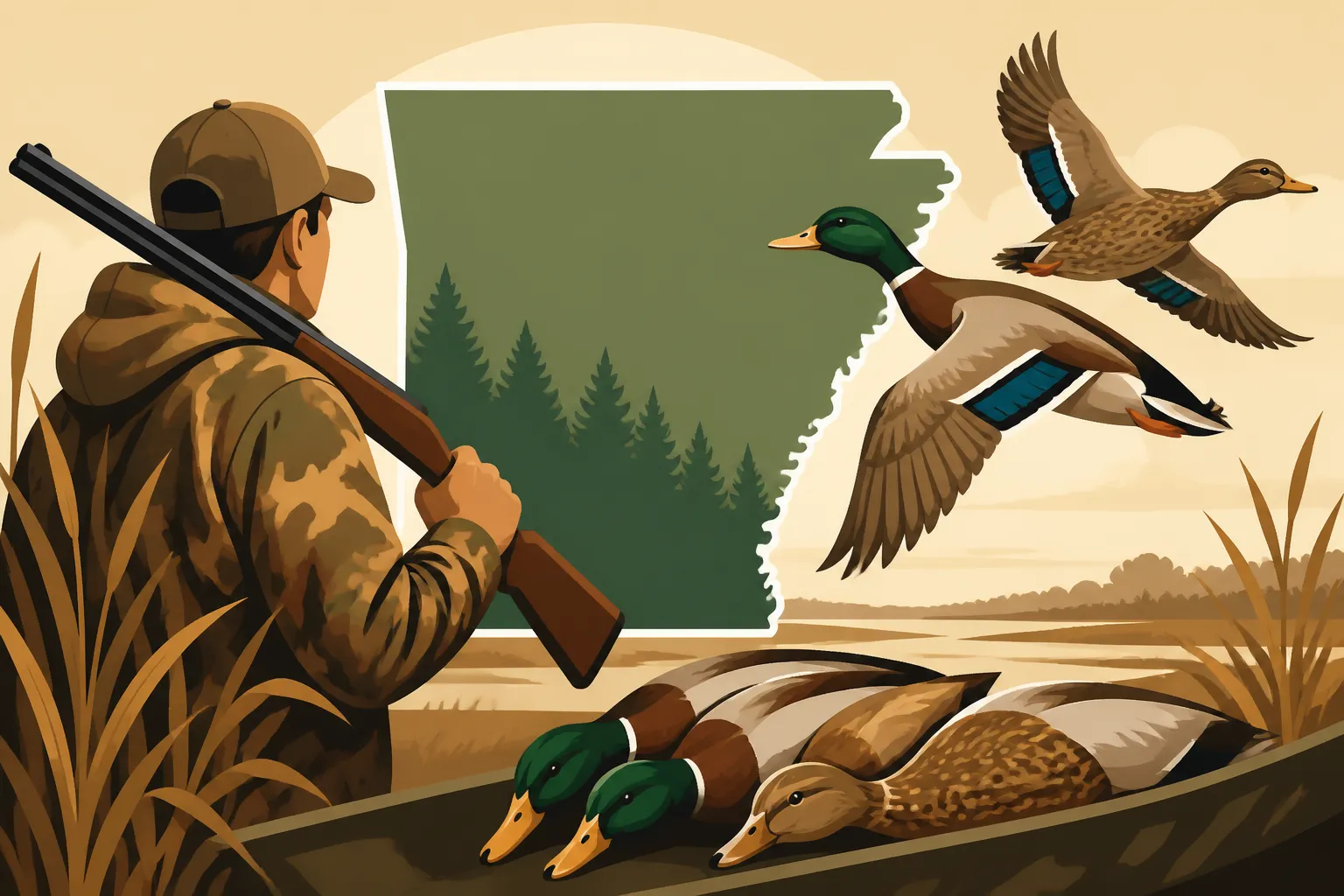
Arkansas Duck Daily Bag Limit
It's easy to get caught up in the excitement of a duck hunt in Arkansas, especially when the birds are working and the calls are hot. But before you know it, that exhilaration can turn into confusion or, worse, a violation if you're not absolutely clear on the daily bag limits. It's not just about the total number of ducks; it's also about knowing the specific species restrictions that can make or break your hunt. This guide is here to untangle all those rules for you, ensuring you understand the ins and outs of the Arkansas duck daily bag limit so you can focus on making memories, not mistakes.
Understanding the Arkansas Duck Daily Bag Limit
When you head out into the flooded timber or a sprawling rice field in Arkansas, the goal is often a limit of ducks. But what exactly does that "limit" entail? It’s a bit more nuanced than simply counting six birds in the bag. The Arkansas Game and Fish Commission (AGFC) sets both an overall daily limit and specific limits for certain species, all designed to ensure healthy populations for future seasons. Failing to understand these can turn a successful hunt into a frustrating encounter with a game warden.
The General Daily Bag Limit
The first thing to commit to memory is the overall daily bag limit for ducks in Arkansas, which is six. This means, no matter what combination of legal duck species you harvest, you cannot exceed a total of six birds in a single day. This six-duck ceiling applies across all species that are open to harvest. Think of it as your absolute maximum capacity.
However, this isn't a free-for-all where you can shoot any six ducks you see. The real complexity, and where many hunters get tripped up, lies in the species-specific restrictions. For example, if you're in a blind on a cool November morning and you've already bagged your two hen mallards, even if you still have four slots left in your general six-duck limit, you cannot shoot another hen mallard. It's about combining the overall limit with the individual species caps. It's a system that takes a bit of practice and quick identification, but it's vital for ethical hunting and staying within the law.
Species-Specific Limits and How They Work
This is where your duck identification skills really come into play. Within that general six-duck daily limit, there are stricter sub-limits for particular species, which means you might reach a limit on one type of duck long before you hit your overall six-bird total. These species-specific limits are put in place for conservation reasons, often to protect species with lower populations or those that are more susceptible to harvest pressure.
Let's break down some of the most common species limits you'll encounter during a typical Arkansas duck season:
- Mallards: A classic target in the Arkansas Delta, mallards have a limit of four per day, but with a critical caveat: no more than two of those four can be hens. Those beautiful greenhead drakes are often abundant, but those brown hens are tightly controlled.
- Pintails: Known for their elegant appearance, pintails are often limited to just one per day. Spotting one is a treat, but you'll need to resist the urge if you've already filled that single slot.
- Canvasbacks: Often found on larger bodies of water or the deep green timber holes, the limit for canvasbacks is usually two per day. They're a prized bird, but make sure you know your target before you shoot.
- Redheads: Similar to canvasbacks, redheads often have a daily limit of two.
- Black Ducks: These dark-plumaged birds, which sometimes frequent the same habitats as mallards, usually have a daily limit of two.
- Mottled Ducks: Often found in coastal regions, a mottled duck limit is typically one per day in Arkansas.
- Wood Ducks: A stunning bird often found in timbered sloughs, wood ducks typically have a generous limit of three per day within your overall six.
- Scaup (Bluebills): Both Lesser and Greater Scaup usually have a daily limit of two, but sometimes this limit has seasonal restrictions, so always check the current regulations.
It's absolutely crucial to remember that these species-specific limits are part of your overall six-duck limit. They do not add to it. For instance, if you shoot two mallard hens, two mallard drakes, and one pintail, you've already harvested five ducks. You only have one duck left in your general limit, and that remaining duck cannot be a pintail, canvasback, redhead, or mottled duck because you've already hit or exceeded those specific species limits. This is why quick identification and a mental tally are paramount when you're afield, especially when Hunting Arkansas Flooded Green Timber or Field and Flooded Rice Duck Hunting in the Delta.
Here's a quick reference table for common daily bag limits in Arkansas:
| Species | Daily Limit | Notes |
|---|---|---|
| Total Ducks (Overall) | 6 | No more than six ducks in total |
| Mallards | 4 | No more than 2 hens |
| Pintail | 1 | |
| Canvasback | 2 | |
| Redhead | 2 | |
| Black Duck | 2 | |
| Mottled Duck | 1 | |
| Wood Duck | 3 | |
| Scaup (Bluebills) | 2 | Check regulations for any seasonal splits |
Remember, these numbers are subject to change year to year, so always confirm with the most current AGFC regulations before each season.
Common Pitfalls and How to Avoid Them
Even seasoned duck hunters can find themselves in a bind if they're not diligent. The fast pace of duck hunting, combined with varying light conditions and the sheer excitement, can lead to mistakes. Knowing the common pitfalls beforehand can help you develop strategies to avoid them.
Identifying Ducks in Hand Versus in Flight
One of the biggest challenges for duck hunters, especially those new to the game or visiting Arkansas for the first time, is accurately identifying ducks in flight. It's one thing to look at a field guide picture of a mallard drake, but it's another entirely to correctly identify a hen mallard flying rapidly through thick fog or low light conditions. Hen mallards, in particular, are often mistaken for other duck species, and since their limit is often the most restrictive (usually two), misidentification can quickly lead to an over-limit.
To combat this, practice is key. Spend time during the off-season studying duck identification guides. Watch videos of ducks flying. If you have the opportunity, visit local wetlands or refuges to observe ducks in person. Pay attention to wing beats, flight patterns, size, and unique markings. On a hunt, err on the side of caution. If you're not 100% certain of the species, especially if you suspect it might be a hen mallard or a single pintail, hold your shot. A missed opportunity is always better than a violation. When you're Calling Ducks in Tight Arkansas Timber, the birds can be on you in a flash, making quick ID skills even more crucial.
The "Possession Limit" Versus Daily Limit
Another critical distinction that often confuses hunters is the difference between a "daily bag limit" and a "possession limit." The daily bag limit, as we've discussed, is the maximum number of ducks you can harvest in a single calendar day. The possession limit, however, refers to the maximum number of migratory game birds you can have in your physical possession at any given time, including those stored at home, in camp, or transported in your vehicle, after two or more days of hunting.
In Arkansas, the possession limit for ducks is typically three times the daily bag limit. So, if the daily limit is six ducks, your possession limit would be 18 ducks. This is particularly relevant for hunters taking part in multi-day hunts, especially those visiting iconic duck hunting destinations like Stuttgart or staying at a lodge. You might shoot a limit of six ducks on Friday, and another six on Saturday, but you cannot legally shoot more on Sunday if your combined total exceeds 18 (your possession limit).
It’s easy to accumulate birds quickly over a long weekend. Always keep a running tally of the birds you've harvested and ensure you're aware of your possession limit. If you're staying at a hunting lodge, make sure to properly tag and store your birds to reflect the day they were harvested. This helps ensure compliance if a game warden performs a check. Many lodges offer excellent services for cleaning and packaging birds, making it easier to manage your possession limit responsibly. Always consult the official AGFC regulations for specific possession limits, as these can occasionally vary.
Staying Informed and Legal on Every Hunt
The rules and regulations for hunting can sometimes feel like a moving target, with updates and changes occurring annually. For duck hunters in Arkansas, staying on top of these regulations isn't just a recommendation, it's a legal and ethical obligation. Being well-informed ensures a stress-free hunt and contributes to the long-term health of our waterfowl populations.
Essential Resources for Up-to-Date Regulations
The most authoritative source for all Arkansas hunting regulations, including duck daily bag limits and season dates, is the Arkansas Game and Fish Commission (AGFC). Before you even think about heading out for the season, you should make it a priority to:
- Read the Latest Hunting Guidebook: The AGFC publishes a new migratory bird hunting guidebook annually. These are available online on the AGFC website (www.agfc.com) and in print at license vendors across the state. This comprehensive guide covers all seasons, limits, zones, and special rules, including specifics on Arkansas Duck Season Splits.
- Check the AGFC Website Regularly: The AGFC website is continuously updated with any late-breaking changes or clarifications. It’s a good practice to check it periodically, even during the season, especially for things like Arkansas WMA Duck Hunt Draws or special youth hunt days.
- Download the AGFC App: The official AGFC app is an invaluable tool for any hunter in Arkansas. It often provides access to regulations, hunting zone maps, and even allows for checking game directly from your phone.
- Consider Third-Party Hunting Apps: While AGFC resources are primary, tools like GoHunt can be fantastic for overlaying land ownership, WMA boundaries, and even historical harvest data, helping you plan your hunts more effectively and understand the context of the regulations. While GoHunt is traditionally strong in western big game, its mapping capabilities are universally helpful for understanding hunting areas and navigating public lands in Arkansas, allowing you to cross-reference with official AGFC regulations.
Never rely on outdated information or hearsay from a buddy. Regulations can change year to year, and what was legal last season might not be this season. Taking a few minutes to confirm the current rules is a small investment for a legal and enjoyable hunt. This diligence is especially important when you're preparing for Arkansas Hunter Education and Safety Rules and ensuring you're squared away on all fronts.
Ethical Considerations and Conservation
Beyond the legal requirements, understanding and adhering to bag limits is fundamentally an ethical consideration and a core part of conservation. The limits aren't arbitrary; they are carefully determined by wildlife biologists using population data, breeding success rates, and migration patterns to ensure sustainable harvest levels. Every duck you harvest, or choose not to harvest, plays a role in the overall health of the population.
As hunters, we are the primary stewards of wildlife. Respecting bag limits demonstrates our commitment to responsible hunting and helps ensure that future generations can enjoy the incredible duck hunting opportunities Arkansas offers. This includes making ethical decisions in the field, like:
- Positive Identification: Only shoot at birds you can positively identify as a legal species and gender, especially if it's a hen mallard or another restricted bird.
- Don't Waste Game: Ensure every bird harvested is retrieved and properly utilized. Avoid "sky-busting" or taking shots at extreme ranges that lead to wounded or lost birds.
- Report Violations: If you witness someone intentionally violating bag limits or other regulations, it's our duty to report it to the AGFC. Protecting our shared resource is a responsibility we all share.
By thoroughly understanding the Arkansas duck daily bag limit, utilizing the available resources, and always hunting ethically, you contribute to the rich tradition of waterfowl hunting in the Natural State and help preserve it for years to come.
Disclaimer
Please remember that hunting regulations, including bag limits and season dates, are subject to change by the Arkansas Game and Fish Commission (AGFC). While this guide provides comprehensive information, it is your responsibility as a hunter to consult the most current official AGFC hunting regulations booklet and website before participating in any hunting activity. This content is for informational purposes only and should not be considered legal advice.