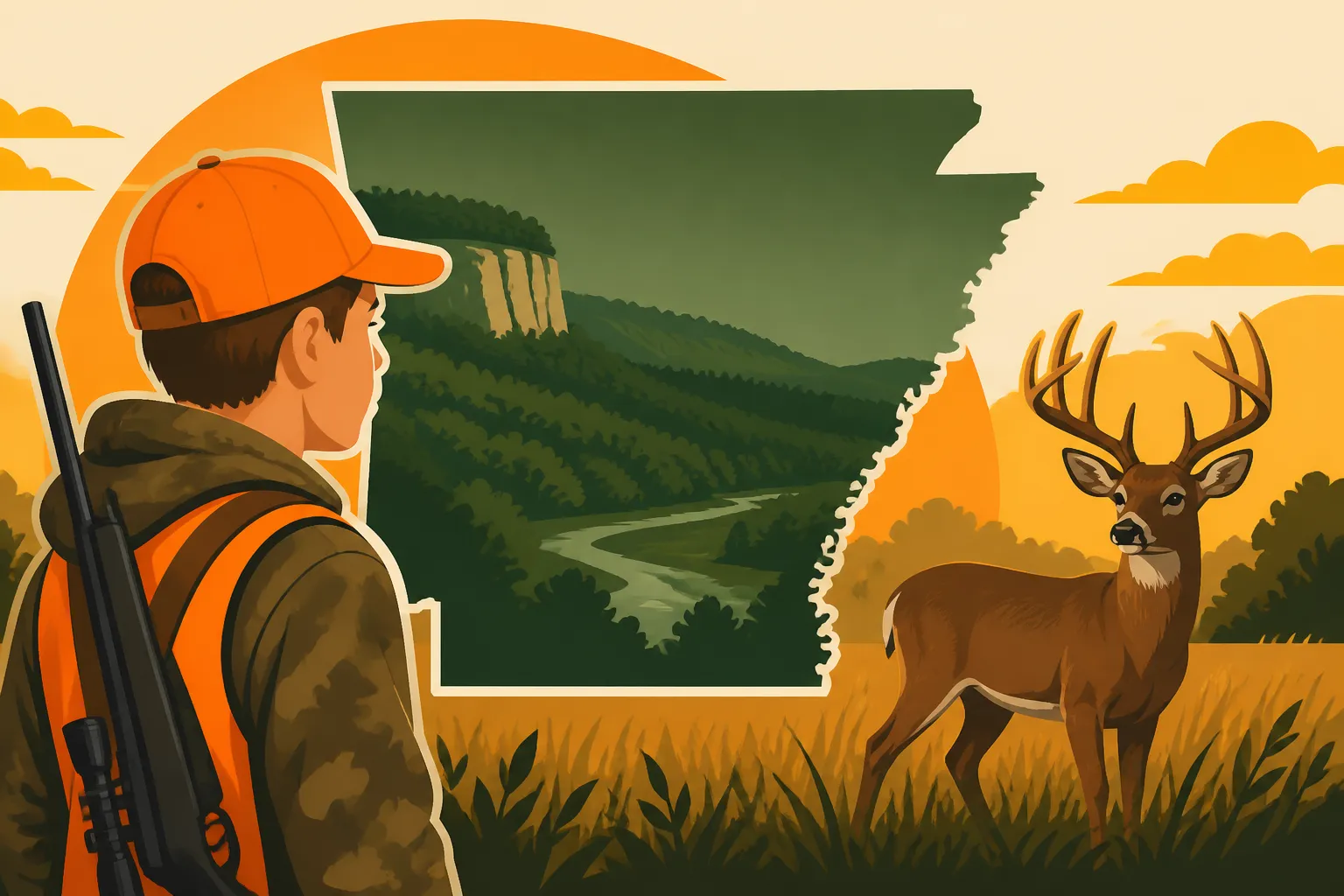
Youth Deer Hunt Dates and Rules
Trying to navigate the seemingly endless layers of hunting regulations, especially when you're trying to introduce a young hunter to the outdoors, can feel like a maze. It’s tough enough to keep track of your own license, tags, and season dates, let alone understand the specific nuances for youth hunts. This guide aims to clear up all that confusion, detailing the dedicated youth deer hunt dates and the specific rules that apply to young hunters across Arkansas, making it easier for mentors and parents to focus on what truly matters: creating lasting memories in the deer woods.
Understanding Arkansas's Youth Deer Hunting Opportunities
Arkansas truly values its hunting heritage, and a huge part of that is fostering the next generation of sportsmen and women. The Arkansas Game and Fish Commission (AGFC) goes to great lengths to provide specific, often earlier, hunting opportunities for youth, recognizing that these initial experiences can shape a lifetime of outdoor passion. It’s not just about getting a deer; it’s about the lessons learned, the time spent together, and the connection forged with nature.
Why Dedicated Youth Hunts Exist
Let's be honest, adult hunting seasons can be crowded, competitive, and sometimes, frankly, a little overwhelming, especially for a new hunter. That's why dedicated youth hunts are such a game-changer. These special seasons are specifically designed to offer young hunters a less pressured environment where they can learn, practice, and enjoy the experience without the immediate competition from adult hunters. It's a chance to build confidence and hone skills, often with the added benefit of being the first hunters in the woods, which can mean more active deer.
The idea behind these dedicated periods is to provide a lower-stress introduction to hunting. Imagine a youngster’s first time in a deer stand during the chaos of modern gun season opening weekend, with trucks rumbling by and shots ringing out across the landscape. Now picture that same young hunter sitting in the quiet woods a week or two earlier, with only a few other youth hunters out there. The difference in atmosphere is profound, and it makes all the difference in creating a positive, memorable experience that encourages them to come back year after year.
The Philosophy Behind Early Access
The philosophy driving these early access opportunities is straightforward: get kids hooked on hunting by giving them the best possible chance at success and enjoyment. By allowing youth to hunt before the general modern gun seasons open, the AGFC effectively creates a window of opportunity where deer behavior might be less pressured and more predictable. This can translate to more deer sightings and, hopefully, higher success rates for young hunters.
This early access also serves as a critical mentorship tool. It provides a dedicated time for parents, grandparents, or other experienced hunters to focus solely on their young protégé. There’s less pressure for the mentor to fill their own tag, allowing them to concentrate on teaching firearm safety, tracking, game identification, and the ethical responsibilities that come with hunting. These are the fundamental lessons that transcend merely pulling a trigger, instilling a deep respect for wildlife and the outdoors. It's about passing down tradition, one quiet morning in the deer woods at a time.
Key Dates for Youth Deer Hunts in Arkansas
One of the most exciting aspects of Arkansas hunting is the opportunity for youth to get a head start on deer season. These special dates are crucial for planning and can often precede the regular season openers by a significant margin, offering unique advantages. It’s vital to double-check the current year’s official AGFC regulations, as dates can shift slightly, but the structure generally remains consistent.
Archery and Muzzleloader Youth Hunts
While the most prominent youth hunts typically involve modern firearms, it’s worth noting that young hunters, just like adults, can participate in the regular Arkansas Archery Deer Season Structure as soon as they are licensed and hunter-education certified. This means the extensive five-month archery season is open to them, providing ample opportunities for silent stalks or patient stand hunts. For the truly dedicated young archer, this offers a vast window to pursue deer.
However, the dedicated youth hunts generally focus on firearms, offering distinct weekends. Often, there might be a youth muzzleloader season that aligns with or slightly precedes the adult muzzleloader dates. These specific youth muzzleloader days give young hunters a chance to experience the history and challenge of black powder hunting in a less crowded setting. It's a fantastic way to teach them about marksmanship, patience, and the unique tradition of these primitive weapons. Check the AGFC calendar for specific dates, but these can be prime opportunities to get out there before the general rifle season stampede.
Modern Gun Youth Deer Hunt Dates
This is typically the big one, the eagerly anticipated weekend that many young hunters and their mentors look forward to all year. The statewide Modern Gun Youth Deer Hunt is usually scheduled for a specific weekend in early November, often a week or two before the general modern gun season opens for adults. This timing is strategic, allowing young hunters to hunt deer that haven't yet felt the intense pressure of hundreds of thousands of adult hunters descending on the woods.
During this special youth-only weekend, all deer zones are typically open, and young hunters can pursue both antlered and antlerless deer, depending on the specific zone regulations and their available tags. Imagine being a young hunter, getting to sit in your stand, knowing that you have the woods mostly to yourself, with a better chance of seeing deer moving naturally. This is what these dates offer: a high-quality hunting experience designed to be memorable and successful. It’s a chance for them to really shine, to experience the thrill of the hunt, and to learn about ethical shot placement and game recovery with a seasoned mentor by their side. This weekend is a cornerstone of Youth Deer Hunt Dates and Rules.
Late-Season Opportunities for Young Hunters
The youth deer hunting opportunities don't always end with that early November modern gun weekend. Arkansas often provides additional chances for young hunters later in the season, which can be particularly fruitful. One such opportunity frequently aligns with the special Arkansas Christmas Modern Gun Dates. During this period, often a few days around the Christmas and New Year holidays, youth hunters may again have dedicated access or special rules, sometimes even coinciding with the regular adult season but allowing for specific youth bag limits or weapon choices.
These late-season hunts can be challenging, as deer have been pressured, but they can also be incredibly rewarding. Colder weather often means deer are focused on feeding, making food sources excellent places to target. It’s another chance for young hunters to experience different aspects of deer behavior and hunting strategies. For instance, if a young hunter didn't fill their tag in early November, these later windows offer a valuable second chance to put venison in the freezer and complete their hunting season experience. Always consult the current year's AGFC regulations to confirm these specific late-season dates and rules, as they can sometimes vary by zone or year.
| Season Type | Typical Timing | Target Deer | Special Considerations |
|---|---|---|---|
| Youth Modern Gun | Early November (Statewide) | Antlered & Antlerless | Precedes general modern gun, lower pressure |
| Youth Muzzleloader | Mid-October | Antlered & Antlerless | Often aligns with or slightly before adult muzzleloader |
| General Archery | Sept-Feb (Regular Season) | Antlered & Antlerless | Young hunters can participate with proper licensing |
| Christmas Modern Gun | Late Dec/Early Jan | Antlered & Antlerless | Special extended period, often includes youth opportunities |
Eligibility and Participation Rules for Youth Hunters
Getting a young person ready for their first deer hunt involves more than just picking a stand and checking the dates. There are clear eligibility requirements and participation rules in Arkansas that ensure safety and proper education. Understanding these rules is paramount for both the youth hunter and their adult mentor. It's about building a foundation of responsible hunting practices right from the start.
Age Requirements and Supervision
In Arkansas, youth hunters are generally defined as individuals under a certain age, typically 16 years old. However, the specific age at which they can hunt independently or with supervision is crucial. For modern gun deer hunts, a youth hunter under 16 years old must be accompanied by a properly licensed adult at least 18 years of age. This adult must stay within "arm's reach" and maintain direct supervision, especially when the youth is actively hunting with a firearm. This isn’t just a legal requirement; it’s a critical safety measure and an opportunity for hands-on instruction.
This direct supervision ensures that an experienced individual is there to guide the young hunter through every step, from identifying legal game to making ethical shot decisions and handling firearms safely. It’s also important for the adult to have their own hunting license, even if they aren’t actively hunting themselves, as they are part of the hunting party. For those wondering about the youngest hunters, children under 6 years old are generally prohibited from being in a hunting stand, even with an adult, emphasizing safety above all else.
Licensing and Hunter Education for Youth
This is where many new hunting families get tripped up. While the youth hunts are designed for young people, they are not entirely license-free or education-exempt. Any youth hunter age 16 or older must possess all required licenses and stamps, including a hunting license and a deer tag, just like an adult. For youth under 16, they generally do not need to purchase a general hunting license or deer tags themselves for these youth-only firearm deer hunts, as they are hunting under the general supervision rule. However, they must have successfully completed an approved hunter education course if they are 16 or older and hunting independently, or if they are participating in certain types of hunts where the supervised exemption doesn't apply.
The AGFC offers excellent hunter education courses, both in-person and online, which are invaluable for teaching young hunters about firearm safety, wildlife identification, conservation ethics, and hunting laws. Completing a course like this, even if not strictly required by age for a supervised hunt, is highly recommended. It instills confidence and knowledge, making the transition into independent hunting much smoother. You can find all the details about Arkansas Hunter Education and Safety Rules directly on the AGFC website, and it's a small investment for a lifetime of safe hunting.
What Constitutes a "Legal" Youth Hunter
So, what exactly makes a youth hunter "legal" in the eyes of Arkansas law? Primarily, it boils down to age, supervision, and, for older youth, proper licensing and hunter education. For the most common scenario—a youth under 16 participating in a dedicated youth firearm deer hunt—they must be accompanied by a licensed adult who is at least 18 years old. This adult must be actively supervising and ready to intervene if necessary. The youth also needs to understand the specific bag limits and rules for the zone they are hunting.
Additionally, the youth must be using a legal firearm for deer hunting, and all other general hunting regulations regarding safe firearm handling, hunter orange requirements (often a bright orange vest or hat, consult Arkansas Hunter Orange Rules), and ethical behavior must be followed. The goal is to ensure that every young hunter has a safe, ethical, and enjoyable experience. Tools like the GoHunt app can be incredibly helpful for both mentors and youth to quickly reference regulations, check zone boundaries, and stay up-to-date on any real-time changes or announcements from the AGFC, ensuring compliance every step of the way.
Bag Limits and Deer Tagging for Youth Hunts
Bag limits and tagging requirements are often where the rules get a bit more intricate, and it's essential for both the youth hunter and their mentor to be clear on what's allowed. Nothing spoils a successful hunt faster than a regulation infraction, even if accidental. Arkansas has a thoughtful system that, while detailed, is designed to manage the deer herd effectively while providing opportunities for all hunters.
Antlered and Antlerless Deer Limits
During the dedicated youth deer hunts, young hunters typically follow the same bag limits as adults for their specific deer zone. This means paying close attention to whether you are in a zone that allows only one antlered buck or multiple, and how many antlerless deer tags are available. The AGFC divides the state into multiple deer zones, each with its own specific regulations regarding Arkansas Deer Bag Limits by Zone. Generally, during a youth modern gun hunt, youth can harvest both antlered and antlerless deer up to the zone limit.
It's not uncommon for a young hunter to fill an antlerless tag, which is a fantastic way to introduce them to the practical side of hunting—meat for the freezer. Harvesting an antlerless deer also directly contributes to herd management, helping to balance populations. For antlered deer, the excitement is palpable, but it's important to understand what constitutes a legal buck in their specific zone. This knowledge is part of the learning process and a crucial aspect of ethical hunting.
Zone-Specific Regulations and the Three-Point Rule
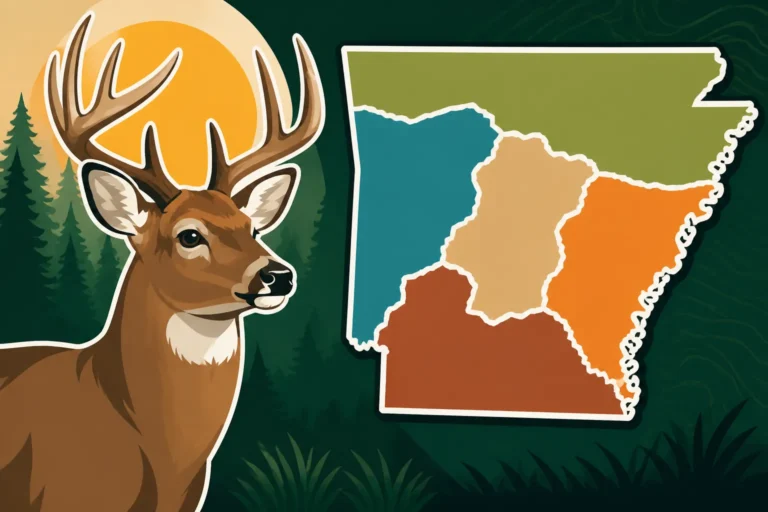
Arkansas's diverse geography means that deer management strategies, and thus regulations, vary significantly across the state. The Delta, Ozarks, and Ouachitas each have distinct deer populations and habitat characteristics. This leads to zone-specific rules, including the notable Arkansas Three-Point Rule in certain zones. This rule mandates that a legal antlered buck must have at least three points on one side of its antlers, or a main beam of a certain length, to be harvested.
For youth hunters, understanding these zone differences is paramount. If you're hunting in a three-point rule zone, a young hunter needs to be able to identify those points accurately before taking a shot. This requires careful instruction and patient observation, reinforcing the importance of positive identification. Mentors should use resources like the AGFC’s interactive maps or the GoHunt app to confirm the specific regulations for their hunting location before heading into the field. Teaching a young hunter to identify points, or to differentiate between a legal and illegal buck, is a valuable lesson in patience and responsible hunting that extends far beyond just pulling the trigger.
Checking and Tagging Youth Harvests
Once a young hunter successfully harvests a deer, the work isn’t over; proper checking and tagging procedures are next. Just like adults, youth hunters must validate their deer tag immediately after harvest and check the deer with the AGFC within a specific timeframe, usually by midnight on the day of harvest. This can be done online through the AGFC website, via their mobile app, or by phone. It's a quick, straightforward process, but absolutely essential for legal compliance.
The physical deer tag, often printed from the hunter's license (or a special tag for youth under 16, if applicable), must be securely attached to the deer. This tag stays with the deer until it is processed into individual pieces. This is a critical step in tracking harvest numbers and managing the deer population. Teaching a young hunter how to properly check and tag their deer is another important lesson in taking responsibility for their harvest and contributing to wildlife management efforts. It's part of the comprehensive process that completes the hunting experience, from the moment they spot the deer to the moment it's officially reported.
Navigating Public and Private Land for Youth Hunts
Arkansas offers a wide array of hunting opportunities, but understanding where you can take a young hunter is key. Both public and private lands have their own sets of rules and considerations, and making the right choice can significantly impact the quality and success of a youth hunt.
Public Land Access for Young Hunters
Arkansas is blessed with millions of acres of public land, including Wildlife Management Areas (WMAs), National Forests (Ozark and Ouachita), and National Wildlife Refuges. Many of these areas are open to youth hunting, often under the general statewide youth hunt rules. The advantage of public land is its accessibility—no need for permission, just a keen understanding of the regulations. However, public land can also be more pressured, especially on popular WMAs.
When considering public land for a youth hunt, thorough scouting is absolutely critical. Use resources like the AGFC's interactive map tool or a GoHunt membership, which often includes layers for public land boundaries, to identify areas away from main roads and popular access points. Look for less-pressured pockets that might hold deer. Some WMAs may have specific youth-only areas or special draw hunts, so always consult the individual WMA regulations before you go. Remember, while public land offers freedom, it also demands more self-reliance and adherence to regulations regarding stands, blinds, and vehicle access. Exploring diverse public hunting grounds, such as those found in the Ozark National Forest Hunting, can provide unique opportunities.
Securing Private Land Permission
For many, private land offers the most controlled and potentially successful youth hunting experience. The reduced pressure and sometimes higher deer densities can create ideal conditions for a young hunter. However, securing private land permission can be a hurdle. It requires respectful outreach, clear communication, and often, a bit of luck. Starting with friends, family, or acquaintances who own land is often the easiest route. If you don't have these connections, consider knocking on doors, always being polite and prepared to explain your intentions.
When asking for permission, be clear that you are looking for a youth hunting opportunity, emphasizing safety and responsible behavior. Offer to help the landowner in some way, whether it's mending fences, helping with chores, or sharing some of the venison. A written permission slip, even if not legally required in all circumstances, is always a good idea. This clarifies the terms of access and shows respect for the landowner's property. Always leave the property cleaner than you found it, follow all the landowner's rules, and express sincere gratitude. This builds trust and might lead to future opportunities, not just for your youth hunter but for others as well. Remember, securing access to private land often starts by simply Asking an Arkansas Landowner for Permission.
WMA-Specific Youth Hunt Considerations
Arkansas's Wildlife Management Areas (WMAs) are incredibly valuable resources, but they often come with additional layers of regulations. While the statewide youth deer hunts usually apply, some WMAs might have unique rules regarding weapon types, hunter orange, or even specific designated youth hunting areas. Some WMAs, especially those popular for deer, may require WMA permits or have special draw hunts that you need to apply for in advance.
It's absolutely crucial to consult the AGFC's WMA-specific regulations pamphlet or the online WMA search tool before planning a youth hunt on any WMA. Don’t assume the statewide rules are the only ones that apply. For example, some WMAs might prohibit the use of ATVs or limit stand types. Others might have specific check-in or check-out procedures. Being prepared and understanding these nuances will prevent any unwelcome surprises and ensure a smooth, enjoyable hunt for your young companion. Tools like the AGFC Map Tool are indispensable for navigating these varied regulations.
Maximizing Success and Safety on Youth Deer Hunts
The goal of any youth hunt extends beyond just harvesting an animal. It’s about cultivating a responsible, ethical, and passionate outdoors person. Success can be measured in many ways: a shared sunrise, a whispered conversation, a new skill learned, or indeed, the thrill of a successful harvest. But above all, safety must always be the top priority.
Mentorship and Ethical Hunting Practices
A youth hunt is first and foremost a mentorship opportunity. It’s a chance to impart values, knowledge, and a deep respect for the game and the environment. This means more than just teaching them how to shoot; it’s about teaching them why we hunt, the role of conservation, and the responsibility that comes with taking an animal's life. Emphasize ethical shot placement, game recovery, and making quick, humane kills.
Use the downtime in the stand to talk about wildlife biology, tree identification, and reading deer sign. Discuss the importance of fair chase and the privilege of being in nature. Model respectful behavior towards landowners, other hunters, and the animals themselves. Show them how to Field Dressing a Deer in Warm Weather if the early season brings unseasonably hot conditions. These conversations and demonstrations are just as, if not more, important than the hunt itself. A good mentor instills a lifelong appreciation for the outdoors and ethical practices that will serve the young hunter well, regardless of whether they fill a tag.
Essential Gear and Preparation
Preparing for a youth hunt means ensuring the young hunter has appropriate gear that fits them, not just adult-sized hand-me-downs. This includes a firearm of suitable caliber and size that they can comfortably and safely handle. A rifle that's too heavy or has too much recoil can quickly turn a positive experience into a negative one. Spend ample time at the shooting range, ensuring they are proficient and confident with their chosen weapon.
Beyond the firearm, comfortable and weather-appropriate clothing is crucial. Layering is key for Arkansas's unpredictable fall and early winter weather. Good boots, gloves, and a warm hat are often overlooked but essential. Pack plenty of water, snacks, and a first-aid kit. Bring a headlamp, even for day hunts, as unexpected delays can mean walking out in the dark. For those long waits in the stand, consider bringing a book, quiet games, or even a small pair of binoculars to keep them engaged. Remember, a comfortable, well-prepared young hunter is a happy hunter.
Safety First: Hunter Orange and Tree Stand Safety
No discussion of youth hunting is complete without a strong emphasis on safety. Arkansas mandates hunter orange during modern gun seasons, and while youth hunters are often exempt from needing their own license when supervised, they are absolutely not exempt from safety rules. Ensure the youth hunter, and their mentor, are both wearing the required amount of bright, visible hunter orange—a vest and hat are common requirements, and details can be found under Arkansas Hunter Orange Requirements. This is non-negotiable for visibility and accident prevention.
Tree stand safety is another critical component. If hunting from an elevated position, both the youth and the adult should wear a full-body harness that is properly attached at all times, from the moment they leave the ground until they are safely back down. Teach them the three points of contact rule when climbing, and never allow them to climb or descend with a loaded firearm. Go over emergency procedures, including what to do if a fall occurs or if they get separated. Repetitive instruction and strict adherence to these safety rules will create a foundation for a lifetime of safe hunting. It’s not just about compliance; it’s about ingrained habits that keep everyone safe.
Disclaimer
Please remember that hunting regulations, dates, and requirements can change. Always consult the most current Arkansas Game and Fish Commission (AGFC) regulations guide for the specific hunting season you plan to participate in before heading afield. This guide is for informational purposes only and should not be considered a substitute for official AGFC documentation.