When WMA Waterfowl Draw Applications Open
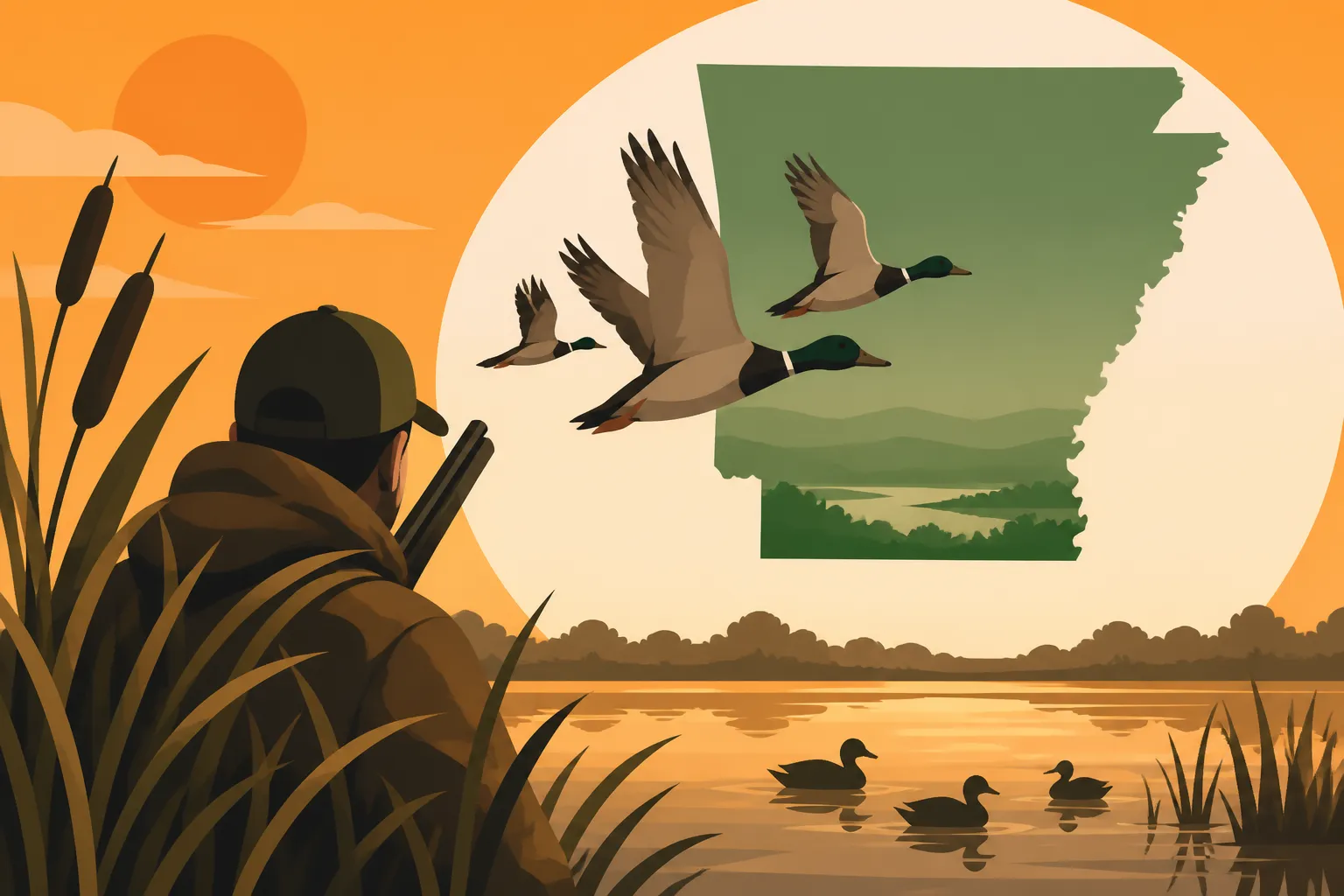
It's incredibly frustrating to spend all year dreaming of those prime duck hunts on Arkansas's public lands, only to realize you've missed the application window for the coveted WMA draw hunts. Trust me, we've all been there, staring at an "applications closed" message with a sinking feeling. This guide is here to ensure that doesn't happen to you again, breaking down exactly when WMA waterfowl draw applications open and how to navigate the process for a successful season.
Understanding Arkansas WMA Waterfowl Draws
Arkansas's Wildlife Management Areas (WMAs) are absolute jewels for waterfowl hunters, offering some of the best green timber and flooded field hunting opportunities in the nation. But precisely because they're so good, access often needs to be managed to prevent overcrowding and maintain a quality experience. That's where the draw system comes in, and understanding its purpose is the first step to mastering it.
Why the Draw System Exists
Imagine showing up to your favorite WMA on opening morning, only to find every prime spot already occupied, or worse, a complete chaotic free-for-all. The Arkansas Game and Fish Commission (AGFC) implemented the draw system to prevent this exact scenario on the most popular and productive waterfowl WMAs. It's a way to fairly distribute access to limited, high-demand resources, ensuring that everyone who wants a shot gets a fair chance, rather than it just being a race to the boat ramp in the dark. This system helps manage hunting pressure, provides a safer environment, and most importantly, works to conserve the resource by preventing overharvesting or disturbance in key areas. It's not always convenient, I know, but it’s crucial for the long-term health of our hunting opportunities.
Which WMAs Participate
Not every single WMA in Arkansas requires a draw permit for waterfowl hunting. Many smaller or less intensively managed WMAs are still open to general public hunting on a first-come, first-served basis, often requiring only a general WMA permit in addition to your regular licenses. However, the most famous and productive waterfowl WMAs, particularly those with dedicated green timber units or intensively managed flooded fields, nearly always operate under a draw system for at least some of their hunting periods. Think of places like Bayou Meto WMA, Dave Donaldson Black River WMA, Henry Gray Hurricane Lake WMA, Sheffield Nelson Dagmar WMA, and Rex Hancock Black Swamp WMA. These are the heavy hitters where a draw permit is almost certainly required for prime dates. If you're eyeing a specific WMA, it's always best to check the current AGFC regulations directly for that area well in advance. Some areas might have specific sections or periods that are draw-only, while others remain general access. You can find detailed rules for specific areas, including information about Bayou Meto WMA Duck Hunting, on the AGFC website.
The Critical Application Window: When to Mark Your Calendar
Missing the application deadline is one of the most disheartening experiences for any hunter, and for Arkansas's WMA waterfowl draws, it's particularly easy to do if you're not paying close attention. The window is generally consistent but can shift slightly year to year, so staying vigilant is key.
General Timeline for Waterfowl Draws
While the exact dates can sometimes vary by a few days each season, the general rule of thumb for Arkansas WMA waterfowl draw applications is that they open up in mid-August and typically run through early September. This means you'll usually have a window of about two to three weeks to get your application submitted online. The AGFC usually aims to have results announced by mid-September, giving hunters enough time to plan if they've been successfully drawn.
It’s easy to get caught up in late-summer fishing trips or early bow season scouting, but trust me, this is the time to set a reminder on your phone! I've personally missed a few because I was too busy checking trail cameras. For instance, in recent years, the application period has often kicked off around the second or third week of August and closed by the first week of September. This general timeframe covers the bulk of the WMA waterfowl draw applications, including the popular regular season duck hunts. Keep in mind that specialized hunts, like those for youth waterfowl days or specific conservation order seasons, might have slightly different application windows, though they often align. Always double-check the specifics each year.
Staying Alert for Official Announcements
The absolute best way to stay on top of the exact application dates is to monitor official sources. The AGFC is usually pretty good about announcing these dates through various channels.
- AGFC Website: This is your primary source. The "Waterfowl" section or the "Hunting Seasons and Regulations" page will usually have a dedicated announcement when the application period opens. They’ll often feature it prominently on their homepage.
- Social Media: Follow the Arkansas Game and Fish Commission on Facebook, X (formerly Twitter), and Instagram. They frequently post reminders and updates, often with direct links to the application portal.
- Email Newsletters: Sign up for the AGFC's email newsletters. This is one of the most reliable ways to get a direct notification right in your inbox when applications open and close.
- Local Media and Hunting Forums: Keep an eye on reputable local hunting news outlets, outdoor publications, and Arkansas-specific hunting forums. While not official, they often echo the AGFC's announcements.
I've learned that just having a general idea of "August" isn't enough. You need those precise dates. I even set recurring calendar reminders for mid-August with a link to the AGFC website, just to make sure I don't get sidetracked. These draws are competitive, and being prepared means not missing your shot, literally. For more details on what's required, you might want to review the information on Arkansas WMA Waterfowl Permit Rules.
| Typical Waterfowl Draw Timeline (Approximate) | Month | Key Activity |
|---|---|---|
| Application Window Opens | Mid-August | AGFC announces exact dates. Online application portal opens. Hunters must have current licenses and permits (e.g., General Hunting License, State Duck Stamp, Federal Duck Stamp, HIP Registration, WMA Permit). This is when you'd submit your choices for hunt dates and locations. |
| Application Window Closes | Early Sept. | This is a hard deadline. No late applications are accepted. Make sure all your information is correct before submitting. |
| Draw Results Announced | Mid-Sept. | Successful applicants are usually notified via email or can check their AGFC account online. This gives you time to plan your trip, confirm your hunting party, and make arrangements. |
| Season Begins | Mid-Nov. | The start of the general Arkansas Duck Season Dates. Your drawn hunt dates will fall within the broader season structure for Arkansas Waterfowl Seasons and Zones. |
| Youth Hunts / Special Draws | Varies | Some youth hunts or specific conservation order seasons might have slightly adjusted application dates or a separate draw process. Always check the annual regulations for specifics. |
Navigating the Application Process and What to Expect
Once the application window is open, the real work begins: filling out that application. It's usually a straightforward process, but like anything involving government agencies and online forms, there are specific steps and potential pitfalls to watch out for.
Step-by-Step Guide to Applying Online
The entire application process for WMA waterfowl draws in Arkansas is conducted online through the AGFC's licensing and permit system. You'll need an active AGFC customer account.
- Log In or Create an AGFC Account: If you don't already have one, you'll need to create an account on the Arkansas Game and Fish Commission website. This is where all your licenses, permits, and draw applications are managed. Make sure your personal information is up-to-date.
- Purchase Required Licenses and Permits: Before you can even apply, you must possess all the necessary licenses and permits for waterfowl hunting. This typically includes:
- A valid Arkansas Hunting License (Resident or Non-Resident).
- An Arkansas Waterfowl Stamp.
- A Federal Duck Stamp (you'll usually purchase this from a post office, Walmart, or other authorized vendor, then register it with AGFC).
- Your HIP (Harvest Information Program) registration.
- A WMA General Use Permit (often bundled with your hunting license, but confirm).
You cannot apply for a draw hunt without these in place. If you’re unsure, the AGFC website has clear guidelines under "Arkansas Hunting Licenses and What They Cost."
- Navigate to the Draw Application Section: Once logged in and licensed, look for the "Draw Hunts" or "Permit Applications" section. It's usually clearly labeled.
- Select Waterfowl Draw: Choose the "Waterfowl" or "Duck" draw application. You'll then see a list of participating WMAs and available hunt dates.
- Make Your Selections: This is where you choose your preferred WMA(s) and hunt dates. You'll typically be able to select a certain number of choices, often ranking them in order of preference. Be strategic here! Researching different WMAs, perhaps even utilizing tools like GoHunt for general scouting of public lands if you were planning a trip to other states, can help inform your decision. However, remember that for Arkansas WMA draws, the AGFC website is your official portal.
- Add Hunting Party Members (if applicable): Most waterfowl draw hunts allow for a group application. If you're hunting with friends or family, you'll typically enter their AGFC customer ID numbers. Ensure everyone in your party also has all their required licenses and permits before you submit. This is a common hiccup.
- Review and Submit: Carefully review all your selections, personal information, and hunting party details. Once you're confident everything is correct, submit your application. There's usually a small, non-refundable application fee. Keep a confirmation number or screenshot for your records.
It’s a good idea to complete this process on a reliable internet connection and not wait until the last minute. The AGFC system can experience heavy traffic on the closing day, and you don't want technical glitches to cost you a chance at a draw.
Common Pitfalls to Avoid During Application
I’ve seen and heard of so many hunters making simple mistakes that cost them a shot at a draw. Don't let that be you!
- Expired or Missing Licenses: This is probably the number one mistake. You MUST have all required licenses, stamps, and HIP registration before you apply. A federal duck stamp, for example, is often purchased elsewhere, and you need to ensure it’s properly associated with your AGFC account. For more specific info, check out how the Arkansas Federal Duck Stamp Rules work.
- Incorrect Customer ID Numbers: If applying as a group, double-check every member's AGFC Customer ID number. A single incorrect digit can invalidate the entire group's application.
- Missing Deadlines: As mentioned, this is critical. Set multiple reminders. The system automatically closes at the specified time, usually 11:59 PM Central Time on the closing date, and there are no exceptions for late submissions.
- Not Reading Regulations: The annual hunting regulations pamphlet (available online) is your bible. It will detail any specific rules for each WMA draw, such as party size limits, allowed weapons, or special conditions. Don't assume anything.
- Too Many Choices/Ranking Errors: Some draws limit the number of choices you can make or how you rank them. Understand the system you're applying for. If you accidentally select too many or rank them incorrectly, your application could be disqualified.
- Technical Glitches: While rare, technology isn't perfect. If the website seems slow or you encounter an error, try clearing your browser cache or using a different browser. Don't panic, but don't ignore it either. If you have persistent issues, contact AGFC customer service before the deadline.
By being meticulous and double-checking everything, you can significantly increase your chances of a smooth application process when Applying for an Arkansas WMA Duck Draw.
Maximizing Your Chances and What Comes Next
Getting through the application process is one hurdle, but what happens afterwards? While the draw itself is largely luck of the draw for waterfowl, there are still things you can do to be prepared and make the most of your application.
Understanding Preference Points (and why they might not apply here)
For some draw hunts in other states, and even for specific permit hunts within Arkansas (like the highly coveted elk permits for the Buffalo River Elk Herd, or certain private land deer permits), a preference point system is used. This means that for every year you apply and are unsuccessful, you accrue a point, which theoretically increases your odds in subsequent years. It rewards loyalty and persistence.
However, for most of the general WMA waterfowl draw hunts in Arkansas, the system is typically a random lottery each year. This means there usually aren't preference points that carry over from one year to the next for these specific waterfowl draws. Every applicant, regardless of past success or failure, starts on equal footing for each new season's draw. While this can be frustrating for those who've applied for years without success, it also means that new hunters have just as good a chance as veterans. Always check the specific draw rules on the AGFC website to confirm, as rules can occasionally change or a new pilot program might be introduced. But generally, for ducks on the popular WMAs, it’s a fresh roll of the dice every August.
What to Do While You Wait
Once you’ve submitted your application, the waiting game begins. This can feel like an eternity, but it's actually a prime opportunity to prepare for a successful season, whether you're drawn or not.
- Scout, Scout, Scout: Use the time to digitally scout potential WMA locations using the AGFC map tool, especially if you picked areas that are not draw-only. Even if you get drawn, knowing the lay of the land, potential access points, and alternative spots can be invaluable. This is a great time to learn about Scouting Arkansas Public Land Before Season.
- Gear Check: Go through your waterfowl gear. Are your waders still waterproof? Does your call sound right? Are your decoys in good shape? Is your shotgun clean and patterned? Now's the time to fix or replace anything that needs attention.
- Practice Your Calling: Don't wait until opening morning to blow the dust out of your duck call. Practice regularly. Learn different calls, soft quacks, feeding chuckles, and how to use them effectively. If you're dreaming of Hunting Arkansas Flooded Green Timber, good calling is essential.
- Physical Conditioning: Duck hunting, especially in green timber or flooded fields, can be physically demanding. Long walks in waders, carrying decoys, and retrieving birds can take a toll. A little physical preparation now can make your season much more enjoyable.
- Plan Backup Hunts: Be realistic. Not everyone gets drawn for those prime WMA dates. Have a Plan B, C, and D. Research other public hunting opportunities or consider asking for permission on private land. Many hunters find fantastic success on non-draw WMAs or other public lands.
- Review Regulations: Re-read the full Arkansas hunting regulations, paying special attention to waterfowl seasons, bag limits, and specific WMA rules for any areas you plan to hunt. Knowledge is power, and it keeps you legal and safe. You can even check out how to use the AGFC Map Tool for more detailed area information.
When the draw results are finally announced in mid-September, you'll either be celebrating a successful draw or pivoting to your backup plans. Either way, being prepared ensures that you're ready for whatever the Arkansas waterfowl season throws your way.
Disclaimer
Please remember that hunting regulations and application periods can change annually. This guide provides general information based on typical AGFC practices. Always consult the official Arkansas Game and Fish Commission website and current year's hunting regulations for the most accurate and up-to-date information before planning any hunt.