Arkansas Duck Harvest Numbers
It's often frustrating to hear snippets of information about duck populations and harvest numbers without a clear understanding of what those figures actually represent. You might hear that "the numbers are down" or "it was a great year," but how does that translate to your individual hunting experience in the Arkansas timber or fields? This guide aims to pull back the curtain on Arkansas's duck harvest numbers, explaining how they're collected, what factors truly influence them, and what insights they offer us as hunters, so you can better understand the bigger picture of our cherished waterfowl resource.
Deciphering Arkansas's Annual Duck Harvest Data
When you hear about "duck harvest numbers," it's easy to picture a simple count of every bird taken in the state. However, the reality is a bit more complex, and understanding the nuances behind these statistics is key to appreciating their value for conservation and hunting management. These aren't just arbitrary figures; they're vital tools for keeping our hunting traditions strong.
What "Harvest Numbers" Truly Represent
At its core, "harvest numbers" refer to the estimated total number of ducks, and sometimes geese, taken by hunters within Arkansas during a specific waterfowl season. This isn't a live, real-time tally of every single bird shot; rather, it's a carefully calculated estimate derived from various sources. Think of it as a comprehensive snapshot of hunter success and bird availability across the entire state. These numbers reflect not only how many birds were present but also how accessible they were, how many hunters were out, and how successful those hunters were. It’s a combined measure of biological factors like population size and migration patterns, coupled with human factors such as hunting effort and skill. Without understanding this holistic view, the raw numbers alone can be misleading, especially when comparing one season to the next.
The Vital Role of Surveys and Estimates
Since it's impossible to count every duck that falls, wildlife agencies rely on scientifically sound survey methods to produce these harvest estimates. The backbone of this data comes from programs like the U.S. Fish and Wildlife Service's Harvest Information Program (HIP). When you register to hunt migratory birds, you're essentially signing up to be part of this critical data collection effort. Hunters are surveyed after the season, often receiving questionnaires about their hunting activity, the species they harvested, and where they hunted. These responses, extrapolated across the entire pool of registered migratory bird hunters, provide the foundational estimates. The Arkansas Game and Fish Commission (AGFC) also conducts its own localized surveys, sometimes collaborating with federal agencies, to gather more granular data specific to our state's unique hunting landscape. These state-level efforts might focus on specific WMAs or regions, helping to fine-tune the broader federal estimates. These surveys are designed with statistical rigor to ensure that the estimates are as accurate and representative as possible, even though they are, by their nature, estimates and not absolute counts.
Why These Statistics Are Crucial for Hunters and Conservation
For us hunters, these harvest statistics are more than just bragging rights or historical records; they are directly tied to the future of our sport. Conservation agencies use these numbers to evaluate the health of duck populations, understand migration patterns, and assess the effectiveness of current hunting regulations. If harvest numbers are consistently low, it might trigger discussions about potential habitat issues on breeding grounds up north, changes in migration corridors, or even the need for adjustments to season lengths or bag limits here in Arkansas. Conversely, robust harvest numbers, especially over several years, can indicate healthy populations and successful management strategies. This data directly informs decisions about Arkansas Waterfowl Seasons and Zones, daily bag limits, and overall resource allocation. For example, if a particular species shows a significant decline in harvest, it could prompt research into its breeding success or wintering habitat quality, leading to targeted conservation efforts. Ultimately, these statistics serve as a report card for both the ducks and for us, the hunters and stewards of the land, guiding future conservation efforts and ensuring sustainable hunting opportunities.
Key Influences on Arkansas's Duck Harvest Success
Arkansas is renowned as a duck hunting paradise, a critical wintering ground along the Mississippi Flyway. However, even in the "Duck Capital of the World," annual harvest success isn't a given. A complex interplay of natural and human factors dictates how many birds make it south and how many ultimately end up in hunters' bags. Understanding these variables can shed light on why one season feels phenomenal and the next, well, a little less so.
The Impact of Weather and Migration Patterns
Perhaps no single factor influences Arkansas's duck harvest more profoundly than the weather, particularly cold fronts originating far to our north. Ducks don't typically pack up and fly south just because a calendar says it's November. They're driven by the availability of open water and food, which are directly impacted by plummeting temperatures and snow further north. A strong, early cold front pushing down from Canada or the Dakotas can flood Arkansas with new birds, triggering a "fresh" migration wave that energizes the hunting. Conversely, a mild winter across the upper Midwest can mean ducks linger longer up north, delaying their arrival in Arkansas or resulting in fewer birds pushing all the way down to our state. This phenomenon directly correlates with success for hunters, as fewer birds on the landscape naturally mean lower harvest numbers. It's a constant source of anxiety and excitement for hunters each fall – watching those northern weather maps, hoping for just the right amount of cold to bring the mallards down.
Habitat Health and Water Availability
Once ducks arrive in Arkansas, the condition of our local habitat dictates how long they stay and how widely they disperse. Abundant food sources, primarily acorns in flooded timber and waste grain in agricultural fields, are magnetic to hungry ducks. If the acorn crop is poor in our bottomland hardwoods or if farmers have harvested early and clean, ducks may not find enough to hold them, causing them to move on quickly. Just as crucial is water availability. Flooded timber, rice fields, and moist-soil units provide essential roosting, feeding, and resting areas. If early season rains don't materialize, or if managed impoundments aren't fully flooded, ducks will concentrate in fewer, often more pressured areas, or bypass parts of the state entirely. The delicate balance of Green Tree Reservoir Management in Arkansas plays a huge role here, as these areas need specific water levels at specific times. Hunters often find themselves scouting not just for ducks, but for water, recognizing that without it, the ducks won't be there to harvest. When the water is right, and food is plentiful, ducks spread out, making for better hunting opportunities across wider areas.
Hunter Effort and Pressure Dynamics
While ducks, weather, and habitat are primary biological drivers, human factors also play a significant role in overall harvest numbers. The sheer number of hunters in the field and the pressure they exert can influence success rates. On high-pressure public lands, ducks quickly become wary, changing their patterns and becoming more difficult to decoy and call. This often means hunters have to work harder, walk further, and be more strategic in their approach. Hunting success isn't just about having birds; it's about being able to get them into range. If hunter numbers are particularly high, as they often are on opening weekends or during peak migration, ducks can become "educated" very quickly. Furthermore, hunter participation itself can fluctuate year to year. Factors like fuel prices, economic conditions, or even just general enthusiasm for the season can impact how many days hunters spend afield. Fewer hunters or less effective hunting due to increased pressure can naturally lead to lower overall harvest numbers, even if the duck population itself remains strong. Finding those less pressured spots on crowded Arkansas WMAs With the Most Acres can make all the difference for an individual hunter's success, but cumulative hunter effort across the state is definitely a factor in the larger harvest picture.
Regional Variations in Arkansas Duck Harvest
Arkansas is a diverse state, both geographically and ecologically, and this diversity is clearly reflected in its duck harvest numbers. While the Delta region often dominates the headlines and the harvest reports, it's important to recognize that ducks are harvested across various landscapes. Each region presents unique challenges and opportunities, contributing differently to the overall state totals.
The Delta's Undisputed Dominance
When you talk about duck hunting in Arkansas, you're usually talking about the Delta. This broad, flat expanse of agricultural fields interspersed with bottomland hardwood forests is the beating heart of duck hunting in the state, often referred to as the "Duck Capital." The combination of vast flooded rice and soybean fields providing abundant waste grain, alongside extensive tracts of flooded green timber offering crucial roosting and loafing habitat, makes it an irresistible magnet for migrating waterfowl. Areas like Stuttgart, the Cache River, and the White River are legendary for a reason. The Delta consistently accounts for the overwhelming majority of the state's total duck harvest, sometimes surpassing 70-80% of the annual take. This isn't just due to the sheer number of birds that winter there, but also the concentration of hunting infrastructure, from renowned lodges to numerous public land opportunities like Bayou Meto WMA Duck Hunting and Dave Donaldson Black River WMA. Hunters flock to the Delta, knowing that's where the greatest concentrations of birds, particularly mallards, are typically found. The Delta is simply built for ducks, and the harvest numbers prove it year after year.
Contributions from the Ozarks, Ouachitas, and River Systems
While the Delta steals the spotlight, other regions of Arkansas also contribute significantly to the duck harvest, albeit in different ways and often for different species. The Ozark and Ouachita Mountain regions, with their distinct topography of hills, valleys, and clear-water rivers, offer a different kind of duck hunting experience. Here, ducks might be found on larger reservoirs like Beaver Lake or Bull Shoals, on smaller river systems, or utilizing flooded pastures in creek bottoms. While less numerous than in the Delta, these areas can hold good numbers of ducks, especially wood ducks, along with some mallards, particularly during migration. Hunters often focus on Hunting Arkansas Reservoir Ducks or smaller impoundments. Furthermore, the state's major river systems, such as the Arkansas River and its numerous oxbow lakes, provide linear corridors of habitat that attract migrating birds. These areas might see birds pausing on their journey, or holding over for a period, providing good hunting for those willing to scout these often-overlooked spots. The harvest here might be lower in volume, but it can be incredibly rewarding, offering a more solitary experience away from the Delta crowds.
Understanding Localized Hunting Hotspots
Within each of these broader regions, specific localized hotspots emerge that consistently produce higher harvest numbers due to unique habitat features or management practices. For instance, specific green timber holes on WMAs that hold water consistently and boast a strong acorn crop will be magnets for ducks and hunters alike. Similarly, certain private land holdings with meticulously managed impoundments or access to vast waste grain fields become legendary within local hunting circles. These localized hotspots are often where hunters experience their most successful days, contributing disproportionately to regional harvest totals. Understanding these micro-climates of duck hunting success often comes down to years of scouting, local knowledge, and an understanding of specific property management. Sometimes, these hotspots are areas where hunters have invested heavily in creating ideal conditions, such as through strategic water level management or planting specific food plots for waterfowl. This hyper-local success, multiplied across many such spots, adds up to the larger regional and state harvest figures.
Species-Specific Trends in the Harvest Bag
When we talk about "duck harvest numbers" in Arkansas, it's easy to picture a sea of greenheads. And while mallards do dominate, a deeper dive into the data reveals the presence of many other incredible waterfowl species that contribute to the overall bag. Understanding these species-specific trends helps us appreciate the diversity of Arkansas's wetlands and the various hunting opportunities they offer.
The Enduring Reign of the Mallard
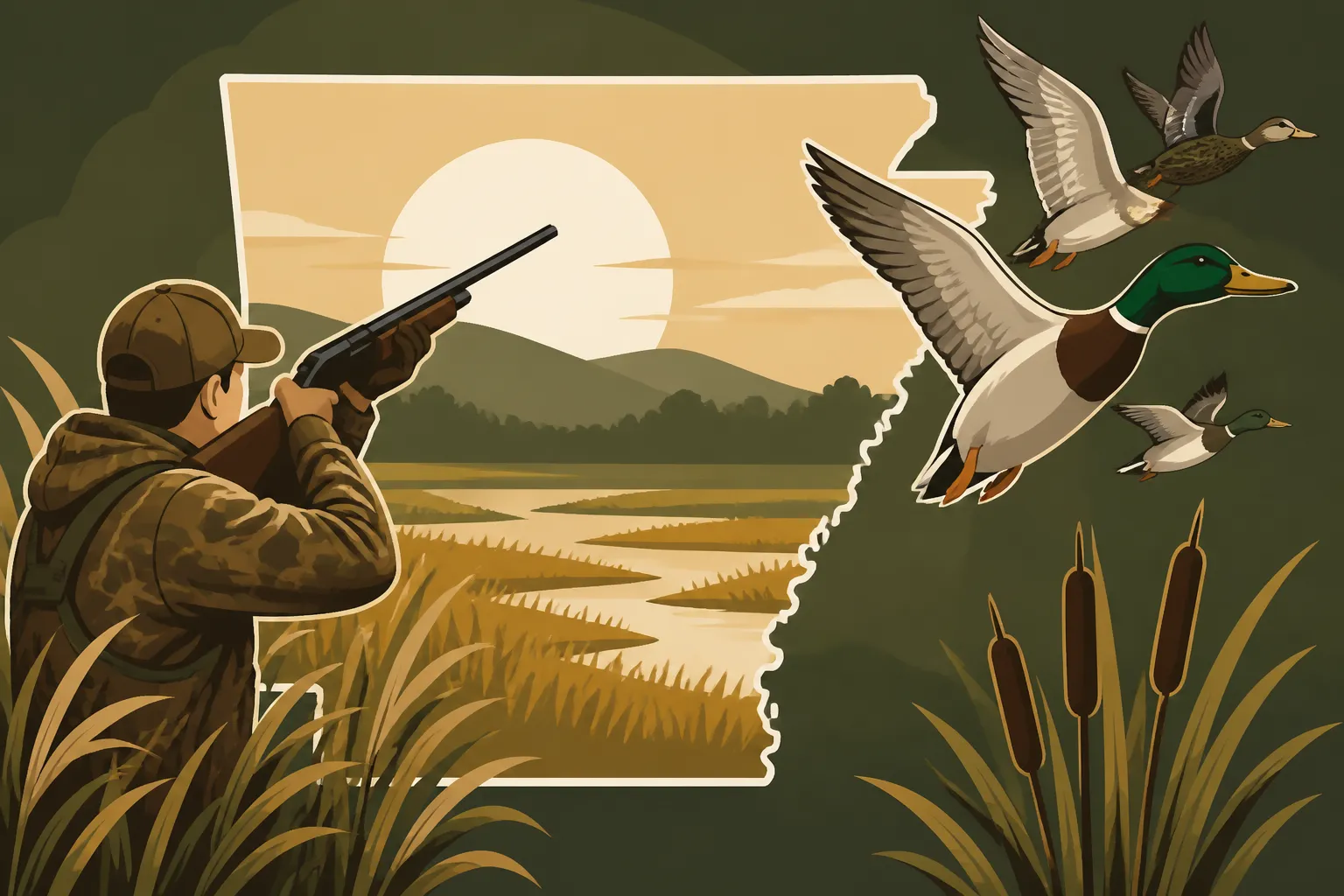
There's no denying it: the mallard is, and has long been, the king of the duck harvest in Arkansas. Ask any duck hunter in the state what they're primarily targeting, and nine times out of ten, it's the greenhead. Mallards thrive in the flooded timber and vast agricultural fields of the Delta, finding both preferred food sources and protected roosting areas. Their numbers often far outstrip any other single species in the annual harvest, making them the most economically and culturally significant duck for Arkansas hunters. The allure of Mallards in the Arkansas Delta is legendary, drawing hunters from across the country. While other species certainly add flavor to the hunt, it's the consistent presence and harvest of mallards that defines the Arkansas duck hunting experience for many. The sheer volume of mallards that migrate through and winter in Arkansas means that even in years when overall numbers might be down slightly, they still represent the largest portion of the harvest.
Other Important Duck Species in the Harvest
While mallards take center stage, a variety of other dabbling and diving ducks contribute significantly to the overall Arkansas harvest. Wood ducks are incredibly popular, especially in more timbered, swampy areas and along smaller creek systems. Their vibrant plumage and acrobatic flight make them a prized bird for many hunters. Pintails, gadwalls, wigeon, and various teal species (green-winged and blue-winged) are also routinely found in hunters' bags, especially during specific phases of the migration. Teal, in particular, are important early in the season and during the Arkansas's September Teal Season. Diver ducks, such as ring-necked ducks, scaup, and ruddy ducks, are harvested on larger, deeper bodies of water like reservoirs and some larger river oxbows, adding another dimension to the state's waterfowl hunting. These "secondary" species often make up a considerable portion of the total duck harvest when combined, showcasing the richness of Arkansas's waterfowl habitats beyond just the prime mallard grounds. A successful hunt, for many, includes a mixed bag that reflects this diversity.
The Growing Presence of Goose Harvest
While ducks traditionally dominate the Arkansas waterfowl narrative, goose harvest numbers have become an increasingly important part of the overall picture. Specklebelly geese, or white-fronted geese, have seen a significant increase in their population and range in recent decades, leading to a substantial rise in their harvest in Arkansas. These birds are highly prized for their meat and the unique challenge they present. You'll find many duck hunters now dedicating time and resources specifically to Specklebelly Hunting in Arkansas Fields. Snow geese also pass through in enormous numbers, especially during the later portions of the regular season and during the special Light Goose Conservation Order, which allows for expanded hunting opportunities. While often challenging to hunt, their sheer abundance can lead to impressive harvest totals in targeted efforts. Canada geese, while not as numerous as snow geese or specklebellies, are also taken, particularly in areas near larger reservoirs or persistent feeding grounds. The inclusion of these goose species means that Arkansas's overall migratory bird harvest numbers are often much higher than just duck numbers alone, offering diverse opportunities for hunters throughout the season.
How Hunters Drive Data Collection and Conservation
It's easy to think of "official" harvest numbers as something produced by scientists and statisticians in an office, far removed from the cold, muddy reality of the duck blind. However, the truth is that hunters are absolutely central to the data collection process. Every time you buy a license, register for a program, or report your harvest, you're directly contributing to the very data that guides conservation and ensures the future of hunting in Arkansas.
Your Role in Federal and State Data Programs
As a hunter, your participation in programs like the federal Harvest Information Program (HIP) is not just a regulatory hurdle; it's a vital contribution to waterfowl management. When you buy your migratory bird permits and register for HIP, you're essentially volunteering to be a potential data source. The U.S. Fish and Wildlife Service, through state agencies like the AGFC, uses these registrations to randomly select hunters for post-season surveys. These surveys ask about your hunting activity, the species you harvested, and the general locations where you hunted. The more accurately and thoroughly hunters respond to these surveys, the more robust and reliable the resulting harvest estimates become. This data, combined with population surveys like Arkansas Duck Counts and Aerial Surveys from breeding grounds, forms the scientific basis for setting annual hunting regulations, including season lengths and bag limits. It's a direct feedback loop: your harvest information helps determine future hunting opportunities, underscoring the importance of honest and timely reporting.
Leveraging Technology for Hunter Information
In today's digital age, technology is making it easier than ever for hunters to both comply with regulations and contribute valuable data. Many state agencies offer online platforms or mobile apps for purchasing licenses, registering for HIP, and even checking in harvested game. These digital tools streamline the process, ensuring more accurate and timely data collection. For instance, platforms like GoHunt provide mapping tools and information that can help hunters plan their trips more effectively, and in turn, if tied into state reporting systems, could help aggregate localized harvest information more easily. Imagine being able to quickly record your harvest right from your blind, or having real-time data on harvest trends in your zone. While the primary goal of these apps is often hunter convenience and access to regulations (like checking current Arkansas Duck Daily Bag Limit), they also create a more efficient pathway for hunters to fulfill their reporting obligations, thus strengthening the data pool. These technological advancements not only benefit the agencies but also empower hunters with better information and a smoother experience.
The Direct Link Between Harvest Data and Management Decisions
Ultimately, all these collected harvest numbers, combined with population estimates and habitat assessments, are the foundation upon which sound wildlife management decisions are made. If harvest numbers for a particular duck species show a long-term decline, wildlife managers will investigate potential causes, which could range from habitat loss on breeding grounds to increased predation or environmental factors. This might trigger stricter regulations, such as reduced bag limits or shorter seasons, to allow populations to recover. Conversely, if harvest numbers are consistently strong, it indicates a healthy population that can sustain current hunting levels. This data also informs broader conservation initiatives, guiding where funds are allocated for habitat restoration, land acquisition, or research. For instance, insights from harvest data can highlight the importance of conserving specific types of habitat like Hunting Arkansas Flooded Green Timber or Hunting Rice Fields and Levees. By understanding and contributing to these harvest numbers, hunters are not just participants in a recreational activity; they are active partners in the scientific management and long-term conservation of Arkansas's incredible waterfowl resources.
Disclaimer
This article is for general informational purposes only and does not constitute professional advice. Laws, prices and regulations vary by location and change over time. Consult a qualified professional for guidance on your specific situation.