Arkansas Bobwhite Quail Decline
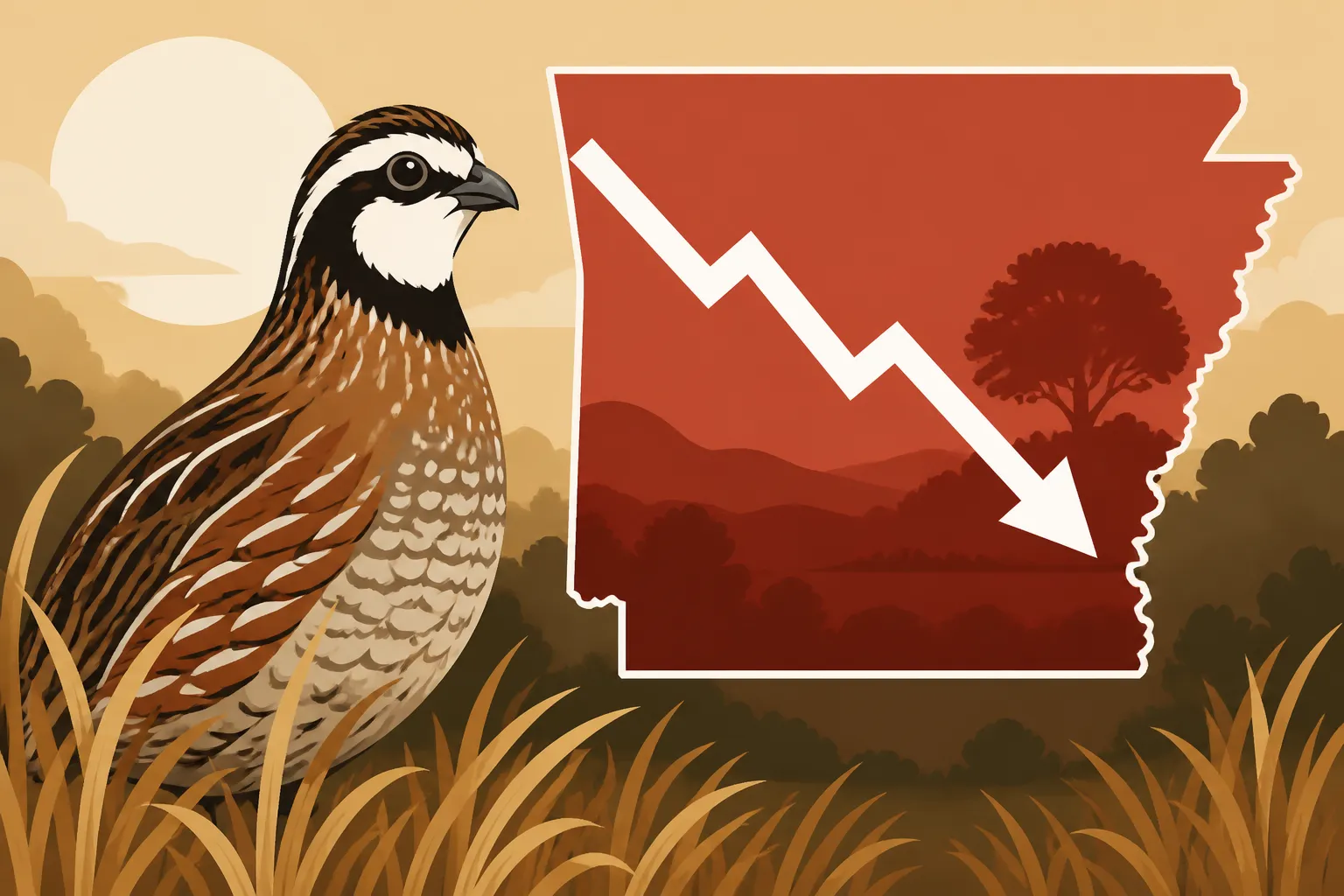
It's heartbreaking, isn't it? To walk through what used to be prime quail country here in Arkansas, fields that once buzzed with coveys rising in an explosion of wings, only to hear… silence. For many of us who remember those abundant days, the dramatic decline of the bobwhite quail feels like a punch to the gut, leaving us wondering what happened and if we'll ever hear that distinctive "bob-WHITE!" call again. This guide dives deep into the complex reasons behind the Arkansas bobwhite quail decline and explores the dedicated efforts being made to bring these cherished game birds back to our landscapes.
The Heartbreaking Reality of the Bobwhite Decline
If you've spent any significant time hunting or simply enjoying the outdoors in Arkansas over the last few decades, you've witnessed it firsthand: the drastic reduction in bobwhite quail populations. It's not just a feeling; it's a stark reality documented across the state and, indeed, much of their historic range. For those of us who grew up with the anticipation of a covey flush, the current situation can feel incredibly discouraging, almost like a piece of our natural heritage is slipping away.
The Ghost of Quail Past: What We Remember
I remember hunts with my dad and granddad, dogs locked on point in what felt like every other field edge. The thrill of those coveys bursting into the air, the chaotic but beautiful flight, the pure joy of it all. It wasn't uncommon to flush multiple coveys in a single morning, the air thick with the scent of wild rose and the sound of whirring wings. Those memories are etched deep, not just for the hunt itself, but for the landscapes that supported such vibrant wildlife. Back then, the patchwork of small farms, hedgerows, and brushy draws provided an ideal mosaic of cover, food, and nesting sites. It felt like every acre had a purpose for quail.
When we talk about the "good old days," we're really talking about a time when agricultural practices, while certainly changing, hadn't yet reached the scale and intensity that would radically alter the habitat. There were more small, diverse farms, less chemical reliance, and more "edge" habitat where fields met woods or brush. It was a simpler time for quail, and many of us lament its passing, yearning for a return to those rich, bustling environments.
Current Population Status: A Stark Picture
Sadly, those memories are often in stark contrast to today's reality. The data collected by wildlife agencies, including the Arkansas Game and Fish Commission (AGFC), consistently shows a significant decline in bobwhite quail numbers across Arkansas. While exact figures fluctuate year to year due to various factors, the overall trend points downwards, a trajectory that has been apparent for many decades. Some regions, particularly those heavily impacted by large-scale agriculture or significant urbanization, have seen their quail populations practically disappear.
It's not just Arkansas; this is a widespread phenomenon throughout the quail's historical range. Research and surveys, often relying on breeding bird surveys and hunter harvest data, paint a picture of scattered, often isolated populations struggling to hold on. The fragmented nature of their remaining habitat means that even if a small covey survives, it often lacks the connectivity to other populations, making it vulnerable to local extinctions from harsh weather or increased predation. This isolated existence makes recovery efforts even more challenging. You might still find pockets, especially on well-managed private lands or in specific Arkansas Quail Focus Areas, but the widespread abundance we once knew is gone.
Why This Matters to Arkansas Hunters and Conservationists
For hunters, the decline of the bobwhite quail represents more than just the loss of a game bird. It's the loss of a cherished tradition, a unique style of hunting that connects us to the land and our heritage. The sight and sound of a covey flush are iconic, and the pursuit of these quick-flying birds with a good dog is an art form. Beyond hunting, quail are an indicator species; their struggle signals broader ecological issues. A healthy quail population signifies a healthy, diverse landscape with abundant native grasses, forbs, and insects – conditions that benefit countless other species, from songbirds to rabbits.
Conservationists understand that saving the bobwhite isn't just about saving one species; it's about restoring entire ecosystems. Their decline underscores the profound impact of human land use on biodiversity. Efforts to restore quail habitat often have ripple effects, improving water quality, reducing soil erosion, and enhancing the overall resilience of the environment. The passion that many Arkansans feel for quail hunting and conservation is a powerful force driving the dedicated work needed to turn this trend around.
Understanding the Core Causes of the Decline
The reasons behind the bobwhite quail's decline are not simple, nor is there a single "smoking gun." Instead, it's a complex web of interconnected factors, primarily driven by changes in how we use and manage our land over the last 70-80 years. Understanding these core causes is the first step toward finding viable solutions and beginning the long road to recovery.
Habitat Loss and Fragmentation: The Primary Culprit
Without a doubt, the most significant factor in the bobwhite's demise is the widespread loss and fragmentation of suitable habitat. Quail are edge-dwelling birds, thriving in areas where different types of cover meet – a mix of native grasses for nesting, brushy thickets for escape, bare ground for dusting, and open woodland for foraging. Historically, Arkansas had an abundance of this "quail-friendly" habitat. However, modern land management has drastically reduced this complexity.
Think about it: vast tracts of diverse landscapes have been converted into monoculture farms, dense timber plantations, or suburban developments. Fencerows, those crucial ribbons of cover and travel corridors, have been cleared to maximize crop acreage. Brushy draws and bottomland thickets have been pushed back or eliminated. Even forested areas, if managed solely for timber production, can become too dense and lack the open understory that quail need. This doesn't just reduce the amount of habitat; it also breaks up what remains into isolated, untenable pockets, making it difficult for coveys to find new territory or interbreed with other populations. Even with advanced mapping tools like GoHunt, which can highlight potential areas, finding truly connected, viable quail habitat is becoming increasingly rare.
Agricultural Practices and Modern Land Use
The evolution of agricultural practices post-World War II played a massive role in reshaping the landscape for quail. The drive for increased efficiency and yield led to larger farms, the removal of fencerows and odd areas, and the widespread use of herbicides and pesticides. Herbicides eliminate the broadleaf plants and weeds that produce the seeds and support the insects quail depend on for food. Pesticides, while targeting crop pests, also decimate the insect populations that are absolutely vital, especially for quail chicks. Young quail primarily feed on insects for protein during their critical early growth stages; without this food source, survival rates plummet.
Beyond chemicals, the sheer scale of modern machinery means larger fields and fewer uncultivated edges. Crops are often planted right up to the road or property line, leaving no room for the transitional habitat quail need. Grazing practices have also shifted; continuous, heavy grazing can degrade native grasslands, removing essential cover and forage. Even where timber is managed, the preference for dense, fast-growing pine plantations often creates a sterile environment lacking the diverse understory required by quail. This relentless push for efficiency in land use, while economically driven, has had devastating ecological consequences for ground-nesting birds like the bobwhite.
Predation and Other Ecological Pressures
While habitat loss is the overarching problem, increased predation pressure acts as a significant compounding factor. In fragmented landscapes, quail are simply more vulnerable. When habitat is scarce and isolated, predators can more easily locate and target nests and coveys. The reduction in natural predator control, coupled with the adaptability of some predator species, has made the situation worse. Raccoons, opossums, skunks, and even feral cats and dogs can be highly effective nest and adult quail predators.
Furthermore, changes in predator populations themselves play a role. As human development expands, certain generalist predators, like coyotes and bobcats, can thrive, sometimes moving into areas where quail were once relatively safe. While Predator and Furbearer Hunting in Arkansas can help locally, it's typically not the silver bullet many hope for without simultaneous, widespread habitat restoration.
Other ecological pressures include diseases and parasites, though these are generally secondary to habitat and predation. Droughts can reduce insect populations and nesting success, while severe winter weather, especially when combined with poor cover, can decimate coveys already struggling with limited resources. It's a cumulative effect where poor habitat makes quail more susceptible to every other challenge thrown their way.
| Factor of Decline | Primary Impact on Quail | Historical vs. Modern Impact |
|---|---|---|
| Habitat Loss | Lack of nesting, brooding, escape cover | Diverse patchwork -> large, uniform blocks |
| Habitat Fragmentation | Isolated populations, reduced genetic flow | Connected landscapes -> disconnected pockets |
| Monoculture Farming | Reduced food diversity (seeds, insects) | Small, varied farms -> vast, single-crop fields |
| Herbicides/Pesticides | Direct food source reduction | Limited chemical use -> widespread application |
| Intense Grazing | Loss of native grasses and nesting cover | Rotational/less intense -> continuous, heavy grazing |
| Predation | Increased mortality of nests and adults | Natural balance -> exacerbated by poor cover/habitat fragmentation |
| Severe Weather | Direct mortality, reduced breeding success | Resilience in good cover -> extreme vulnerability in poor cover |
The Role of Weather and Climate Patterns
While habitat transformation stands as the most dominant force in the bobwhite's decline, it's crucial not to overlook the significant influence of weather and broader climate patterns. These environmental stressors, when combined with already compromised habitats, can deliver devastating blows to quail populations, often dictating the success or failure of a breeding season or even the survival of an entire covey through winter. It's a frustrating reality for conservationists and hunters alike, as these factors are largely beyond human control.
Droughts and Their Impact on Brood Rearing
Arkansas, like much of the South, is no stranger to extended periods of drought. For bobwhite quail, especially during the critical nesting and brood-rearing seasons (late spring through summer), drought can be catastrophic. The direct impacts are numerous:
- Reduced Insect Availability: Quail chicks, in their first few weeks of life, are almost entirely dependent on insects for protein. Droughts suppress insect populations by drying out vegetation and reducing the lush growth where insects thrive. A lack of insects means chicks struggle to grow and develop, leading to higher mortality rates.
- Limited Forb and Seed Production: Many of the native forbs and legumes that produce essential seeds for adult quail food and provide ground cover also suffer during dry spells. This reduces the overall food base for the adults and limits the protective canopy for the young.
- Poor Cover: Sparse, brittle vegetation offers little in the way of hiding spots from aerial and ground predators. Chicks have fewer places to hide, and adults are more exposed during nesting.
- Reduced Water Sources: While quail don't drink standing water daily, the moisture content in their food and dew is crucial. Extreme dryness can lead to dehydration or force quail to travel further for food, exposing them to more risks.
A severe drought can effectively "burn out" a breeding season, leading to very few surviving chicks, and setting the stage for a weaker population going into the fall and winter. This makes even modest population gains from good habitat work seem futile in the face of widespread environmental stress.
Severe Winters and Their Toll
Just as summer droughts can be detrimental, harsh winters in Arkansas can also decimate quail populations, particularly if birds are already stressed from previous conditions or have limited access to quality cover and food. Quail are incredibly resilient, but they are not impervious to the elements.
- Thermal Cover: Quail need dense, protective cover to roost in at night, shielding them from bitter winds, ice, and snow. Without adequate thermal cover—think dense plum thickets, brushy fencerows, or native grass clumps—they can freeze to death or expend too much energy trying to stay warm.
- Food Availability: Heavy snow or prolonged ice cover can make it impossible for quail to access the seeds, berries, and waste grain they rely on for winter sustenance. When their food sources are locked away, they quickly deplete their fat reserves.
- Predation Risk: Snowfall also makes quail more visible to predators, particularly raptors from above and mammals following tracks on the ground. Weakened birds are easier targets.
A winter with successive ice storms or extended deep freezes, especially after a poor nesting season, can wipe out entire coveys, leaving few, if any, survivors to breed in the spring. This pushes local populations closer to extinction and makes recovery even harder.
Changing Weather Extremes and Quail Survival
Beyond individual drought or severe winter events, there's a growing concern about the overall increase in weather extremes. We seem to experience more intense rainfall events, longer dry spells, and more volatile temperature swings. These unpredictable patterns create chronic stress for wildlife like quail.
- Nesting Success: Torrential downpours can flood nests, drowning eggs or young chicks. Erratic temperature swings can cause nests to be abandoned or impact egg viability.
- Resource Fluctuations: Unpredictable weather makes it harder for the landscape to consistently produce the diverse food and cover quail need. One year might see a boom in a certain food source, only for it to fail completely the next.
- Habitat Degradation: Prolonged wet periods can lead to increased disease, while intense heat can stress birds. The continuous cycle of extremes prevents a stable environment where populations can steadily grow.
These broader climatic shifts mean that even with excellent habitat management on a local level, a well-placed covey can still be severely impacted by forces entirely outside our control. It adds another layer of challenge to the already complex task of quail restoration, making every bit of habitat improvement that much more critical to help birds weather these unpredictable events.
Arkansas's Efforts to Reverse the Trend
Despite the disheartening decline, there is hope, fueled by dedicated individuals and organizations here in Arkansas. The recognition of the bobwhite's plight has spurred various initiatives aimed at understanding the problem better and implementing on-the-ground solutions. It's a long game, requiring patience, persistence, and collaboration, but the commitment to bringing back the "prince of game birds" is strong.
AGFC Programs and Habitat Initiatives
The Arkansas Game and Fish Commission (AGFC) has been at the forefront of bobwhite quail conservation efforts. Understanding that habitat is the fundamental issue, many AGFC programs focus on restoring and enhancing the specific types of cover, food, and nesting areas quail need. These initiatives often involve:
- Habitat Demonstration Areas: On some Wildlife Management Areas (WMAs), the AGFC manages tracts of land specifically to showcase ideal quail habitat. This can involve prescribed burning, disking, native grass plantings, and brush management to create the desired mosaic of cover. These areas serve as living laboratories and educational sites, demonstrating effective techniques.
- Technical Assistance for Landowners: Recognizing that the vast majority of land in Arkansas is privately owned, the AGFC provides technical guidance to landowners interested in quail habitat improvement. Biologists can walk properties, assess current conditions, and offer tailored recommendations on practices like timber thinning, planting native grasses, or establishing food plots designed for quail.
- Partnerships with Conservation Groups: The AGFC often collaborates with national and state conservation organizations, such as Quail Forever, to leverage resources and expertise. These partnerships help fund projects, develop management plans, and expand outreach to a broader audience. You can find information on AGFC's website about current quail projects and how to get involved.
These programs are vital because they provide both the scientific backing and the practical tools needed to create real change on the landscape. They help connect the dots between research and action, ensuring efforts are effective.
Private Landowner Involvement and Cost-Share Programs
The sheer scale of private land in Arkansas means that widespread quail recovery is impossible without the active participation of individual landowners. Many private landowners deeply care about wildlife and their land, but they might lack the financial resources or technical knowledge to undertake large-scale habitat projects. This is where cost-share programs come in.
- Farm Bill Programs: Federal programs, often administered through the Natural Resources Conservation Service (NRCS), offer financial and technical assistance to farmers and ranchers. Programs like the Conservation Reserve Program (CRP) or Environmental Quality Incentives Program (EQIP) can incentivize landowners to convert marginal crop ground into native grasslands or establish quail-friendly buffer strips. These programs are incredibly impactful, often providing the financial incentive needed to make ecologically sound decisions.
- State-Level Incentives: The AGFC, sometimes in conjunction with partners, may offer specific state-level cost-share opportunities for landowners targeting quail habitat. These can help cover the cost of equipment, seeds, or professional services for habitat work.
- Landowner Education: Beyond financial incentives, education is key. Workshops, field days, and online resources help landowners understand the specific needs of quail and how various management practices, such as timber stand improvement or planting native warm-season grasses, can benefit them. Tools like GoHunt can also help landowners map out their properties and identify areas best suited for specific habitat improvements, making their efforts more strategic.
By empowering private landowners, these programs extend conservation efforts far beyond public lands, creating a broader network of interconnected habitats that are essential for long-term quail survival and population growth. This is where we will see the real difference, parcel by parcel.
Collaborative Research and Monitoring
Effective conservation is built on sound science. To truly understand why quail are declining and what interventions work best, ongoing research and monitoring are essential. The AGFC, universities, and other partners engage in various studies:
- Population Surveys: Biologists conduct regular surveys to track quail numbers, brood success, and survival rates across different regions and habitat types. This data is crucial for assessing the effectiveness of management strategies and identifying areas most in need of attention. Techniques range from roadside call counts to dog-and-hunter flush counts.
- Habitat Studies: Research also focuses on identifying the specific habitat components most critical for quail at different life stages. This might involve evaluating the density and species composition of native grasses for nesting, or the structure of brushy escape cover. Understanding these nuances helps refine management recommendations.
- Disease and Predator Research: Studies into the prevalence of diseases or the impact of specific predators can also inform management strategies. For example, understanding predator movement patterns might lead to more effective predator control efforts in specific areas.
- Adaptive Management: Conservation is rarely a one-size-fits-all solution. Through adaptive management, results from monitoring and research feed back into management plans, allowing biologists to adjust strategies based on what's working and what isn't. This continuous learning cycle is fundamental to achieving meaningful recovery for the Arkansas Bobwhite Quail Decline.
By investing in research and robust monitoring, Arkansas ensures that conservation efforts are guided by the best available science, maximizing the chances of successful quail recovery.
What Hunters and Landowners Can Do
Feeling overwhelmed by the scope of the bobwhite quail decline is completely understandable, but it's important to remember that every action, no matter how small it seems, can contribute to the solution. Hunters and landowners, in particular, hold significant power to make a difference. After all, you're the eyes and ears on the ground, and your passion for wildlife can translate directly into tangible habitat improvements.
Practical Habitat Management on Your Property
If you own land in Arkansas, even a small parcel, you have a unique opportunity to create or enhance quail habitat. It doesn't always require a complete overhaul, but rather thoughtful management that mimics the diverse, productive landscapes quail once thrived in.
- Native Grass and Forb Plantings: One of the most impactful things you can do is to establish stands of native warm-season grasses (like Big Bluestem, Indiangrass, Little Bluestem) mixed with native forbs (wildflowers and broadleaf plants). These provide excellent nesting cover, abundant insects, and a continuous supply of seeds. Avoid non-native fescue, which forms a dense mat unsuitable for quail. The AGFC and NRCS can offer guidance on species selection and planting techniques.
- Disking and Prescribed Burning: These are powerful tools for managing early successional habitat. Disking (lightly turning over the soil) can stimulate the growth of beneficial annual weeds and forbs that provide food and cover. Prescribed burning, when done safely and correctly, helps to set back woody encroachment, control undesirable plants, and stimulate native vegetation. Always consult with professionals and obtain necessary permits before burning.
- Brush Piles and Hedgerows: Quail need escape cover from predators and protection from harsh weather. Creating brush piles from downed timber or maintaining shrubby hedgerows along field edges provides vital shelter. Think about planting native shrubs like plum, sumac, or blackberry to create dense, living cover. These thickets are absolutely crucial, particularly in open landscapes.
- Timber Management: If you have timbered areas, consider thinning stands and using prescribed fire to create a more open understory. This allows sunlight to reach the forest floor, promoting the growth of native grasses and forbs, making the woods more welcoming for quail and other Small Game and Squirrel Hunting in Arkansas.
- Smart Food Plotting: While not a substitute for diverse native habitat, well-planned food plots can supplement natural food sources. Plant mixes of native sorghum, millet, or other grains that mature at different times, providing food throughout the fall and winter. Ensure they are placed adjacent to good escape cover.
Remember, the goal is variety and interspersion – a mix of different cover types within a small area, allowing quail to meet all their needs without traveling far. You can use tools like GoHunt to visualize your property's topography and existing cover, helping you strategically plan where to implement these improvements for maximum benefit.
Supporting Conservation Organizations and Initiatives
Even if you don't own land, you can still play a vital role. Financial contributions and volunteer efforts are critical for organizations doing the heavy lifting in quail conservation.
- Join and Donate: Become a member of organizations like Quail Forever or your local chapter of the Arkansas Wildlife Federation. Your membership fees and donations directly fund habitat projects, research, and landowner outreach programs.
- Volunteer Your Time: Many conservation groups organize workdays for habitat improvement, such as planting native grasses, building brush piles, or clearing invasive species. Your physical labor can make a tangible difference on public and private lands.
- Advocate for Policy: Stay informed about conservation policy at the state and federal levels. Support legislation and programs that incentivize wildlife-friendly agricultural practices and fund habitat restoration efforts. Write letters to your representatives, attend public meetings, and voice your support for quail conservation.
Every dollar and every hour volunteered helps amplify the impact of these dedicated efforts across Arkansas, moving the needle closer to a landscape where quail can truly thrive again.
Becoming a Citizen Scientist and Advocate
Your observations from the field are valuable! The more information biologists have, the better they can understand quail populations and adapt management strategies.
- Report Quail Sightings: If you're out hunting or just enjoying nature, report any quail sightings to the AGFC. Details like location, time of day, number of birds, and associated habitat can be incredibly useful. You might even find specific online portals or apps for submitting such data.
- Participate in Surveys: If available, volunteer for citizen science initiatives like roadside quail call counts or participate in programs that track nesting success. Your boots-on-the-ground efforts provide crucial data points that complement professional surveys.
- Share Your Knowledge: Talk to your friends, family, and fellow hunters about the importance of quail conservation. Share what you've learned about habitat management and encourage others to get involved. A groundswell of informed, passionate individuals can create significant momentum.
- Practice Ethical Hunting: If you still hunt quail, practice ethical harvesting. Ensure you have the proper Arkansas Hunting Licenses and What They Cost and abide by all Arkansas Small Game Seasons and Limits. In areas with struggling populations, consider reducing your harvest or focusing entirely on habitat work rather than hunting.
- Scout Smarter: Before heading out, use resources like the AGFC's interactive maps or GoHunt to scout potential public or private land. Look for areas that indicate suitable habitat, such as mixed brush and grassland, and plan your approach carefully. Scouting Arkansas Public Land Before Season is always a good idea, not just for deer but for small game too.
By actively participating and advocating, you become part of the solution, helping to ensure that future generations can experience the thrill of the bobwhite covey flush that many of us remember so fondly.
Disclaimer
This article is for general informational purposes only and does not constitute professional advice. Laws, prices and regulations vary by location and change over time. Consult a qualified professional for guidance on your specific situation.