CWD in the Arkansas Elk Herd
It's incredibly frustrating for hunters when a serious disease like Chronic Wasting Disease (CWD) impacts a cherished wildlife population, especially one as magnificent and unique to Arkansas as our elk herd. When you've put in the time, effort, and drawn a coveted tag to hunt these animals, the last thing you want is the worry and uncertainty that CWD brings. This guide is here to break down everything you need to know about CWD specifically in the Arkansas elk herd, from what it is to how it affects your hunting plans and what you can do to help.
Understanding Chronic Wasting Disease (CWD)
Chronic Wasting Disease is a topic that can feel overwhelming, full of scientific terms and grave warnings, but understanding the basics is the first step to navigating its presence in our state. It's a complex issue, but we can simplify it to help you grasp what it truly means for Arkansas's wildlife and for us, the hunters.
What is CWD and How Does It Spread?
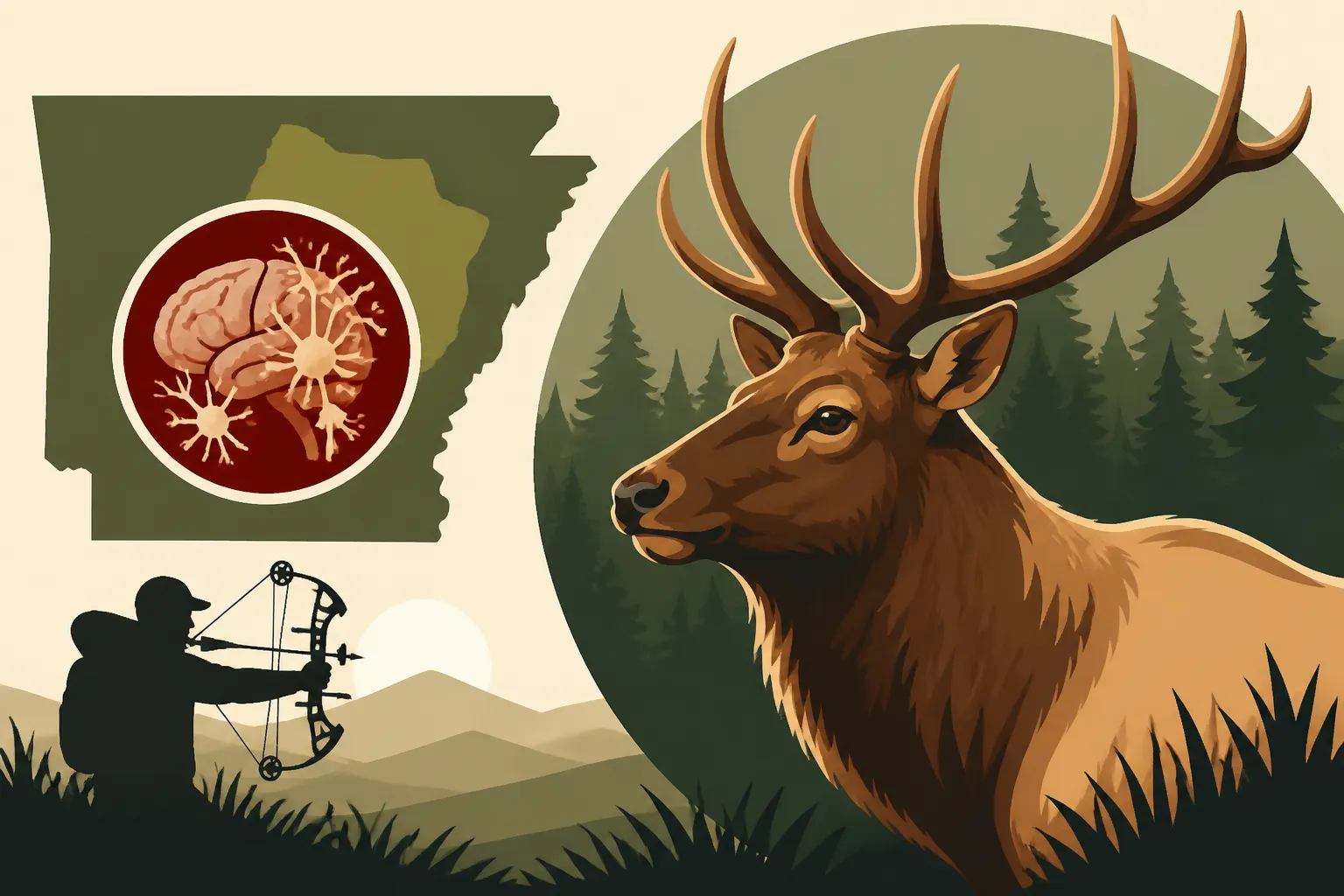
At its core, CWD is a neurological disease that affects cervids – that's deer, elk, moose, and reindeer. It's caused by abnormal proteins called prions, which are essentially misfolded proteins that cause normal proteins in the animal's brain to also misfold. This process slowly and inevitably damages the brain, leading to a range of debilitating symptoms. Think of it like a slow, degenerative disease, but one that is always fatal once an animal contracts it. There is no cure, no vaccine, and no treatment.
The insidious thing about CWD is how it spreads. It's not like a typical virus or bacteria; these prions are incredibly resilient. They can be transmitted directly from animal to animal through contact with infected saliva, urine, or feces. Imagine an infected elk licking a salt block, then a healthy elk comes along and does the same – that's a potential transmission route right there. But it's also the indirect spread that makes CWD so challenging. Prions can persist in the environment for years, even decades, in soil, water, and on plants. An elk could graze in an area where an infected animal once left its droppings, pick up prions from the soil, and become infected. This environmental persistence means that once CWD is established in an area, it's incredibly difficult, if not impossible, to eradicate. The ground itself can become a reservoir for the disease, constantly posing a threat to new generations of cervids.
Symptoms of CWD in Elk
Identifying CWD in a live elk in the wild can be quite tricky, especially in the early stages of the disease. The incubation period can be long, often taking months or even years for symptoms to become apparent, which means an infected animal can be spreading prions long before anyone notices anything is wrong. However, once symptoms do manifest, they are generally progressive and quite distinctive, leading to the "wasting" part of Chronic Wasting Disease.
Common symptoms include a noticeable loss of body condition, leading to severe emaciation – essentially, the animal wastes away, hence the name. You might observe behavioral changes, such as a lack of fear of humans, a blank stare, or general listlessness. An infected elk might stand with its head lowered, walk in repetitive patterns, or stumble. Excessive drooling, difficulty swallowing, and increased thirst and urination are also frequently observed. Imagine an elk that looks like it's perpetually parched, with a matted coat, and seems completely disconnected from its surroundings. These are all signs that something is severely wrong. It's heartbreaking to witness, and as hunters, if we ever see an animal exhibiting these signs, it's our ethical responsibility to report it to the Arkansas Game and Fish Commission (AGFC) immediately. Early detection, even of a symptomatic animal, is key to monitoring the disease's spread.
The History and Impact of CWD in Arkansas's Elk
The presence of CWD in Arkansas's beloved elk herd is a relatively recent development, but one that has had a significant impact on how these animals are managed and hunted. It's a sobering reminder that our state's wildlife populations are not isolated from larger ecological challenges.
How CWD Arrived and Was Detected in Arkansas Elk
CWD first made its appearance in Arkansas in 2016, initially detected in a deer harvested in north-central Arkansas. This discovery immediately triggered alarm bells within the AGFC, knowing that deer and elk often share overlapping habitats. The AGFC swiftly implemented enhanced surveillance and testing protocols, not just for deer but also proactively for the state's iconic elk herd. Given the success of the Arkansas Elk Reintroduction History and the growth of The Buffalo River Elk Herd, protecting these animals became an even higher priority.
The first confirmed case of CWD in an Arkansas elk came in 2018, just two years after the initial deer detection. This elk was found deceased in Newton County, an area within the core elk range near the Buffalo National River. This discovery confirmed fears that the disease had jumped from the deer population to the elk, likely through shared environmental contamination or direct contact, as elk and deer frequently inhabit the same forests and river bottoms in this region. This initial detection led to the establishment of specific CWD management zones that encompassed critical elk habitat, broadening the scope of the original CWD zones for deer. You can learn more about Where CWD Was First Found in Arkansas in our other articles.
Prevalence and Management in the Elk Herd
Since that first detection, the AGFC has diligently monitored the prevalence of CWD within the Arkansas elk herd. This isn't an easy task, especially with a population as dynamic as elk. They rely heavily on samples collected from hunter-harvested elk, making every hunter who draws an Arkansas Elk Permit Application Dates a crucial partner in conservation. Hunters are required to present their harvested elk for CWD testing, typically at designated check stations or drop-off points within the CWD management zone. This data allows wildlife biologists to track the spread and intensity of the disease.
Managing CWD in a relatively small, re-established population like Arkansas's elk presents unique challenges. Unlike some larger, more widespread elk populations in western states, our herd is concentrated in a specific region, primarily within the Arkansas Elk Range and Viewing area. This concentration, while a success story for reintroduction, can also make the herd more vulnerable to disease transmission. The AGFC's management strategies focus on preventing further spread, reducing prevalence where possible, and understanding the long-term impacts. This includes continued intensive surveillance, educating hunters, and implementing strict regulations on carcass transport and baiting. GoHunt mapping tools can be a valuable resource for hunters wanting to visualize these specific management zones and understand boundaries. These efforts are ongoing, and it's a constant battle to stay ahead of the disease while ensuring the health and viability of the herd.
Implications for Elk Hunters in Arkansas
As a hunter who dreams of drawing one of those coveted elk tags, the presence of CWD understandably adds another layer of consideration to your hunt. It's not just about scouting and shot placement anymore; it's about being a responsible steward of the resource in the face of a serious wildlife disease.
Hunter Responsibilities and Regulations
When you're fortunate enough to draw an Arkansas elk permit, you become an integral part of the CWD management effort. Your responsibilities extend beyond the hunt itself. The most critical regulation you'll encounter is the mandatory CWD testing for all harvested elk within the designated CWD management zones. This means that after you successfully harvest an elk, you'll need to transport it to an official AGFC check station or designated sample drop-off location to have a tissue sample collected for testing. This is non-negotiable and vital for disease surveillance.
Another significant area of regulation concerns carcass transport. If you harvest an elk in a CWD management zone, there are strict rules about what parts of the animal you can transport out of that zone. Generally, only boned-out meat, cleaned skull plates with antlers attached, clean hides, and clean teeth are allowed to leave the CWD zone. The brain, spinal cord, eyes, spleen, and lymph nodes—parts most likely to contain prions—must remain within the CWD zone for proper disposal. This prevents inadvertently spreading infected materials to new areas. Understanding Arkansas CWD Rules and Carcass Transport is paramount. Additionally, regulations regarding baiting and feeding are often more stringent or completely prohibited in CWD management zones to prevent the concentration of animals at a single site, which can facilitate disease transmission. Always check the current Baiting Rules in Arkansas CWD Zones before heading into the field. The AGFC's regulations are updated annually, so it's crucial to check their website or use a reliable app like GoHunt to stay informed on the most current rules and zone boundaries before you plan your hunt.
Safe Handling and Consumption of Elk Meat
The question of meat safety is naturally a top concern for any hunter. While there's currently no strong scientific evidence that CWD can be transmitted to humans, public health agencies universally advise extreme caution. This means taking specific precautions during field dressing and avoiding consumption of meat from any animal that tests positive for CWD or appears sick.
When field dressing an elk in a CWD zone, it's wise to wear rubber gloves to minimize contact with tissues and fluids. Try to avoid cutting into the brain, spinal cord, lymph nodes, and spleen, as these are the areas where prions are most concentrated. Dispose of any carcass parts not removed from the field in a manner consistent with AGFC guidelines—often requiring them to remain within the CWD zone or be taken to a designated disposal site. After processing, thoroughly clean all knives, tools, and surfaces with a bleach solution. If your harvested elk tests positive for CWD, the AGFC will notify you, and it's strongly recommended that you do not consume the meat. This isn't just about personal safety; it's about preventing any theoretical, however small, risk to human health and ensuring you're not contributing to the problem. It's about being smart and responsible with the game you harvest. If you have questions about specific practices, don't hesitate to consult the AGFC or public health resources.
The Future of Arkansas Elk Hunting and CWD
The ongoing battle with CWD is a long-term commitment, one that involves scientists, wildlife managers, and, crucially, hunters. The future of Arkansas's unique elk herd depends on our collective understanding, adaptability, and dedication to conservation.
Ongoing Research and Monitoring Efforts
The Arkansas Game and Fish Commission, often in partnership with universities and federal agencies, is deeply engaged in ongoing research and monitoring efforts concerning CWD in the elk herd. This isn't just about counting positive cases; it's about understanding the disease's dynamics in our specific landscape. Researchers are studying how CWD spreads within the elk population, what factors might influence its prevalence, and the potential long-term impacts on herd health and genetics. They're looking at environmental persistence of prions, movement patterns of infected animals, and how different management strategies might affect disease rates.
These studies often involve advanced diagnostics, genetic analysis, and population modeling. The goal is to develop the most effective strategies to contain the disease, or at least mitigate its impact, ensuring a healthy and huntable elk population for generations to come. Your participation in mandatory testing and reporting sick animals directly contributes to this vital scientific data, providing the samples and observations that fuel these research efforts. Every piece of information helps paint a clearer picture of CWD's footprint in our state.
Conservation Strategies and Hunter Participation
Managing CWD requires a multi-faceted approach, and conservation strategies often involve a combination of habitat management, targeted harvest, and stringent regulations. For instance, selective harvesting might be considered in areas of higher prevalence to reduce overall herd density, which can help slow disease transmission. Proper carcass disposal, as discussed earlier, is critical to preventing environmental contamination. Habitat management can also play a role by promoting healthier animals that might be more resilient, although CWD is always fatal once contracted.
But beyond the AGFC's direct actions, hunter participation is the cornerstone of successful CWD management. Your role as a hunter goes far beyond simply pulling a trigger. By diligently adhering to regulations such as Carcass Transport Rules Out of Arkansas, participating in mandatory CWD testing for harvested elk, and promptly reporting any elk showing symptoms of CWD, you are actively contributing to the health of the herd. Staying informed about current regulations, perhaps through resources like GoHunt, and educating other hunters are also invaluable contributions. We all share a common goal: to protect Arkansas's incredible wildlife heritage. The future of our elk hunting tradition, and indeed the herd itself, relies heavily on the informed and ethical choices we make as hunters. It ties into the broader framework of responsible hunting, emphasizing the importance of not just obtaining your Arkansas Hunting Licenses and What They Cost but also understanding and abiding by all rules, often reinforced through programs like Arkansas Hunter Education and Safety Rules.
CWD Hunter Guidelines for Elk in Arkansas
| Action / Item | Details for Elk Hunters in Arkansas CWD Zones |
|---|---|
| Harvested Elk | Mandatory CWD testing at designated AGFC check stations or drop-off points. Plan for this as part of your hunt. |
| Carcass Transport | Strict rules: Only boned-out meat, cleaned skull plates (antlers attached), hides, and clean teeth allowed to leave the CWD zone. Do NOT transport brain, spinal cord, or internal organs out of the zone. |
| Baiting/Feeding | Generally prohibited in CWD management zones for all cervids, including elk. Always check current AGFC regulations before deploying any attractants. |
| Reporting Sick Elk | Immediately contact the Arkansas Game and Fish Commission (AGFC) if you observe any elk exhibiting CWD symptoms (emaciation, abnormal behavior, drooling, etc.). Do not attempt to harvest a sick animal without AGFC guidance. |
| Meat Consumption | If your elk tests positive for CWD, it is strongly advised not to consume the meat. AGFC will notify you of test results. Exercise caution by wearing gloves during field dressing. |
| Equipment Cleaning | Thoroughly clean all knives, tools, and surfaces with a 10% bleach solution after processing an elk, especially if done in the field. |
| Stay Informed | Regulations change. Always consult the latest AGFC hunting guide and official website, or use trusted apps like GoHunt, for the most current CWD zone maps and rules. |
Disclaimer
This article is for general informational purposes only and does not constitute professional advice. Laws, prices and regulations vary by location and change over time. Consult a qualified professional for guidance on your specific situation.