EHD Die-Offs in Arkansas Deer
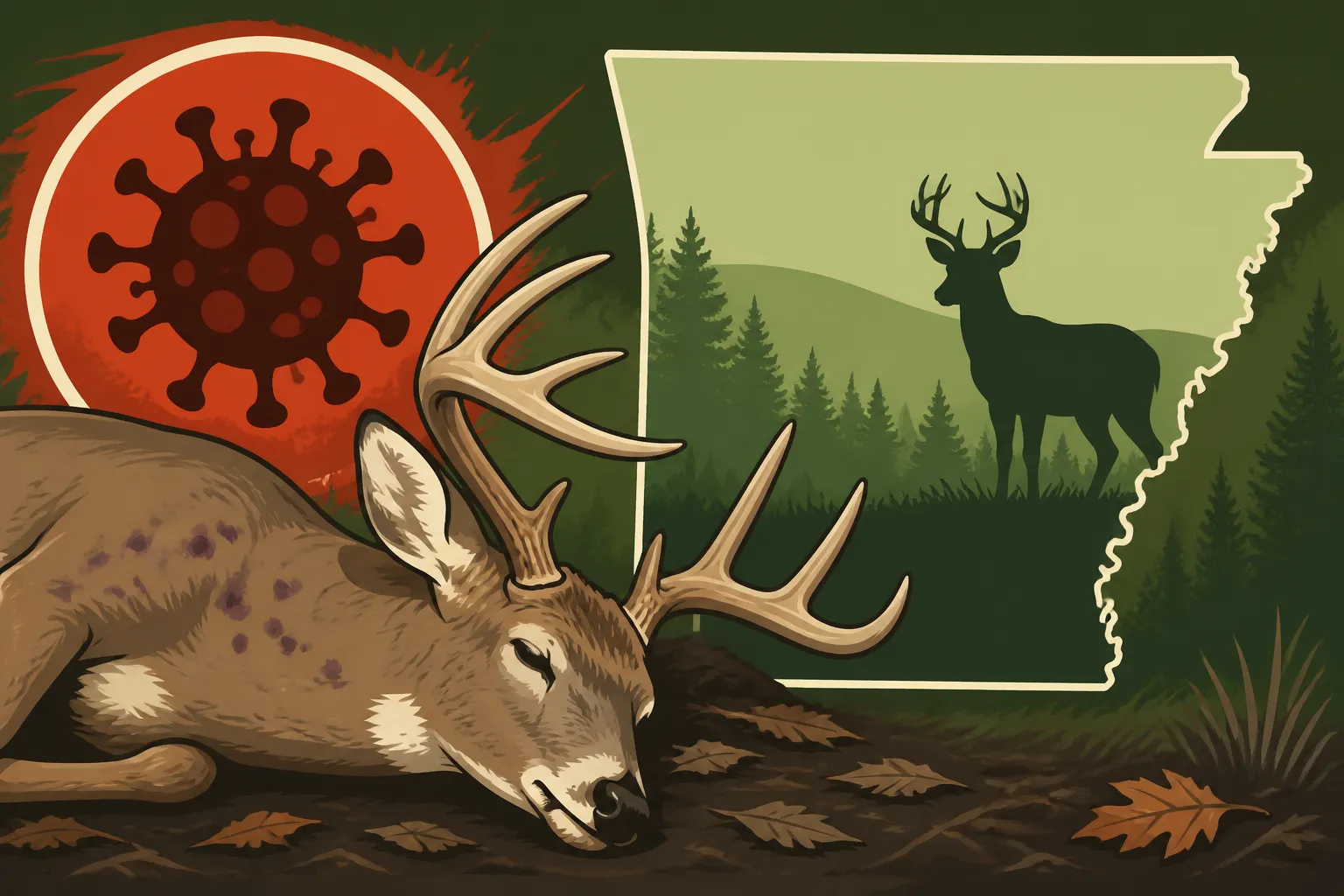
There's nothing quite as disheartening for an Arkansas deer hunter as heading into the woods, full of anticipation for the season, only to stumble upon the lifeless body of a deer – or worse, several – often near a drying creek bed or pond. It’s a gut-wrenching sight that can leave you wondering what on earth is happening to our deer herd. More often than not, what you're witnessing is the devastating impact of Epizootic Hemorrhagic Disease, or EHD, a recurring, natural phenomenon that affects deer populations right here in the Natural State. This guide is here to shed light on EHD, explain what causes these die-offs, how to recognize the signs, and what you, as a concerned hunter, can do when it inevitably appears.
What Exactly is EHD and How Does It Affect Deer?
When you hear "EHD," it might sound like some scary, man-made affliction, but it's actually a completely natural, viral disease that’s been part of deer populations for a very long time. It’s important to understand that EHD is not a new threat, though its impacts can certainly feel sudden and severe when an outbreak occurs.
The Culprit: Midges (No-See-Ums)
At the heart of every EHD outbreak are tiny, insidious insects known as biting midges. We often call them "no-see-ums" in the South because they're so small you barely notice them until you’re covered in itchy bites. These little bloodsuckers, specifically species like Culicoides sonorensis, are the vectors for the EHD virus. Deer don't catch EHD from other deer directly; they contract it when an infected midge bites them and transmits the virus into their bloodstream.
Think of it like mosquito-borne illnesses in humans. The midge itself isn't harmed by carrying the virus, but it becomes a biological syringe, ready to infect the next deer it bites. These midges thrive in warm, humid conditions, often breeding in muddy areas, drying creek beds, and stagnant pools of water. That's why you often see outbreaks ramp up in the late summer and early fall when conditions are ripe for midge explosions and water sources begin to recede, concentrating deer and midges in smaller areas.
Symptoms and Impact on Deer
Once a deer is bitten by an infected midge, it can take anywhere from a few days to a week for symptoms to appear. The severity of EHD can vary greatly, depending on the strain of the virus and the individual deer's immune system, but generally, it's a brutal disease.
Common symptoms include a sudden high fever, which drives the deer to seek out water sources, making creek beds and pond edges common places to find deceased animals. You might also notice swelling of the head, neck, tongue, and eyelids, giving the deer a very bloated appearance. Internally, the virus causes extensive hemorrhaging, or bleeding, throughout the body, particularly in the heart, lungs, and intestines. This internal damage is what often leads to rapid death. Severely affected deer might also appear lame, acting dazed or disoriented, and they may have a bloody discharge from their nose or mouth. Death can occur within 24 to 36 hours of symptoms appearing in acute cases, leaving little time for observation.
Why Some Deer Survive and Others Don't
It's not a death sentence for every deer that gets EHD. Just like humans with the flu, some deer might experience a mild case and recover, while others succumb quickly. Deer that survive an EHD infection develop antibodies, granting them a degree of immunity to that specific strain of the virus in the future. This is what we call herd immunity, and it plays a crucial role in how deer populations recover from outbreaks.
You might encounter a deer with tell-tale signs of a past EHD infection, even months later. These signs can include sloughing or breakage of their hooves, or even visible scars on internal organs if you're field dressing one. These are signs of the chronic form of the disease, where the deer survives the initial acute phase but suffers lingering effects. Younger deer and those that haven't been exposed to EHD before are often the most vulnerable, leading to higher mortality rates in these groups during an outbreak. It's a natural selection process, albeit a tough one to witness.
EHD in Arkansas: Understanding the Patterns
Arkansas, with its diverse landscapes ranging from the Delta's rich floodplains to the rugged Ozark and Ouachita Mountains, experiences EHD outbreaks with varying intensity and frequency. It's a predictable part of our ecosystem, though no less concerning when it impacts your favorite hunting grounds.
Seasonal Outbreaks and Environmental Factors
EHD is intrinsically linked to the seasons and, more specifically, to the weather. The peak time for EHD outbreaks in Arkansas is typically late summer through early fall, often from August through October. This timing coincides perfectly with the life cycle of the biting midges. As summer heat bakes the landscape, many smaller water sources dry up or become stagnant, creating ideal breeding grounds for these insects. Deer, seeking relief from the heat and congregating around dwindling water, come into closer contact with large numbers of infected midges.
A classic scenario involves a hot, dry summer, followed by a sudden period of rainfall that creates numerous small, muddy pools for midges to hatch in, leading to an explosion in their population. Then, as deer come to these spots for water, the transmission chain ignites. The good news is that the first hard frost of the year effectively kills off the midge population, bringing an abrupt end to EHD outbreaks for the season. Understanding these weather patterns can give you a better idea of when and where to expect potential impacts.
Geographic Distribution and Severity
EHD can pop up virtually anywhere in Arkansas where there are deer and midges, but certain areas tend to be more susceptible or experience more severe outbreaks. River bottoms and areas with extensive wetlands or poorly drained soils, particularly in the Delta region, can be hotspots due to the abundance of midge breeding habitat. However, even the drier uplands of the Ozarks and Ouachitas can see significant die-offs if localized conditions – like a series of drying puddles or stagnant ponds – favor midge proliferation.
The severity of EHD can be a moving target. One year, your county might experience a severe outbreak, while the next it's hardly noticeable. These variations are often due to shifts in weather patterns, the specific strain of the EHD virus present, and the level of immunity within the local deer herd. Keeping an eye on local reports and discussions can be helpful, and resources like GoHunt often have community forums where hunters share observations from their areas, which can provide early indicators alongside official reports. Knowing the general deer population density can also help anticipate the potential impact of an outbreak. For a broader perspective on deer health, you might want to review the annual Arkansas Deer Population Estimate.
Historical Context of EHD in Arkansas
EHD is not a new challenge for Arkansas wildlife managers. The Arkansas Game and Fish Commission (AGFC) has been monitoring and managing outbreaks of EHD for decades. It's a natural regulatory mechanism for deer populations, similar to how disease can impact any wildlife species. While it can feel devastating to witness, especially when trophy bucks are among the casualties, deer herds are remarkably resilient.
Major outbreaks have occurred periodically throughout the state's history, often leaving behind a noticeable dip in local deer numbers for a year or two. However, populations typically rebound within a few seasons as healthy deer reproduce and expand their numbers. The AGFC uses reports from hunters and its own surveys to track these outbreaks, helping them make informed decisions about deer management strategies, such as setting tag limits, in the affected areas for subsequent seasons. It’s part of the dynamic relationship between wildlife and their environment.
What Hunters Should Do About EHD
Encountering an EHD die-off can be concerning, but as an Arkansas hunter, you have an important role to play in monitoring and understanding the disease. There are practical steps you can take to help, and to ensure your own safety and the responsible management of our deer resource.
Reporting Sick or Dead Deer
If you find multiple dead deer, especially if they appear to have succumbed recently and exhibit EHD symptoms (swelling, bloody discharge, found near water), or if you see a deer acting unusually sick or disoriented, it is absolutely crucial to report it to the Arkansas Game and Fish Commission. This isn't just a suggestion; it's a vital part of disease monitoring.
Here’s why your report matters:
- Disease Surveillance: Your observations help the AGFC track the geographic spread and intensity of EHD outbreaks across the state. This data informs their management decisions.
- Differentiating Diseases: While EHD is common, other diseases, like Chronic Wasting Disease in Arkansas (CWD), can also affect deer. Reporting sick animals allows wildlife biologists to investigate and rule out other, potentially more serious, threats to the herd. For specific guidance, look up how to go about Reporting a Sick Animal in Arkansas.
- Public Awareness: Timely reporting enables the AGFC to update hunters and the public about current disease activity, helping everyone make informed decisions.
When you report, be prepared to provide details like the exact location (GPS coordinates are best), the number of deer observed, and a description of their condition or any symptoms. Even if you're using general scouting tools like GoHunt to find new areas or share information, remember that official disease reports should always go directly to the AGFC.
Field Dressing and Meat Safety Concerns
Finding a deer that appears to have died from EHD often leads to questions about meat safety. The good news is that EHD is not known to be transmissible to humans. You cannot get EHD from eating the meat of an infected deer. However, that doesn't mean you should automatically harvest and consume any deer you find that might have had EHD.
Here's a breakdown of considerations:
- Deer found dead: Generally, it's best to avoid consuming any deer found dead in the woods, regardless of the suspected cause. Decomposition begins quickly, especially in Arkansas heat, and bacterial contamination is a significant concern.
- Deer shot with mild symptoms: If you harvest a deer that appears outwardly healthy but, upon field dressing, you notice some internal anomalies (e.g., small hemorrhages in the muscle or organs), it might have had a very mild, non-lethal case of EHD. Most hunters consider such meat safe to eat, provided the deer was alert and active when harvested and the internal organs otherwise appear healthy. Make sure you're diligent about Field Dressing in Arkansas Heat to preserve the meat.
- Deer showing obvious signs of illness: If a deer is visibly sick, emaciated, lame, or exhibiting severe swelling or bloody discharge, it's best to pass on harvesting it. Even if the meat is technically safe from EHD, it will likely be of poor quality, and the deer was already suffering. When processing any deer, regardless of suspected disease, always look for abnormalities in the organs and muscles. Any strong, off-putting odors or widespread lesions should prompt you to discard the meat.
For the most up-to-date information on meat safety, especially concerning diseases, always consult the AGFC directly. While platforms like GoHunt provide general hunting information and community advice, official guidance on disease and meat consumption comes from wildlife agencies. It’s also important to remember the Arkansas CWD Rules and Carcass Transport apply to all deer, so be aware of any zones you are hunting in, particularly if in a Arkansas CWD Counties List.
Managing Expectations and Deer Management
EHD can undeniably impact local deer populations, sometimes quite severely in specific areas. A significant die-off might mean fewer deer in your favorite hunting spot for a season or two. This can be particularly noticeable if a large number of mature bucks are lost, which can temporarily affect the buck age structure in the area. Checking historical Arkansas Deer Harvest Records can sometimes show fluctuations after severe EHD years.
However, deer populations are remarkably resilient. Does that survive continue to reproduce, and within a few years, the population usually rebounds. The AGFC monitors these fluctuations and adjusts deer management strategies, such as antlerless harvest limits or season lengths in certain Arkansas Wildlife Management Areas or zones, to help the herd recover.
As a hunter, it’s wise to adapt your expectations and tactics if you know an area has been hit hard by EHD. You might need to expand your Scouting Arkansas Public Land Before Season efforts to find less-affected areas or adjust your hunting pressure. Recognize that these are natural events, and while they can be tough to see, they are part of the ecosystem's cycle. Understanding EHD helps us appreciate the complexities of wildlife management and the incredible adaptability of our wild deer.
| Symptom / Characteristic | Epizootic Hemorrhagic Disease (EHD) | Chronic Wasting Disease (CWD) |
|---|---|---|
| Cause | Virus transmitted by biting midges | Prion (abnormal protein) |
| Transmission | Midge bites (not direct deer-to-deer) | Direct deer-to-deer contact, environment (saliva, urine, feces, carcasses) |
| Onset | Rapid (days to a week post-infection) | Slow and progressive (months to years) |
| Primary Season | Late summer / Early fall (hot, dry) | Year-round, but symptoms more visible in late stages (fall/winter) |
| Symptoms | High fever, swelling (head, tongue), hemorrhages, lameness, seeking water, sudden death | Extreme weight loss, drooling, dull coat, listlessness, altered behavior, difficulty swallowing |
| Found Dead Locations | Often near water sources (creeks, ponds) | Can be found anywhere, often in very poor condition |
| Meat Safety (Human) | Not known to be transmissible to humans; avoid meat from severely sick/dead deer | Not known to be transmissible to humans, but official guidance is to avoid consumption of CWD-positive animals |
| Herd Impact | Acute die-offs, localized and sudden; populations rebound within years | Chronic decline, long-term population impacts; no known cure |
| Outbreak End | First hard frost kills midges | No natural "end" to spread in a herd or environment |
Disclaimer
This article is for general informational purposes only and does not constitute professional advice. Laws, prices and regulations vary by location and change over time. Consult a qualified professional for guidance on your specific situation.