Where the Restoration Bears Came From
It’s easy to look at the thriving black bear populations in Arkansas today and just take it for granted, but many folks might not realize that these magnificent animals almost vanished from our state. For hunters and wildlife enthusiasts alike, understanding the incredible journey of how black bears were brought back from the brink is crucial to appreciating their presence now. This guide dives deep into the fascinating history of where Arkansas’s restoration bears truly came from, and how a dedicated effort brought them home.
The Vanishing Act: Why Arkansas Lost Its Native Bears
Before we talk about bringing bears back, we have to understand why they disappeared in the first place. Arkansas used to be known as "The Bear State" for a very good reason – black bears were abundant, roaming vast stretches of wilderness. However, the story of their decline is a familiar and unfortunately common tale in American wildlife history.
Historical Pressures and Habitat Loss
From the early 1800s through the mid-20th century, a perfect storm of factors led to the drastic reduction of our native black bear population. One of the primary culprits was unchecked hunting. There were no real bag limits or seasons for a long time, and bears were often seen as a nuisance, a threat to livestock, or simply a source of meat and hides. Pioneer settlements pushed deeper into the wilderness, leading to conflict. Bears were hunted indiscriminately, sometimes just for sport, other times out of necessity or fear. This relentless pressure, combined with less sophisticated understanding of wildlife management, meant their numbers dwindled rapidly.
Beyond direct hunting, the landscape itself underwent massive changes. As Arkansas developed, vast tracts of pristine forest were logged to fuel a burgeoning timber industry and clear land for agriculture. Think about the rich, unbroken forests that once covered much of the Ozarks and Ouachitas, or the expansive bottomland hardwoods in the Delta – much of that was converted. Bears need large, contiguous blocks of habitat to thrive, with plenty of diverse food sources. When their homes were fragmented and destroyed, their ability to find food, reproduce, and avoid human conflict diminished significantly. It wasn't just a matter of individual bears being killed; their entire ecosystem was being dismantled.
The Brink of Extinction in Arkansas
By the early 1900s, the situation was dire. The few remaining black bears in Arkansas were clinging to existence in the most remote, rugged corners of the state, primarily in the deepest parts of the Ouachita Mountains and a few isolated pockets in the Ozarks. Experts estimate that by the 1950s, the entire black bear population in Arkansas might have been as low as 50 individuals, possibly even fewer. This wasn't just a decline; it was an active march toward local extinction. It became painfully clear that if something drastic wasn't done, the "Bear State" would soon have no bears at all.
This realization spurred conservationists and wildlife managers to action. It was a stark wake-up call that simply protecting the few remaining bears wouldn't be enough; a more active intervention was needed to bring this iconic species back from the brink. This period really laid the groundwork for what would become one of the most successful wildlife restoration efforts in North American history, setting the stage for The 1958 Arkansas Bear Restoration.
The Grand Relocation: Where Our Bears Found a New Home
With the native bear population critically low, the Arkansas Game and Fish Commission (AGFC) knew they couldn't just stand by. They needed a plan, and that plan involved bringing bears from elsewhere to restock the depleted forests of Arkansas. This bold initiative, starting in the late 1950s, proved to be nothing short of a conservation triumph.
Sourcing Bears from the Land of the Sky
The primary source for Arkansas's restoration bears was a place renowned for its healthy, thriving black bear population: northern Minnesota. Why Minnesota? At the time, Minnesota had an abundance of black bears and was even looking to manage its growing population. They had healthy, genetically diverse bears that were well-suited to the type of forested habitat Arkansas offered, particularly in the Ouachita and Ozark mountains.
The logistics of this undertaking were impressive. From 1958 through 1968, AGFC biologists and staff worked tirelessly to trap and transport bears from Minnesota to Arkansas. These weren't just any bears; they focused on young, adaptable bears, often sows with cubs, to maximize the chances of successful reproduction and establishment in their new homes. The goal was to create a self-sustaining population, and bringing in breeding-age females was key. This meticulous selection process underscored the scientific approach taken to ensure the success of the program.
The Journey South and Release Sites
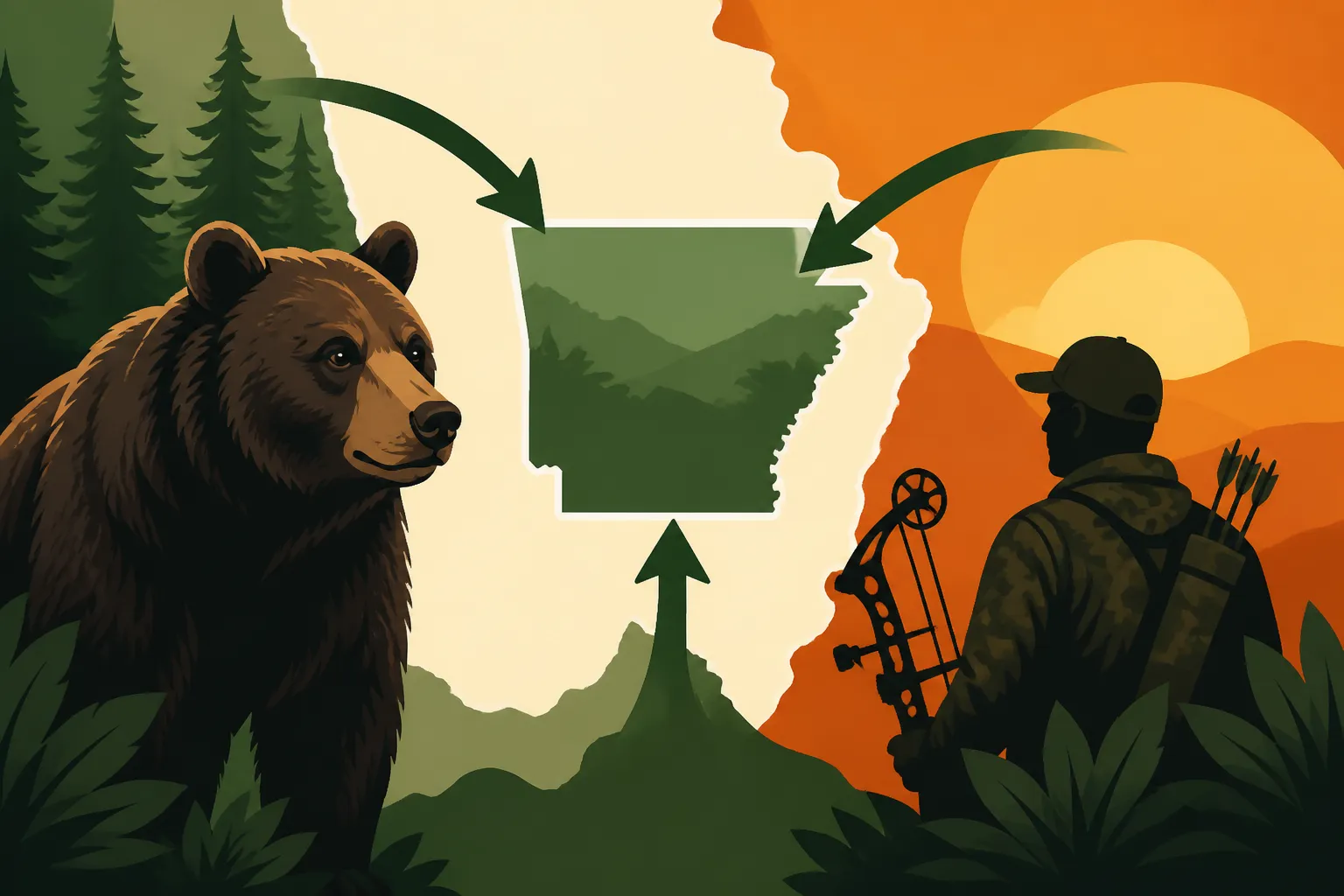
The journey itself was quite an endeavor. Bears were trapped in Minnesota, carefully loaded into transport crates, and driven hundreds of miles south to Arkansas. Imagine the spectacle of these large animals making such a long trip! Once in Arkansas, the release sites were chosen with great care. The primary focus was on the most remote, heavily forested areas of the Ouachita Mountains, where habitat was still relatively intact and human populations were sparse, minimizing potential conflict. Key areas included the Caney Creek Wilderness and surrounding national forest lands. Later releases also occurred in the Ozarks.
These early release sites provided the bears with the isolation and resources they needed to acclimate and establish new territories. The process wasn't just about dropping a bear off; it involved strategic planning to ensure they had the best possible chance to survive and reproduce in their new environment. AGFC staff monitored these areas, tracking the bears' movements and health as much as possible, though the rugged terrain made it a challenging task. This strategic relocation laid the foundation for the healthy bear populations we see across much of Arkansas today, a testament to forward-thinking conservation. You can use tools like GoHunt to explore these vast public lands and see where these early restoration efforts might have centered.
Here’s a snapshot of the primary sources and general numbers involved in this monumental effort:
| Source State | Period of Introduction | Estimated Number of Bears Introduced | Primary Release Areas |
|---|---|---|---|
| Minnesota | 1958 – 1968 | ~254 | Ouachita Mountains |
| Manitoba | 1960s (small number) | <10 (estimated) | Ouachita Mountains |
Note: The vast majority of the bears came from Minnesota.
The Resurgence: How Arkansas Became "The Bear State" Again
The efforts of the AGFC and partners paid off in spades. The initial translocation program, though small in its individual numbers, created a foundational population that quickly adapted and expanded. It's truly a success story that inspires countless other wildlife initiatives.
Population Growth and Range Expansion
Once released into their new Arkansas homes, these Minnesota bears found abundant food and shelter, and perhaps most importantly, very little competition or human pressure in the vast national forest lands. They began to reproduce, and their numbers steadily climbed. From those few hundred introduced bears, the population exploded, demonstrating the incredible resilience of wildlife when given the right conditions.
This growth wasn't confined to the initial release sites. Over the decades, the bear population expanded its range significantly. Today, Where Arkansas Black Bears Live extends far beyond the Ouachita and Ozark Mountains. Bears are now found in the Arkansas River Valley, along Crowley's Ridge in the eastern part of the state, and even making appearances in the Delta lowlands. This expansion is a direct result of a healthy population naturally spreading out to find new territories and food sources. This natural dispersal is exactly what conservationists hoped for, showing that the bears were not just surviving, but truly thriving. How Many Black Bears Arkansas Has now is a far cry from the critically low numbers of the mid-20th century.
Challenges and Continued Management
Of course, a booming bear population brings new challenges. As bears expand their range, they inevitably encounter more human populations. This can lead to conflicts over food sources, property damage, and safety concerns, especially in areas where residents aren't accustomed to having bears around. This is where ongoing education and proactive management by the AGFC become critical.
Modern bear management in Arkansas focuses on balancing a healthy bear population with human safety and economic interests. This includes public education campaigns on how to coexist with bears (like securing attractants and knowing what to do if you encounter a bear), as well as carefully regulated hunting seasons. Black Bear Hunting in Arkansas is an essential management tool that helps keep populations at sustainable levels, distributes pressure, and reduces conflicts, particularly in areas with high bear densities. Hunters play a vital role in this management, contributing to conservation through license fees and responsible harvest. Organizations like GoHunt can help hunters understand these zones and regulations, enabling them to make informed decisions for responsible hunting practices. This continued vigilance ensures that Arkansas remains "The Bear State" for generations to come, a lasting legacy of a truly remarkable conservation effort.
Disclaimer
This article is for general informational purposes only and does not constitute professional advice. Laws, prices and regulations vary by location and change over time. Consult a qualified professional for guidance on your specific situation.