The Buffalo River Elk Range
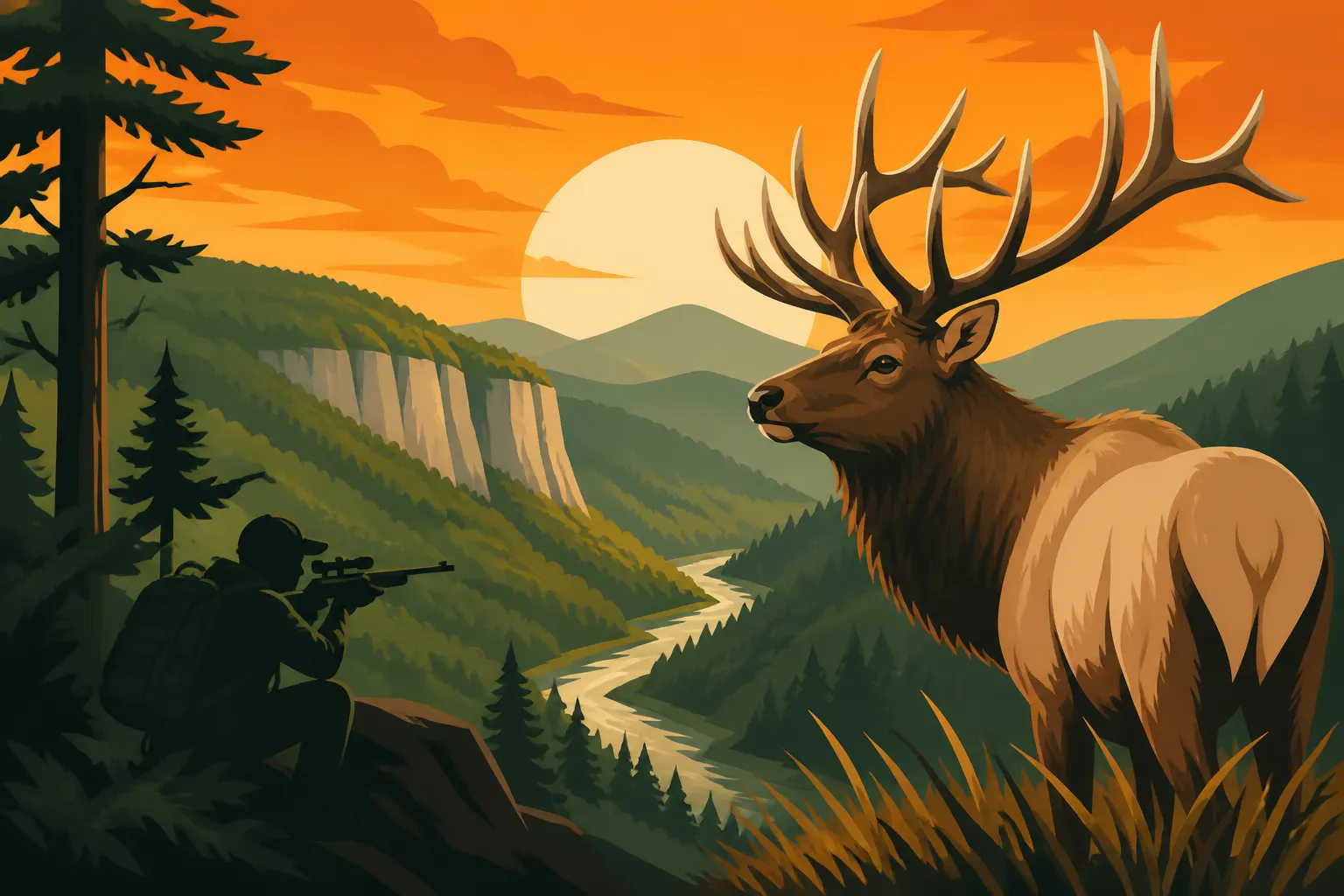
There’s nothing quite like the sight of a majestic bull elk bugling against the backdrop of an autumn sunrise in the Arkansas Ozarks. For many years, that sight was lost to us, a distant memory of a wilder time. It's a true blessing that these incredible creatures roam our hills again, and understanding their range is key to appreciating their comeback. This guide will take you on a journey through the heart of Arkansas's elk country, exploring the history, geography, and incredible ecology that allows these magnificent animals to thrive along the Buffalo River.
From Extinction to Comeback: The Remarkable History of Arkansas Elk
It's a tough pill to swallow, but once upon a time, Arkansas—the "Bear State"—was also a natural home for elk. Unfortunately, like so many other majestic wildlife species across the country, our native elk disappeared. Overhunting, coupled with widespread habitat destruction as our state developed, pushed them out entirely by the late 1800s. It wasn't just a gradual decline; they were gone, and for decades, the Ozark mountains were silent of their characteristic bugle. This loss certainly left a void in the natural tapestry of our state, and many wondered if they'd ever return.
Why Arkansas Lost Its Native Elk
Imagine Arkansas over a century ago. It was a time before strict wildlife management, before agencies like the Arkansas Game and Fish Commission were fully established with modern conservation principles. Market hunting was common, where animals were killed not for subsistence or sport, but to supply meat and hides to growing towns. Elk, being large and providing substantial meat, were easy targets. Add to that the relentless clear-cutting of forests for timber and agriculture, which decimated the expansive, diverse habitats elk needed to survive. They couldn't adapt quickly enough to the rapid changes, and without any protective measures, their populations dwindled to nothing. It's a stark reminder of how quickly human impact can change a landscape and its wildlife. The silence that followed their disappearance must have been truly eerie for those who remembered the herds.
The Reintroduction Effort and Early Challenges
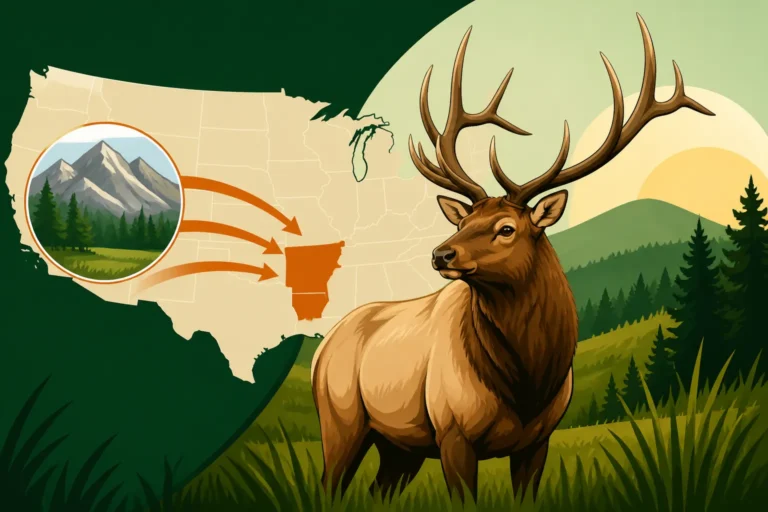
Thankfully, the story doesn't end there. Recognizing the ecological and cultural significance of elk, dedicated conservationists and wildlife agencies started to dream of their return. The big push for reintroduction in Arkansas happened in the early 1980s, primarily between 1981 and 1985. Arkansas Elk Reintroduction History is a fascinating read, detailing how animals were sourced from states like Colorado and Nebraska, transported, and carefully released into the Boxley Valley area of the Ozarks. It wasn't just a matter of dropping them off and hoping for the best. There were significant challenges right from the start. Adapting to a new environment, dealing with initial stress, and navigating an existing landscape that had changed dramatically since their ancestors roamed were all hurdles. Disease monitoring was critical, and ensuring public acceptance and cooperation from landowners was paramount. Early numbers were small, and the success wasn't guaranteed, but the dedication of those involved truly paid off.
Understanding the Buffalo River Elk Range: Geography and Habitat
When we talk about "The Buffalo River Elk Range," we're not just talking about a single, confined area. It's an intricate mosaic of landscapes, primarily centered around the Buffalo National River, but extending well beyond its immediate banks. This region is the heart of where Elk Along the Arkansas Buffalo River call home, a testament to its unique blend of open spaces and dense cover. For anyone looking to understand or experience these magnificent animals, grasping the lay of this land is absolutely essential.
The Core of the Range: Buffalo National River Corridor
The absolute epicenter of Arkansas's elk country is the stretch of land running along the Buffalo National River. This pristine, federally protected waterway carves its way through the Ozark Mountains, creating dramatic bluffs, lush river bottoms, and rolling hillsides. The river corridor itself provides critical resources: water, of course, but also the rich alluvial soils along its banks that support dense vegetation ideal for grazing and browsing. Key areas within this corridor include Boxley Valley, Ponca, and other accessible spots where elk frequently congregate, especially in the mornings and evenings. These valleys offer a perfect combination of open pastureland, where elk can feed, and the immediate proximity of dense, forested slopes for bedding down and seeking refuge. It’s a dynamic landscape, constantly shaped by the river’s flow and the changing seasons.
Beyond the River: Surrounding National Forests and Private Lands
While the Buffalo River corridor gets most of the attention, the elk range actually extends much further. Surrounding the National River lands are vast tracts of the Ozark National Forest. Ozark National Forest Hunting is a significant activity here, but it's also crucial elk habitat. These expansive forests provide invaluable cover, diverse forage, and undisturbed areas for calving and security. The elk don't recognize property lines, of course, so their movements often take them onto privately owned farmlands and pastures adjacent to the public lands. This intermingling of public and private property creates unique management challenges, particularly concerning potential Elk Crop Damage Along the Buffalo on private holdings. It also means that while you might initially seek elk on public ground, understanding the mosaic of land ownership helps paint a clearer picture of their full range. Hunters and wildlife enthusiasts alike use tools like GoHunt to really dig into these land boundaries and understand the full scope of potential habitat.
Key Habitat Components: Pastures, Forests, and Water Sources
What makes this particular region so suitable for elk? It boils down to a few critical habitat components that are abundantly present.
- Open Pastures and Fields: These are the primary feeding grounds for elk, offering lush grasses and forbs. The agricultural fields, particularly hayfields, scattered throughout the valleys provide an irresistible food source, especially during certain times of the year. This is where you’ll often see large groups grazing.
- Dense Forests and Woodlands: Just adjacent to these open areas are the rugged Ozark forests, a mix of hardwoods and some pine. These forests offer crucial thermal cover in winter, shade in summer, and protection from predators. They also provide browse material like young saplings and shrubs, supplementing their diet. This is where elk bed down and feel safe, making the transition zones between forest and field prime locations to find them.
- Abundant Water Sources: The Buffalo River, along with its numerous tributaries, springs, and smaller creeks, ensures a constant supply of fresh water. Elk need reliable water sources, especially during the hotter months and during the rut, and the Ozarks certainly deliver on this front.
This combination of open grazing, dense cover, and fresh water creates an ideal environment, allowing The Buffalo River Elk Herd to not only survive but truly thrive.
The Life of an Elk in Arkansas: Herds, Rut, and Seasonal Movements
Watching elk in their natural habitat is truly mesmerizing. Their social structures, powerful bugles, and sometimes subtle movements across the landscape tell a story of resilience and adaptation. The life cycle of an elk herd in the Buffalo River range is a continuous rhythm, dictated by seasons, forage availability, and the powerful urge to reproduce. Understanding these patterns can greatly enhance any viewing or hunting experience.
Elk Herd Dynamics and Behavior
Elk are incredibly social animals, and their lives revolve around herd dynamics. You’ll typically see cows and calves forming matriarchal herds, led by an experienced cow. These groups often stick together, providing safety in numbers, particularly for the younger calves. The bulls, especially the mature ones, tend to be more solitary or form bachelor groups for much of the year, only joining the cow herds when the breeding season approaches. As for How Many Elk Arkansas Has, the herd size fluctuates, but it’s a healthy population that has grown steadily since the reintroduction. Observing the interactions within a herd – a cow grooming her calf, bulls sparring playfully, or the watchful eyes of a lead cow – offers incredible insights into their complex social lives. Their acute senses make them challenging to approach, a testament to their wild nature.
The Annual Rut: A Spectacle in the Ozarks
If there’s one time of year that truly captivates everyone who ventures into elk country, it’s the rut. This is the breeding season, typically peaking in late September and early October. During this period, the usually quiet Ozark valleys erupt with the iconic bugle of the bull elk. It's a primal call, a challenge to rival bulls, and an invitation to cows. Bulls become incredibly active, rubbing velvet from their antlers, sparring, and attempting to gather and defend harems of cows. It's a display of raw power and dominance. For wildlife photographers and viewers, this is prime time to visit, but it's also when the elk are most agitated and potentially dangerous, so maintaining a respectful distance is crucial. The sounds and sights of the rut are unforgettable and a highlight of the Arkansas elk experience.
Seasonal Shifts and Food Sources
Elk, like most large herbivores, are constantly adapting their behavior to the seasons. In spring, after a long winter, they seek out fresh green shoots and grasses in the open pastures and bottomlands. This is also when Elk Calving and Herd Growth occurs, usually in May or early June, with cows seeking secluded areas to give birth. Summer sees them foraging on a wider variety of plants, often moving into shadier, higher elevations during the heat of the day. As autumn approaches, leading up to and during the rut, they are fueled by the abundance of late-season grasses and the occasional mast crop. Winter brings leaner times, and they rely on stored fat reserves, browsing on woody vegetation, and seeking out any available forage in snow-free areas. These seasonal shifts in diet and location are a fundamental part of Arkansas Elk Range and Viewing. Scouting tools, like those found on GoHunt, can help hunters identify seasonal feeding and bedding patterns by analyzing terrain and vegetation maps, giving them an edge in understanding these movements.
Experiencing Arkansas's Elk: Viewing, Management, and Ethical Engagement
The return of elk to Arkansas is a genuine conservation success story, offering incredible opportunities for both wildlife enthusiasts and a select group of hunters. However, experiencing this wonder responsibly requires understanding how the herd is managed and respecting both the animals and the landscape they call home.
Best Spots for Elk Viewing and Photography
For those eager to witness these magnificent creatures firsthand, the Boxley Valley in Newton County is often considered the prime destination. Arkansas Elk Viewing at Boxley Valley is a particularly rewarding experience. Early mornings and late evenings are typically the best times, as elk move from their bedding areas in the timber to feed in the open fields. Other popular viewing spots include fields along Highway 43 and Highway 21, especially between Ponca and Jasper. Keep your eyes peeled for pull-offs with interpretive signs. A good pair of binoculars or a spotting scope will greatly enhance your experience, allowing you to observe their natural behavior without disturbing them. Remember, these are wild animals; keep a safe distance, never approach them, and avoid making loud noises. Parking safely off the road and being patient are key to a successful viewing outing.
Managing the Herd: Conservation and Limited Hunting Opportunities
The Arkansas Game and Fish Commission (AGFC) plays a critical role in managing The Buffalo River Elk Herd, ensuring its health and sustainable growth. This management involves population surveys, habitat improvements, and careful regulation. A key component of this management is a highly coveted, strictly limited hunting season. The Arkansas's Buffalo River Elk Permit Draw is a lottery system, offering a very small number of permits each year for either-sex or antlerless elk. These permits are incredibly difficult to draw, reflecting the AGFC's commitment to maintaining a robust, healthy herd while offering a unique hunting opportunity. This selective harvest is a tool to help manage herd size and distribution, preventing overpopulation in sensitive areas and mitigating potential issues like Elk Crop Damage Along the Buffalo. Hunters who are lucky enough to draw a tag often spend weeks, if not months, preparing and scouting, understanding that this is a once-in-a-lifetime hunt. Tools like GoHunt can assist in understanding permit application processes and potential hunting zones, though success in drawing a tag is largely a matter of luck and persistence.
Respecting the Resource: Rules and Etiquette in Elk Country
When you visit the Buffalo River Elk Range, whether to view or to hunt (with a permit!), it's crucial to be a responsible steward of the land and wildlife.
- Stay on Designated Trails and Roads: This minimizes disturbance to sensitive habitats and reduces the risk of spooking animals.
- Practice Leave No Trace Principles: Pack out everything you pack in. Leave the area as, or better than, you found it.
- Respect Private Property: Many elk move between public and private lands. Always know where you are and respect posted signs. Never trespass.
- Observe from a Distance: For both your safety and the welfare of the elk, use binoculars or telephoto lenses. Getting too close can stress animals, alter their natural behavior, and in the case of a rutting bull, be dangerous.
- Mind the Rut: During the breeding season, bull elk are particularly aggressive and unpredictable. Give them an even wider berth.
- Understand Regulations: If hunting, thoroughly review all AGFC regulations regarding elk seasons, zones, and tagging requirements. These rules are in place for a reason – to protect the herd and ensure fair chase.
- Report Violations: If you witness any poaching or other illegal activities, report them to the AGFC. Protecting this incredible resource is everyone's responsibility.
The Buffalo River Elk Range is a crown jewel of Arkansas wildlife, a living testament to successful conservation. By understanding its unique characteristics and engaging with it responsibly, we can ensure that future generations continue to marvel at these magnificent creatures.
Key Characteristics of the Buffalo River Elk Range
| Feature | Description |
|---|---|
| Primary Location | Centered around the Buffalo National River corridor, especially Boxley Valley, Ponca, and adjacent areas in Newton and Madison counties. Expands into parts of the Ozark National Forest. |
| Dominant Habitat Types | A mix of open pastureland, agricultural fields (hayfields), dense hardwood forests (oak, hickory), cedar glades, and river bottomlands. This diverse habitat provides both feeding and cover. |
| Key Water Sources | The Buffalo National River and its numerous tributaries, springs, and creeks. Reliable water is abundant throughout the range. |
| Elk Population Status | Healthy and stable, the result of successful reintroduction efforts in the 1980s. Numbers are carefully monitored by the Arkansas Game and Fish Commission. How Many Elk Arkansas Has is a common question, and the herd has grown considerably. |
| Best Viewing Times | Early morning and late evening, particularly during the spring (calving) and fall (rut). The fall rut (late September-early October) offers the most dramatic displays and bugling activity. |
| Hunting Opportunities | Extremely limited, managed through a highly competitive lottery draw by the AGFC. Permits are very few, making it a once-in-a-lifetime opportunity for those who draw. |
| Conservation Focus | Maintaining a healthy, wild population; habitat preservation and enhancement; public education on elk etiquette; and managing human-wildlife conflicts, such as Elk Crop Damage Along the Buffalo. |
| Public Access | Good access along the Buffalo National River, with viewing areas and pull-offs. Much of the surrounding Ozark National Forest is also accessible. |
This article is for general informational purposes only and does not constitute professional advice. Laws, prices and regulations vary by location and change over time. Consult a qualified professional for guidance on your specific situation.