Arkansas Elk Viewing at Boxley Valley
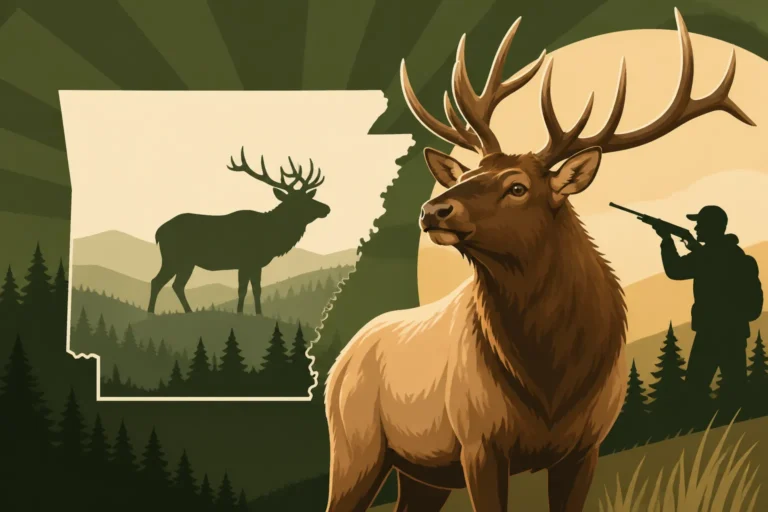
Oh, the dream of seeing Arkansas elk in person! It’s a truly breathtaking experience, but let's be honest, knowing exactly where and when to go to maximize your chances can feel like trying to find a needle in a haystack. You hear stories, maybe you've driven through an area hoping for a glimpse only to be met with empty fields. This guide is all about cutting through that frustration and pointing you directly to Boxley Valley, the undisputed heart of Arkansas elk viewing, and helping you understand how to make your visit count.
Why Boxley Valley is the Heart of Arkansas Elk Country
When people talk about seeing elk in Arkansas, Boxley Valley is almost always the first place that comes to mind, and for good reason. It’s not just a pretty stretch of highway; it’s a living testament to one of the most successful wildlife reintroduction stories in the state. If you've ever spent time driving the scenic routes of the Ozarks searching for elk and come up empty, it’s likely because you weren't focused on this prime real estate. The unique blend of history, habitat, and consistent elk presence makes it the epicenter for viewing these magnificent animals.
A Brief History of Arkansas Elk and Their Return
It might surprise some folks to learn that elk are not new to Arkansas. Before European settlement, vast herds of elk roamed freely across much of North America, including right here in the Ozarks. They were a vital part of the ecosystem, but unfortunately, unchecked hunting and habitat destruction led to their complete disappearance from the state by the late 1800s. It was a huge loss, leaving a significant void in our wild places.
Thankfully, the story didn't end there. In the early 1980s, the Arkansas Game and Fish Commission embarked on an ambitious project to bring elk back. They trapped wild elk from Colorado and transplanted them into the rugged, undeveloped lands surrounding the Buffalo National River. This wasn’t just a random act; careful planning went into ensuring the new arrivals had suitable habitat and protection. Over the decades, that initial stocking proved incredibly successful, and the herd slowly but steadily grew. Today, those elk are thriving, forming the basis of what we now know as The Buffalo River Elk Herd, a true success story for conservation.
The Unique Landscape of Boxley Valley
So, what makes Boxley Valley so special for elk that they’ve chosen it as their primary stomping ground? It's a perfect storm of environmental factors. Imagine the Buffalo River, one of America's first national rivers, winding its way through a broad valley floor. On either side, you have steep, forested hillsides and bluffs characteristic of the Ozark Mountains. In between, nestled right along the river, are privately owned pastures and agricultural fields. This combination creates an ideal mosaic of habitat.
The open fields provide crucial forage for grazing, especially the lush, green grasses that elk crave. The dense forests on the surrounding hills offer vital cover for bedding, escape, and calving. The river itself, and its tributaries, ensure a constant water source. This blend means elk don’t have to travel far to find everything they need, making them more predictable and visible, particularly in the mornings and evenings when they move between these distinct areas. If you've ever tried to spot wildlife in dense timber, you know how frustrating it can be; Boxley’s mix of open and closed canopy gives you a real advantage for viewing.
Best Times and Tactics for Elk Viewing
You could drive through Boxley Valley at noon on a Tuesday in July and see absolutely nothing, then return at dawn the next morning and witness dozens of elk grazing peacefully. The key to successful elk viewing isn't just where you go, but when and how you approach it. It’s about understanding their daily and seasonal rhythms, and respecting their wild nature. Many people get frustrated because they don't factor in these critical details, leading to missed opportunities.
Seasonal Elk Behavior and Prime Viewing Windows
Elk behavior changes significantly throughout the year, influenced by breeding, feeding, and weather. Knowing these patterns can dramatically increase your chances of a memorable encounter.
- Spring (March-May): As winter fades and the landscape greens up, elk are often seeking fresh forage in the open fields. Calving season usually occurs in late May to early June, when cows will retreat to thicker cover to give birth, making them harder to spot. While you might see them, they tend to be more dispersed and cautious.
- Summer (June-August): Elk will be out grazing in the cooler parts of the day, but as temperatures rise, they'll often retreat to shaded areas and timber during midday to escape the heat and pesky insects. You might see larger herds gather, but again, viewing can be hit or miss depending on the time. The elk herd continues to grow, as detailed in Elk Calving and Herd Growth.
- Fall (September-November): Ah, the rut! This is arguably the most exciting time for elk viewing. Starting in late September and extending into October, the bulls become very vocal, bugling loudly to attract cows and challenge rivals. They are much more active in the open fields, often sparring and displaying dominance. This is when you're most likely to witness impressive behaviors. Their presence is a direct result of When Elk Came Back to Arkansas.
- Winter (December-February): During the colder months, elk are often forced into the open fields and lower elevations to find accessible forage, especially after heavy snows. This can make them easier to spot against the stark winter landscape. However, deep snow can also push them into more secluded areas.
Here's a quick overview to help you plan your trip:
| Season | Typical Elk Behavior | Prime Viewing Times | Likelihood of Seeing Elk | Notes |
|---|---|---|---|---|
| Spring | Grazing, calving (cows seek cover), dispersed herds | Early morning, late evening | Moderate | Less active, harder to locate cows |
| Summer | Grazing, seeking shade during midday, larger herds forming | Early morning, late evening | Moderate | Can be elusive in heat |
| Fall | Rutting season, bugling, sparring, very active | Dawn, dusk | High | Most dramatic displays, very vocal |
| Winter | Grazing in fields, seeking accessible forage | Morning, late afternoon | High | Often visible against bare landscape |
Maximizing Your Chances: Timing, Location, and Stealth
Once you understand the seasons, you need to apply tactical thinking to your actual viewing attempt. Many well-meaning visitors just drive through, and while you might get lucky, a little planning goes a long way.
First, time of day is paramount. Elk are crepuscular, meaning they are most active at dawn and dusk. This is when they move from their bedding areas in the timber to their feeding grounds in the open pastures, and vice-versa. Plan to be in Boxley Valley before sunrise or an hour or two before sunset. That mid-day drive might offer beautiful scenery, but it’s unlikely to yield elk sightings.
Second, strategic location choices are crucial. The main road through Boxley Valley (Highway 21) has several pull-offs and designated viewing areas. Look for wide, open pastures directly adjacent to the highway, especially those bordered by dense woods or the river. These fields are often leased by the AGFC for wildlife management, ensuring they are kept open for grazing. Some of the well-known fields include those around the Boxley Baptist Church and the fields near the Erbie campground road. Remember, elk are wild, so they might not be in the exact same spot every day, but consistent habitat use makes these areas reliable. While you won't be hunting these majestic creatures, tools like GoHunt's mapping platform can be incredibly useful for pinpointing public access points, identifying food sources, and even anticipating travel corridors that elk might use to move between feeding and bedding areas. It's like having a scout in your pocket!
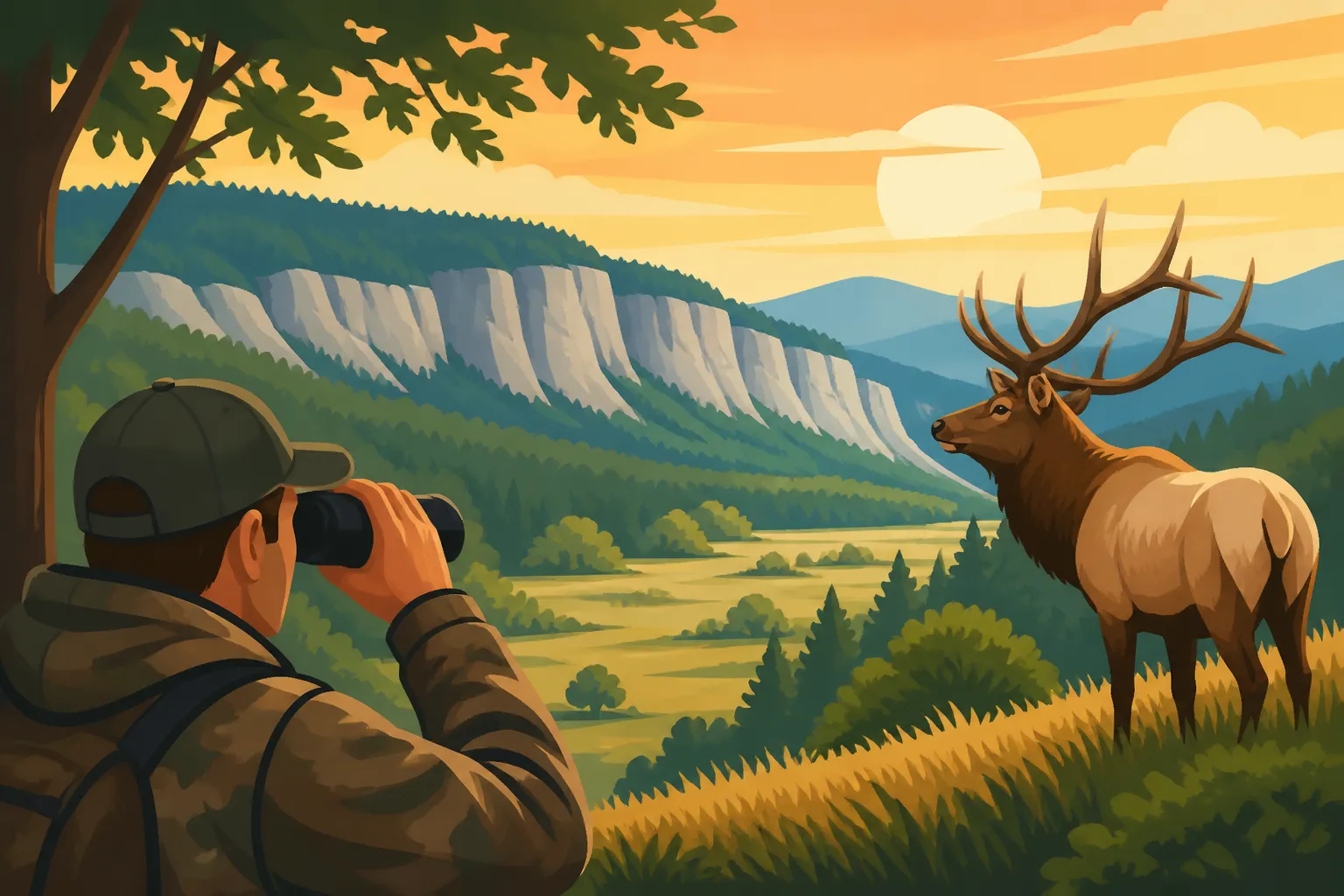
Third, stealth and patience cannot be overstated. When you arrive at a viewing spot, turn off your engine, speak in hushed tones, and avoid slamming car doors. Scan the fields and forest edges with binoculars or a spotting scope – don't just rely on your naked eye. Give the area time. Elk can appear seemingly out of nowhere, emerging from the tree line or simply lifting their heads from a patch of tall grass. Avoid walking directly into fields; stay on the road or designated pull-offs. The goal is to observe without disturbing them. Trying to get too close will only spook them, and then everyone else misses out too.
Etiquette and Safety in Elk Country
Encountering elk in the wild is an incredible privilege, and with that comes a responsibility to both the animals and the environment. It’s easy to get caught up in the excitement, but ignoring basic etiquette and safety can put both you and the elk at risk. I've seen too many instances where well-meaning but uninformed tourists accidentally cause issues by getting too close or trying to interact with these powerful animals.
Respecting Wildlife and Their Habitat
The most important rule when viewing elk is to maintain a respectful distance. While there's no hard-and-fast rule, a good guideline is to stay at least 100 yards away. This distance is enough to prevent you from stressing the animals, which is especially critical during the rut or when calves are present. Elk are wild, powerful creatures, and while they usually tolerate human presence from a distance, pushing that boundary can lead to unpredictable and dangerous situations. Never, ever approach an elk, try to feed it, or attempt to get a "selfie" with one. Not only is it illegal to feed wildlife in Arkansas, but it also habituates them to humans, which can ultimately lead to their demise.
Keep your pets leashed and under control at all times. Even the most well-behaved dog can be seen as a threat by an elk, potentially triggering a defensive reaction or causing a stampede. Stick to designated viewing areas, public roads, and marked trails. This isn't just about respecting private property – Arkansas Wildlife Management Areas and other public lands have specific regulations. It's also about minimizing your impact on their habitat. Going off-trail can disturb sensitive areas, disrupt their natural movements, and contribute to erosion. Always leave no trace, packing out anything you pack in.
Safety Considerations in the Arkansas Wilderness
Boxley Valley is beautiful, but it's still wild Arkansas. Beyond elk etiquette, there are general safety precautions to keep in mind.
Driving: Elk are large animals, and collisions with vehicles can be incredibly dangerous for both you and them. Be extra vigilant when driving at dawn and dusk, especially through Boxley Valley and other areas known for elk crossings. Slow down, scan the roadsides, and be prepared to stop. Don't let the breathtaking scenery distract you from the road. Ozark Forest Road Closures in Season might also impact your travel plans, so check conditions before you go.
Awareness of surroundings: While elk are the star attraction, remember you’re in a landscape that also hosts Black Bears in the Arkansas Ozarks and Ouachitas, venomous snakes, and uneven terrain. Be aware of your footing if you're walking along a pull-off or in a designated viewing area. Dress appropriately for the weather, which can change quickly in the Ozarks, and bring water, especially during warmer months.
What to do if an elk feels threatened: If an elk ever displays aggressive behavior – stomping a foot, lowering its head, or charging – it means you're too close. Back away slowly and calmly, creating more distance. Never turn your back and run; that can trigger a chase. It's rare, but these are wild animals, and their instincts are strong. Before you head out, consider looking up regulations on the AGFC website, and GoHunt can even overlay public land boundaries to help ensure you're on legal viewing ground, helping you avoid accidental trespass or entering restricted zones. Always prioritize your safety and the well-being of the elk.
Disclaimer
This article is for general informational purposes only and does not constitute professional advice. Laws, prices and regulations vary by location and change over time. Consult a qualified professional for guidance on your specific situation.