Red Oak Acorns and Duck Numbers
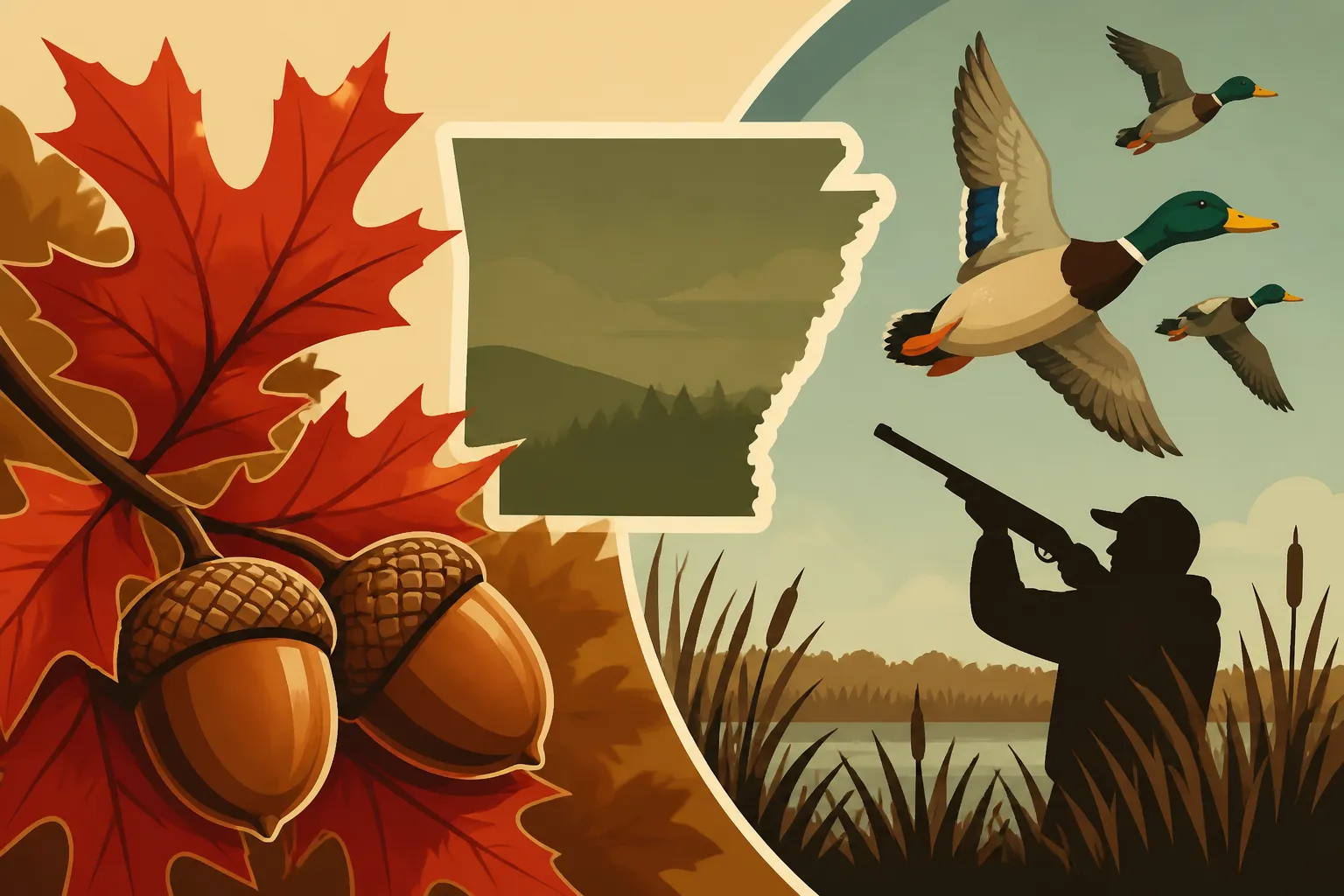
There's a frustration many Arkansas duck hunters know all too well: you scout a promising piece of flooded timber, convinced it'll be holding birds, only to find it empty. Often, the missing piece of that puzzle lies hidden beneath the surface of the water, or rather, what isn't there: a healthy crop of red oak acorns. Understanding the intricate relationship between these unassuming nuts and the massive influx of ducks that grace our state each winter is absolutely critical for consistent success. This guide will dive deep into why red oak acorns are such a game-changer for Arkansas waterfowl and how you can leverage this knowledge to find more ducks.
The Unseen Feast Below: Why Red Oak Acorns Are Duck Gold in Arkansas
When ducks migrate south to Arkansas, they're not just looking for open water to rest; they're looking for calories, and lots of them. The journey is arduous, and surviving the winter requires a tremendous amount of energy. This is where acorns, particularly those from red oaks, become an absolute lifeline for our feathered friends. They are essentially nature's super-fuel, packed with everything a duck needs to thrive in the chilly months.
Think about it from a duck's perspective. They've flown hundreds, if not thousands, of miles. They're tired, hungry, and need a reliable, energy-dense food source to replenish their reserves and maintain body heat. While agricultural fields offer grains, and moist-soil units provide various seeds, the fatty, carbohydrate-rich goodness of a red oak acorn found in flooded timber is incredibly appealing and easily digestible. It’s like finding a buffet specifically designed for them right in the middle of their winter home.
The Nutritional Powerhouse: What Makes Red Oaks Irresistible
Red oak acorns are calorie bombs, plain and simple. They contain a high percentage of fats and carbohydrates, which are precisely what ducks need for sustained energy. While they do have a bitter tannin content compared to white oak acorns, ducks seem to develop a preference for them, especially as the season progresses and other food sources become depleted or harder to access. This bitterness isn't a deterrent; it's often a sign of a high energy content that fuels them through cold snaps and long nights.
These acorns are also durable. They can sit on the forest floor, submerged in shallow water, for weeks or even months without significant degradation. This means a good red oak acorn crop offers a sustained food source throughout much of the waterfowl season, unlike some softer mast or seeds that might break down more quickly or be consumed entirely in a short burst. This longevity makes flooded red oak stands incredibly attractive wintering grounds.
Timing is Everything: When Red Oak Acorns Become Available
Red oaks, unlike white oaks, typically drop their acorns later in the fall and often continue into the early winter. This later drop timing is crucial for Arkansas duck hunting. By the time ducks are really piling into the Delta and other wintering areas, often in late November and December, the red oak acorns are raining down. This timing coincides perfectly with the peak migration and wintering periods for species like mallards, gadwall, and pintails that favor flooded timber.
Furthermore, red oak acorns are often tougher than white oak acorns, making them less susceptible to early consumption by deer, squirrels, and other critters before the water rises. Once the water floods the timber, the acorns become accessible primarily to ducks. This creates a sort of exclusive dining hall for waterfowl, giving them a rich, protected food source when they need it most. It's why hunters often refer to certain stands of timber as "honey holes" – they're just brimming with these late-season treats.
Comparing Red Oaks to Their White Oak Cousins
While both red and white oaks produce acorns, they play slightly different roles in the overall duck hunting season. White oak acorns are generally sweeter due to lower tannin levels and are often preferred by many wildlife species, including ducks, early in the fall. However, white oaks also drop their acorns earlier, typically in September and October, and these acorns are often consumed quickly by deer and squirrels. By the time Arkansas's main duck season kicks off in earnest, much of the white oak mast might already be gone.
Red oak acorns, as discussed, drop later and are more durable. This means they are often the more prevalent and dependable food source for ducks during the core of our waterfowl season, especially in those prime flooded timber spots. Understanding this distinction is key for successful scouting and hunt planning. You might find ducks feasting on white oaks early, but for consistent action later in the season in your flooded timber, you'll want to focus on areas with a strong red oak presence.
| Feature | Red Oak Acorns | White Oak Acorns |
|---|---|---|
| Tannin Content | Higher (more bitter) | Lower (sweeter) |
| Drop Time | Late fall to early winter (Nov-Jan) | Early fall (Sept-Oct) |
| Durability | More durable, lasts longer in water | Less durable, breaks down quicker |
| Nutritional Value | High fat, high carb (excellent for winter) | High carb, good early season energy |
| Preference (Ducks) | Preferred later in season, especially in flooded timber | Preferred early season, often consumed quickly |
| Availability | Good sustained winter food source | Often depleted by other wildlife early |
Becoming an Acorn Detective: Scouting for Duck-Holding Timber
Finding those prime red oak stands isn't always easy, especially when the water is up. It requires dedication, a keen eye, and often some boots-on-the-ground recon before the season, or at least before the major floods. Think of yourself as an investigative journalist, looking for clues that will lead you to the ducks' favorite dining spots. It's about more than just seeing water; it's about seeing the right water with the right food.
Topographical maps and satellite imagery can give you a great head start in identifying potential timber types, but nothing beats actually walking the woods. You're looking for those subtle clues that indicate a thriving red oak population and a good acorn crop. This pre-season work can save you countless frustrating mornings in empty blinds later on.
Identifying Red Oak Species in Flooded Timber
Before the leaves drop and the water rises, familiarize yourself with common red oak species in Arkansas. Southern red oak, pin oak, water oak, and willow oak are particularly important for ducks. Pin oaks are notorious duck magnets, producing smaller, abundant acorns. Water oaks and willow oaks are also excellent choices, often found in bottomland areas prone to flooding. Look for their distinct leaf shapes (lobed, often pointed tips for red oaks) and bark patterns when scouting during late summer and early fall.
Once the leaves are gone and the water is up, identifying individual trees becomes harder, but not impossible. Look for the distinct, generally darker bark of red oaks. More importantly, look for the evidence they leave behind: acorns. If you can push your paddle or boot through the submerged leaf litter and feel significant numbers of hard acorns, you're likely in a good spot. Remember, even under water, ducks are dabbling and sifting through this debris to find their meal. Reading Water Levels on the White River or any major river system is crucial here; too much current can sweep acorns away, too little might not provide enough depth.
How to Gauge an Acorn Crop in Advance
This is where the "detective" work truly pays off. Long before duck season opens, typically in late August and September, take scouting trips to potential hunting areas. Look up into the canopy: are the red oaks heavy with developing acorns? A good crop often means you'll see clusters of green acorns hanging from the branches. This visual inspection, combined with knowledge of historical acorn production patterns in that area, can help you predict which timber stands will be the most productive.
Using tools like GoHunt's mapping features or other robust mapping applications can help you mark specific oak flats you've identified. You can drop pins on areas that look promising from satellite views, noting distinct timber types, and then verify them on the ground. Keep a log or notes on your phone about the crop intensity for different areas. Was it a boom year for pin oaks? Are the water oaks struggling? This year-to-year knowledge builds invaluable insight into where the ducks will likely concentrate.
Reading the Sign: Duck Activity and Acorn Presence
Once the season arrives and water fills the timber, the ducks themselves will give you the best clues. Look for subtle signs: oil slicks on the water surface from their preening, disturbed leaves and mud where they've been dabbling, and most tellingly, "sheafed" acorns. These are acorns that have been partially de-hulled by ducks, leaving tell-tale crescent shapes of the shell floating or resting on the bottom. If you see this, you've found a duck cafeteria!
Listen as well. A timber hole holding ducks won't just have an occasional quack; it'll have the constant murmuring, feeding chuckles, and wing beats of actively feeding birds. Pay attention to the flight paths in and out of the timber. Ducks flying purposefully low over the canopy, heading into a specific block of woods, are often going to feed. Contrast this with high-flying groups just passing through. Scouting Arkansas Public Land Before Season is invaluable, but in-season scouting of duck sign is paramount.
Beyond the Acorn: Other Vital Food Sources for Arkansas Waterfowl
While red oak acorns are undeniably a crucial draw, it's important to remember that ducks aren't solely reliant on them. A diverse diet is healthy for them, and understanding other key food sources will help you locate birds when the acorn crop is poor or when different species prefer different meals. Arkansas is a smorgasbord for waterfowl, offering a wide array of options that contribute to its status as a premier wintering ground.
A robust ecosystem provides more resilience. If one food source falters due to drought or flooding, others can pick up the slack. Knowing these alternatives allows hunters to adapt their strategies and seek out birds in different habitats when the timber isn't producing as expected. Don't put all your eggs, or rather, all your acorns, in one basket!
The Importance of Moist-Soil Plants and Agricultural Fields
Many of Arkansas's Wildlife Management Areas (WMAs) and private lands are managed with moist-soil units. These areas are specifically designed to grow native plant foods like smartweed, millet, sedges, and grasses, which produce abundant, small seeds. These seeds are a high-protein, easily digestible food source, especially for smaller dabbling ducks and early-season arrivals. They also provide excellent cover.
Agricultural fields, particularly those planted in rice, corn, or soybeans, offer another massive food buffet. Waste grain left after harvest provides a vast amount of carbohydrates for ducks, especially mallards, pintails, and geese. Many of the great duck hunting opportunities in the Arkansas Delta revolve around these flooded fields. Understanding Flooded Rice Versus Green Timber hunting strategies is essential, as the food sources and duck behavior can differ significantly between these habitats.
Submerged Vegetation and Aquatic Invertebrates
Don't overlook what's growing under the water. Various submerged aquatic vegetation (SAV) like coontail, pondweed, and widgeongrass are important food sources for ducks, particularly divers, but dabblers will also graze on them. These plants often thrive in clearer water bodies, oxbows, and less heavily timbered areas.
Beyond plants, aquatic invertebrates—think small insects, larvae, and snails—are a critical source of protein, especially for laying hens in late winter and early spring as they prepare for migration and breeding. These tiny creatures are abundant in the rich, muddy bottoms of flooded timber, moist-soil units, and even shallow agricultural fields. Ducks spend a lot of time dabbling and sifting through the mud to consume these often-unseen but vital protein sources. It’s not just what you see on the surface; it’s what’s thriving in the muck below.
Translating Acorn Intel into Duck Hunting Success
Knowing about red oak acorns and their importance is one thing; actually using that knowledge to fill your strap is another. This isn't just academic information; it's intelligence that, when properly applied, can drastically improve your odds. It's about adapting your scouting, your setup, and even your calling to match where the ducks are finding their favorite food.
The more you understand the intricacies of their feeding habits, the more effectively you can predict their movements and put yourself in the right place at the right time. This means being flexible, constantly observing, and not getting stuck in a single strategy. The ducks will tell you where they want to be, and often, it's where the acorns are dropping.
Adjusting Your Strategy Based on Acorn Availability
If you've done your pre-season scouting and determined that a particular block of red oaks has an exceptional acorn crop, that should be your primary focus, especially as the season progresses into late November and December. You'll want to prioritize getting into those areas, even if it means a longer walk or a tougher boat ride. Finding a Hole in Green Timber becomes much easier when you know which holes likely hold the food.
Conversely, if the red oak crop is poor in your usual spots, don't waste time trying to force the issue. Shift your focus to moist-soil units, flooded agricultural fields, or even open water areas if divers are abundant. Ducks will adapt to available food, and so should you. This flexibility is the hallmark of a truly successful Arkansas duck hunter.
The Impact on Duck Migration and Wintering Patterns
A widespread, abundant red oak acorn crop can literally hold ducks in an area for longer periods. When food is plentiful and reliable, ducks have less reason to push further south or move around as much. This can lead to increased duck numbers in specific flooded timber blocks, creating incredible hunting opportunities. It can also concentrate birds, making them easier to pattern once you locate them.
On the flip side, a poor acorn crop can cause ducks to bypass traditional timber spots, pushing them into fields or other habitats earlier than usual. It might even cause birds to continue their migration further south if they can't find sufficient calories in Arkansas. This is why paying attention to regional acorn reports and doing your own scouting is so vital; it informs your understanding of the broader duck migration patterns across the state.
Considerations for Public Versus Private Land
On private lands, landowners and hunting clubs often manage their timber specifically for duck food, including encouraging red oak species. This management can lead to more consistent acorn crops and, therefore, more consistent duck numbers. Access to these managed lands often comes with a price tag, but the reliability of the hunting can be higher due to focused habitat management.
For public land hunters, finding those productive red oak stands requires even more diligent scouting. WMAs, national forests, and other public grounds are typically managed for broader ecological health, not just duck food. However, natural flooding cycles and diverse timber stands mean there are still incredible opportunities. Look for unpressured areas with good red oak concentrations. Tools like GoHunt or other public land mapping layers can help you pinpoint these areas and even identify remote corners where fewer hunters might venture, potentially offering better access to prime acorn-filled timber. Remember, the deeper you go, the more likely you are to find undisturbed birds feasting on those valuable red oak acorns.
Disclaimer
This article is for general informational purposes only and does not constitute professional advice. Laws, prices and regulations vary by location and change over time. Consult a qualified professional for guidance on your specific situation.