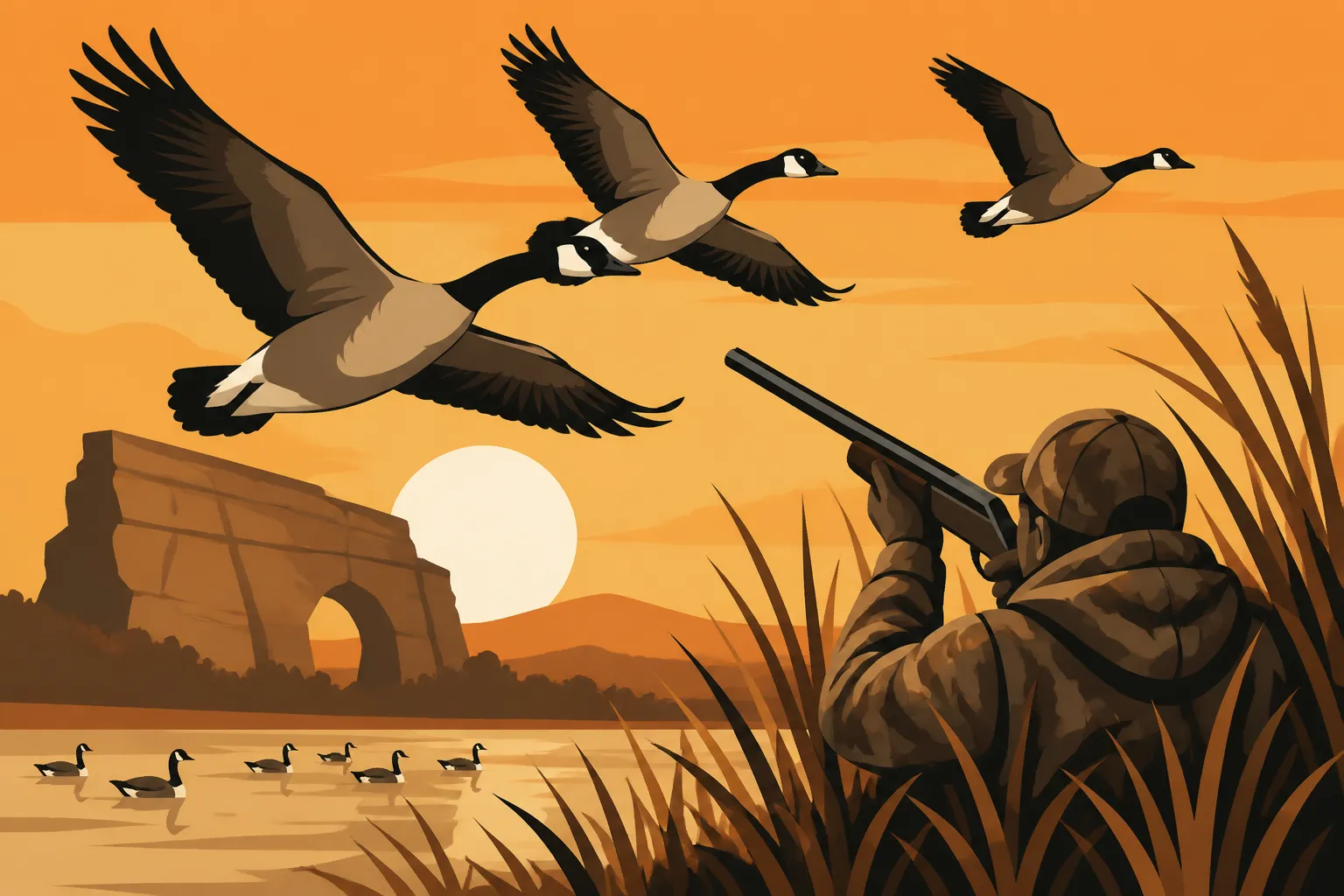
Canada Geese in Arkansas
For many hunters, Arkansas instantly brings to mind the deafening roar of mallards pitching into flooded timber. It's an iconic scene, and for good reason! But if you’re only focused on greenheads, you might be missing out on another incredible waterfowl opportunity that's increasingly prevalent across the state: Canada geese. There's a common misconception that Arkansas is purely a duck state, but the truth is, Canada geese offer a fantastic, often overlooked, hunting experience. This guide will help you understand the growing presence of Canada geese in Arkansas, where to find them, and how to successfully hunt these magnificent birds, ensuring you don't miss out on some exciting, booming action.
The Growing Presence of Canada Geese in Arkansas
It's easy to think of Canada geese as a northern bird, tied to the wide-open plains and icy winds of the Dakotas or the Canadian prairies. But Arkansas has become a significant player in their migration, and increasingly, home to a burgeoning resident population. For decades, the focus was almost entirely on ducks, particularly the abundant mallards that wintered in the Delta. However, habitat changes, agricultural practices, and shifts in migration patterns have led to a noticeable increase in Canada goose numbers across the state, offering exciting new opportunities for waterfowlers.
Resident vs. Migratory Flocks
Understanding the difference between resident and migratory Canada geese is crucial for Arkansas hunters. Resident geese are those that have chosen to make Arkansas their year-round home, often nesting and raising broods in urban and suburban areas, as well as around larger reservoirs and agricultural lands. These birds can be incredibly smart and pressured, but they also offer hunting opportunities outside the main migratory pushes.
Migratory geese, on the other hand, are the travelers, moving south from their breeding grounds further north along the Mississippi Flyway. These are the birds that often arrive in large, impressive flocks, bringing with them a different set of behaviors and challenges. They’re often less wary initially than resident birds, having seen less consistent pressure, but they also move more frequently, chasing food and favorable weather conditions. Their arrival often coincides with the duck season, creating exciting mixed bag opportunities. Knowing which type of geese you’re dealing with can significantly influence your scouting and hunting tactics.
Where Arkansas Fits in the Migration
Arkansas lies squarely in the Mississippi Flyway, a superhighway for migratory birds. While it’s famously a duck mecca, the state's diverse landscape—from flooded agricultural fields to vast reservoirs and river systems—provides ample food and refuge for Canada geese. As colder weather pushes south, these large birds follow, often stopping in Arkansas for an extended stay, especially if food sources like waste grain in harvested fields are plentiful. They'll also utilize the large, open bodies of water like those created by the Arkansas Corps of Engineers Lakes for roosting and security. The sheer volume of available forage, particularly in the agricultural regions, makes Arkansas an attractive wintering ground, leading to consistent flights and huntable populations throughout the season.
Identifying and Locating Canada Geese in Arkansas
Successfully hunting Canada geese starts with knowing what you’re looking for and where to find them. These birds are creatures of habit, driven by food, water, and security. Their large size makes them relatively easy to spot, but understanding their behavior and preferred habitats in Arkansas is key to putting together a solid hunting plan.
Recognizing Different Subspecies
While most hunters broadly refer to them as "Canada geese," there are actually several subspecies that migrate through or reside in Arkansas. The most common are the giant Canada geese (Branta canadensis maxima), often the resident birds, and various smaller subspecies of migratory Canadas like the Interior Canada goose (Branta canadensis interior) or Lesser Canada goose (Branta canadensis parvipes).
Here's a quick overview of some key differences you might observe:
| Subspecies (Commonly Encountered) | Size (Approx.) | Neck Length | Chest Color | Typical Behavior in Arkansas |
|---|---|---|---|---|
| Giant Canada Goose | Very Large | Long | Light | Resident, can be very wary |
| Interior Canada Goose | Large | Moderate | Darker | Migratory, common in fields |
| Lesser Canada Goose | Medium | Shorter | Dark | Migratory, often in large flocks |
Identifying them accurately in the field can be challenging, but generally, the larger, lighter-chested birds you see locally are often the resident giants, while the darker, slightly smaller birds are more likely migrants. Knowing this can sometimes help predict their wariness and flight patterns, as resident birds often exhibit different levels of pressure.
Prime Goose Habitat in Arkansas
Canada geese in Arkansas primarily favor two types of habitat: wide-open agricultural fields and large bodies of water.
Agricultural Fields: The vast stretches of harvested rice, corn, and soybean fields across eastern Arkansas, particularly in the Delta, are magnets for geese. These fields provide abundant waste grain, a high-energy food source critical for winter survival. Geese will fly miles from roosting areas to feed in these fields, often in specific areas where the combine left more grain or where water puddles have formed. Areas near Flooded Rice Versus Green Timber are particularly appealing. Scouting these areas, either by driving rural roads or using mapping tools like GoHunt, is paramount. Look for fresh droppings, tracks, and feathers, and observe flight patterns at dawn and dusk.
Large Water Bodies: Lakes and reservoirs, especially those with large, open areas, serve as primary roosting sites for geese. Places like Lake Conway, various Corps of Engineers lakes, or even large oxbow lakes off the Mississippi River provide safety from predators and a place to rest overnight. Geese will spend their nights and mid-day periods on these waters, flying out to feed in nearby fields in the mornings and evenings. Pay attention to traditional goose flight lines between these roosts and feeding areas, as setting up along these routes can be incredibly effective.
Hunting Strategies for Canada Geese in Arkansas
Hunting Canada geese successfully in Arkansas requires a blend of keen observation, strategic setup, and effective calling. These birds are intelligent and can become incredibly wary, especially after encountering hunting pressure. You’ll need to adapt your tactics based on the conditions and the specific birds you're targeting.
Decoy Spreads and Blind Setups
Your decoy spread is your primary tool for attracting geese. Unlike duck hunting, where movement and realism are paramount, goose spreads often rely on numbers and visibility.
Full-Body Decoys: These are the most effective but also the most expensive and cumbersome. A spread of 12-36 full-body decoys, strategically placed, can be incredibly convincing. Place them in family groups, with some sentries, and always leave a landing zone for incoming birds directly in front of your blind.
Silhouettes and Shells: More affordable and easier to transport, silhouettes and shells can greatly increase the perceived size of your spread. Mix these in with a few full-bodies to add dimension. The more geese that appear to be feeding and resting, the more confident incoming birds will be.
Blind Placement: Concealment is non-negotiable. Whether you're using layout blinds in a cut field or a permanent pit blind, ensure your setup blends seamlessly with the surroundings. In a field, brush your layout blinds with local vegetation – stubble from corn, rice, or soybeans. For river hunting, natural bank cover or well-camouflaged boat blinds are essential. Remember that geese have excellent eyesight, so even a slight silhouette against the sky can flare them.
Calling Techniques for Canada Geese
Goose calling is an art form, but with practice, anyone can learn to speak enough "goose" to entice birds.
The Basics: Start with the "honk," a single, deep note to grab attention. Follow up with the "cluck," a shorter, sharper sound, often used when geese are feeding. The "moan" or "groan" is a deeper, contented sound, suggesting birds are relaxed.
Working a Flock: When geese are distant, use aggressive, loud "hail calls" (series of honks) to get their attention. As they turn and approach, switch to softer, more contented clucks and moans to reassure them. If they start to turn away, a well-timed "comeback call" (a series of excited honks and clucks) can sometimes pull them back. Many hunters find that a mix of calls from different members of the hunting party creates a more realistic sound. Remember, less is often more as they get closer; sometimes just a few contented clucks are all it takes to seal the deal.
Field vs. Water Hunting Tactics
The specific environment dictates your tactics.
Field Hunting: This is arguably the most common and effective way to hunt Canada geese in Arkansas. After scouting a field where geese are consistently feeding, obtain permission from the landowner. Set up your decoys in family groups, mimicking feeding birds, with a landing zone upwind of your blinds. Your blinds should be camouflaged into the stubble. Pay close attention to the wind, as geese almost always land and take off into it. A reliable weather app, perhaps integrated with a hunting tool like GoHunt, can provide vital real-time wind data.
Water Hunting: While less common for geese than for ducks, hunting geese over water can be productive, especially on large reservoirs or river stretches. Geese may use open water for loafing during the day or for feeding on aquatic vegetation. Here, large floating goose decoys are key, often mixed with a few duck decoys for a more diverse spread. Blind setups can range from boat blinds camouflaged into bank vegetation to permanent shore blinds. This type of hunting can be more challenging due to the open nature of the water, but when geese commit, the action can be incredible. Keep in mind that Reading Water Levels on the White River can be critical for success here.
Regulations and Considerations for Goose Hunting in Arkansas
Hunting Canada geese in Arkansas, like all hunting, is governed by specific regulations designed to manage the population and ensure fair chase. It's crucial to understand these rules before heading afield. Ignorance of the law is never an excuse, and violations can lead to hefty fines and loss of hunting privileges.
Arkansas Hunting Licenses and Stamps
To hunt Canada geese in Arkansas, you'll need the appropriate licenses and stamps. For residents, this typically includes a valid hunting license and an Arkansas Waterfowl Stamp. Non-residents have several options, including a short-term or annual non-resident hunting license, along with the Arkansas Waterfowl Stamp. Additionally, all migratory bird hunters, regardless of residency, must register with the Harvest Information Program (HIP). This is often done when purchasing your license and is a federal requirement. Finally, the Federal Duck Stamp is also required for all waterfowl hunters 16 years of age and older. You can learn more about these requirements and costs by looking into Arkansas Hunting Licenses and What They Cost.
Season Dates and Bag Limits
Canada goose seasons in Arkansas often coincide with portions of the regular duck season, but it's important to check the current Arkansas Game and Fish Commission (AGFC) regulations annually, as dates and bag limits can change. There may also be special early "September Teal Season" or youth hunts that include geese. Generally, daily bag limits for Canada geese are generous, but always confirm them for the specific season you're hunting. Remember, "possession limits" also apply, which dictate how many birds you can have in your possession after multiple days of hunting. Always ensure you can identify your birds accurately, as confusing Canada geese with other goose species, such as snow geese or specklebellies, can lead to violations if their bag limits differ.
Public Land Access and Rules
Arkansas offers a significant amount of public hunting land, including numerous Wildlife Management Areas (WMAs) and National Wildlife Refuges. Many of these areas offer excellent Canada goose hunting opportunities, especially in the Delta region. However, public lands often come with additional rules and regulations.
WMA-Specific Rules: Each WMA may have unique regulations regarding access, hunting methods, blind requirements, and specific periods when waterfowl hunting is allowed. Some WMAs, particularly those managed for waterfowl, might require a WMA permit or have specific rules about when you can enter and leave. For a complete understanding of these nuances, check the AGFC's website or their specific WMA guides, and utilizing mapping tools like GoHunt can help you navigate these areas and understand land ownership. It’s also wise to check for Arkansas WMA Waterfowl Permit Rules ahead of time.
National Wildlife Refuges: Federal refuges in Arkansas, like the Dale Bumpers White River National Wildlife Refuge or the Cache River National Wildlife Refuge, also offer goose hunting. However, these areas often have even stricter regulations, including specific hunting zones, check-in/check-out procedures, and sometimes specific shot size or gauge restrictions. Always consult the individual refuge's regulations directly before planning a hunt.
Nontoxic Shot: Remember, federal law mandates the use of nontoxic shot for all waterfowl hunting, including Canada geese, on all public lands and most private lands when hunting waterfowl. This means no lead shot is allowed. Make sure you're using steel, bismuth, tungsten, or other approved nontoxic shot types. This rule is in place to protect waterfowl and the environment.
By staying informed about these regulations and consistently scouting, you can enjoy a safe, legal, and highly rewarding Canada goose hunting experience in Arkansas. It's a fantastic alternative or addition to the traditional duck hunting scene, offering a unique challenge and the opportunity to put some impressive birds in the bag.
Disclaimer
This article is for general informational purposes only and does not constitute professional advice. Laws, prices and regulations vary by location and change over time. Consult a qualified professional for guidance on your specific situation.