Mourning Dove Migration Timing
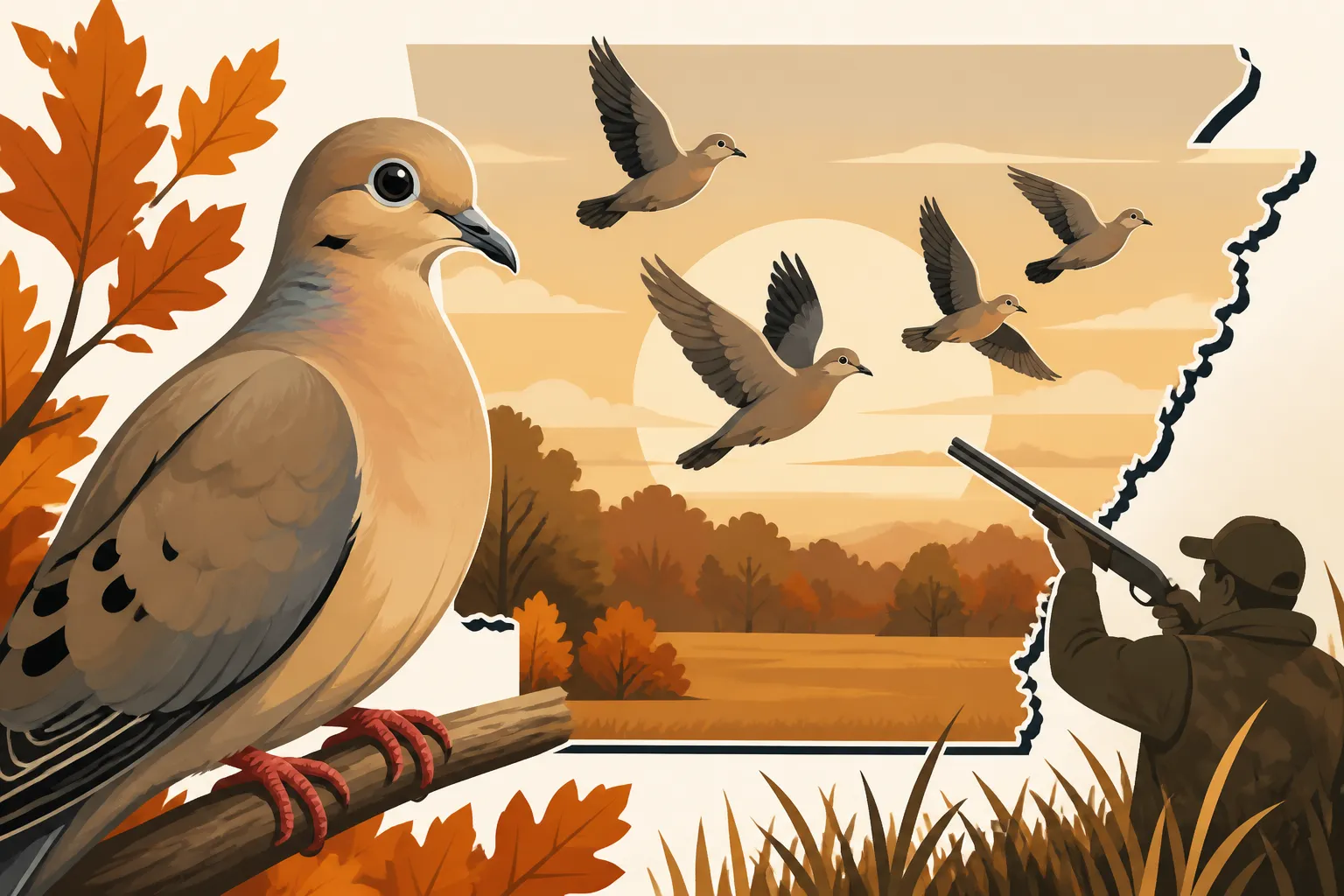
There's nothing quite like the sound of wings whistling through the morning air as doves dip and weave over a cut field. But if you've ever found yourself wondering where all the birds went after opening weekend, or why one year feels completely different from the last, you're not alone. Figuring out when mourning doves move through Arkansas, and how those movements impact your hunting opportunities, is a puzzle many hunters grapple with. This guide is here to unravel the mysteries of mourning dove migration timing in our great state, helping you understand the ebb and flow of these swift, challenging birds.
Understanding the Arkansas Dove Landscape: A Mix of Resident and Migratory Birds
Arkansas isn't just a stopover for doves; it's home to a healthy population of resident birds that provide excellent hunting opportunities, especially early in the season. But as the season progresses, these local birds are joined—and sometimes replaced—by waves of migrants traveling south. Understanding this blend is crucial to consistent success throughout the dove season.
Resident Doves: The Familiar Faces
Think of the mourning doves you see perched on power lines in your backyard or pecking for seeds along a gravel road in July. Those are our resident birds, and they form the backbone of the early season harvest. These doves have spent their spring and summer nesting and raising broods right here in Arkansas. They're familiar with the local landscape, knowing the best feeding grounds, reliable water sources, and safe roosting trees within their home ranges.
When the Arkansas Dove Opener and Later Splits rolls around, these resident birds are often the ones filling the skies over those freshly cut wheat or sunflower fields. They haven't been pressured yet, and their patterns are generally predictable. They'll be focused on readily available food sources, gravitating towards large agricultural fields, especially those with good grit nearby and safe cover for resting. A savvy hunter who scouts their local areas thoroughly before the season using tools like Using the AGFC Map Tool to pinpoint potential public land spots or familiarizing themselves with private permissions will often find these birds in abundance. Their patterns are very localized, often flying the same routes to and from their roosts each day.
The Urge to Migrate: Why Doves Move
While our resident doves contribute significantly, the real magic of Arkansas dove hunting lies in the migratory birds. Doves, like many other avian species, possess an inherent drive to move. This urge isn't always about escaping the first hint of cold weather; it's a complex interplay of environmental cues. As the days shorten in late summer and early fall, even before a true cold front hits, a biological clock begins to tick. This photoperiod change, combined with subtle shifts in temperature and declining food availability in northern latitudes, signals to doves that it's time to head south.
Arkansas, sitting squarely in the heart of the Mississippi Flyway, becomes a critical corridor and wintering ground for these travelers. They're not all coming from the same place; some might be from Missouri, others from Iowa, and some even further north. Each wave brings new birds, new patterns, and often, birds that haven't encountered significant hunting pressure yet. This constant influx is what keeps the season vibrant and challenging, as patterns can shift almost overnight depending on weather systems to our north.
Key Flyways and Arkansas's Position
When we talk about waterfowl, the Mississippi Flyway is a household name, but it's just as vital for mourning doves. Arkansas is a critical stopping point and wintering destination along this massive migratory highway. Doves traveling south from states like Illinois, Indiana, Iowa, and Missouri funnel through our state, drawn by abundant agricultural fields and relatively mild winters.
Our varied geography plays a significant role in how these flyways manifest locally. In the flat, fertile Delta region, doves often concentrate in vast agricultural landscapes. Fields of corn, soybeans, rice, and sunflowers provide an endless buffet for migrating birds. Meanwhile, in the hillier Ozarks and Ouachitas, migration patterns might be more tied to smaller agricultural pockets, natural seed-producing areas, and river bottoms. Understanding this geographical influence can help you anticipate where migrants might show up, whether you're chasing them over Hunting Doves on an Arkansas Field in eastern Arkansas or finding a secluded patch in the western part of the state.
The Early Season Rush: September Opener and Local Birds
The first segment of Arkansas's dove season is often a whirlwind of excitement, shotgun shells, and frequently, warm weather. It's a time when hunters reconnect with friends and family, and the anticipation of autumn hunts is palpable. For many, this opener is primarily about targeting the plentiful resident birds.
The First Wave: Young, Local Birds
When the dove season opens in September, the fields are usually full of birds that hatched and grew up in Arkansas. These are predominantly young birds from the first and second broods of the year, often less wary than their older counterparts. They've been feasting on locally available seeds all summer, so their patterns are well-established. They know where to find water and grit, and where to roost for the night. This makes them somewhat predictable, at least until they've been shot at a few times.
You'll often find these birds concentrating on freshly cut agriculture fields – especially sunflowers, millet, or wheat stubble. Ponds and small water holes are also magnets in the heat of September. Scouting is absolutely paramount during this period. You're looking for flight lines between food and water, identifying the "X" where birds are actively feeding. Tools like GoHunt can be incredibly helpful here, allowing you to examine aerial maps for potential field edges, water sources, and roosting cover. Identifying these key locations before opening day can make all the difference between a sparse shoot and a limit.
Weather's Early Influence: Heat and Pop-Up Storms
Arkansas in September can still feel a lot like summer. High temperatures and humidity are common, and these conditions definitely influence dove behavior. On sweltering days, doves will hit water sources more frequently, often in the mid-morning and late afternoon. This can create excellent hunting opportunities near isolated ponds or sloughs. However, extreme heat can also make birds less active overall during the middle of the day, preferring to loaf in shady trees.
Pop-up thunderstorms are also a typical feature of early autumn in Arkansas. A sudden downpour can temporarily halt flight, but often, doves will become very active just before or immediately after a front passes. These weather systems can also push some resident birds around, making them less predictable. Always keep an eye on the forecast, not just for your comfort, but to anticipate how the birds might react.
Pre-Season Scouting for Success
I can't stress this enough: successful early-season dove hunting in Arkansas hinges on thorough pre-season scouting. You need to be out there days, even weeks, before the season starts, observing bird patterns. Look for fields that have been harvested, especially those with remaining seeds on the ground. Sunflowers, millet, corn, and wheat stubble are classic dove magnets. Drive around, watch birds fly in the morning and evening, and identify their preferred feeding and watering spots.
Pay attention to details like power lines, dead trees, or isolated groves of trees near fields—these are prime loafing and staging areas. Water is equally important; a small pond or a ditch with exposed mud can draw doves from miles around, especially in dry conditions. For public land hunters, use the AGFC Map Tool or an app like GoHunt to identify potential areas, then spend time on the ground verifying bird presence. Remember, the birds will tell you where to go. They'll be there, if you take the time to find them.
Mid-Season Movements: Fronts, Food, and Fresh Birds
As September gives way to October and the first real cool fronts begin to push through, Arkansas dove hunting often undergoes a significant transformation. This is when hunters often notice a shift from predominantly resident birds to an increasing number of migrants from further north.
The Arrival of Northern Migrants
This is the phase of the season when hunters start to see new waves of doves. These are often birds that have spent their summer in states like Missouri, Iowa, or even further up the Mississippi Flyway. They are pushed south by colder temperatures and dwindling food sources in their northern homes. A strong cold front that brings significantly cooler air and sustained north winds is typically the catalyst for these large migratory movements.
These incoming birds can present both new opportunities and challenges. They may be less familiar with the immediate Arkansas landscape, but they are often more driven by the need to feed and rest. Their flight patterns might be less predictable than resident birds initially, and they could appear in fields that were quiet just a few days prior. Hunters who keep an eye on weather patterns to the north, particularly strong cold fronts, can often anticipate these influxes of fresh birds. This mid-season period can offer some of the most consistent shooting as new birds continually replenish the population.
Adapting to Changing Food Sources
As the season progresses, the available food sources for doves also change. Early-season staples like freshly cut wheat and sunflowers might be picked clean or replanted. Doves will then shift their focus to other agricultural crops like corn, soybeans, or even rice that have been harvested. They are particularly fond of waste grain left behind by combines.
Natural food sources also become more important. Doves will readily feed on the seeds of various native weeds, such as croton (doveweed), ragweed, or pokeberry, especially in areas where agricultural fields are less prevalent or have been worked. Hunters need to be flexible and adapt their scouting efforts to these evolving food preferences. What was a hotspot in September might be quiet in October, while a field of standing corn that was ignored earlier could become a magnet after harvest. Keeping an eye on what farmers are doing in the fields around your hunting grounds is key. The Arkansas Dove Harvest Numbers will often show a spike around this time as migration peaks.
Hunting Pressure and Dove Dispersal
Mid-season can also bring increased hunting pressure, particularly on popular public land areas or well-known private spots. While new birds are constantly arriving, sustained hunting pressure can make doves incredibly wary. They'll quickly learn to avoid fields where they've been shot at, or they'll change their flight times and patterns to avoid hunters.
This is where finding less-pressured areas becomes crucial. This might mean walking a little further into a WMA, exploring less obvious private land corners, or looking for smaller, overlooked food plots. Doves that have been pressured will often fly higher, quicker, and be much harder to decoy. Adapting your tactics, perhaps by moving your setup or changing your calling technique (though dove calling is typically minimal), can help. Also, be mindful of Hunting Pressure on Arkansas WMAs and consider hunting during weekdays if possible, to avoid weekend crowds.
Late Season Stragglers: Wintering Doves and Lesser-Known Opportunities
As November gives way to December and even into January, the dove season enters its final phase in Arkansas. This period can be vastly different from the early season rush, offering unique challenges and often, rewarding hunts for those willing to brave the colder weather.
Surviving the Chill: Doves That Stay
While the majority of migratory doves have continued their journey further south, a significant number will choose to winter in Arkansas, particularly in years with milder conditions. These are hardy birds, often mature individuals, that have found sufficient food, water, and shelter to endure the cooler temperatures. They rely heavily on consistent food sources that remain available through the winter, such as waste grain in harvested fields, or natural seeds that persist on the plant or are easily accessible on the ground.
These wintering doves tend to be incredibly concentrated in specific areas, often near dense cover that provides thermal protection from the elements. Evergreens, thick briar patches, and dense timber along creek bottoms can serve as crucial roosting and loafing areas. Finding these smaller, more specific hotspots is the key to late-season success. It's often a much more solitary hunting experience, a quiet pursuit where you might encounter fewer birds but have higher quality shooting opportunities.
The Impact of Hard Freezes and Snow
The most dramatic influence on late-season dove activity comes from severe winter weather. A hard freeze that locks up all open water sources or a significant snow event can completely alter dove behavior. When food sources become buried under snow or ice, or water is scarce, doves will either push further south or concentrate in very specific areas where resources are still available.
These conditions can create incredible hunting, albeit challenging. Doves will flock to the few open water sources, or to fields where some stubble or weed seeds are still accessible above the snow line. While it's tough on the birds, it can make them highly predictable to a hunter who has done their homework. Just be sure you're dressed appropriately for the weather and prepared for a different kind of hunt.
Finding Late-Season Hotspots
Finding late-season doves requires a shift in mindset and strategy. Forget the wide-open fields of September. Instead, focus on smaller, more secluded areas that offer a combination of food, water, and dense thermal cover. Look for overlooked patches of natural seed-producing weeds along fence lines, brushy creek bottoms, or the edges of timber. GoHunt can be useful for identifying these varied cover types and potential travel corridors.
Consider areas that might be adjacent to human habitation, as doves sometimes find reliable food in suburban settings or around livestock operations. A field that seemed insignificant in September might hold a concentrated flock of wintering doves in December. Also, keep an eye on specific regional features like Crowley's Ridge Hunting Ground which can offer unique pockets of cover and food that attract late-season birds. This is the time to experiment, to hunt smaller spots, and to embrace the challenge of outsmarting birds that have survived weeks of hunting pressure and natural predation.
| Season Segment | Typical Timing | Dove Population Focus | Primary Food Sources | Weather Conditions | Key Hunting Strategies |
|---|---|---|---|---|---|
| Early | September Opener | Resident, Young Birds | Freshly cut wheat, sunflowers, millet | Warm, humid, pop-up storms | Pre-season scouting, water holes, identifying flight lines |
| Mid | October – Early Nov | Migratory Birds arriving | Harvested corn/soybeans, natural weeds | Cooling fronts, variable | Monitor northern weather, adapt to changing food, find less-pressured areas |
| Late | Mid-Nov – January | Wintering Birds, Few Migrants | Persistent waste grain, dense weeds | Cold, potential freezes/snow | Find thermal cover, isolated food/water, focus on small, overlooked spots |
No matter which segment of the season you're hunting, remember to register with the Harvest Information Program (HIP) for migratory birds. It's a federal requirement that helps wildlife agencies manage dove populations effectively. When planning your trips, also remember to check Arkansas Legal Shooting Hours for the specific times you can hunt. And of course, practice responsible gun handling and be mindful of Arkansas Hunter Education Age Requirement rules. The more we understand these amazing birds and their journeys, the better hunters we become.
Disclaimer
This article is for general informational purposes only and does not constitute professional advice. Laws, prices and regulations vary by location and change over time. Consult a qualified professional for guidance on your specific situation.