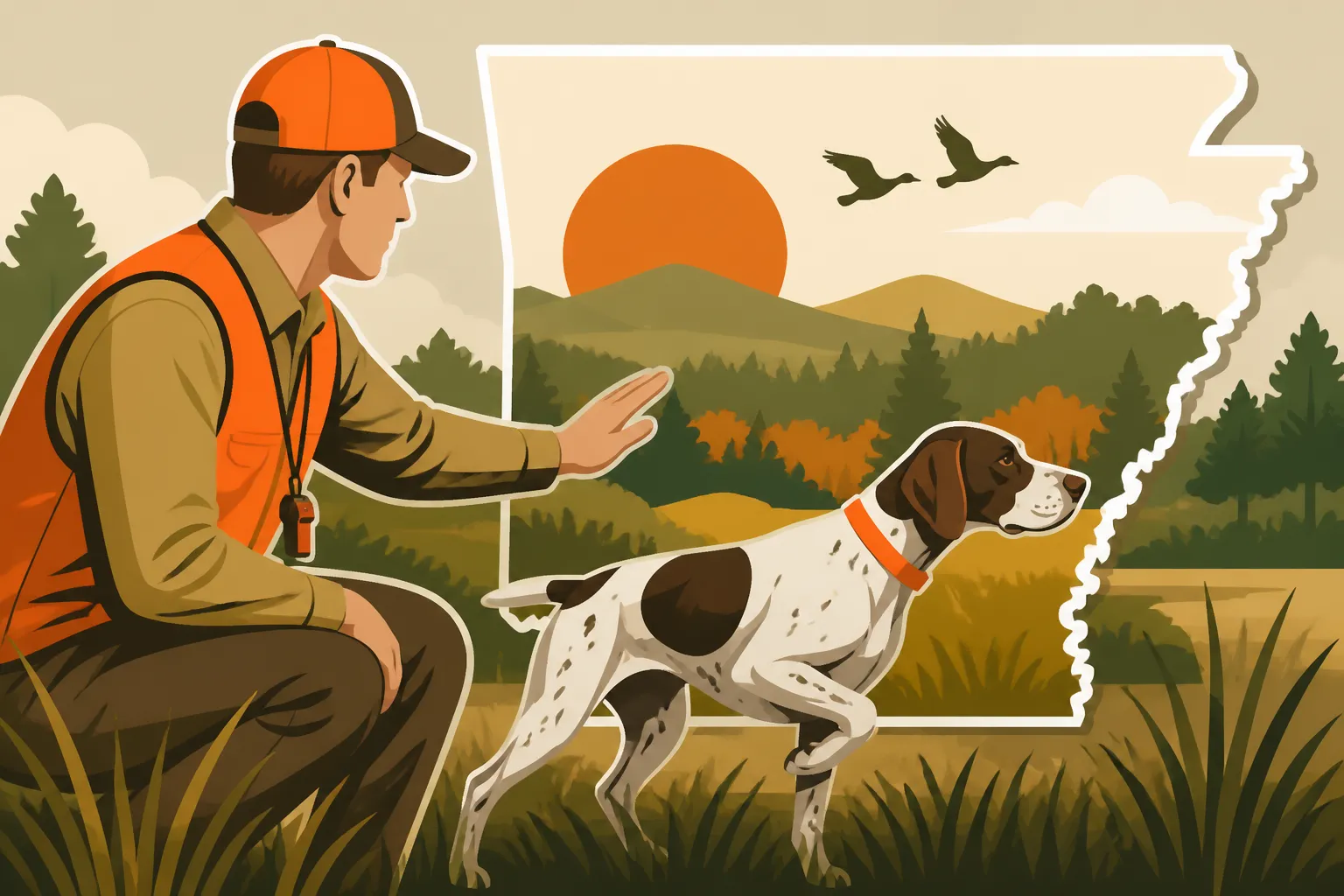
Dog Training on Arkansas WMAs
Trying to give your hunting dog the practice and exposure it needs can be a real headache, especially when you're limited to public land. It's not like you can just let your retriever run wild with live birds in your backyard, or send your tracking dog off on a blood trail simulation in a city park. Finding suitable, legal, and safe places to train on public land, particularly Arkansas Wildlife Management Areas (WMAs), can feel like navigating a maze. This guide is here to untangle that maze, offering clear, actionable advice on how to responsibly and effectively train your hunting dog on Arkansas WMAs.
Navigating Arkansas WMA Regulations for Dog Training
One of the biggest hurdles when it comes to training your canine companion on public land is understanding the rules. Arkansas WMAs are managed for wildlife, and that means there are specific regulations in place to ensure minimal disturbance and safety for both people and animals. You can't just assume what's okay on one WMA is okay on another, or that off-season rules are the same as in-season rules. Ignoring these can lead to fines, frustrating encounters, or even putting your dog at risk.
Core Rules and Permitting
Before you even load up your dog and gear, your first stop should always be the Arkansas Game and Fish Commission (AGFC) website or a WMA-specific brochure. Generally, to even be on a WMA, you'll need a valid hunting or fishing license, or a WMA General Use Permit. Think of it as your entry ticket. While these permits typically cover general access, they don't give you carte blanche to do whatever you want with your dog.
Most WMAs have rules about dogs being leashed unless actively hunting or participating in a permitted field trial. When you're "training," you're in a bit of a grey area that usually leans towards needing control. For instance, if you're practicing retrieves with a dummy, your dog should be under voice command and responsive. If your dog is ranging far afield and disturbing game that isn't in season, you could be in violation. It's crucial to distinguish between active hunting (which has very specific seasons and rules) and training that mimics hunting scenarios. Always check the specific WMA regulations for any unique dog rules. For example, some WMAs might have designated dog training areas, while others might restrict dogs entirely in certain zones or during sensitive nesting periods.
Seasonal Considerations and Area-Specific Restrictions
The time of year you choose to train your dog on a WMA can make a world of difference. During active hunting seasons, especially for deer or turkey, bringing your dog out for training can be not only disruptive to other hunters but also downright dangerous. Imagine trying to run retrieving drills near a deer stand during modern gun season – that's a recipe for disaster. Public safety and courtesy demand you avoid such scenarios. Arkansas Hunter Orange Requirements are something to consider for yourself, and perhaps for your dog, even when just training.
Many WMAs have "splits" in hunting seasons, or periods where specific types of hunting are closed. These can be prime times for dog training, as general hunting pressure might be lower. However, even during off-seasons, you need to be mindful of wildlife. Spring and early summer, for instance, are critical nesting and fawning periods for many species. Running your dog through dense cover could disturb young wildlife, which is something every responsible dog owner wants to avoid. Additionally, some specific areas within WMAs, like waterfowl refuges or certain conservation zones, might have outright bans on dogs, or very strict leash laws, regardless of the season. Always verify these specific restrictions on the AGFC website or by calling the WMA office directly.
Essential Practices for Responsible WMA Dog Training
Once you've wrapped your head around the rules, the next step is to execute your training plan responsibly. Public land is a shared resource, and it's up to us to ensure our activities don't negatively impact others or the environment. This means thoughtful planning before you even step foot on a WMA and respectful conduct while you're there.
Pre-Trip Planning and Location Scouting
A successful WMA dog training session starts long before you pull into the parking lot. Detailed pre-trip planning is non-negotiable. First, consider the type of training you're doing. A retriever working on water retrieves will need different terrain than a bird dog practicing flushing in tall grass or a tracking dog following a scent trail. Use mapping tools like the AGFC map viewer, onX Hunt, or GoHunt to scout potential locations from home. These tools allow you to visualize terrain, identify water bodies, locate logging roads or trails, and even see land ownership boundaries.
When using a mapping app, look for areas with good cover if you're working a bird dog, or secluded ponds and sloughs for retriever work. Pay attention to access points and how much pressure those areas might see from other users – not just hunters, but hikers, mountain bikers, or birdwatchers. Scouting Arkansas Public Land Before Season isn't just for deer hunters; it's invaluable for dog trainers too. You want to find spots that offer the right habitat for your training without being overly crowded. Also, always check the WMA's specific boundary lines against private property. The last thing you want is for your enthusiastic dog to cross onto private land without permission, causing a major headache.
Safety, Courtesy, and Environmental Stewardship
Once you're on the WMA, your conduct matters. Safety should always be your top priority. Even if it's not hunting season, wearing hunter orange, especially if you're training in an area that could see late-season squirrel hunters or shed hunters, is a smart move. It makes you and your dog highly visible. Keep your dog under control at all times, whether by leash or reliable voice command. An out-of-control dog can spook wildlife, disturb other visitors, or even run into dangerous situations like a busy road.
Environmental stewardship is equally important. Pick up after your dog – all waste should be bagged and carried out. Avoid training in overly sensitive areas, such as areas clearly marked for wildlife observation or rehabilitation. When doing retrieving drills, use inert training dummies or bumpers rather than live birds unless you are specifically on a designated dog training area that permits live bird work. If you're using blank pistols for gun dog training, be mindful of noise pollution and choose remote locations where you won't alarm other users. Remember, the goal is to enhance your hunting experience, and part of that is being a good steward of the land and a respectful member of the outdoor community.
Tailoring Training to Your Hunting Dog's Discipline
Different hunting dog breeds are, naturally, bred for different tasks. What works for a Labrador retriever won't necessarily be ideal for a Bluetick coonhound, and vice-versa. Understanding your dog's specific needs and the unique challenges of training for its discipline on WMA land is key to productive sessions.
Retriever and Bird Dog Drills
For those with retrievers, like Labs, Goldens, or Chesapeakes, or bird dogs such as pointers, setters, and flushers, WMAs offer fantastic opportunities for field and water work. For retrievers, look for WMAs with accessible ponds, oxbows, or sloughs. You can practice blind retrieves, marking falls, and developing strong quartering patterns. Use dummies or bumpers for these drills. During off-seasons, these water bodies are often quiet, allowing you to work without much disturbance. However, always be aware of potential hazards like alligators in south Arkansas or swift currents in larger rivers. Reading Water in the Arkansas Delta can be a valuable skill for identifying safe training areas.
Bird dog training focuses on scent work, flushing, pointing, and steadying to shot. Finding WMAs with diverse cover – open fields, pine plantations, thick brush – is ideal. You can work on quartering patterns, having your dog naturally hunt for scent cones. If using launcher dummies or a blank pistol, ensure you're in a secluded area and understand the WMA's rules on firearm discharge (even blanks). Some WMAs might even have specific tracts managed with early successional habitat, perfect for encouraging natural bird-finding instincts. Just be sure you're not disturbing actual nesting birds, especially during the spring and early summer.
Tracking and Scent Work Exercises
Dogs bred for tracking and trailing, whether for deer recovery or for running game like rabbits or raccoons (where legal and in season), can also benefit greatly from WMA training. For blood trailing practice, you can lay artificial scent trails using commercially available deer blood or even a mix of water and dark food coloring. Use deer hides or parts collected legally during hunting season (and frozen) to simulate a downed animal at the end of the trail. This teaches your dog to follow a specific scent without visual cues, invaluable for Blood Trailing After Dark in Arkansas.
When training for running game, such as rabbit dogs, WMAs with dense brush piles, clearings, and thickets are excellent. You can let your beagles work natural scent lines, focusing on their ability to decipher complex trails. However, you must be extremely diligent about season dates. Using dogs to actively hunt game outside of designated seasons is illegal. So, your "training" must strictly involve scent work and obedience, not actual pursuit of live animals if it's out of season. Always reinforce recall and control, as it's easy for these dogs to get "lost in the chase" in vast WMA lands. Rabbit Hunting With Beagles is fantastic during the actual season, but training beforehand requires strict adherence to regulations.
Leveraging Digital Tools and AGFC Resources for Success
In today's world, we have an incredible array of tools at our fingertips that can make WMA dog training safer, more efficient, and more enjoyable. Combining official state resources with advanced mapping technology is the smartest way to plan your training adventures.
Official Arkansas Game and Fish Commission Guidance
The AGFC website is your primary and most reliable source of information for all things related to Arkansas WMAs. They have detailed maps, rules and regulations documents for each specific WMA, and contact information for local wildlife officers or WMA managers. Before any training trip, I always recommend checking the "WMA Regulations" section on their site. You can download PDF maps or view interactive maps that show boundaries, access points, and sometimes even habitat types or special use areas.
Don't hesitate to call the AGFC regional office or the WMA headquarters if you have specific questions about dog training on a particular area. It's far better to ask and be sure than to inadvertently break a rule. They can clarify leash laws, acceptable training methods, and any temporary closures or restrictions you might not find online. They also often publish alerts regarding potential hazards, like flooding or road closures, which could impact your access to training spots. Understanding Arkansas WMA Permits and Draw Hunts is also key, as some areas might require specific permits even for general access during certain times.
Advanced Mapping Apps and Community Wisdom
While AGFC maps are essential, apps like onX Hunt and GoHunt can elevate your scouting and navigation game significantly. These platforms offer layers that show public and private land boundaries, topography, satellite imagery, and even historic wildfire data or timber cuts. For dog trainers, this means you can:
- Pinpoint public/private lines: Avoid accidental trespassing when your dog ranges a bit further than planned.
- Identify ideal habitat: Look for timber stands, open fields, water sources, and changes in elevation that suit your training.
- Track your routes: Record where you and your dog have trained, helping you refine future sessions.
- Mark points of interest: Save locations of ideal training spots, parking areas, or potential hazards.
These apps also often have community features or forums where local hunters and dog owners share insights. While you should always verify information with official AGFC sources, these communities can sometimes offer tips on less-pressured areas or local conditions that aren't widely publicized. Just remember that what one person considers "training" might differ from official regulations, so always err on the side of caution and official rules. Knowing Using the AGFC Map Tool in conjunction with these commercial apps gives you the most comprehensive picture.
Here's a quick overview of key considerations for WMA dog training:
| Category | Key Consideration | Details |
|---|---|---|
| Regulations | Permits & Licenses | Ensure you have a valid hunting/fishing license or WMA General Use Permit. |
| WMA-Specific Rules | Always check individual WMA regulations for dog rules, leash laws, and restricted areas. | |
| Seasonal Restrictions | Avoid training during active hunting seasons for other species. Be mindful of nesting/fawning periods (spring/early summer). | |
| Planning & Safety | Location Scouting | Use AGFC maps, onX Hunt, or GoHunt to find suitable habitat (water for retrievers, cover for bird dogs, varied terrain for trackers) and identify access points. |
| Public/Private Boundaries | Clearly know WMA boundaries to prevent accidental trespassing. | |
| Visibility & Control | Wear hunter orange. Keep your dog under voice control or leashed. Pick up dog waste. | |
| Environmental Awareness | Avoid disturbing wildlife, especially young animals. Be discreet with blank pistols. | |
| Training Methods | Retrievers/Bird Dogs | Use dummies for retrieves, focus on quartering and scent work. Avoid live birds unless specifically permitted in designated training areas. |
| Tracking Dogs | Lay artificial scent trails. Use legally obtained deer parts/blood. Emphasize strict obedience and recall. | |
| Resources | AGFC Website | Your first stop for official regulations, maps, and contact information. |
| Mapping Apps (onX Hunt, GoHunt) | Enhance scouting, mark waypoints, track routes, and understand terrain. | |
| Community & Local Knowledge | Use with caution; always cross-reference with official AGFC sources. Good for general tips on less-pressured areas. |
Remember, successful dog training on Arkansas WMAs is a blend of knowing your dog, knowing the rules, and being a responsible, respectful user of our precious public lands. Happy training!
Disclaimer
This article is for general informational purposes only and does not constitute professional advice. Laws, prices and regulations vary by location and change over time. Consult a qualified professional for guidance on your specific situation.