Gene Rush WMA and Elk Country
Many hunters dream of chasing elk, and in Arkansas, that dream often leads to the rugged beauty of the Ozarks, particularly areas like the Gene Rush Wildlife Management Area. But understanding how this unique WMA fits into the larger "elk country" picture, and what to expect when you hunt its challenging terrain, can feel like navigating a maze if you're not prepared. This comprehensive guide will peel back the layers of hunting in Gene Rush WMA, with a special focus on its significance within the state's storied elk country, offering insights into its unique challenges and rewarding opportunities.
Exploring the Gene Rush WMA Landscape and Its Wildlife
The Gene Rush Wildlife Management Area is a gem nestled within the heart of the Arkansas Ozarks, a place where the landscape tells a story of ancient mountains, resilient forests, and abundant wildlife. For many, it's a destination for the challenge it presents and the diverse hunting opportunities it offers, going far beyond just the allure of elk.
Geography and Habitat of Gene Rush
Located primarily in Newton County, with portions extending into Searcy County, Gene Rush WMA encompasses a substantial tract of public land that is as breathtaking as it is challenging. This isn't flat Delta ground; we're talking about deep hollows, steep ridges, and rocky bluffs that define the true character of the Ozark Mountains. The Buffalo National River forms a significant boundary for parts of the WMA, adding to its picturesque quality and ecological importance.
The habitat is a classic Ozark mix, dominated by mature oak-hickory forests, interspersed with shortleaf pine on some of the drier slopes. You'll find numerous drainages and spring-fed creeks carving their way through the landscape, providing crucial water sources for wildlife year-round. These diverse forest types offer a smorgasbord of food sources, from acorns in the fall to various browse plants throughout the year, sustaining a robust population of game animals. The sheer ruggedness of the terrain means that while access can be tough, it also offers pockets of less-pressured habitat, rewarding those willing to put in the effort.
General Hunting Opportunities Beyond Elk
While "elk country" might immediately make you think of magnificent bugles, Gene Rush WMA offers a fantastic array of hunting for other species that draw hunters back year after year. Deer hunting, for instance, is a major draw. The whitetail population here, while perhaps not reaching the sheer density of some Delta WMAs, produces healthy, wild deer that are incredibly challenging to hunt in this steep terrain. Success often comes down to knowing how to Hunt Ozark Ridges and Hollows for Deer, understanding thermals, and locating those hard-to-reach pockets of browse.
Turkey hunting is another significant opportunity. The WMA is home to strong populations of Eastern wild turkeys, and hearing a gobbler sound off from a ridge across a deep valley on a crisp spring morning is an unforgettable experience. Hunters often find success using run-and-gun tactics or setting up strategically near known roosting areas or travel corridors. Small game, particularly squirrels, are also abundant throughout the oak-hickory forests, providing a fun and often overlooked hunting experience. If you're looking for a change of pace, chasing bushytails in the fall can be incredibly rewarding, sharpening your woodsmanship skills.
Gene Rush WMA: The Heart of Arkansas's Elk Country
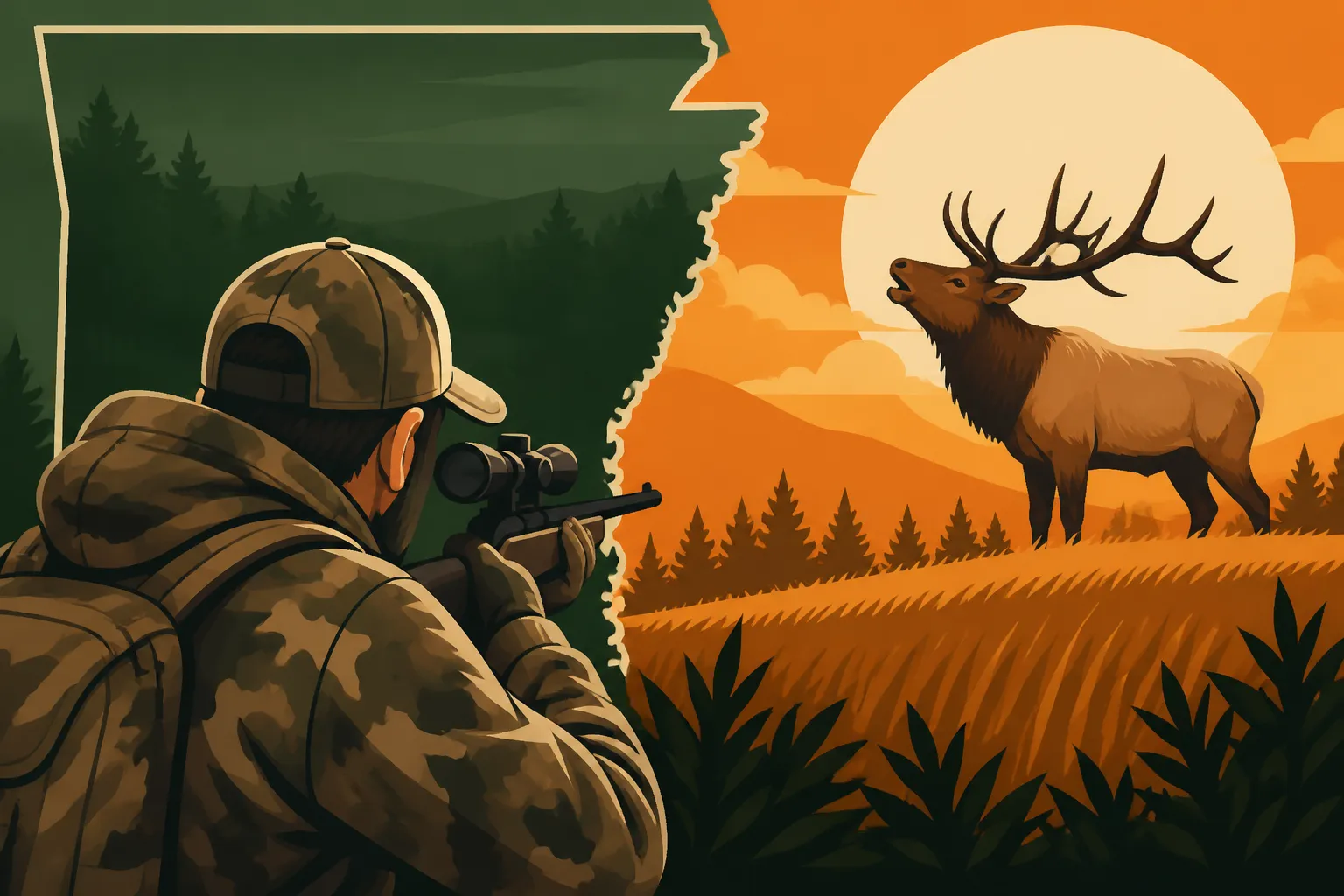
When people talk about elk in Arkansas, their minds invariably turn to the Buffalo River corridor and the surrounding public lands, and Gene Rush WMA sits squarely within this iconic landscape. It's a critical piece of the puzzle that makes up Arkansas's unique elk country.
The Role of Gene Rush in Arkansas's Elk Herd
The Buffalo River elk herd is one of Arkansas's incredible conservation success stories, a testament to dedicated restoration efforts that brought these majestic animals back to their historic range. Arkansas Elk Reintroduction History is a fascinating read, highlighting how the herd has grown and flourished, creating a truly unique hunting opportunity in the Southeast. Gene Rush WMA is not just near elk country; it is elk country. Elk are known to utilize the diverse habitats within and adjacent to the WMA, moving between private lands, national forest, and WMA boundaries as they forage and seek cover.
While they might not be behind every tree, the presence of elk is very real. You might stumble upon fresh tracks in a creek bottom, find rubs on saplings, or even hear a distant bugle during the rut if you're in the right place at the right time. For those passionate about these magnificent creatures, simply knowing they share the woods with you adds an extra layer of magic to any hunt, even if it's not an elk hunt. The WMA's rugged and secluded nature provides ideal bedding and security cover for elk, particularly during the more sensitive parts of their lifecycle.
Elk Hunting in Gene Rush: The Permit Draw
Now, let's talk brass tacks about hunting elk in Gene Rush WMA. Unlike deer or turkey hunting, elk hunting in Arkansas is an extremely limited, highly coveted permit-only affair. You don't just show up with a license and start hunting elk. The state issues a very small number of permits each year through a rigorous lottery system, primarily to manage the herd and provide a high-quality, once-in-a-lifetime hunting experience. The Gene Rush WMA is one of the designated public land hunting zones for these permits.
To even be considered for an elk permit, you must apply for the Arkansas Elk Permit Application Dates are eagerly anticipated by hopeful hunters across the state and beyond. The odds of drawing a permit are incredibly slim, often in the thousands-to-one range, making it one of the toughest tags to get in the country. Even if you don't draw, the process of applying and researching the zones can be an educational journey into the world of Arkansas's elk. Understanding How Arkansas Elk Permits Are Drawn is key to navigating the application process, which also includes opportunities for on-site draws at the annual Elk Festival.
Scouting for Elk Sign, Even Without a Permit
Even if you haven't drawn an elk permit (which, let's face it, is the reality for most of us), scouting for elk sign in Gene Rush WMA can still be a deeply rewarding experience. Knowing where elk are living and moving enhances your understanding of the local ecosystem and can even inform your deer or turkey hunting strategies. Elk often use the same travel corridors, water sources, and bedding areas as deer, just on a grander scale.
Look for large, rounded tracks, especially in muddy creek bottoms or along old logging roads. Elk droppings are distinctively larger than deer droppings. Keep an eye out for rubs on trees, particularly smaller diameter saplings where bulls might be polishing their antlers. Scrapes, while less common than deer scrapes, can also be found. Hearing a distant bugle, even if you’re not hunting, is a thrilling experience. While specific data on elk locations might be protected, using tools like onX Hunt can help you analyze the topography to identify potential elk habitat—like large, remote basins, north-facing slopes with dense cover, or access to perennial water sources within the WMA. This kind of advanced scouting improves your overall woodsmanship and familiarity with the terrain.
Navigating Gene Rush: Access, Regulations, and Scouting Tips
Hunting Gene Rush WMA is an experience that demands respect for the terrain and preparation. It's not a place for the faint of heart, but for those willing to embrace the challenge, it offers deep satisfaction.
Access Points and Terrain Challenges
Reaching many parts of Gene Rush WMA often involves driving on gravel county roads, and sometimes even smaller, less maintained forest roads. A reliable vehicle with good ground clearance is highly recommended, especially after rain when things can get muddy. Some areas require considerable hiking just to get away from the immediate road frontage, and the steep topography means that a mile on a map can feel like three miles on the ground.
Parking areas are often rudimentary, just pull-offs along the road, so be mindful of not blocking gates or private driveways. Using a mapping app like onX Hunt is absolutely essential here. It clearly delineates WMA boundaries, public roads, and private land inholdings, preventing accidental trespass. You can download maps for offline use, which is critical as cell service can be spotty or non-existent in many of the deep hollows. Before you head out, checking road conditions, especially after heavy rains, is a smart move. Always plan your entry and exit routes carefully, keeping in mind the elevation changes and distances involved.
Specific WMA Rules and Considerations
Like all Arkansas Wildlife Management Areas, Gene Rush has its own set of rules that overlay the general state hunting regulations. It's crucial to check the current AGFC regulations before any hunt, as specific seasons, bag limits, and methods of take can vary by WMA. You'll definitely want to refer to the Arkansas WMA Rules and Permits section of the current guide. For instance, specific weapon restrictions might apply during certain seasons, or there could be areas designated as refuges or closed zones where hunting is prohibited.
Hunter orange requirements are critical, especially during modern gun deer seasons. Familiarize yourself with the Arkansas Hunter Orange Requirements to ensure you're visible and safe. Additionally, remember that baiting is generally prohibited on public lands, including WMAs. If you plan to use a tree stand or ground blind, be sure to understand the rules regarding their placement, removal, and whether they need to be marked with your identification. Always carry your hunting license and any required WMA permits.
| Species | General Season (Consult AGFC for Exact Dates) | Notes for Gene Rush WMA |
|---|---|---|
| White-tailed Deer | Archery: Sep-Feb; Modern Gun: Nov-Dec; Muzzleloader: Oct, Dec | Zone 2. Rugged terrain, focus on ridges, hollows, and drainages. |
| Wild Turkey | Spring: April-May | Strong population, but challenging terrain. Often requires significant walking. |
| Black Bear | Fall: Oct-Nov (Zone Specific) | Part of the core bear range in the Ozarks. Black Bear Hunting in Arkansas is an option if zones open. |
| Elk | Select Permit Holders Only | Limited draw permits, highly regulated. Gene Rush is a designated hunt zone. |
| Small Game | Fall/Winter | Excellent squirrel hunting in oak-hickory stands. |
Advanced Scouting with Digital Tools
In the rugged, expansive terrain of Gene Rush WMA, advanced scouting isn't just a luxury; it's a necessity. Digital mapping tools like onX Hunt and GoHunt become your best friends. Before you even set foot on the ground, these platforms allow you to conduct extensive virtual scouting. You can analyze topographic maps to identify hidden benches, saddles, and steep drop-offs that might funnel deer or elk. Look for subtle changes in elevation that could create natural travel corridors or isolated bedding areas.
Using the satellite imagery, you can identify different timber types, thick clearcuts (which can be fantastic for deer but brutal to navigate), and potential food sources like stands of mast-producing oaks. Mapping apps also allow you to mark potential access points, water sources, and areas of dense cover where game might be holding up. The ability to measure distances and calculate elevation gain helps you realistically plan your hikes. GoHunt's data, while often geared towards Western states, can sometimes offer insights into general game movement patterns or habitat analysis that translates, especially when trying to understand how elk might utilize various food sources and cover in a mountainous region. The more you use these tools to understand the lay of the land from afar, the more effective and efficient your actual boots-on-the-ground scouting will be. Remember to download your maps for offline use, as cell service will be unreliable in many parts of the WMA. Scouting Arkansas Public Land Before Season is a crucial first step for any hunt here.
Planning Your Hunt in Gene Rush WMA
A successful and enjoyable hunt in Gene Rush WMA requires meticulous planning, from understanding the challenges to respecting the land and its creatures.
What to Pack and Prepare For
Given the rugged nature of Gene Rush WMA, your packing list should prioritize durability, comfort, and safety. Sturdy, broken-in hiking boots are non-negotiable, preferably waterproof. You'll be doing a lot of climbing and traversing uneven ground, so ankle support is key. Layered clothing is essential to adapt to the variable Ozark weather, which can change rapidly from chilly mornings to warm afternoons, even during late fall hunts. A good quality backpack capable of carrying water, snacks, first-aid supplies, and emergency gear is critical.
Navigation tools are paramount. Beyond your phone with a mapping app like onX Hunt, always carry a physical map and compass as a backup, and know how to use them. A headlamp or flashlight is indispensable for early morning entries or late evening exits. Given the remote nature of some areas, consider carrying a personal locator beacon (PLB) or satellite messenger for emergencies, especially if hunting alone. Having enough water for your planned excursion, plus extra, is vital, as reliable water sources can be few and far between on the ridges.
Best Times to Hunt General Game
For deer hunters, the early archery season in September can be challenging due to warm weather, but the woods are quiet, and bucks are often still in their summer patterns. As the season progresses into October and November, conditions improve, and the whitetail rut kicks in, offering exciting opportunities. The terrain can be a real equalizer, forcing hunters to slow down and truly still-hunt. Hunting the Arkansas Rut by Zone can give you an idea of when to focus your efforts in this region.
Spring turkey season is another prime time. The woods come alive with gobbling, and the clearings and ridge tops provide excellent spots to call birds. However, covering ground quickly can be exhausting, so focusing on specific drainages or ridge systems where you've heard birds roosting in the past is often a good strategy. Always check the Arkansas Turkey Seasons and Limits for the latest dates and regulations before planning your spring hunt. While elk season is reserved for the fortunate few permit holders, simply experiencing the WMA during these periods, whether you're deer hunting or just scouting, offers a deep connection to this unique landscape.
Respecting the Resource and Other Users
Hunting in a place like Gene Rush WMA comes with a responsibility to respect the land, its wildlife, and your fellow outdoor enthusiasts. This is public land, after all, and you'll likely encounter hikers, birdwatchers, anglers along the Buffalo River, or other hunters. Practice Leave No Trace principles: pack out everything you pack in, and leave the woods cleaner than you found them. Avoid disturbing wildlife unnecessarily, and be mindful of noise levels, especially during prime hunting hours.
Always be aware of WMA boundaries and any adjacent private land. While tools like onX Hunt make this easier, it’s still your responsibility to know exactly where you are. Ethical hunting practices, including clean shots and diligent tracking, are paramount. If you're fortunate enough to harvest an animal, ensure you field dress it properly and remove it from the woods with minimal impact. Sharing the woods respectfully ensures that Gene Rush WMA remains a premier hunting destination for generations to come.
Disclaimer
This article is for general informational purposes only and does not constitute professional advice. Laws, prices and regulations vary by location and change over time. Consult a qualified professional for guidance on your specific situation.