Hunting the Arkansas Opening Weekend
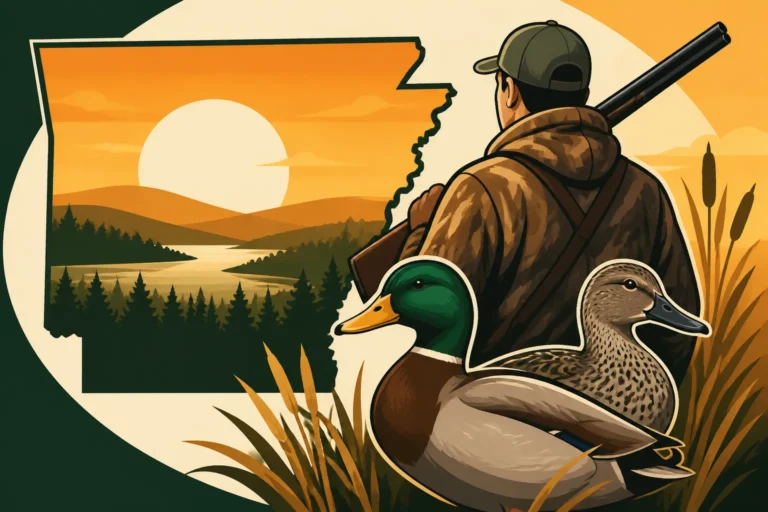
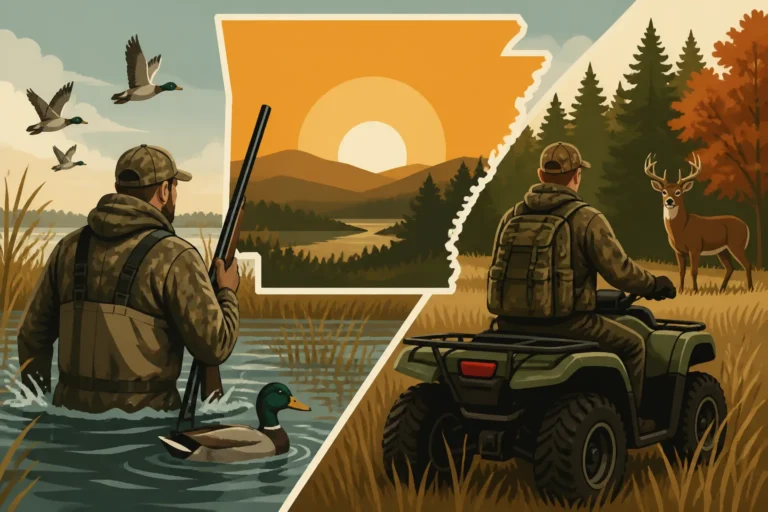
That annual buzz, that restless energy that starts simmering weeks before, the almost frantic checking of gear and weather forecasts – that's the prelude to opening weekend in Arkansas. It's a time of immense excitement, high hopes, and let's be honest, sometimes a fair bit of frustration when everyone else has the same idea. This guide is all about navigating that unique blend of chaos and opportunity, helping you maximize your chances of success and, more importantly, truly enjoy the tradition of hunting the Arkansas opening weekend.
The Unique Frenzy of Arkansas Opening Weekend
There's something almost sacred about opening weekend, whether it's the roar of modern gun season kicking off or the first morning ducks dipping into flooded timber. It's the culmination of months of anticipation, scouting, and dreaming. But let's be realistic: it’s also when every other hunter in the state who has been waiting patiently for their shot decides to join you in the woods or on the water. This convergence of enthusiasm often translates into crowded public lands, competitive private land access, and animals that quickly become warier than usual.
The Double-Edged Sword of High Expectations
We’ve all been there: waking up before dawn on opening day, the crisp air biting at your face, the smell of gunpowder or damp earth filling your senses. You've imagined this moment a hundred times, picturing that trophy buck stepping out or mallards cupping over the decoys just as the sun peeks over the horizon. These high expectations are a huge part of what makes opening weekend so thrilling, but they can also set us up for disappointment. The reality is, even with perfect scouting and preparation, the sheer number of hunters often means the woods and waters change rapidly. Animals that were patterned during pre-season disappear, shift their routines, or simply hunker down under the pressure. It's not uncommon to put in a full day and see very little, and that can be deflating after all that build-up.
Understanding the Surge in Hunter Traffic
Arkansas is a hunting state, plain and simple. When a major season opens, especially the modern gun deer season or the first split of duck season, hunters pour into their favorite spots. Public lands, from Wildlife Management Areas (WMAs) to National Forests, can feel particularly overwhelmed. Parking areas fill up long before legal shooting light, and you might hear distant shots from every direction. On the duck side, competition for popular holes in green timber or prime field spots can be fierce, with hunters arriving hours early to claim their turf. This isn't just about other hunters in your immediate vicinity; it's about the cumulative impact of hundreds, if not thousands, of hunters across a broad landscape, pushing game animals around and changing their behavior patterns almost instantly. It’s crucial to understand that this pressure is a given, not an anomaly, and planning around it is key to having a positive experience.
Smart Preparation for a Successful Opener
You can't control how many other people decide to hit the woods or water, but you can absolutely control your preparation. This is where the real work happens, long before the sun rises on opening day. Thinking ahead, scouting diligently, and having a plan B (and C!) can make all the difference between a frustrating bust and a memorable hunt. It’s about being smarter, not just trying harder, when everyone else is out there doing the same thing.
Pre-Season Scouting: Your Secret Weapon
Pre-season scouting is more than just locating game; it's about understanding the entire ecosystem of your hunting spot. For deer, this means finding fresh sign – rubs, scrapes, and active feeding areas – but also identifying potential escape routes and bedding cover that animals will gravitate towards once pressure hits. Look for natural funnels, pinch points, and cover that might be overlooked by other hunters. Pay attention to water sources and any available hard mast, especially acorns, which can be critical food sources. For ducks, scouting means observing flight patterns, identifying roosting areas, and finding flooded timber or agricultural fields where birds are actively feeding. Use maps like the AGFC interactive map tool or even platforms like GoHunt, which can offer useful overlays to analyze land features, property lines, and potential access points. Understanding how different parcels connect and where the quiet spots might be is invaluable. Scouting Arkansas Public Land Before Season is not just a suggestion, it's a mandate for opening weekend success.
Choosing the Right Location for Deer and Ducks
Selecting your hunting spot for opening weekend requires strategic thinking. For deer, consider areas that are difficult to access, either due to distance from a road, thick cover, or a creek crossing. Most hunters won't venture too far from their vehicles, so putting in the extra effort to hike a mile or two can put you in less pressured territory. Look for small pockets of public land adjacent to private property that might offer a refuge for deer pushed off the more accessible areas. If you're targeting ducks, especially in the Delta, try to identify less obvious sloughs, small potholes off the main flight lines, or isolated pockets of timber that might get less attention than the well-known green timber holes or popular flooded fields. Sometimes the best spots are those that require a little more work, like dragging a boat through shallow water or wading a bit further through mud. While many hunters flock to well-known WMAs like Bayou Meto, exploring smaller, lesser-known public areas or even getting permission on private land can reduce direct competition.
Mastering the Art of Stealthy Access
One of the biggest mistakes hunters make on opening weekend is crashing into their spot. With increased pressure, animals are already on high alert. Your entry and exit routes are just as important as the stand or blind location itself. For deer, plan your approach to avoid disturbing bedding areas or known travel corridors. Use terrain features like creek beds, ridge lines, or thick brush to mask your movement and scent. Get to your stand well before legal shooting light, quietly, and minimize noise. For duck hunting, especially in timber, silent entry is paramount. Paddle or use a trolling motor rather than a noisy outboard when you get close to your hunting area. Wade quietly to your spot. Remember that ducks can hear a boat motor or splashing from a long way off, and if they're pressured, they'll simply flare before you even have a chance to set up. Think like the animal: what would make them feel safe, and what would send them packing?
Tactical Approaches for Deer and Ducks on Opening Weekend
With so many hunters in the field, game animals quickly adapt. The deer become nocturnal, and ducks fly higher and shy away from obvious setups. This means your opening weekend tactics need to be dynamic and often different from what might work later in the season. It’s about adjusting to the immediate conditions created by intense human activity.
Deer Hunting Strategies for Pressured Woods
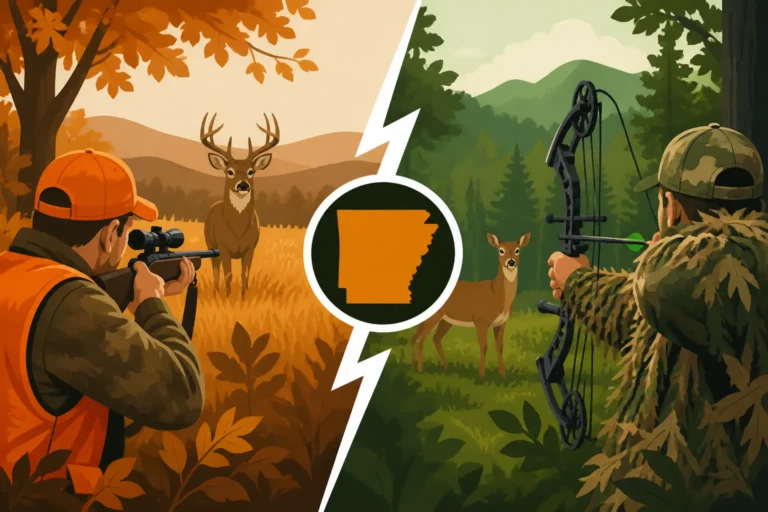
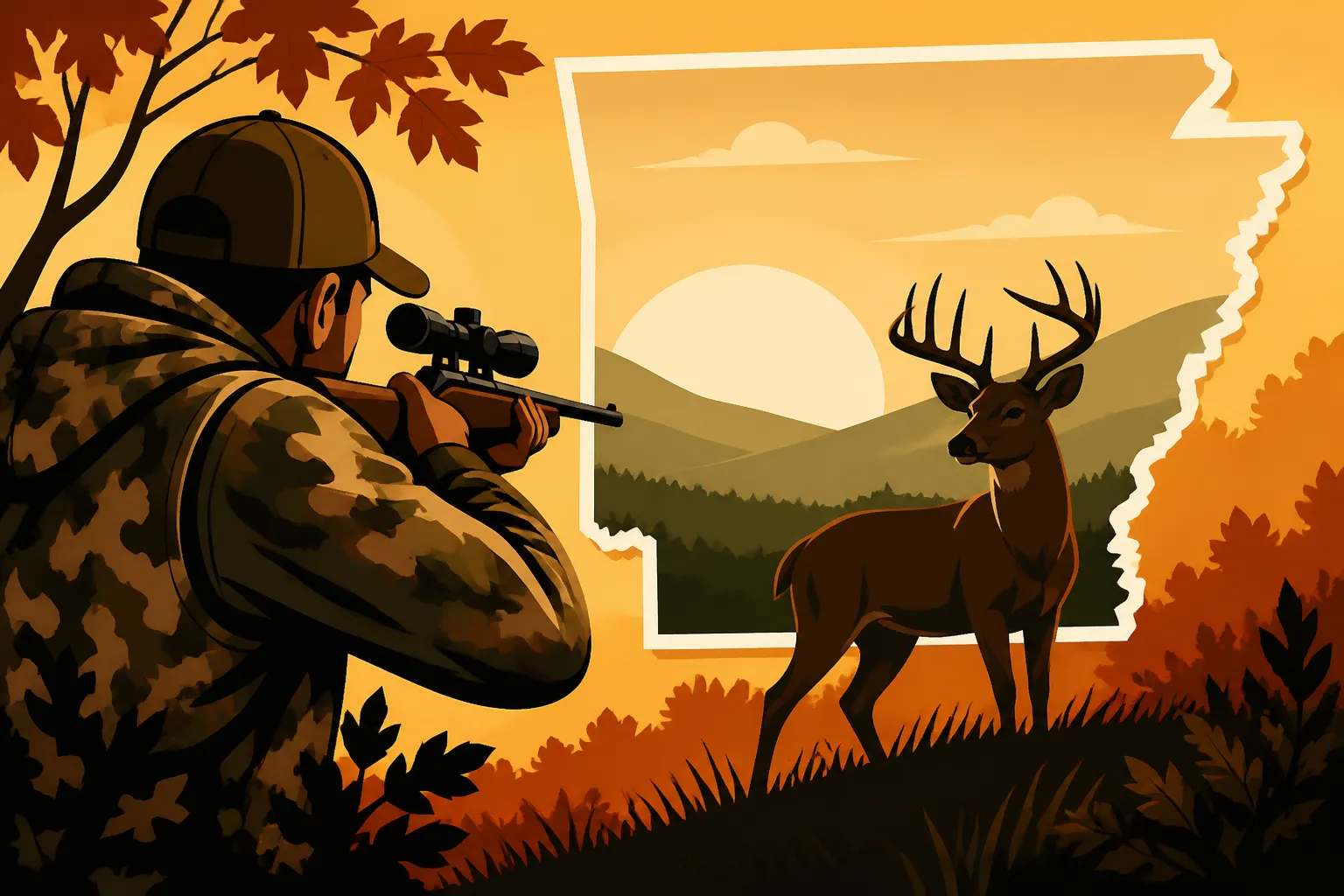
On opening weekend, especially during Arkansas Modern Gun Deer Hunting, deer often move much earlier or much later in the day, or seek out the thickest cover they can find. Instead of targeting open food plots, focus on bedding areas, transition zones, or thickets where deer will feel safe. Stand hunting in a well-scouted funnel between a bedding area and a food source (even if that food source is on neighboring private land) can be effective. Consider using a ground blind in really dense cover if you can set it up undetected beforehand. Still-hunting, moving slowly and deliberately through thick timber, can also work, as you might jump a deer that another hunter has pushed. If you're hunting with a group, organized Deer Drives in Arkansas Bottomland can be effective, but require careful planning and communication to be safe and successful, especially on public land. Always be mindful of Arkansas Hunter Orange Rules to ensure visibility.
Duck Hunting Tactics for the Early Push
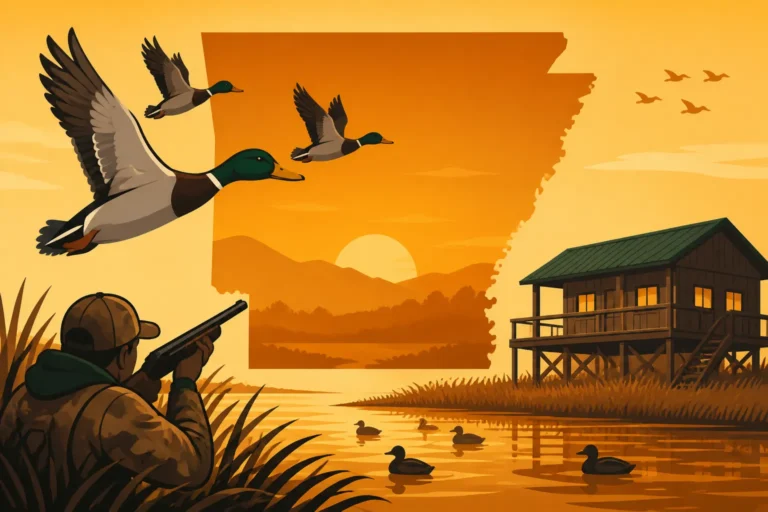
For ducks, the opening days are often a mad scramble. Birds might be flying high, working large groups, and hesitant to commit to obvious spreads. This is where subtle tactics can shine. If you're in flooded timber, focus on tight, brushy holes or small clearings rather than wide-open spots. Use a minimal decoy spread, perhaps a dozen or less, to mimic a small, natural group of birds. Keep your calling conservative; often, soft contented chuckles and feeding calls are more effective than aggressive hail calls, as birds are wary of loud, unnatural sounds. For field hunting, setting up far away from the road and being completely concealed is crucial. If birds are wary, try not to overcall. Let the decoys do most of the work. Sometimes, moving away from the most popular spots and finding less pressured water can lead to surprising success. You might find a small, overlooked slough or ditch that holds a few birds escaping the main rush. If you're looking at various WMA options, remember that Arkansas WMA Duck Hunt Draws can sometimes get you into less pressured areas, but you have to apply well in advance. Consider looking at what options might be available on sites like BookYourHunt for guided hunts, not necessarily to book, but to observe the types of ground being hunted and adapt your own DIY strategy.
| Strategy Type | Deer Hunting Opening Weekend | Duck Hunting Opening Weekend |
|---|---|---|
| Primary Focus | Bedding areas, escape routes, dense cover | Small, overlooked pockets of water/cover |
| Access | Long, quiet hike into remote areas | Silent boat/wading approach, minimal disturbance |
| Calling | Minimal grunts/rattling (can alert other hunters) | Soft, contented feeding chuckles, conservative hail calls |
| Decoys/Spreads | None, or a subtle buck decoy if safe | Small, natural spread (6-12), mostly mallards |
| Visibility | Hunter orange mandatory in modern gun zones | Excellent concealment in natural cover |
| Hunter Pressure | Avoid roads, hunt deep, consider drives | Avoid main flight lines, seek isolated water |
| Time of Day | Early morning and late evening, midday naps in cover | Early morning, just after dawn, for first flights |
Other Small Game Opportunities
While deer and ducks often steal the opening weekend spotlight, don't forget about other opportunities. Small game, like squirrels and rabbits, can offer a fantastic way to introduce new hunters to the sport or simply enjoy a less stressful day afield. Squirrels are often found in mature hardwoods, feeding on acorns and hickory nuts. The early morning hours are usually best. Rabbit hunting can be a blast, especially if you have a good beagle. Often, the dense thickets and brush piles that deer avoid are rabbit havens. These hunts typically see far less pressure than the big game openers and can be incredibly rewarding. Plus, there’s nothing quite like a meal of squirrel or rabbit and gravy after a successful hunt!
Beyond the Shot: Logistics, Safety, and Mindset
Hunting opening weekend isn't just about the moment of truth; it's about the entire experience. From making sure your gear is dialed in to prioritizing safety and keeping a positive attitude, these elements are crucial for a successful and enjoyable trip. The more you plan for the unexpected, the smoother your weekend will be, even if the hunting itself is tough.
Gear Checks and Essential Supplies
Before you ever leave the driveway, give all your gear a thorough once-over. Is your rifle sighted in? Are your shotgun chokes appropriate for the type of duck hunting you're doing? Do you have enough non-toxic shot for waterfowl? Are your waders leak-free? Did you pack extra layers, considering Arkansas weather can be notoriously unpredictable, especially between morning and midday? Check your headlamp batteries, first-aid kit, and ensure you have plenty of water and snacks. Always carry a compass or a fully charged GPS device (and know how to use it) along with a physical map, especially if you're venturing deep into public lands like the Ouachita National Forest. Remember your hunting license and appropriate stamps. Having a good knife for Field Dressing in Arkansas Heat is essential, as is a way to cool your game if the weather is still warm.
Prioritizing Safety in Crowded Areas
With more hunters in the field, safety becomes paramount. Always treat every firearm as if it's loaded. Be absolutely certain of your target and what's beyond it before taking a shot. During modern gun season, mandatory hunter orange rules are in effect, so make sure you (and everyone in your party) are wearing the required amount. Communicate constantly with your hunting partners, especially if you're making a move or splitting up. If you're duck hunting, be aware of other boats and blinds, especially in low light conditions. Never sky-bust and risk raining shot down on distant hunters. The excitement of opening weekend can sometimes lead to rushed decisions, so take a breath, stay vigilant, and make safety your absolute top priority. This is also a good time to remember the rules about Arkansas Hunter Education and Safety Rules – every hunter should be knowledgeable and responsible.
Embracing the "Experience First" Mentality
Perhaps the most important aspect of hunting opening weekend in Arkansas is your mindset. While it's natural to want to fill your tags or limit out on ducks, try to shift your focus to the overall experience. The camaraderie of hunting camp, the beauty of an Arkansas sunrise, the challenge of outsmarting wary game, and the simple act of being outdoors are what truly make opening weekend special. Some years the hunting will be phenomenal, and other years, it will be tough. If you approach it with an "experience first" mentality, even a slow day can be a great day. Cherish the time spent with friends and family, appreciate the traditions, and soak in the raw energy of the season. After all, isn't that what we truly chase, year after year?
Disclaimer
This article is for general informational purposes only and does not constitute professional advice. Laws, prices and regulations vary by location and change over time. Consult a qualified professional for guidance on your specific situation.