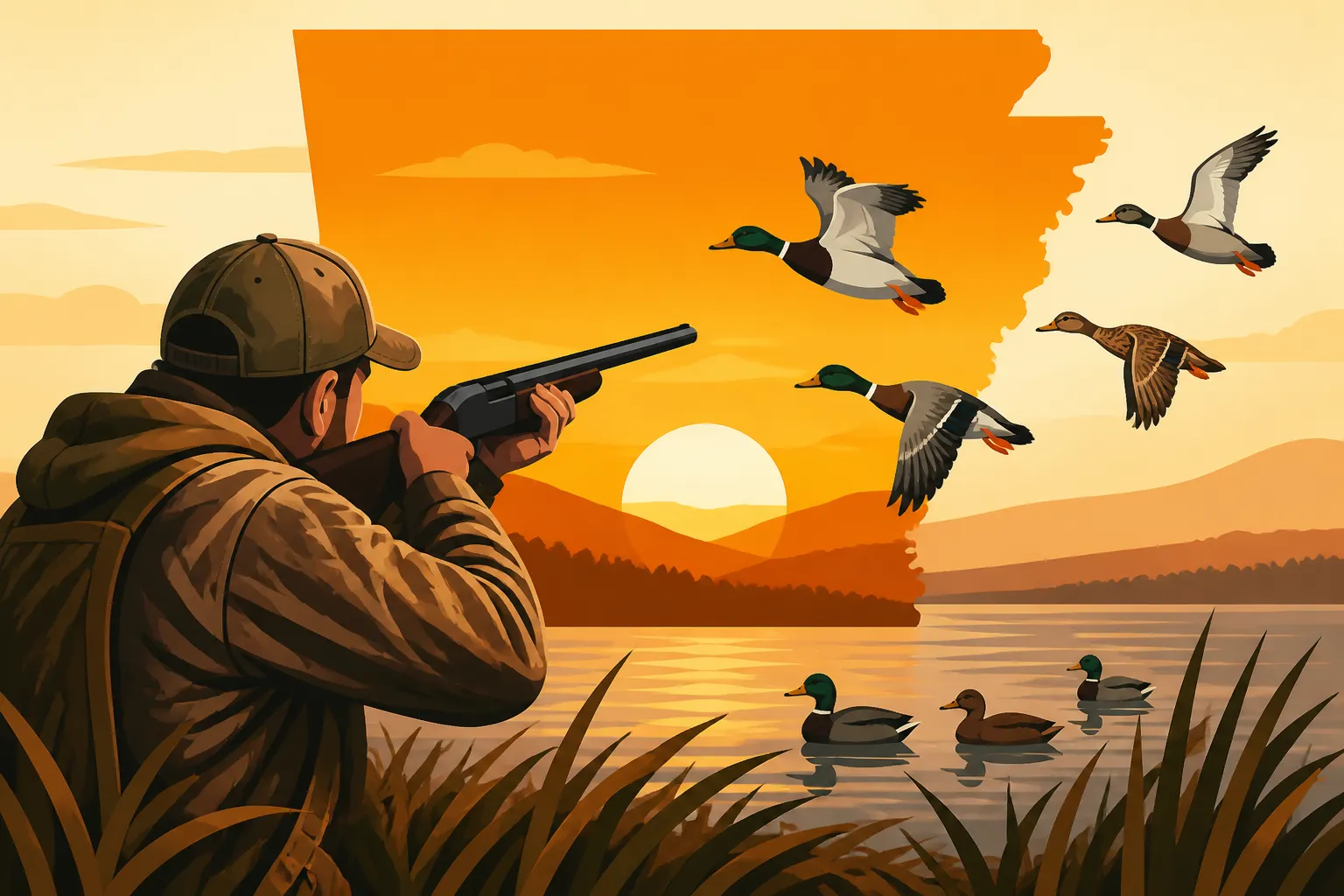
Hunting Arkansas Reservoir Ducks
Hunting ducks on Arkansas's vast reservoirs can feel like you've stepped into a completely different world compared to the intimate, tree-lined green timber holes or the sprawling, flooded rice fields many hunters associate with the Natural State. The sheer size, the open water, and the different duck behaviors can be incredibly daunting, leading to frustration and empty straps if you approach it with the wrong mindset. This guide is here to break down the unique challenges and rewarding strategies for successfully pursuing waterfowl on Arkansas's reservoirs, helping you unlock new hunting opportunities.
Understanding Arkansas Reservoirs for Duck Hunting
When we talk about hunting ducks on Arkansas reservoirs, we're discussing a very distinct ecosystem from the typical bottomland hardwood forests or agricultural fields. These large impoundments, often created for flood control, power generation, or recreation, present a different set of challenges and opportunities that require a specific approach.
Identifying Key Reservoir Features
Arkansas boasts numerous large reservoirs, such as Greers Ferry Lake, Beaver Lake, Lake Ouachita, and Millwood Lake, just to name a few of the prominent ones. Unlike a flooded timber hole where ducks might feed on acorns or a rice field where they glean waste grain, reservoirs offer vast expanses of open water. The key to finding ducks here often lies in identifying specific topographical features that provide shelter, food, or resting areas. Look for points that jut out into the main lake, creating natural pinch points for migrating birds. Islands, especially those with some brush or timber, can serve as crucial resting sanctuaries, particularly during heavy hunting pressure or strong winds. Old creek channels, submerged timber lines, and subtle depth changes can concentrate baitfish, attracting diving ducks, or provide structure for puddle ducks foraging along the edges. Understanding these nuances, often by pouring over detailed contour maps, is the first step in unlocking reservoir success.
Duck Behavior on Large Bodies of Water
The species of ducks you'll primarily encounter and their behavior on reservoirs can differ significantly from other Arkansas waterfowl habitats. While mallards will certainly use reservoir edges, especially where flooded timber or agricultural fields meet the water, reservoirs are often prime territory for diving ducks. Species like scaup (bluebills), ring-necked ducks, canvasbacks, and redheads are frequently found rafted up in large groups on open water, feeding on submerged vegetation, mollusks, or small fish. These divers behave differently; they often fly lower over the water, hug shorelines less, and respond to different calling and decoy strategies. Puddle ducks, like gadwalls, wigeon, and even some mallards, will typically stick closer to the protected coves, shallow flats, or areas where current brings in food, avoiding the most exposed, deep sections. Recognizing these distinct patterns is vital for proper setup.
Seasonal Movements and Migration Patterns
Arkansas's position on the Mississippi Flyway means that reservoir duck populations fluctuate throughout the season based on migration. Early in the season, when temperatures are still mild, you might find more local birds or early migrants scattered across various water sources. However, as colder weather pushes down from the north, usually starting in late October and intensifying through November and December, the larger influx of northern-bred ducks begins. These cold fronts not only bring new birds but also influence their behavior, making them more active and often pushing them to larger, safer water bodies like reservoirs if smaller wetlands freeze over. Understanding the general Duck Migration Timing Into Arkansas is crucial. Later in the season, during January, ducks become extremely wary due to prolonged hunting pressure. They often seek refuge in the largest, most undisturbed sections of reservoirs, only moving to feed at dawn and dusk. This makes scouting and precise timing even more important during those challenging late-season hunts.
Scouting and Locating Ducks on Reservoirs
Hunting reservoirs effectively hinges on meticulous scouting. You can't just show up on opening day and expect birds to be everywhere; the vastness demands a strategic approach to pinpoint where the ducks are actually using the water.
Pre-Season Scouting Strategies
Before the season even begins, you should be a cartography expert, poring over maps and aerial imagery. Digital mapping tools, such as those offered by GoHunt, or the Arkansas Game and Fish Commission's (AGFC) online mapping tools, are invaluable here. Look for old river channels, submerged roadbeds, high points that become islands when flooded, and any areas where standing timber or brush remained after the reservoir was filled. Pay close attention to depths and contour lines; ducks will often follow specific depth breaks. Drive boat lanes and observe where ducks might stage or feed once the water comes up or once colder temperatures arrive. Identify potential food sources – aquatic vegetation in shallower areas, or nearby agricultural fields that might be accessible to ducks. If possible, take a boat out and physically look at potential spots, using your depth finder to locate submerged structure that could attract birds. This baseline knowledge will save you countless hours during the season.
In-Season Observation and Patterns
Once the season opens, your scouting shifts to real-time observation. This is where patience truly pays off. Spend time at dawn and dusk observing flight patterns. Where are the birds flying from and to? Are they rafted up in specific areas during the day? What are their preferred resting spots? Use good binoculars or a spotting scope to observe ducks from a distance, without disturbing them. You'll often notice consistent flight corridors, especially on windy days where ducks might use a specific shoreline or tree line to shield themselves from the wind. Pay attention to how many Mallard Numbers Wintering in Arkansas might be using the fringes compared to the diving ducks in the open. Remember, ducks are creatures of habit, and once you identify a pattern – a specific cove they're using to loaf, or a certain point they round on their way to a feeding area – you can then formulate your hunting strategy.
The Role of Wind and Weather
Wind and weather are perhaps even more critical on reservoirs than in smaller, more sheltered hunting spots. Wind can completely dictate where ducks will be. On a calm day, birds might be scattered everywhere, making them harder to concentrate. But with a strong wind, ducks will often seek out protected coves, leeward shorelines, or areas where the wind creates natural chop, breaking up their silhouettes from above. This chop also provides excellent cover for your boat and decoys, making your spread look more natural. Always check the wind direction and speed before you head out. A cold front, especially one with strong northerly winds, can bring in new waves of migratory birds, energizing the hunt. Conversely, a warm spell can make ducks lethargic and less inclined to move, especially if they've already been pressured. Understanding these forces helps you decide not just where to hunt, but when to hunt for the best odds.
Essential Gear and Setup for Reservoir Hunting
Hunting ducks on big water requires specific gear and careful planning. You can't just throw a dozen decoys out of your truck and expect results. It’s a specialized endeavor.
Boat and Blind Considerations
First and foremost, you need a safe and stable boat capable of handling potential chop. A sturdy jon boat, V-hull duck boat, or even a small modified flat-bottom with a reliable motor is essential. Don't skimp on safety equipment like personal flotation devices (PFDs) for everyone on board, emergency signaling devices, and extra anchors. When it comes to blinds, you have a few options. If you're hunting natural cover like a brushy point or a submerged timber line, a simple pop-up blind or even a ghillie suit might suffice. However, many reservoir hunts take place in more open areas, necessitating a robust boat blind. These blinds need to be well-camouflaged, durable enough to withstand wind and waves, and provide excellent concealment. Make sure your blind allows for quick, unrestricted shooting in multiple directions. Consider bringing extra camouflage netting to brush in your boat blind even further, helping it blend into the shoreline or open water.
Decoys: Divers, Puddle Ducks, and Spreads
Decoy selection is paramount. For open-water reservoir hunting, you'll likely want a mix of diver and puddle duck decoys, leaning heavily towards divers if you're targeting scaup, ring-necks, or canvasbacks. Diver decoys typically have different body shapes and paint schemes. You'll need more decoys for reservoirs than for small timber holes—think dozens, not just a dozen. Large spreads create a more visible target on vast water. For puddle ducks found closer to shore, standard mallard, gadwall, and wigeon decoys work well. As for spreads, long lines are a diver hunter's best friend. These involve stringing multiple decoys along a single line, anchored at both ends. You can create J-hooks, V-shapes, or fishhook patterns to simulate a raft of resting divers. Don't forget motion decoys; jerk strings and even spinning-wing decoys can add crucial realism to an open-water spread, making it more visible and enticing from a distance. Remember, a common frustration for new reservoir hunters is under-decoying; go big, or consider adding a few oversized decoys for increased visibility.
Personal Gear and Safety Equipment
Beyond your boat and decoys, personal gear for reservoir hunting needs to prioritize warmth, dryness, and safety. Waders, of course, are a given, but layered clothing is critical to adapt to changing temperatures and conditions. You might start in the dark on a cold morning, but the sun on open water can warm things up quickly. Always wear or have immediate access to a PFD, especially when moving in the boat. A waterproof bag for your phone, keys, and important documents is a must. Bring plenty of water and snacks. Navigation is key on large, featureless water bodies, so a reliable GPS unit (like those integrated into GoHunt's mobile app) or a physical map and compass are indispensable. A good first-aid kit, extra rope, a boat hook for retrieving downed birds or loose decoys, and a flashlight or headlamp are also non-negotiable items. Given the large expanse of water, understanding Hunting Arkansas Reservoir Points can also help in navigating and understanding where to position your spread safely.
Effective Decoy Spreads and Calling Techniques
Getting ducks to commit on reservoirs is all about presentation and persuasion. Your decoy spread and calling need to work in concert to convince wary birds that your spot is the safest, most appealing place to be.
Open Water Diver Spreads
For open water, especially if you're targeting diving ducks, long-line spreads are incredibly effective. Instead of individual decoy lines, you'll have a main line with multiple decoys spaced evenly along it, typically with short droppers. The advantage? You can deploy and retrieve many decoys quickly. Imagine 6-12 diver decoys on a single 100-foot main line, anchored at both ends. You might run several of these lines, creating a large, visible raft. A common strategy is the "J-hook" or "fishhook" spread, where the main body of decoys forms the base of the "J," and the shorter end (the hook) points towards your shooting position. This creates a natural landing zone in the curve of the "J." For example, on a large lake like Greers Ferry, finding a protected cove with a good wind break allows for a large spread. The goal is to mimic a large, comfortable raft of ducks that looks inviting to passing birds, especially in windy conditions where they are seeking shelter.
Shoreline and Edge Setups for Puddle Ducks
While divers dominate the open water, puddle ducks often hug the edges of reservoirs. If you're hunting a point, a sheltered cove, or an area where flooded timber or brush meets the main lake, a more traditional puddle duck spread is appropriate. Here, you'll want to focus on creating smaller, more natural-looking groups of decoys, often with a "hole" or landing zone directly in front of your blind. A common setup might be a loose "U" or "J" shape, with the open end facing the direction you expect ducks to approach from. You can also mix in a few sleeper decoys to suggest contented, resting birds. Adding a spinning-wing decoy or a jerk string to this type of spread can be very effective, especially if you're trying to attract the attention of high-flying mallards or gadwalls. The key is to make it look like a quiet, undisturbed feeding and resting area, a stark contrast to the open expanse of the main lake.
Calling for Reservoir Ducks
Calling on reservoirs differs significantly from calling in tight timber. On open water, your calls need to carry further. For divers, less calling is generally more effective. A simple chuckle or a confidence call from time to time is often enough to grab their attention. They are typically less vocal than puddle ducks. For puddle ducks, especially mallards, you'll want to use louder, more aggressive hail calls to get their attention from a distance. Once they commit and start working, transition to softer, more contented feed chuckles and clucks. It's easy to overcall on open water, so pay close attention to the birds' reactions. If they're coming, stay quiet. If they're veering off, try a soft comeback call. Remember, How Timber Calling Differs From Open Water is significant, and volume and cadence need to be adjusted for the environment. Sometimes, especially with heavily pressured late-season birds, even minimal calling combined with a realistic spread is the best approach.
Adapting to Weather and Water Conditions
Reservoir hunting is never static. The dynamic nature of these large water bodies means you constantly need to adapt your strategy to the whims of Mother Nature.
Hunting in High Winds and Rough Water
High winds and rough water are common challenges on Arkansas reservoirs. Safety must always be your top priority. If the white caps are rolling and the boat is getting tossed, it might be safer to choose a different day or location. However, if conditions are manageable, high winds can actually be your friend, as ducks often seek shelter in protected coves or on the leeward side of islands and points. These are exactly the places you want to be. When hunting in windy conditions, ensure your boat is securely anchored—and consider a second anchor for added stability. Waves can easily swamp an exposed boat, so position your boat blind strategically to minimize exposure. Decoys will dance realistically in the chop, but make sure they're heavily weighted or have strong keel designs to prevent them from tangling or flipping. Always let someone know your hunting plans, including your exact location and expected return time, especially on windy days.
Dealing with Changing Water Levels
Reservoirs are designed to manage water, which means water levels can fluctuate dramatically throughout the hunting season, impacting access, cover, and food sources. A spot that was perfect one week with flooded brush might be high and dry the next, or conversely, a shallow flat might become too deep. Before each hunt, check reservoir levels if possible. The AGFC and the U.S. Army Corps of Engineers often provide real-time water data for major lakes. Pay attention to how these changes affect your planned hunting spots. If the water drops, you might need to move to deeper edges or areas where new submerged vegetation becomes accessible. If it rises, previously dry cover might now be perfect for puddle ducks. Flexibility is key; have multiple backup spots in mind to account for these fluctuations. For instance, if you usually hunt a specific coves along Lake Ouachita, understand that a significant drop might push ducks further out into the main body or to deeper areas.
Cold Weather Strategies
When the mercury drops and the north winds howl, reservoir hunting can be incredibly productive, but also physically demanding. These cold snaps often push more ducks down the flyway. Finding open water is key when smaller ponds and wetlands begin to freeze. Ducks will congregate on the largest bodies of water that remain unfrozen. This is where your reservoir knowledge truly shines. Look for areas with current or deep water that resist freezing. You might even have to break ice to get to your spot, which can be exhausting but rewarding. For decoys, ensure they are durable enough to withstand freezing and thawing. Personal comfort is paramount; layer up, bring hand warmers, and consider a portable heater for your blind if safe and permitted. Staying warm and dry is essential not just for comfort, but for safety in extreme cold. Don't forget that Arkansas Waterfowl Seasons and Zones extend into some of the coldest months, so being prepared for frigid conditions is vital.
Overcoming Common Reservoir Challenges
While rewarding, reservoir hunting comes with its own set of frustrations and obstacles that require forethought and experience to navigate.
Hunting Pressure and Public Access
Arkansas reservoirs, particularly those near population centers, can experience significant hunting pressure. Public access areas on larger lakes like Greers Ferry or Beaver Lake are often bustling, especially on opening weekend or during prime migration. This pressure can make ducks extremely wary and push them into remote, harder-to-reach areas. To combat this, consider hunting during weekdays when crowds are lighter. Get to your spots well before first light to claim your desired location. Utilize detailed mapping tools, like those by GoHunt, to identify less obvious access points or walk-in areas that other hunters might overlook. Sometimes, the best spots are those that require a longer boat ride or a more strenuous pack-in. Think about scouting areas that are a bit off the beaten path, away from easy boat ramp access. Even in areas managed by the AGFC, knowing the intricacies of Arkansas WMA Waterfowl Draw Hunts can sometimes get you access to less pressured spots, but many reservoirs are open to general public hunting.
Decoy Retrieval and Game Recovery
Retrieving decoys and downed birds on vast, open water can be a nightmare, especially if the wind picks up or you're hunting in a large spread. A good retriever is almost indispensable for reservoir hunting. A well-trained dog can make all the difference in quickly recovering birds that fall far from the blind or are carried by current. If you don't have a dog, a long boat hook or a specialized retrieving pole can be a lifesaver for grabbing distant decoys or floating birds. Always have a plan for retrieving both your birds and your decoys before you shoot. Nothing is more frustrating than losing a hard-earned duck or having to chase down dozens of decoys in a choppy lake. For large diver spreads on long lines, a system for quick retrieval is crucial. Practice setting out and taking in your spread efficiently to minimize time spent exposed to the elements or chasing runaway decoys.
Navigating Large Water Bodies Safely
Navigating large water bodies in the dark, in inclement weather, or when dealing with fluctuating water levels presents significant safety hazards. Submerged timber, rocky shoals, and hidden stumps are common on many Arkansas reservoirs and can quickly damage your boat or propeller. Always use your depth finder and GPS. Many newer mapping systems, like those from GoHunt, even have detailed satellite imagery that can help identify potential hazards or old creek channels. Maintain a safe speed, especially in low light or fog. Be aware of other boaters; collisions can happen quickly on busy reservoirs. Always keep an eye on the weather; conditions can change rapidly on large lakes, turning a calm morning into a dangerous situation with high winds and waves. Having a reliable marine radio or satellite communicator is a smart investment, as cell service can be spotty in remote areas of some reservoirs. Prioritize safety above all else; a successful hunt isn't worth risking your life.
| Characteristic | Open Reservoir Water (Diver Focus) | Shoreline/Cove (Puddle Duck Focus) |
|---|---|---|
| Primary Species | Scaup, Ring-necked, Canvasback, Redhead | Mallard, Gadwall, Wigeon, Wood Duck, Teal |
| Typical Decoy Spread | Large, linear "long lines" (J-hook, V-shape, fishhook) | Smaller, natural groups (U-shape, small clusters) |
| Decoy Quantity | High (3-6 dozen or more) | Medium (1-3 dozen) |
| Calling Style | Minimal, confidence calls, loud hails for attention | Aggressive hailing, soft quacks, feeding chuckles |
| Blind Type | Boat blind, layout blind, natural shoreline cover | Natural shoreline cover, pop-up blinds |
| Boat Type | Stable, capable of handling chop (V-hull, larger jon boat) | Smaller jon boat, canoe, or walk-in |
| Key Challenges | Wind, waves, long retrieves, deep water | Hidden structure, shifting water levels, less concealment |
| Ideal Wind | Moderate to strong (creates chop, pushes ducks to shelter) | Light to moderate (allows ducks to work naturally) |
Disclaimer
Hunting is an inherently dangerous activity. Always prioritize safety, understand and follow all Arkansas Game and Fish Commission regulations, and obtain proper licenses and stamps, including your Arkansas Hunting Licenses and What They Cost and Arkansas Waterfowl Stamp Requirements. This guide is for informational purposes only and does not substitute for proper training, experience, or professional guidance. Be aware of your surroundings and hunt ethically and responsibly.